When you think of construction, what comes to mind? Towering cranes? Men in hard hats sipping coffee while staring at blueprints? Maybe the soothing sound of jackhammers at 6 a.m.? But let’s talk about something that’s often overlooked: roadbase. Yes, roadbase. The foundation of our roads, driveways, and parking lots. The unsung hero that holds it all together. Let’s dive into what roadbase is, why it’s so important, and why it deserves a little more love.
Imagine baking a cake. You don’t just slap frosting on a plate and call it dessert. You need a solid cake layer first, right? Roadbase is like that cake layer for construction. It’s a blend of crushed rock, gravel, and sometimes recycled materials like crushed concrete. This mix creates a stable, compacted layer that supports the layers above it be it asphalt, concrete, or your driveway’s paving stones.
Without this foundation, structural surfaces would buckle under heavy loads, and local roads would resemble a roller coaster. For teams managing regional infrastructure, integrating a reliable gravel under asphalt layer is the standard procedure to counteract the shifting behaviors of expansive clay soils common throughout Northern California.
What Makes a Good Roadbase?
Not all roadbases are created equal. The perfect roadbase recipe depends on factors like the type of project and local regulations. Generally, though, a good roadbase should:
- Be stable and compactable: No one wants a wobbly foundation.
- Drain well: Water is great for plants, not for road longevity.
- Resist erosion: Because who wants their driveway to disappear during a rainstorm?
To achieve these qualities, roadbase often includes a mix of fine and coarse particles. The fine particles fill in the gaps between the larger chunks, creating a tight, compact layer. Think of it like building a Lego masterpiece everything needs to fit snugly to stay solid.
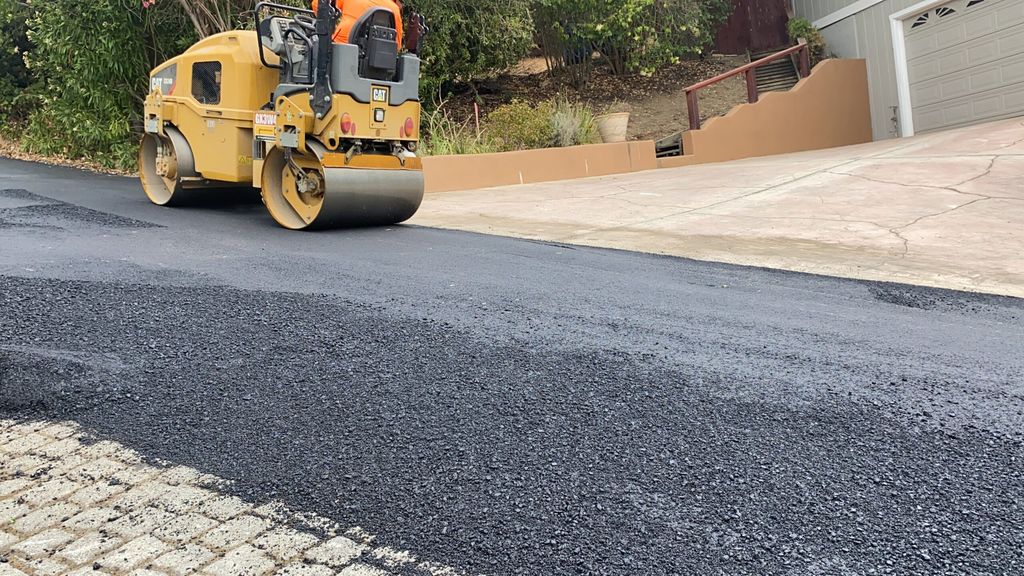
Achieving this tight lock requires strict adherence to well-graded aggregate standards. A high-quality base contains a precise distribution of particle sizes, ranging from 3/4-inch crushed stone down to fine rock dust. During installation, the engineering team introduces an exact volume of water to reach what is known as the Optimum Moisture Content (OMC). This moisture acts as a lubricant, reducing friction between aggregates so heavy vibratory rollers can eliminate air voids. Maximizing this relative compaction is critical in Northern California, where winter atmospheric rivers saturate the ground. Without reaching maximum density, seasonal water infiltration softens the foundation, leading to premature cracking under heavy vehicular traffic.
Choosing the Right Roadbase: Materials, Specifications, and Thickness
To ensure the longevity of your pavement, not just any material will do. In the civil engineering industry, we evaluate base quality using standard tests like the California Bearing Ratio (CBR), which measures strength and load-bearing capacity. Depending on your project’s demands, there are several key materials:
- Natural Rock / Blue Metal (High CBR): The premium choice. It provides superior density, ideal for withstanding heavy traffic and preventing erosion in commercial paving projects.
- Crushed Concrete (Recycled): An eco-friendly and cost-effective alternative, excellent as compactable fill for static support areas.
- Asphalt Millings: A material that hardens with thermal exposure and time, minimizing maintenance on rural roads or unpaved driveways.
How much material do you really need? The thickness over the structural subgrade determines the lifespan of the pavement. According to Caltrans Section 26 specifications for Class 2 aggregate base, residential driveways with stable soil typically require between 4 and 6 inches of compacted material. However, for commercial parking lots or high-traffic roadways subjected to heavy vehicular loads, guidelines require a compacted depth of 8 to 12 inches. The technical standard requires this material to be compacted in successive lifts of no more than 6 inches at a time; dumping a thick layer all at once compromises the relative density, leading to premature shifting.
Why is Roadbase So Important?
Picture this: you build a beautiful driveway, complete with fancy pavers and a sleek finish. But underneath? No roadbase. What happens next? Cracks, potholes, and a driveway that looks like it’s auditioning for a disaster movie.
Roadbase provides:
- Stability: It spreads the weight evenly, so heavy vehicles don’t sink like quicksand.
- Drainage: Properly designed roadbase lets water flow away, keeping your surface intact.
- Longevity: A good foundation means fewer repairs down the line. It’s like investing in quality shoes you’ll thank yourself later.
The Unsung Hero of Your Neighborhood
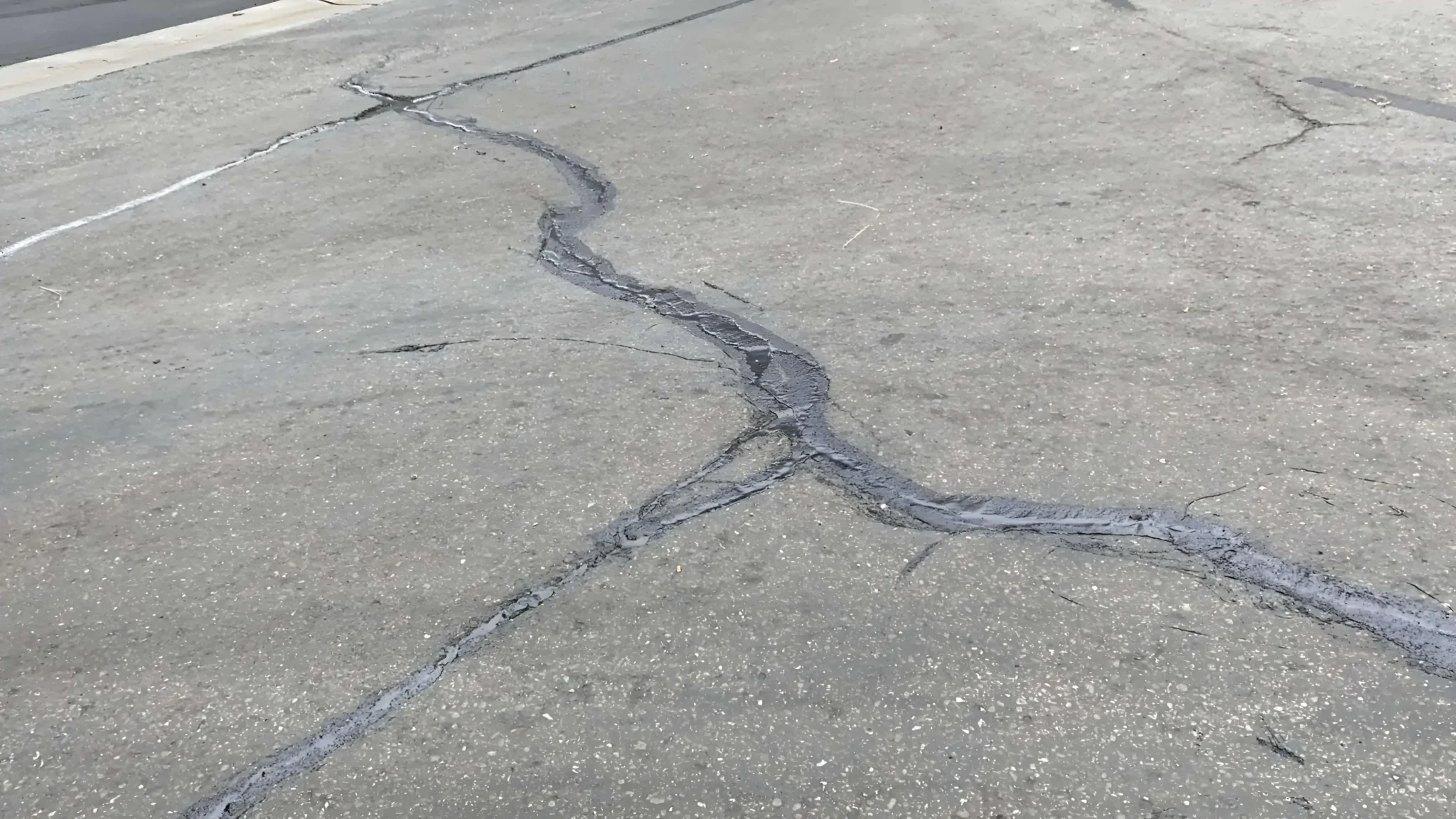
You know that pothole you hit last week? Odds are, the road’s roadbase wasn’t up to snuff. Or maybe it wasn’t compacted correctly. Either way, it’s a reminder that roadbase isn’t just dirt it’s science. And while it might not be glamorous, it’s absolutely essential.
Fun fact: roadbase can also be recycled! That’s right. Old concrete and asphalt can be crushed and reused as roadbase, reducing waste and saving money. It’s like giving your driveway a second life very eco-chic, if you ask us.

How We Love Paving Does Roadbase Right
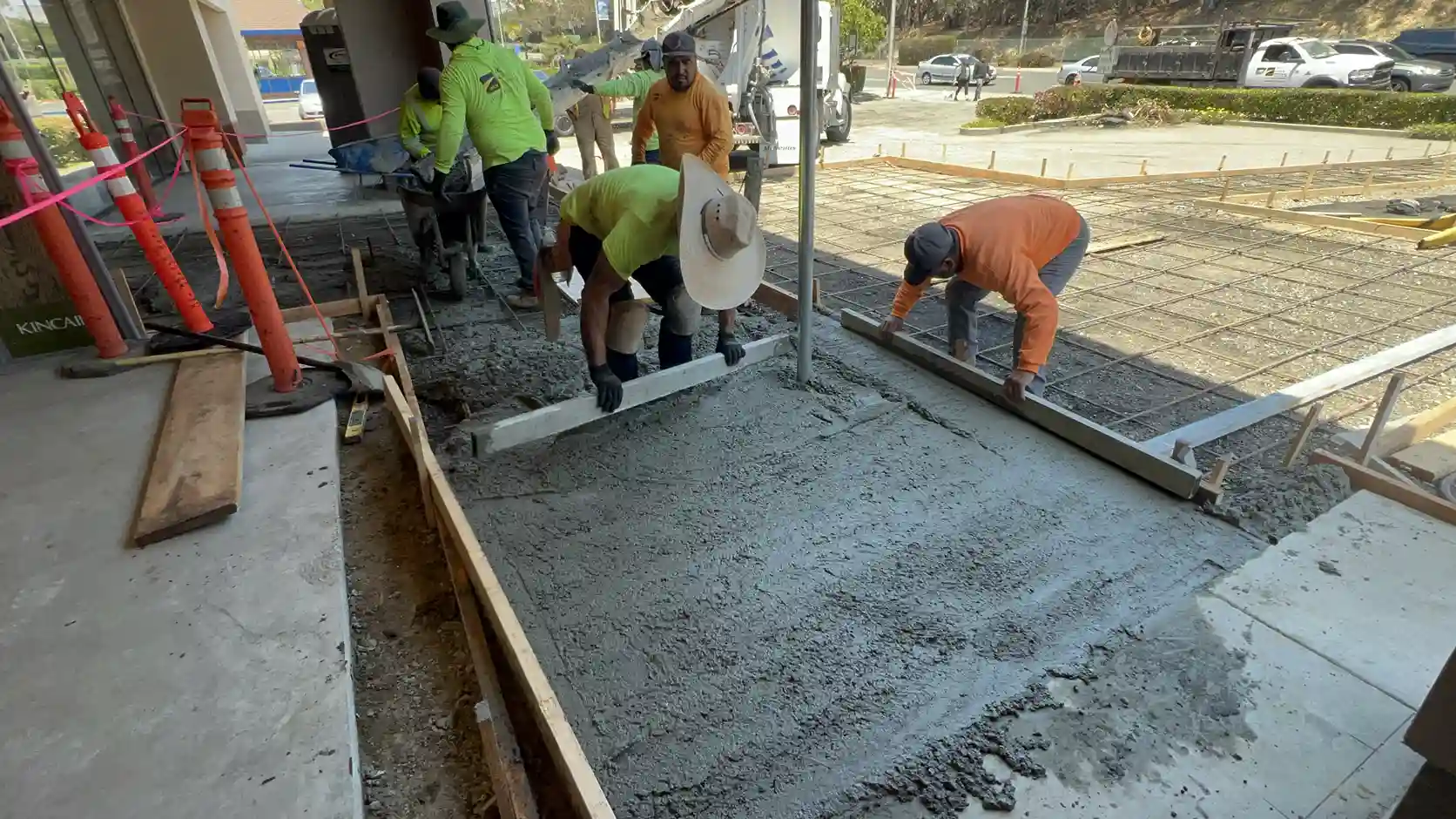
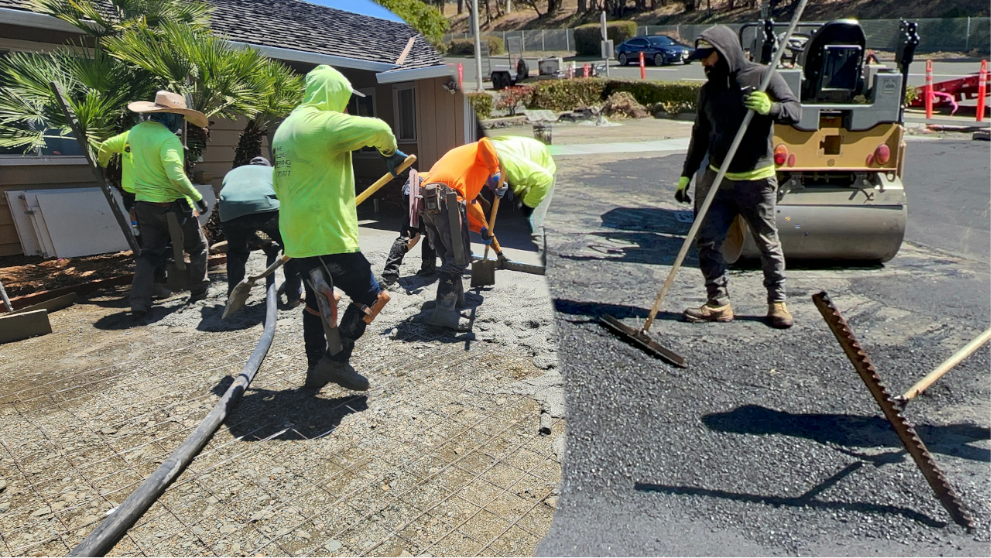
At We Love Paving, we know roadbase is the backbone of any paving project. We don’t cut corners (literally or figuratively). Our team ensures every layer is compacted and graded to perfection. Whether it’s a residential driveway or a massive parking lot, we’ve got the expertise to make sure your project stands the test of time.
So, the next time you walk, drive, or park, take a moment to appreciate the roadbase beneath your feet. It may not be flashy, but it’s doing the heavy lifting literally.