Seal Coating vs. Repaving: When to Choose Each Option

We Love Paving services in Palo Alto. Professional paving contractor serving Palo Alto and South Bay areas.
Estimation Tools

Calculate costs in seconds

Fast, accurate estimates that help you close more jobs. Less guesswork, more profit.

Maintaining asphalt pavement is essential for preserving its longevity, appearance, and functionality. Two of the most common methods for pavement maintenance are seal coating and repaving. While both serve to protect and enhance your pavement, they address different needs and situations. Understanding when to choose seal coating versus re-pave can save you money, time, and frustration. And in some cases increases a property value. Here’s a comprehensive guide to help you decide which option is right for your property.


What Is Seal Coating?

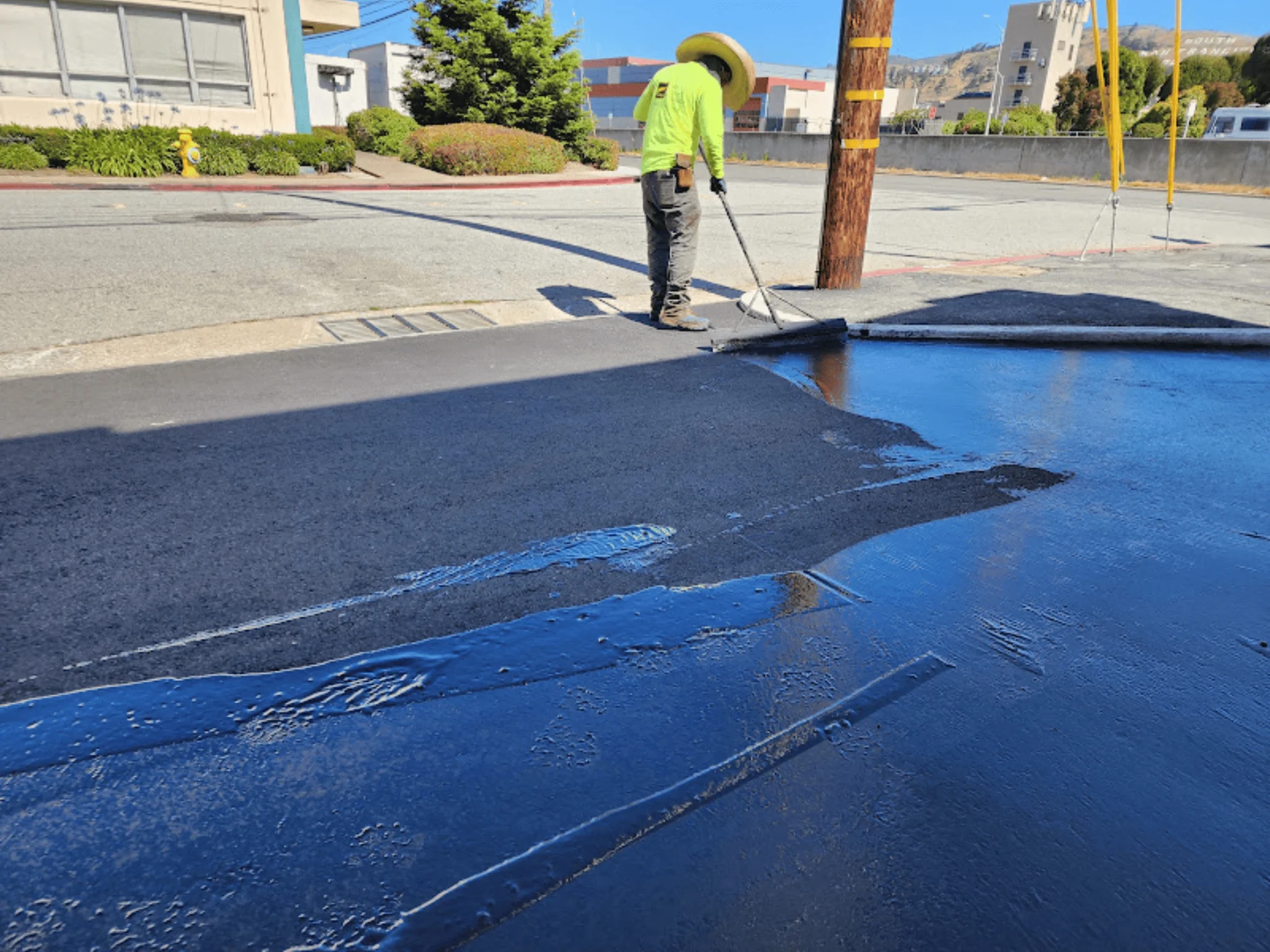
Seal coating involves applying a protective layer of sealant to the surface of asphalt pavement. This process helps shield the pavement from:

  • UV Rays: Prolonged sun exposure can cause asphalt to fade and dry out, leading to cracks.

  • Water Damage: Seal coating prevents water from seeping into small cracks, which can expand in freezing conditions.

  • Chemical Spills: Gasoline, oil, and other chemicals can degrade unprotected asphalt.

Benefits of Seal Coating:

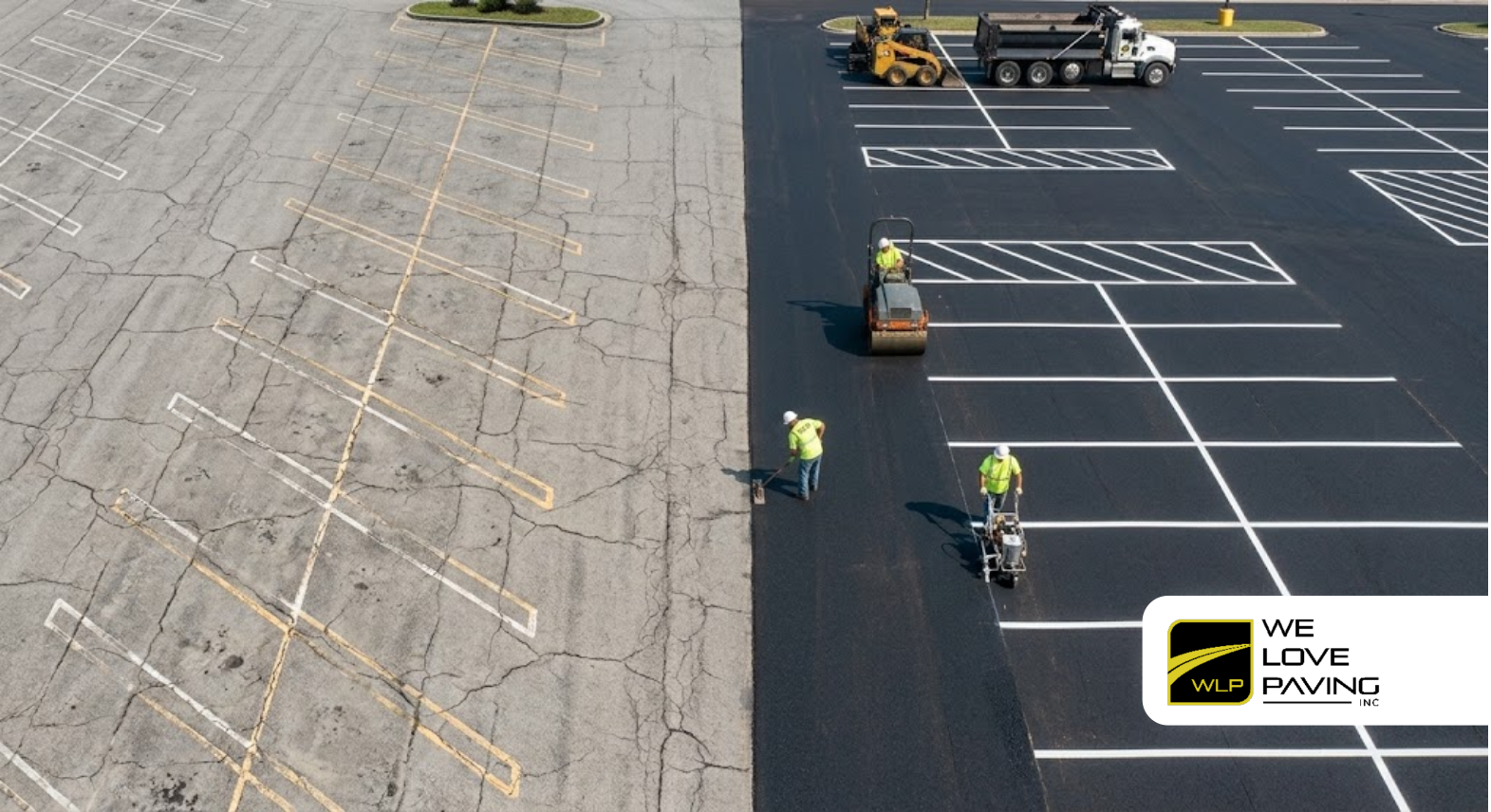
  • Restores the rich black color of asphalt, enhancing curb appeal.

  • Extends the lifespan of pavement by protecting it from the elements.

  • Cost-effective for maintaining asphalt and preventing more extensive damage.

  • Provides a smoother surface for vehicles and pedestrians.


What Is Repaving?

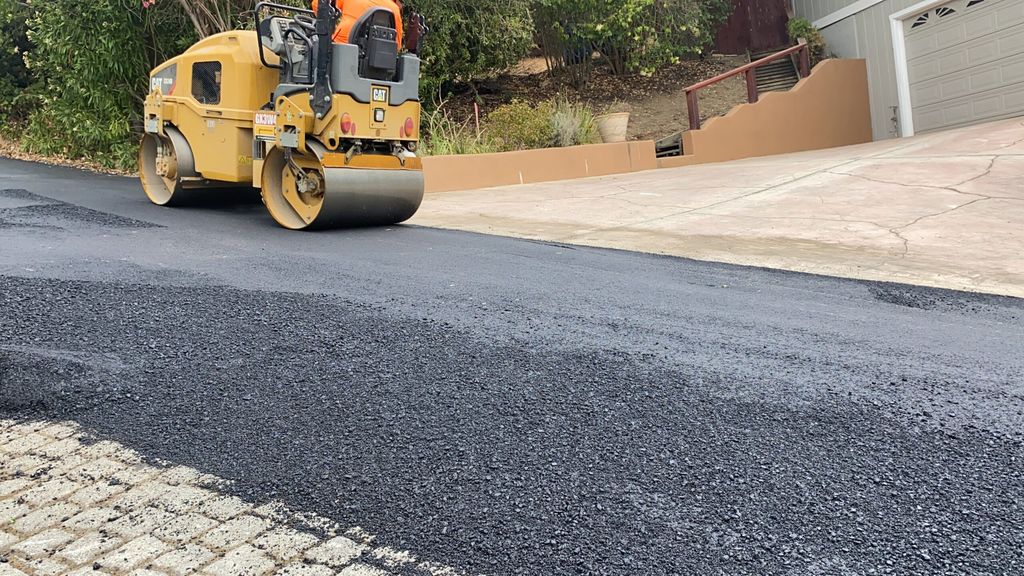
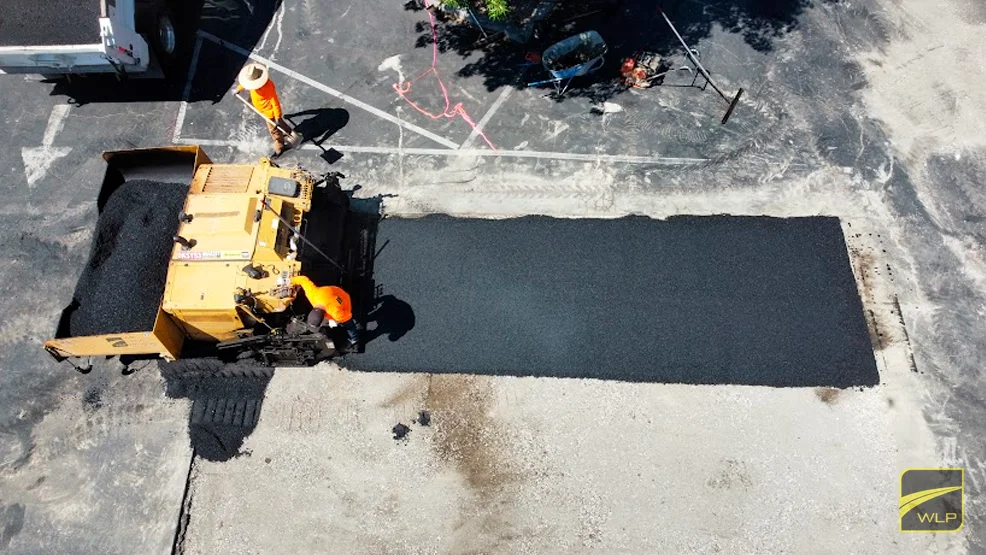
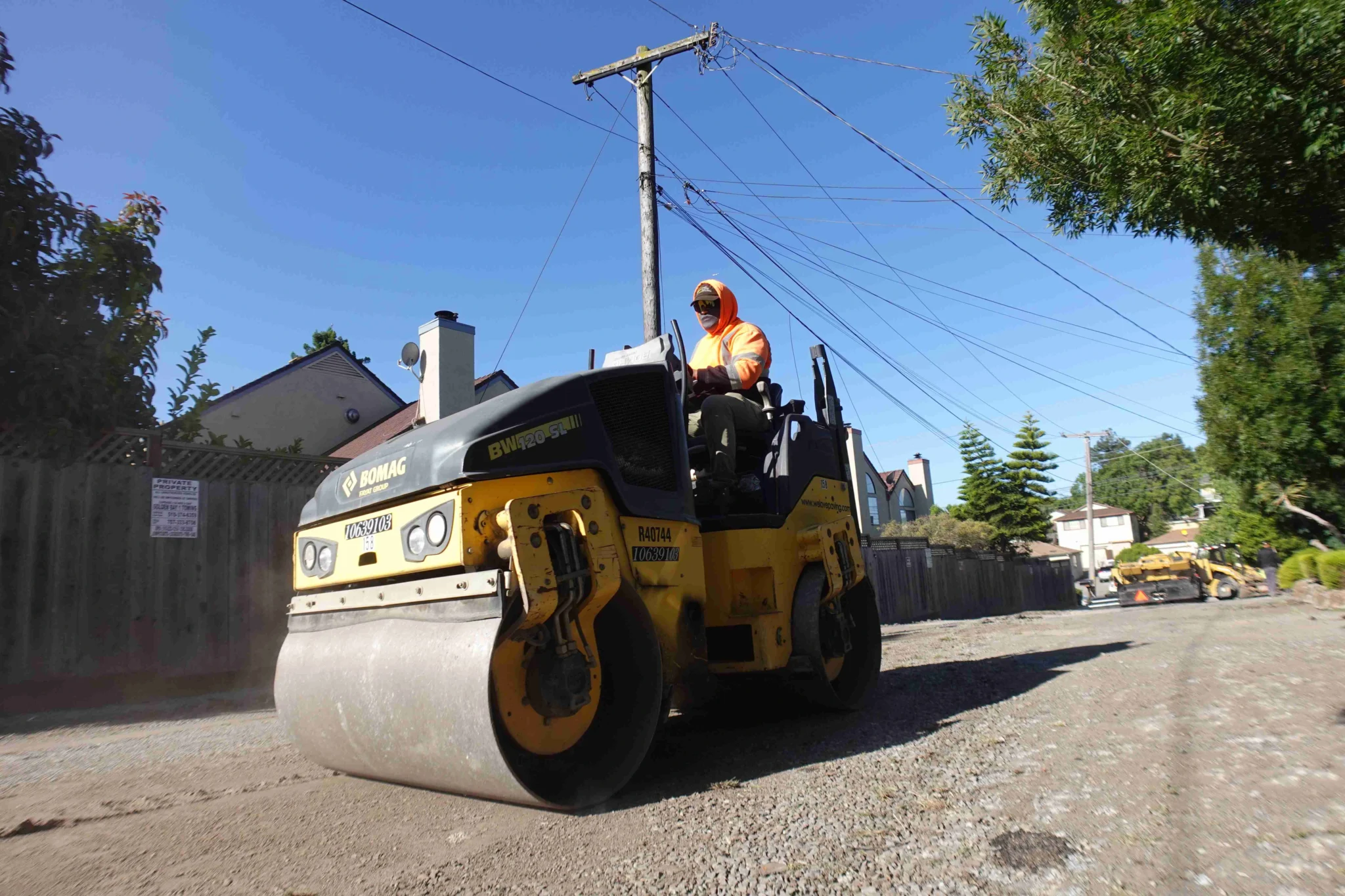
Re-paving, or resurfacing, involves removing and replacing the top layer of asphalt. It’s a more intensive process than seal coating and is typically chosen when the pavement has significant damage or structural issues.

When to Consider Repaving:

  • Extensive Cracking: Large or interconnected cracks (alligator cracking) often indicate underlying structural damage.

  • Potholes: If your pavement has multiple potholes, patching alone may not be sufficient, and repaving could be the best solution.

  • Drainage Issues: Poor grading or drainage problems that lead to standing water can often be corrected during the repaving process.

  • Age: Asphalt pavements older than 15-20 years may require repaving to restore their functionality and appearance.

Benefits of Repaving:

  • Addresses underlying structural problems, not just surface issues.

  • Creates a brand-new surface, improving durability and aesthetics.

  • Increases the value of your property by offering a safer, more appealing environment.

How to Decide: Seal Coating or Repaving?

The decision often comes down to the condition of your pavement and your budget. Here’s a breakdown to help you make the right choice:

  1. Inspect the Pavement:

    • Look for visible signs of wear such as cracks, discoloration, and potholes.

    • Assess whether the damage is superficial or structural.

  2. Consider the Age of the Pavement:

    • Pavements under 5 years old generally benefit from seal coating.

    • Pavements older than 15 years often require repaving.

  3. Factor in Your Budget:

    • Seal coating is more affordable and effective for maintaining asphalt that is in relatively good condition.

    • Repaving is a larger investment but addresses long-term problems and extends the lifespan of the pavement.

  4. Evaluate Usage and Traffic:

    • High-traffic areas may require repaving sooner due to accelerated wear and tear.

    • Low-traffic areas can often be maintained with regular seal coating.

  5. Consult a Professional:

    • If you’re unsure about the condition of your pavement, consult a paving expert. They can provide an assessment and recommend the best course of action.


Proactive Maintenance: A Balanced Approach

For optimal pavement health, many property owners adopt a proactive maintenance plan that combines both methods. Here’s how:

  • Regular Seal Coating: Apply seal coating every 2-3 years to protect the surface and delay the need for repaving.

  • Timely Repairs: Address small cracks and potholes as they appear to prevent further deterioration.

  • Periodic Repaving: Schedule repaving every 15-20 years, or as needed, to maintain a safe and attractive surface.


Conclusion

Seal coating and repaving are both essential tools for asphalt pavement maintenance, each serving different purposes. Seal coating is ideal for extending the life of relatively healthy pavement, while repaving is the best solution for addressing significant damage and structural issues. By assessing the condition of your pavement and consulting with professionals like WELOVEPAVING, you can choose the right option and protect your investment for years to come.

Need Immediate Help?

Let's Talk About Your Project

Don't wait until minor damage turns into major expenses. Our team of experts is ready to provide you with guaranteed solutions. Contact us now for direct advice from a professional.

Frequently Asked Questions (FAQ)

Got Questions? Find Your Answers Here!!

When should I choose seal coating over repaving?

We recommend seal coating for asphalt in good structural condition that only shows minor surface wear or fading. It is a preventative maintenance step designed to shield the binder from UV rays and water. If your pavement is less than 5 years old or has minor cracks under 1/4 inch, seal coating is the most cost-effective way to extend its lifespan by 3 to 5 years. This process creates an impermeable barrier that prevents water from reaching the base, which is the primary cause of structural failure.

What are the main signs that my driveway needs repaving?

Repaving is necessary when we see deep "alligator" cracking, large potholes, or significant drainage issues where water pools. These symptoms indicate that the underlying foundation has failed and surface treatments will no longer suffice. Replacing the top layer or the entire base restores structural integrity that a simple seal cannot provide. Pavements older than 15 to 20 years typically require a full repave to ensure safety and prevent recurring repair costs.

How often do experts recommend seal coating asphalt?

For maximum protection, we suggest applying a fresh seal coat every 2 to 3 years depending on local traffic volume and weather exposure. Regular application prevents the asphalt from becoming brittle and gray through oxidation. Waiting too long allows water to seep into the sub-base, leading to expensive foundational repairs. Applying seal coating at 50°F (10°C) or higher ensures the material bonds correctly to the surface for long-term durability.

Is seal coating a permanent fix for asphalt cracks?

No, seal coating is a protective surface layer, not a structural repair for existing deep cracks or potholes. While it fills very small surface voids, larger cracks must be professionally filled before the sealant is applied to prevent them from "reflecting" through the new coat. Using a specialized crack filler in conjunction with a seal coat can extend the pavement's life by up to 10 years by preventing moisture from expanding during freeze-thaw cycles.

Does seal coating or repaving add more property value?

While repaving provides the highest ROI by offering a brand-new 20-year lifespan, seal coating is the most efficient way to maintain curb appeal on a budget. A dark, freshly sealed surface instantly improves the perceived value of a property and suggests proactive maintenance to potential buyers. Properties with a consistent maintenance plan, including biennial sealing, often see a significant reduction in long-term capital expenditure compared to those requiring emergency total reconstruction.

Professional customer review project by We Love Paving in Northern California, California. Verified local construction quality.

Fred / Founder

Fred, Founder and Regional Operations Manager at We Love Paving, comes from a family that values hard work and discipline. Growing up watching his parents work long hours with integrity and dedication, Fred learned early on that quality paving isn’t just about asphalt, it’s about consistency, accountability, and doing the job right.

Share

Posts That Might Interest You

What is Driveway Resurfacing? Expert Technical Guide to Asphalt Overlay and When to Use It

What is Driveway Resurfacing? Expert Technical Guide to Asphalt Overlay and When to Use It

April 15, 2026

THE BENEFITS OF RESURFACING In the world of driveway maintenance and improvement, asphalt resurfacing has emerged as a popular and effective solution. As time passes, even the most durable asphalt driveways can succumb to wear and tear, displaying cracks, potholes, and a worn-out appearance. However, instead of tearing up the entire driveway and starting from

Paving Technical Audit: Cost of Driveway Analysis

Paving Technical Audit: Cost of Driveway Analysis

April 14, 2026

A COMPREHENSIVE GUIDE FOR HOMEOWNERS Paving a driveway is a substantial undertaking for any homeowner. Beyond just enhancing curb appeal, it adds value and utility to the property. However, before diving into such a project, it’s crucial to grasp the diverse factors influencing the overall cost. This guide explores these elements, offering insights to empower

Why is Asphalt So Expensive? A 2026 Audit of Paving Costs and Market Dynamics

Why is Asphalt So Expensive? A 2026 Audit of Paving Costs and Market Dynamics

April 2, 2026

Paving costs have experienced a significant upward trend in recent years, leaving property owners questioning the reasons behind this surge. In this detailed exploration, we delve into the multifaceted factors contributing to the escalating costs of paving in 2026 and beyond. Material Costs and Market Dynamics The cornerstone of any paving project lies in its

What is the Square Foot Price for Asphalt?

What is the Square Foot Price for Asphalt?

April 2, 2026

Asphalt is a popular paving material used for driveways, parking lots, and roads due to its durability, affordability, and ease of installation. However, the cost of asphalt can vary significantly depending on several factors. In this blog post, we will explore the factors that influence the square foot price of asphalt, typical price ranges, and

Next

Estimation Tools

Calculate costs in seconds

Fast, accurate estimates that help you close more jobs. Less guesswork, more profit.