Pavement is a vital component of both commercial and residential properties. Whether it’s a parking lot, driveway, or a roadway, keeping it in good condition is essential for safety, aesthetics, and cost management. Unfortunately, many property owners overlook early signs of pavement damage, leading to costly repairs down the line. The good news? By learning how to spot and address issues early, you can save significant time and money. Here’s how.
Common Types of Pavement Damage
Understanding the different types of damage is the first step in addressing them. Here are the most common issues:
- Cracking:
- Cracking: Linear cracks stem from thermal expansion, while block cracks form large rectangles due to binder shrinkage. Alligator cracking indicates deep structural failures.
- Potholes: Deep depressions caused by water weakening the lower pavement layers under structural traffic loads.
- Depressions: Sunken zones where water pools, signaling that the underlying soil or what you lay what you lay under asphalt has settled unevenly.
- Potholes: Depressions or holes in the pavement caused by water infiltration and repeated traffic loading.
- Raveling: The loss of aggregate material from the surface, making it look rough or uneven.
- Depressions: Sunken areas that may collect water, often caused by a weak subgrade.
- Edge Damage: Crumbling or cracking along the edges of pavement, usually due to insufficient support or erosion.
- Drainage Issues: Standing water can lead to accelerated deterioration and structural weakening.
Warning Signs to Watch For
To prevent damage from escalating, it’s important to regularly inspect your pavement. Look for these warning signs:
- Surface Cracks: Small cracks may not seem like a big deal, but they’re often the first sign of wear and tear. If left untreated, they can expand and compromise the structural integrity.
- Pooling Water: After rain, check for areas where water pools or drains slowly. Poor drainage can erode the base layer and lead to potholes or cracks.
- Fading Color: UV rays and oxidation can cause the pavement’s surface to fade. This is a sign that the binder holding the aggregate together is weakening, increasing the risk of raveling and cracking.
- Rough or Uneven Surface: A surface that feels bumpy or uneven could indicate raveling or subgrade problems. Both require immediate attention to prevent further damage.
- Visible Potholes: Potholes start small but grow quickly. Early repair is critical to prevent accidents and more expensive fixes.
- Loose Debris: If you notice small pieces of pavement breaking off, it’s a sign that the surface is deteriorating.
Why Early Detection Matters
Spotting pavement damage early can save property owners thousands of dollars in repairs. Here’s why:
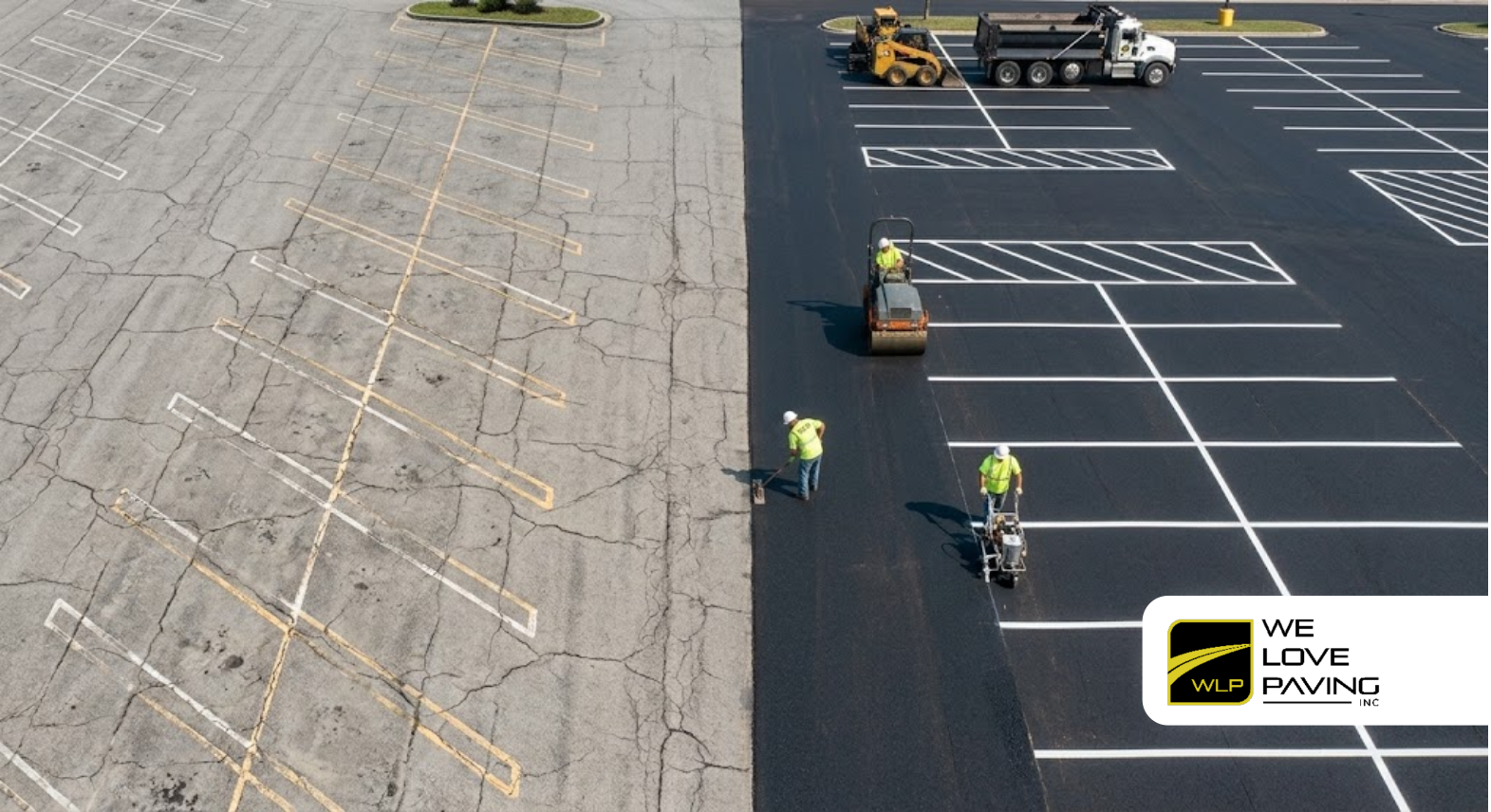
- Cost Efficiency: Small repairs, like filling cracks or seal coating, are much cheaper than full-depth repairs or repaving.
- Safety: Damaged pavement can lead to trips, falls, and vehicle damage, exposing you to liability risks.
- Longevity: Addressing minor issues promptly extends the overall life of your pavement, delaying costly replacements.
- Aesthetics: Well-maintained pavement boosts curb appeal and leaves a positive impression on visitors or customers.
Steps to Take When You Spot Damage
If you’ve identified early signs of damage, take these steps to address them:
- Assess the Severity: Determine if the deterioration is confined to the surface aggregate or if the base layer is compromised.
- Schedule Maintenance: Addressing small fissures early prevents water intrusion. Implementing timely fixes for pavement problems prevents extensive deterioration.
- Improve Drainage: Regrade low spots or install French drains to redirect runoff away from asphalt edges.
- Consult Professionals: For larger issues like potholes or extensive cracking, hire a paving contractor. They can assess the root cause and recommend the best course of action.
- Plan for Long-Term Upkeep: Develop a maintenance schedule that includes regular inspections, seal coating every few years, and prompt repair of any damage.
Advanced Evaluation: Climate, Compliance, and the Repair vs. Replace Rule
Understanding pavement damage requires looking beyond the surface. Factors such as local weather, legal liabilities, and underlying structural integrity should dictate your maintenance decisions.
- The Impact of Local Climate and Thermal Cycles: Weather plays a relentless role in asphalt deterioration. In regions prone to cold winters, water infiltration combined with freeze-thaw cycles forces microscopic cracks to expand into severe potholes. Conversely, extreme heat can soften asphalt, making it susceptible to rutting under heavy traffic loads. Protecting your surface against local elements is vital
. - Safety Standards and ADA Compliance: Ignoring pavement damage isn’t just an aesthetic issue; it’s a massive legal liability. Cracks with vertical displacement greater than 1/4 inch or deep potholes create severe trip hazards. For commercial properties, this can lead to costly premises liability lawsuits and violations of accessibility standards (such as the ADA). Maintaining a level, uniform surface protects both your visitors and your bottom line.
Asphalt Distress Severity Matrix - The 25% Rule: When to Repair vs. When to Repave One of the toughest decisions for property owners is knowing when a simple patch will do and when full repaving is necessary. As an industry standard, rely on the 25-30% Rule:
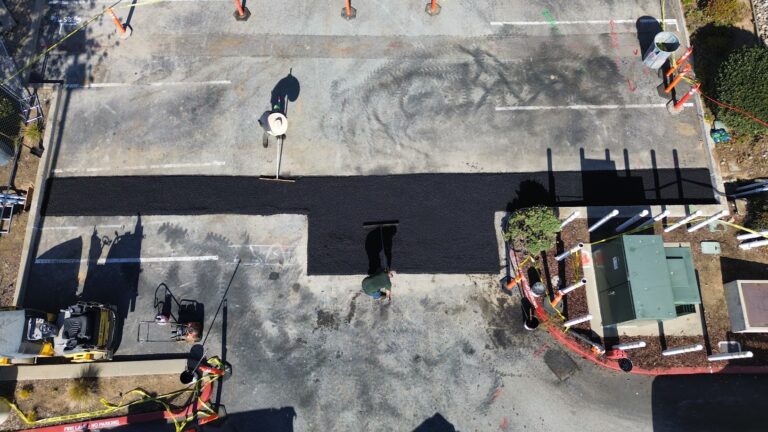
- When to Repair: If the damage (linear cracks, minor potholes) covers less than 25% of the total surface area, localized treatments are the most cost-effective route. Using a hot rubberized crack sealant or applying surface patches will significantly extend the pavement’s lifespan.
- When to Replace (Repave): If structural failures like widespread alligator cracking exceed 30% of the total area, localized patches fail to deliver lasting results. In these situations, milling the damaged surface layers and applying professional asphalt paving guarantees long-term compliance and structural safety for high-traffic environments.
To protect your property from liabilities, pavement failures must be classified by their physical dimensions. According to standard asphalt maintenance practices, crack width and vertical displacement determine whether a defect requires cosmetic maintenance or immediate structural rehabilitation:
| Variable | Low Severity | Moderate Severity | High Severity (ADA Risk) |
|---|---|---|---|
| Crack Width | Less than 1/4 inch | 1/4 inch to 1/2 inch | Greater than 1/2 inch |
| Vertical Lip | Under 1/8 inch | 1/8 inch to 1/4 inch | Exceeds 1/4 inch (Tripping Hazard) |
| Required Action | Sealcoating / Crack Filling | Patching / Infrared Repair | Milling & Structural Overlay |
The geological landscape of Northern California introduces unique challenges to pavement durability. In the Santa Clara County and Silicon Valley areas, properties sit on highly expansive clay soils, often referred to as local adobe soils. These clay subgrades undergo extreme volumetric changes during wet winters and dry summer months. When water infiltrates unsealed surface cracks, the clay swells underneath the asphalt, generating significant upward pressure. As the dry season returns, the soil shrinks, leaving structural voids that cause the unsupported asphalt above to collapse into severe block cracking and deep depressions.
Preventative Tips for Maintaining Pavement
Preventative maintenance is key to avoiding costly repairs. Here are some tips:
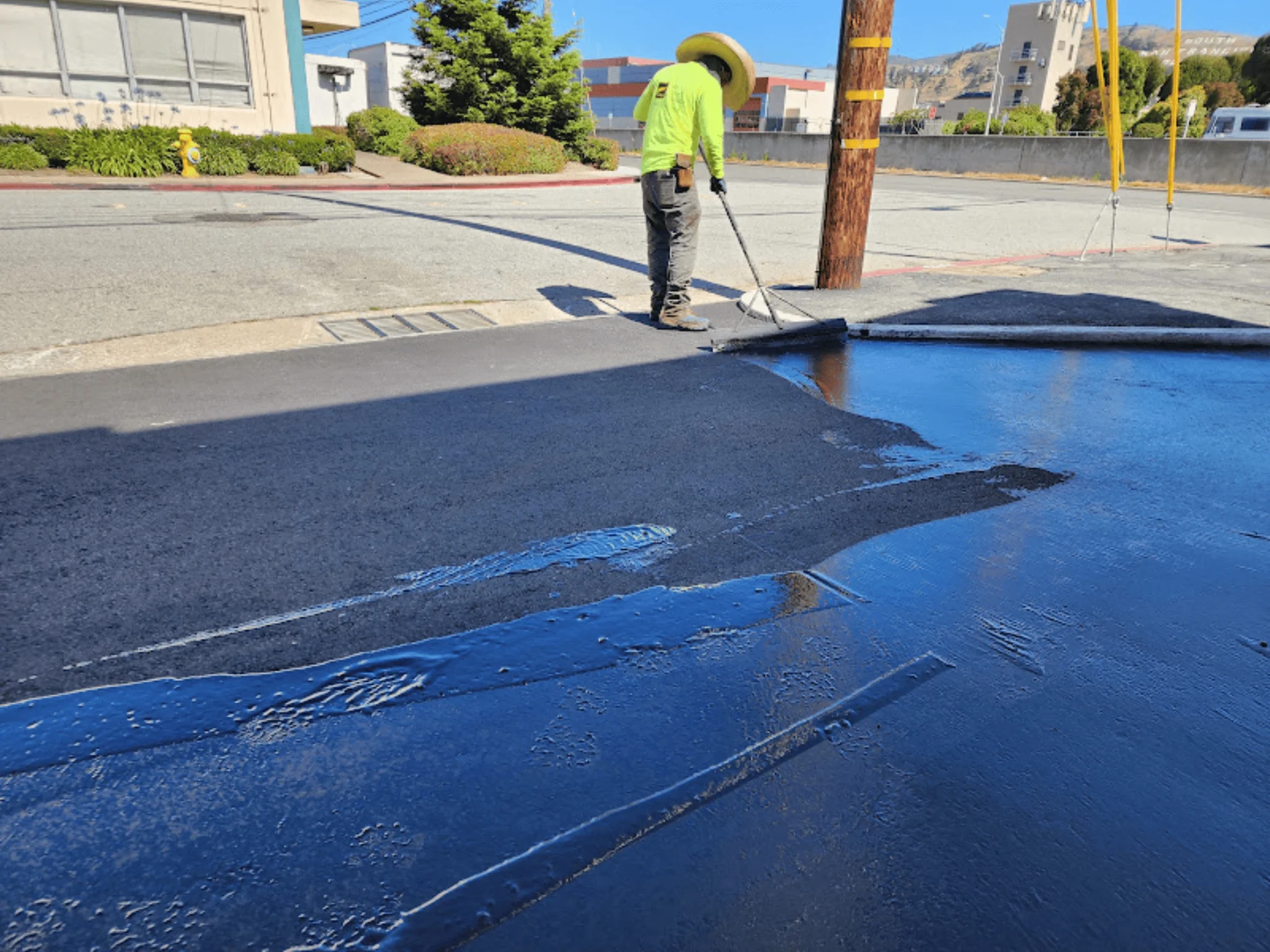
- Seal Coating: Protects the surface from UV rays, water, and chemicals.
- Regular Cleaning: Removes debris, oil, and other contaminants that can degrade the surface.
- Prompt Repairs: Address small cracks and potholes immediately.
- Proper Installation: Ensure your pavement is installed with a strong base and adequate drainage to prevent future issues.
Protecting Your Infrastructure Investment
Pavement wear is inevitable, but catching defects early keeps expenses manageable. Regular physical checks, rapid crack sealing, and structured asset management plans protect your budget while keeping surfaces structurally sound. When local soil shifts or traffic wear creates complex damage patterns, partnering with the team at We Love Paving ensures long-term durability. Addressing minor surface changes today eliminates structural emergency outlays tomorrow.