A property can look maintained from the street while still carrying pavement hazards that create daily risk. A visitor may not notice the overall age of the asphalt, but they will notice the broken edge near the crosswalk. A tenant may ignore faded pavement until delivery trucks start cutting across unclear lanes. A resident may not care about surface oxidation, but they may complain when water collects where people step out of parked cars.
Pavement hazards liability is not something property owners should approach with panic or legal guesswork. This article is not legal advice and does not determine whether a property is liable for any specific incident. The practical point is narrower: pavement conditions can affect how people walk, park, drive, unload, and move through a site. When hazards are visible, recurring, or poorly documented, they deserve structured attention.
The strongest approach is not to claim a property is “liability-free.” That is unrealistic. The smarter approach is to identify hazards early, rank them by consequence, document what is changing, and correct the conditions that can reasonably be addressed.
Liability Risk Often Starts With Ordinary Pavement Wear
Most pavement-related risk does not begin with a dramatic failure. It often begins with small conditions that stay in place long enough to become normal.
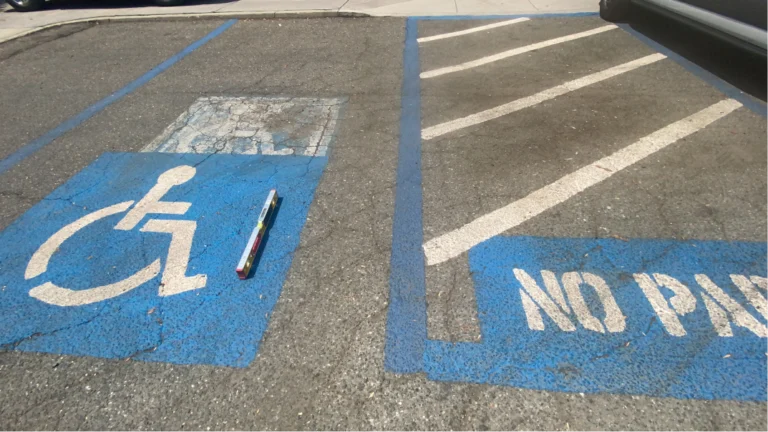
A sidewalk panel rises slightly near the entrance. A pothole opens at the edge of a drive aisle. A patched area settles after rain. A wheel stop shifts out of alignment. Striping fades until drivers no longer respect the access aisle. Water collects at the same low curb every time irrigation runs.
None of these conditions automatically proves legal liability. That is a legal question. But each condition can affect site usability, and each one can become harder to defend operationally if the owner has no inspection routine, no repair history, and no clear prioritization.
The field issue is simple: if people use the area every day, the pavement condition matters more. A rough patch in a remote corner may be monitored. A similar defect at the front entrance, near a pedestrian route, or beside accessible parking deserves faster review.
That is why owners should not only ask, “Is the pavement damaged?” They should ask, “Who uses this area, how often, and what happens if the condition gets worse?”
Trip Hazards Deserve a Different Level of Attention
Trip-prone conditions are easy to underestimate because they are often small in height or surface area. The problem is that people encounter them while walking, carrying bags, pushing carts, using mobility devices, stepping out of vehicles, or moving between parked cars.
Common pavement and concrete conditions that deserve review include uneven transitions between asphalt and concrete, raised edges near tree roots, cracked sidewalk panels, depressed pavement near curb ramps, and patch seams that create abrupt surface changes. At night or in shaded areas, these conditions may be harder to see.
A site walk should pay close attention to entrance paths, pedestrian crossings, mailbox clusters, clubhouse routes, storefront approaches, and the walking path from parking to the building. If the surface changes underfoot where people naturally walk, it should not be dismissed as a minor cosmetic issue.
When pedestrian surfaces are uneven, damaged, or breaking apart, sidewalk repair may be part of the maintenance conversation. The key is to avoid treating walking surfaces as secondary just because vehicles are not driving over them.
Some Hazards Are Created by Confusing Site Movement
Not every pavement hazard is a crack or pothole. Some risks come from unclear movement.
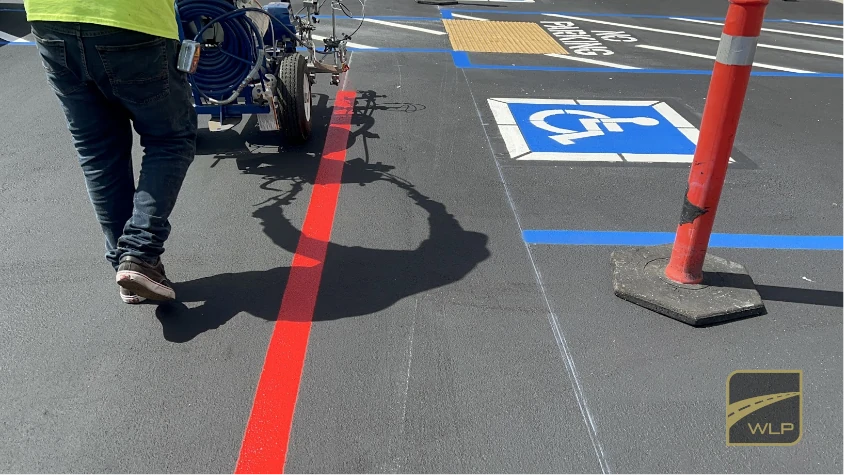
A parking lot with faded arrows, missing stop bars, worn crosswalks, damaged signs, or unclear lane edges can make drivers behave unpredictably. A delivery vehicle may turn across pedestrian paths. Customers may park over faded access aisles. Drivers may cut through open areas because the intended route is no longer obvious.
This is where hazard visibility matters. Clear markings and signs do not eliminate risk, but they help users understand how the site is supposed to work. When a property is under repair, has temporary closures, or contains known surface problems waiting for correction, parking lot warning signs can support better communication until permanent work is completed.
Damaged wheel stops are another overlooked issue. A loose stop can become a tripping point. A misaligned stop can interfere with accessible space use or create awkward vehicle positioning. A missing stop may allow vehicles to overhang pedestrian paths or landscape edges. When stops are part of the traffic and parking layout, parking stop installation should be handled as a placement and usability decision, not just a hardware task.
Rank Hazards by Consequence, Not Appearance
The most visible defect is not always the most important one.
A large crack in an unused back row may be less urgent than a smaller edge failure near the main entrance. A shallow depression in a delivery lane may deserve more attention than a rough surface in overflow parking. Standing water in an access aisle may carry more practical concern than surface fading in a remote stall.
A useful risk-priority review can be organized this way:
| Pavement Condition | Where It Becomes More Serious | Why It Deserves Review |
|---|---|---|
| Uneven transition | Entrances, sidewalks, curb ramps | People encounter it while walking or using mobility devices |
| Pothole | Drive aisles, pickup zones, loading areas | Vehicles and pedestrians may react unpredictably |
| Standing water | Parking stalls, access aisles, walking routes | Water can hide surface defects and accelerate deterioration |
| Faded markings | Crosswalks, entrances, accessible areas | Users may not understand intended movement |
| Loose wheel stop | Pedestrian edges, front stalls, accessible parking | It can shift, obstruct, or create a tripping point |
| Repeated patch failure | High-use lanes, drainage areas | The visible repair may not be addressing the cause |
This approach prevents overreacting to every imperfection while still taking high-use hazards seriously. It also helps owners document why one area was repaired immediately while another was monitored or scheduled for later work.
Documentation Matters Before There Is a Claim
Many properties do some maintenance but fail to document it well. That is a weak position.
A pavement log does not need to be complicated. It should show what was observed, where it was located, when it was reviewed, whether photos were taken, what action was planned, and whether the condition changed. The point is not to create paperwork for its own sake. The point is to make decisions traceable.
Good documentation can include dated photos from the same angle, notes after heavy rain, repair proposals, completed work records, temporary closure notices, and follow-up inspections after repairs. If a patch keeps cracking around the edges, the record should show that the owner noticed the pattern and evaluated the next step. If water keeps pooling near the same curb, the record should not treat each complaint as a brand-new surprise.
Owners who want a broader visual maintenance routine can use resources that help them spot pavement damage before defects become more disruptive. For liability-related planning, the value is not just seeing the damage. It is proving that the property has a repeatable process for noticing and responding to it.
High-Consequence Areas Need Faster Review
Some pavement zones carry more operational risk because of who uses them or what function they support.
Medical facilities, senior living communities, schools, retail entrances, loading zones, and emergency access areas should not be ranked only by square footage. A small pavement defect in a high-consequence area may deserve faster attention than a larger defect in a low-use section.
For example, an access lane serving a clinic or urgent-care property may need priority because patients, staff, deliveries, and emergency vehicles depend on predictable movement. That is why emergency lane repair belongs in a different category than routine back-lot maintenance.
The same principle applies to storefront pedestrian routes, HOA mailbox areas, school pickup zones, hotel entrances, and service drives used by heavy vehicles. If a pavement defect affects daily movement or creates confusion at a critical point, waiting for a larger annual paving project may be poor sequencing.
Repairs Should Address the Cause, Not Only the Visible Hazard
A hazard that keeps returning is rarely just a surface problem.
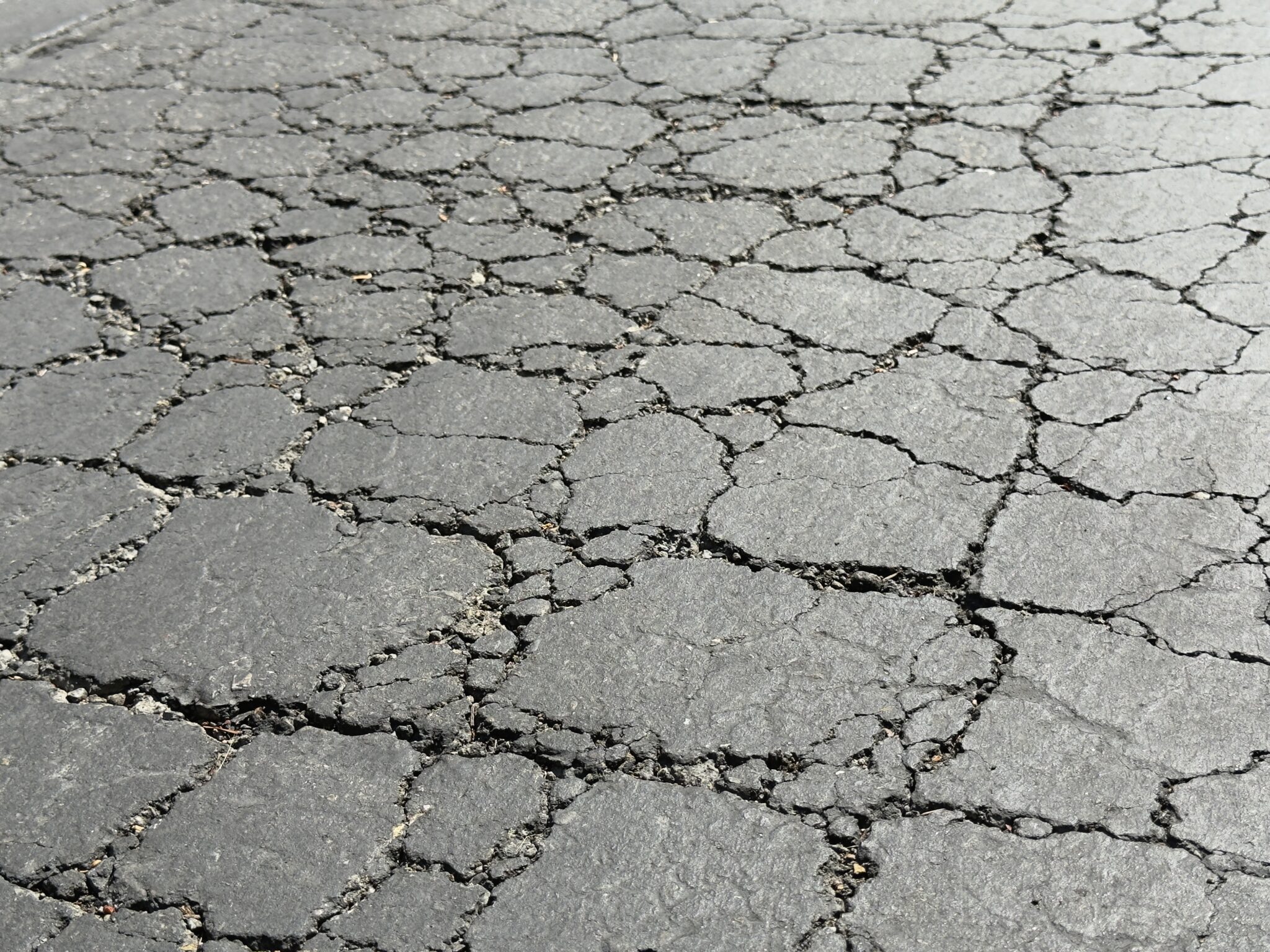
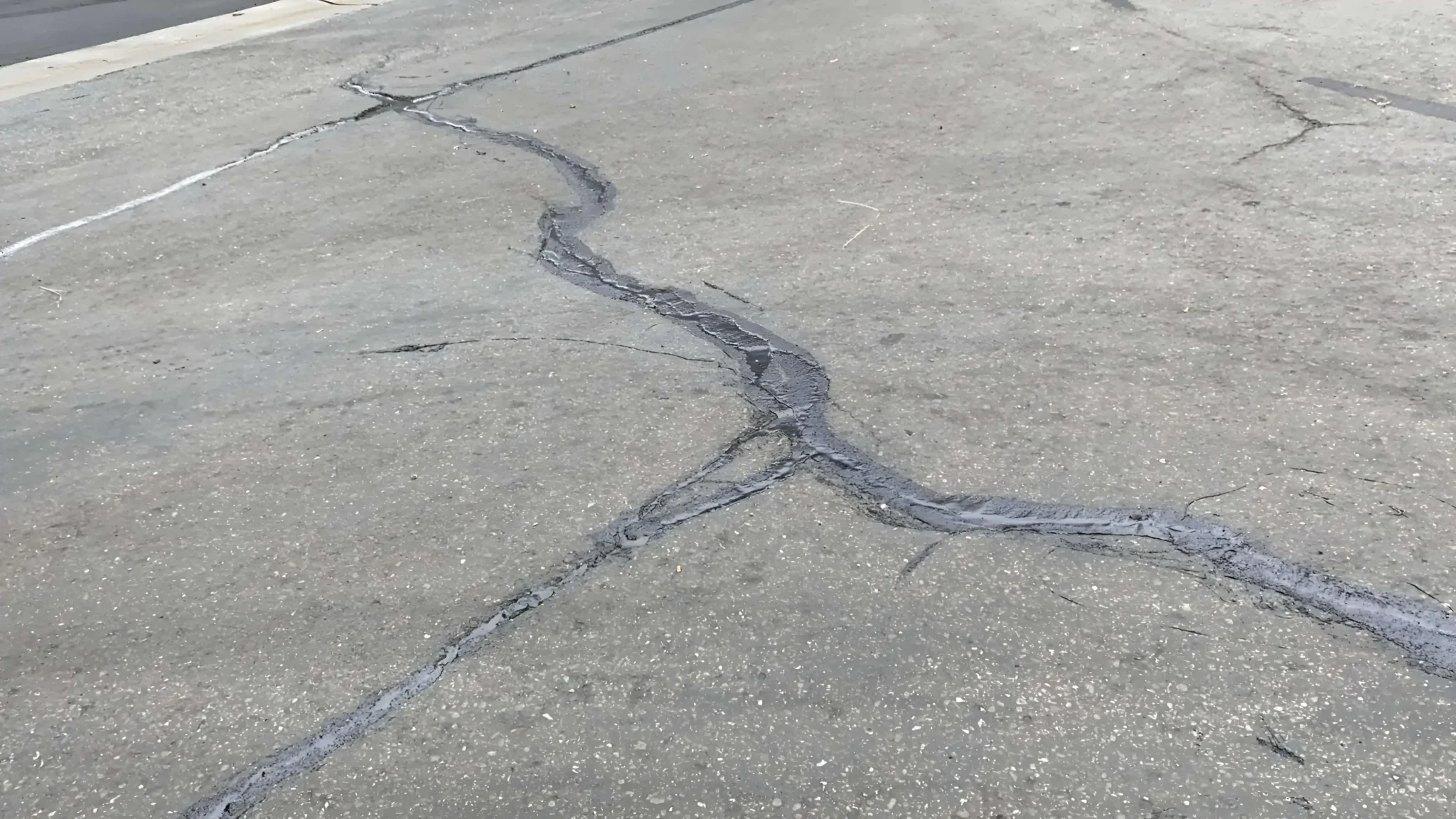
If a pothole opens in the same location after repair, traffic load, water intrusion, base weakness, or poor edge support may be involved. If a crack reappears around a patch, the surrounding pavement may still be moving. If water collects after every storm, the surface defect may be connected to grade or drainage.
Treating the visible symptom may reduce the immediate concern, but it may not control the long-term risk. That is where planning and field review matter.
A property owner does not need to become an engineer. But the owner should expect a paving partner to explain whether the proposed work is temporary stabilization, localized repair, surface correction, or a deeper fix. Vague repair language makes it harder to understand what risk remains after the work is complete.
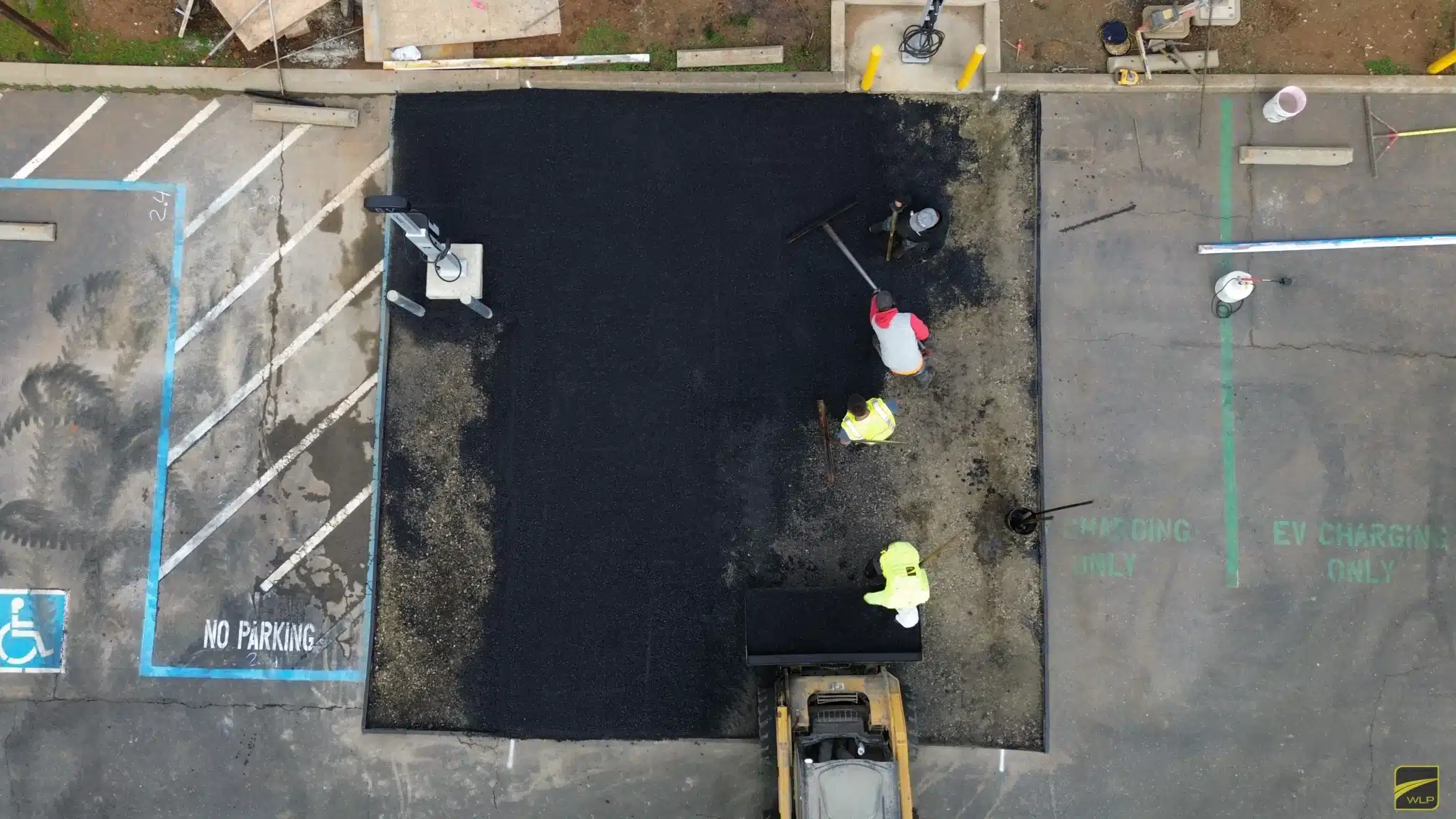
During active work, site planning also matters. Temporary routes, cones, closed areas, staging, and worker movement can create their own hazards if they are poorly communicated. Broader paving safety practices can help owners think about access and coordination before the job begins.
Building a Safer Pavement Review Process With We Love Paving
Pavement hazards liability is best handled through routine attention, not fear-driven reaction. The properties that manage risk better are usually the ones that inspect consistently, rank defects by consequence, document decisions, and repair hazards before they become part of daily use.
We Love Paving helps property owners, HOAs, facility teams, and managers evaluate pavement conditions through a practical site-use lens. That means looking at where people walk, where cars turn, where water collects, where markings have faded, where repairs keep failing, and where a small defect could create a larger operational problem.
No paving contractor can promise a liability-free property. What a serious paving partner can do is help make pavement conditions more visible, more documented, and easier to prioritize before they become expensive surprises.