How to Ensure ADA Compliance in Construction Projects

We Love Paving services in Pleasanton. Professional paving contractor serving Pleasanton and Stanford areas.
Estimation Tools

Calculate costs in seconds

Fast, accurate estimates that help you close more jobs. Less guesswork, more profit.

The Americans with Disabilities Act (ADA) is a landmark piece of legislation designed to ensure that individuals with disabilities have equal access to public spaces, businesses, and facilities. For construction projects, adhering to ADA guidelines is not just a legal obligation but a demonstration of inclusivity and forward-thinking design. Failing to comply can lead to costly lawsuits, fines, and damage to your business’s reputation. In this blog, we’ll break down the key steps to ensure your construction projects meet ADA requirements and how partnering with experts like WELOVEPAVING can make compliance seamless.

What is ADA Compliance in Construction?

ADA compliance in construction means designing and building spaces that are accessible to everyone, including individuals with mobility challenges, visual impairments, or other disabilities. This involves adhering to specific guidelines set by the ADA Standards for Accessible Design, covering aspects such as:

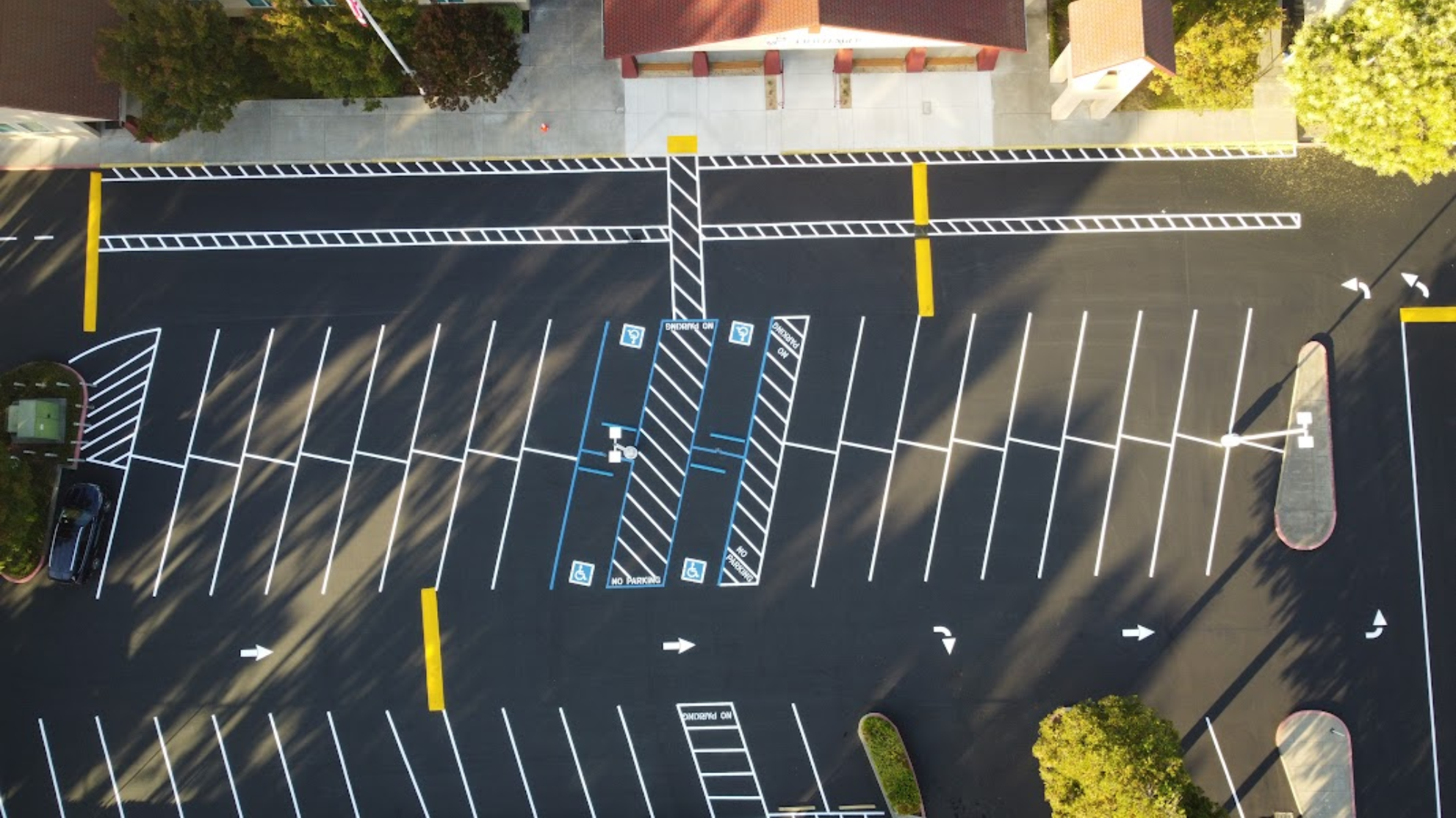
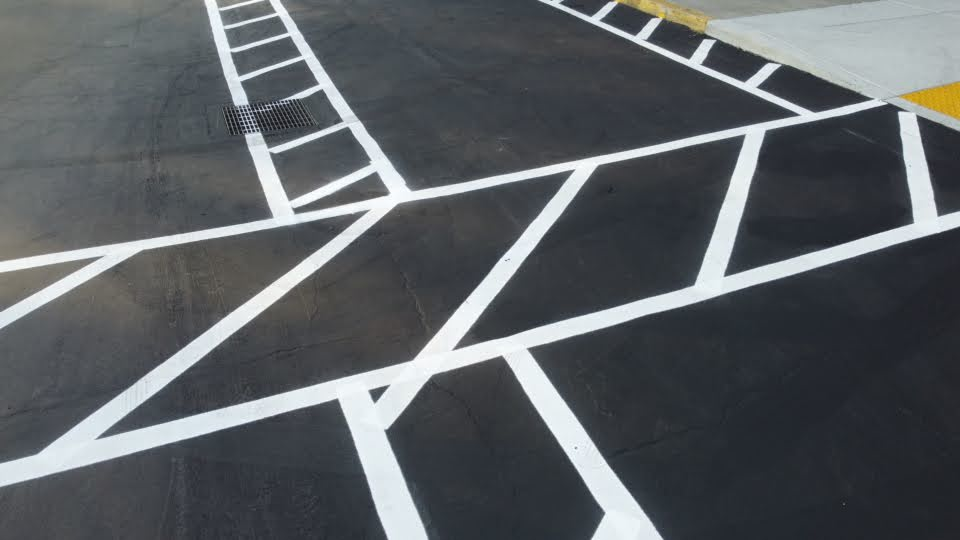
  • Parking lots: Accessible parking spaces, proper signage, and compliant slopes.

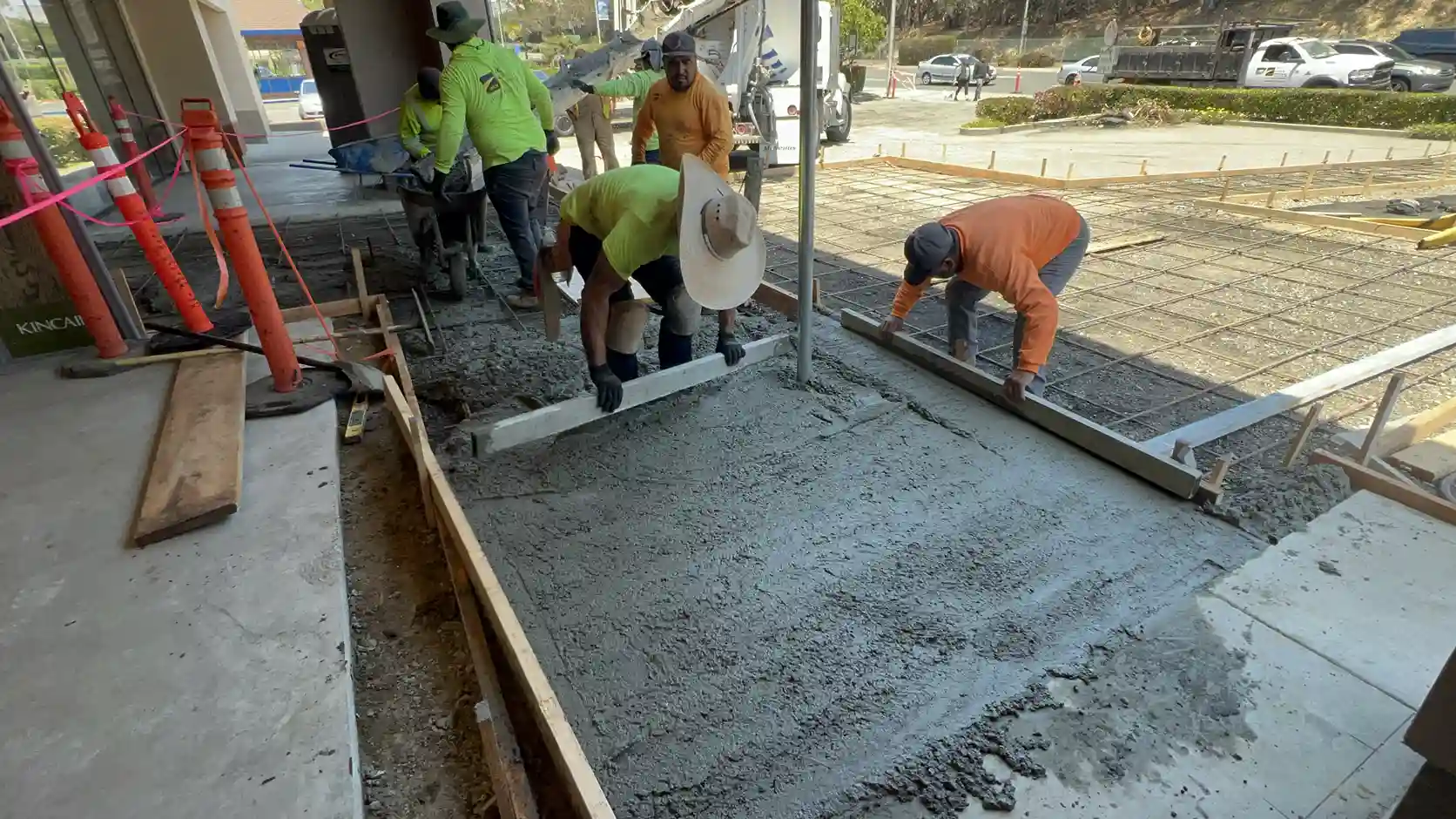
  • Ramps and pathways: Appropriate width, gradient, and handrails for ease of access.

  • Restrooms: Features like grab bars, accessible sinks, and appropriate stall sizes.

  • Entrances and doorways: Ensuring they are wide enough and free of barriers.

Key Steps to Ensure ADA Compliance

  1. Understand ADA Standards Early Incorporate ADA guidelines into your project planning phase. Familiarize yourself with local and federal regulations to ensure compliance from the start. Common resources include the ADA Standards for Accessible Design and local building codes.

  2. Conduct a Site Assessment Before starting any construction or renovation project, perform a thorough assessment of the site to identify potential accessibility issues. This helps prioritize upgrades and ensures your design aligns with ADA requirements.

  3. Design for Accessibility Collaborate with architects and engineers who have experience with ADA compliance. Include features like accessible parking spaces, smooth pathways, and compliant entry points in your plans.

  4. Hire Specialists in ADA Compliance Partnering with professionals who specialize in ADA compliance, such as WELOVEPAVING, ensures every aspect of your project meets the required standards. From paving and seal coating to creating accessible pathways, experienced contractors understand the nuances of compliance.

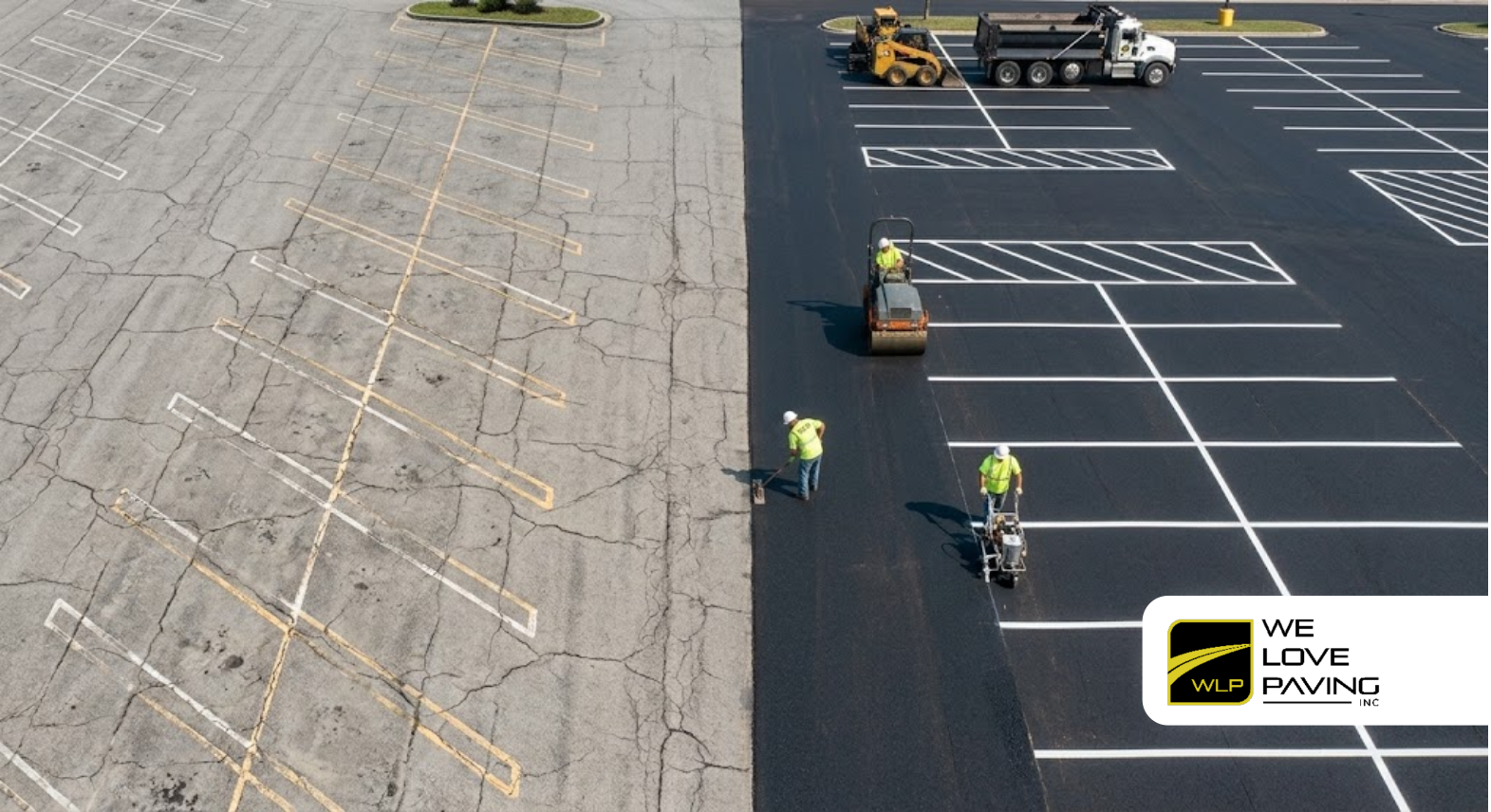
  5. Use Quality Materials High-quality materials can make a significant difference in maintaining ADA compliance over time. For example, durable paving materials reduce the risk of cracks or uneven surfaces that could create accessibility issues.

  6. Train Your Team Ensure that everyone involved in the construction process understands ADA requirements. Regular training sessions can help avoid costly mistakes during implementation.

  7. Conduct Final Inspections Before opening your facility, conduct a thorough inspection to verify compliance. This step can prevent costly retrofits and ensure your project passes accessibility audits.

Common ADA Mistakes to Avoid

  • Improper Slopes in Parking Lots: Slopes exceeding 2% can make spaces inaccessible for wheelchair users.

  • Missing or Incorrect Signage: Lack of proper signage for accessible parking or pathways can lead to non-compliance.

  • Narrow Doorways: Doors less than 32 inches wide can hinder accessibility.

  • Non-Compliant Ramps: Ramps with steep gradients or no handrails fail to meet ADA standards.

Benefits of ADA Compliance

  • Legal Protection: Avoid lawsuits and fines by adhering to the law.

  • Broader Customer Base: Accessible spaces attract more customers, including individuals with disabilities and their families.

  • Enhanced Reputation: Demonstrating a commitment to inclusivity can boost your business’s public image.

How WELOVEPAVING Can Help

At WELOVEPAVING, we specialize in helping businesses and property owners achieve full ADA compliance. Our services include:

  • Designing and implementing accessible parking lots and pathways.

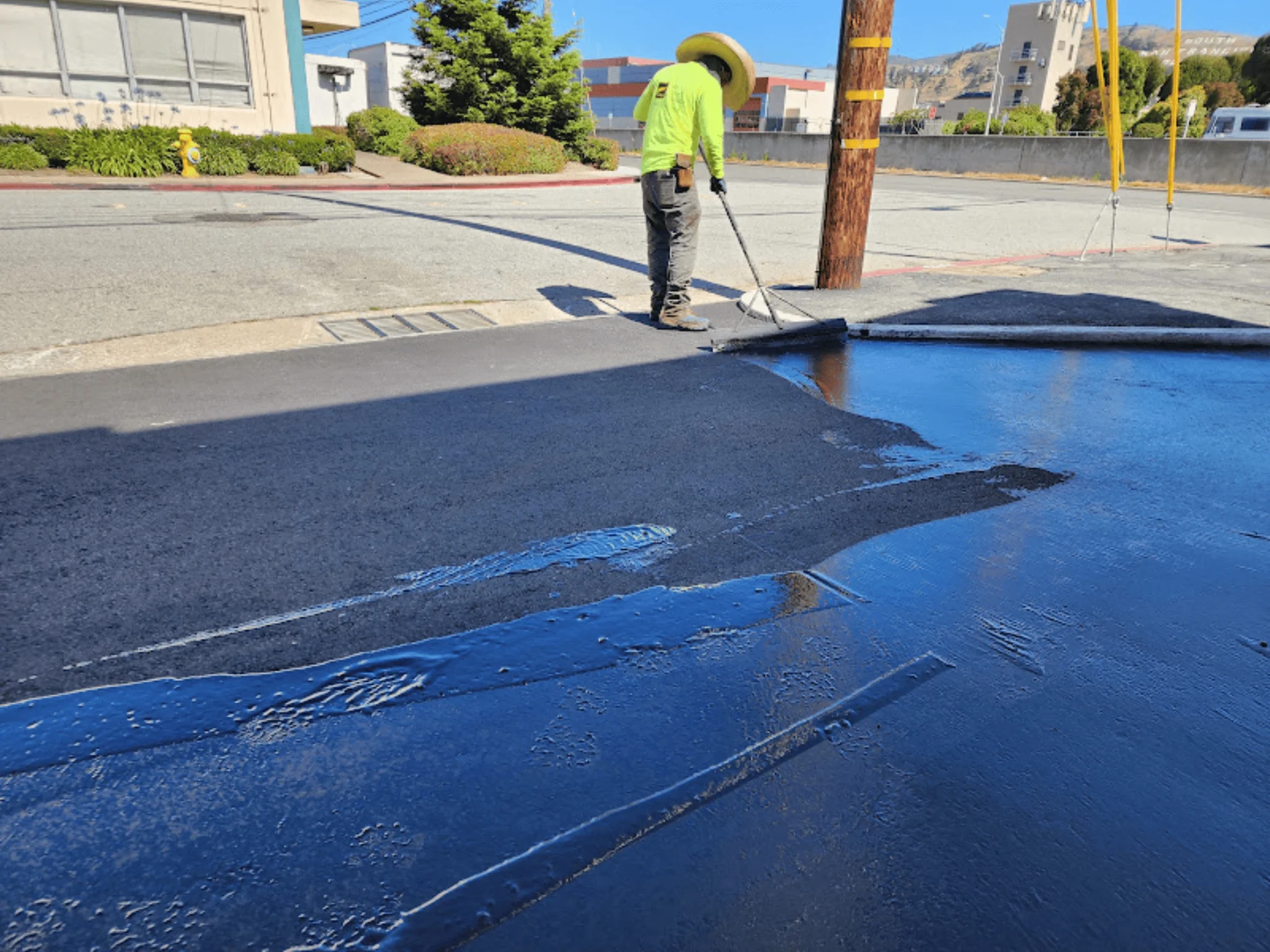
  • Seal coating to maintain smooth and compliant surfaces.

  • Addressing non-compliance issues with expert-driven solutions.

By choosing WELOVEPAVING, you’re not only ensuring ADA compliance but also creating a safer and more welcoming environment for everyone.

Conclusion

ADA compliance is essential for any construction project. By understanding the standards, planning accordingly, and partnering with experienced professionals, you can ensure your projects are accessible and inclusive. If you’re ready to make your property ADA compliant, contact WELOVEPAVING today and take the first step toward accessibility and success.

Need Immediate Help?

Let's Talk About Your Project

Don't wait until minor damage turns into major expenses. Our team of experts is ready to provide you with guaranteed solutions. Contact us now for direct advice from a professional.

Frequently Asked Questions (FAQ)

Got Questions? Find Your Answers Here!!

What are the maximum slope requirements for ADA-compliant parking lots?

ADA compliance dictates that accessible parking spaces and access aisles must not exceed a 2% slope in any direction. Slopes exceeding this specific gradient pose significant stability risks for wheelchair users and violate federal standards. Maintaining these precise grades prevents legal liability and ensures equitable access for all individuals in public facilities.

What technical dimensions are required for ADA-accessible ramps?

Federal ADA standards require accessible ramps to maintain a maximum slope ratio of 1:12, meaning one inch of rise for every twelve inches of run. These structures must also feature a minimum clear width of 36 inches between handrails. Adhering to these specific dimensions ensures mobility devices can navigate safely without obstruction.

How many van-accessible parking spaces are required by law?

Commercial construction projects must provide a specific ratio of accessible stalls, including at least one van-accessible space for every six accessible spots. These van-specific areas require an eight-foot-wide access aisle and proper vertical signage. Failure to provide these exact proportions often results in failed inspections and mandatory site retrofitting.

Why is professional paving maintenance critical for ADA certification?

Utilizing high-quality paving materials and regular seal coating is essential to prevent cracks or uneven surfaces that exceed 1/4 inch in height. Such vertical transitions are considered prohibited trip hazards under ADA guidelines. Professional surface maintenance ensures that pathways remain stable, firm, and slip-resistant for individuals with mobility challenges.

What are the legal and financial penalties for ADA non-compliance?

Non-compliance with ADA construction standards carries severe financial penalties, including federal fines up to $75,000 for a first violation and $150,000 for subsequent offenses. Beyond direct fines, businesses risk costly private lawsuits and mandatory retrofitting expenses. Professional audits during the planning phase are critical to avoiding these substantial economic risks.

Professional customer review project by We Love Paving in Northern California, California. Verified local construction quality.

Fred / Founder

Fred, Founder and Regional Operations Manager at We Love Paving, comes from a family that values hard work and discipline. Growing up watching his parents work long hours with integrity and dedication, Fred learned early on that quality paving isn’t just about asphalt, it’s about consistency, accountability, and doing the job right.

Share

Posts That Might Interest You

Why Is Parking So Expensive for Property Owners?

May 15, 2026

Many commercial property owners underestimate how expensive parking areas become once maintenance, accessibility, and pavement deterioration start overlapping at the same time. At first, parking lot costs usually appear manageable. Small cracks, faded striping, drainage problems, or isolated surface wear may not seem urgent while the property continues operating normally. Over time, however, those smaller

ADA Compliant Checklist for Parking Lots

ADA Compliant Checklist for Parking Lots

May 15, 2026

Many commercial properties develop accessibility problems gradually without property owners realizing how much conditions have changed over time. Parking lots, sidewalks, ramps, and pedestrian access routes constantly experience wear from traffic movement, weather exposure, drainage shifts, and surface aging. Because these changes happen slowly, accessibility concerns are often overlooked until inspections, complaints, or liability risks

Biggest Mistakes Made by a Landlord With Parking Lots

Biggest Mistakes Made by a Landlord With Parking Lots

May 15, 2026

Many property owners focus heavily on tenant spaces, landscaping, and building appearance while overlooking one of the most heavily used parts of the property: the parking lot. The problem is that pavement deterioration rarely stays cosmetic for long. Small surface issues gradually begin affecting traffic flow, drainage behavior, pedestrian safety, tenant perception, and operational costs

Parking Lot Snow Removal and Winter Pavement Damage

Parking Lot Snow Removal and Winter Pavement Damage

May 15, 2026

Winter weather places commercial parking lots under far more stress than many property owners realize. Snow accumulation, freezing temperatures, ice formation, and repeated plowing activity gradually affect asphalt surfaces throughout the season. Even parking lots that appear stable during warmer months often begin developing new wear patterns once winter conditions repeatedly impact traffic areas, drainage

Next

Estimation Tools

Calculate costs in seconds

Fast, accurate estimates that help you close more jobs. Less guesswork, more profit.