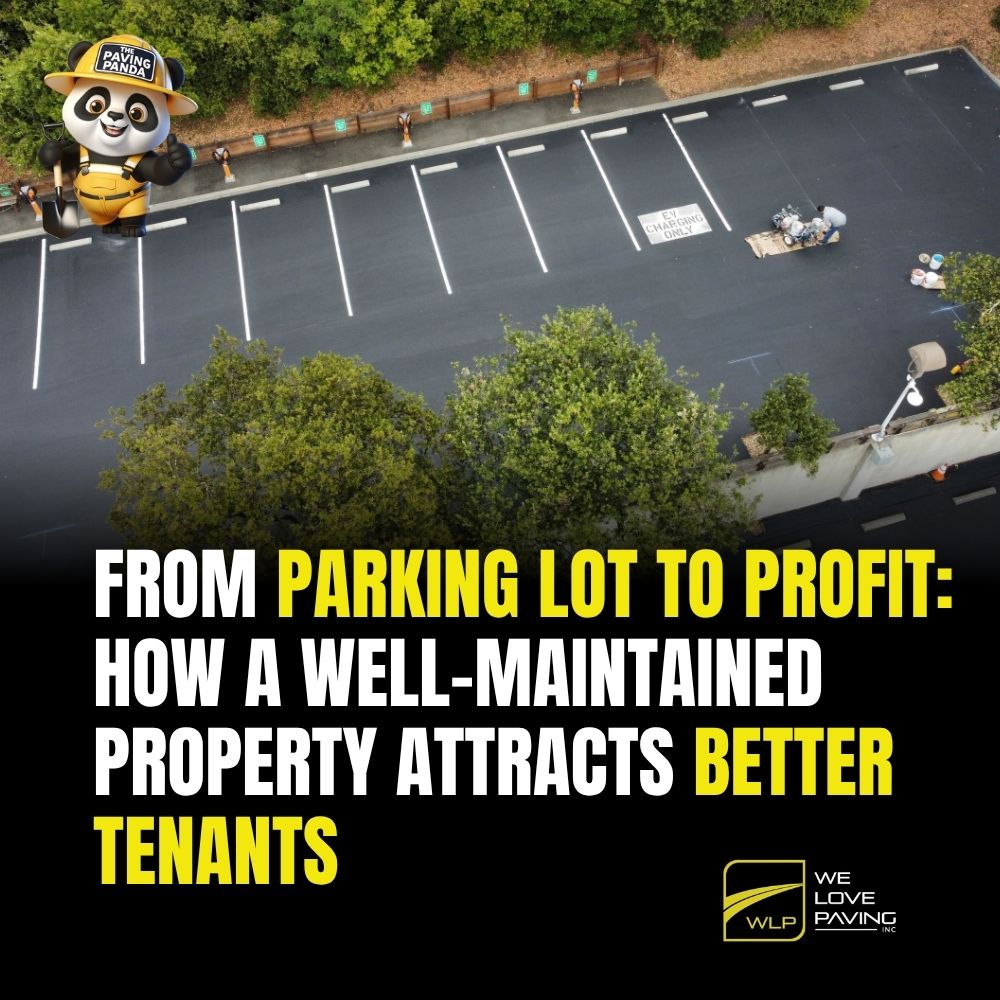
By the time a prospective tenant reaches the front door, the property has already been judged once.
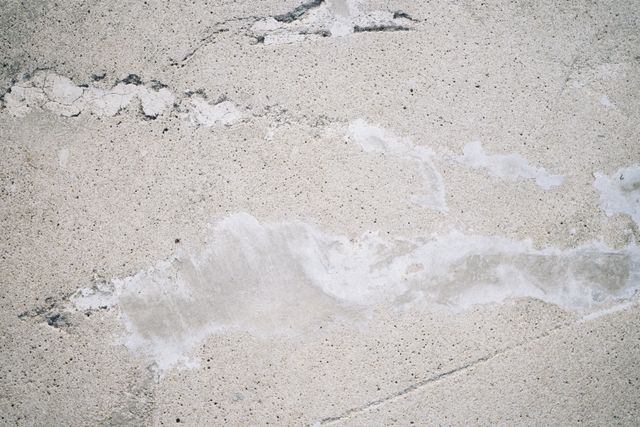
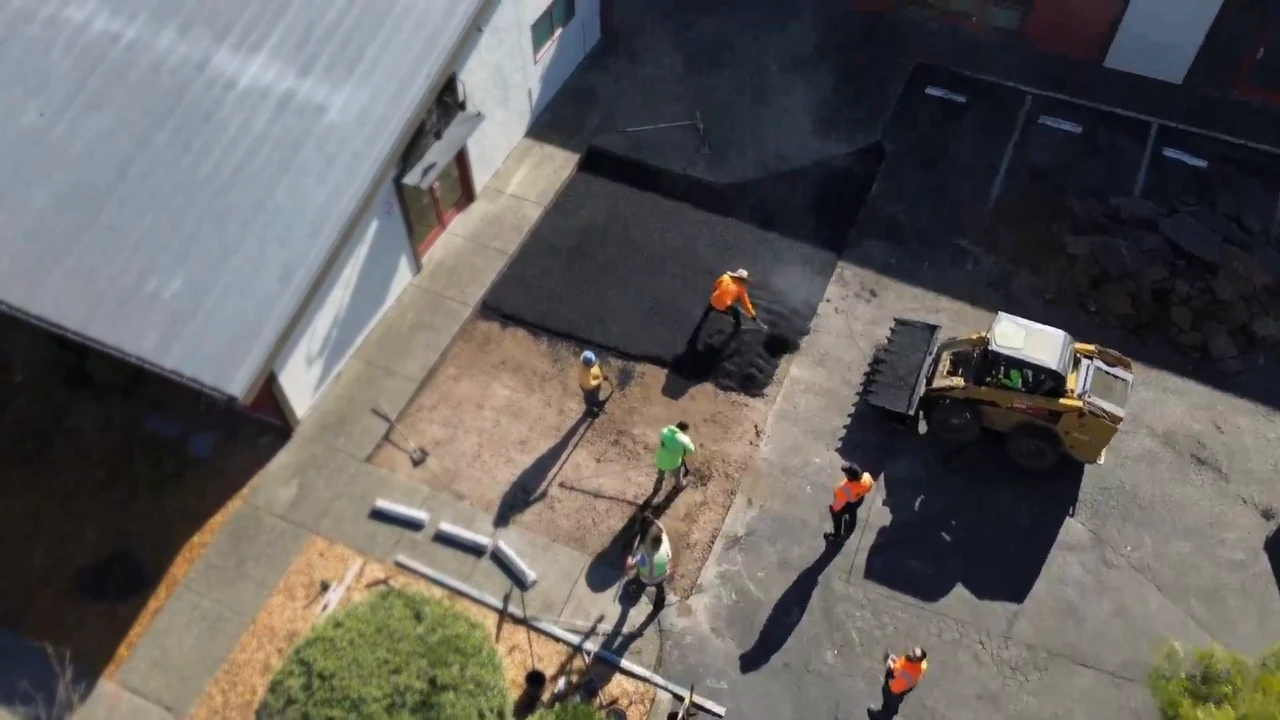
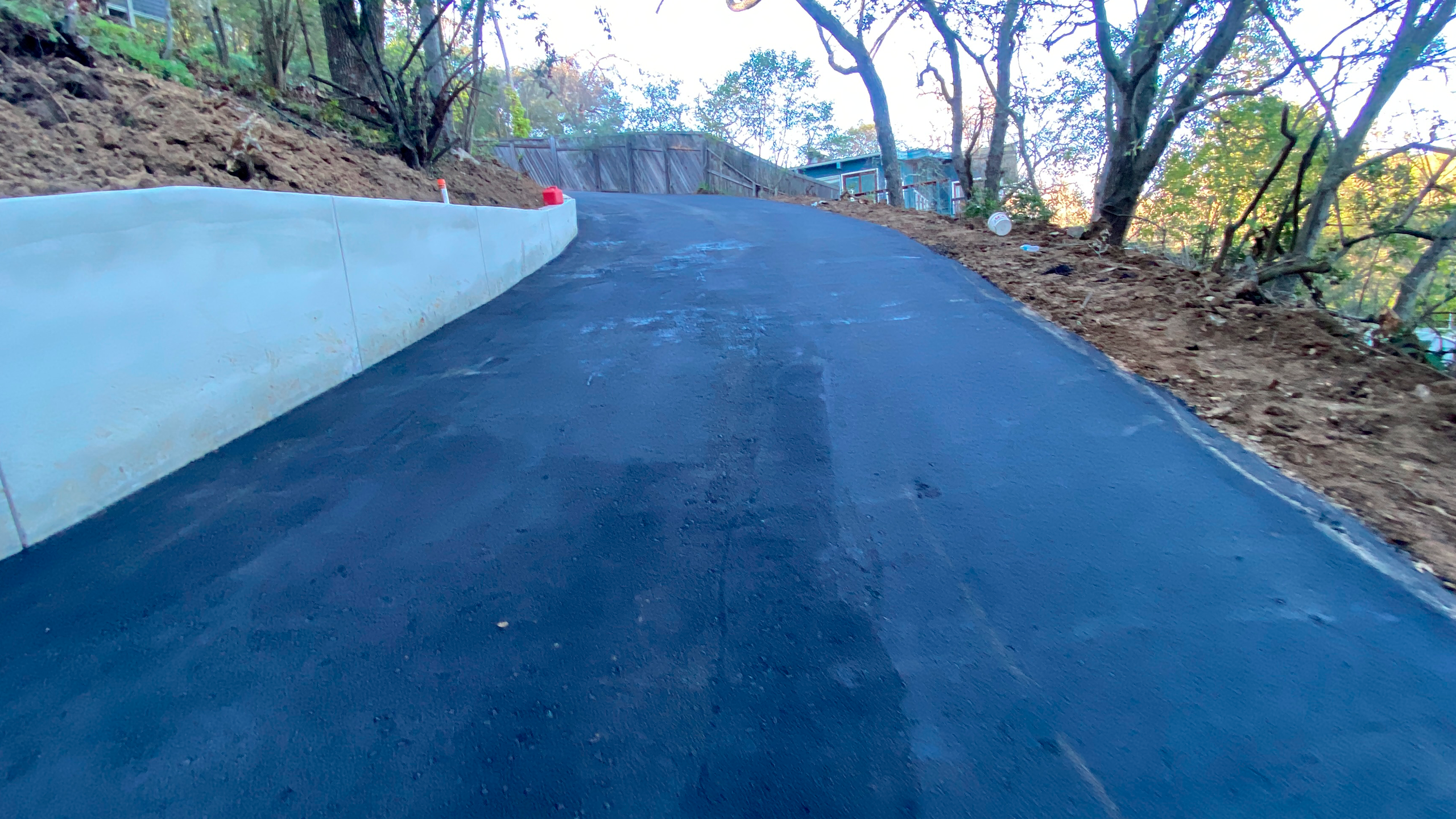
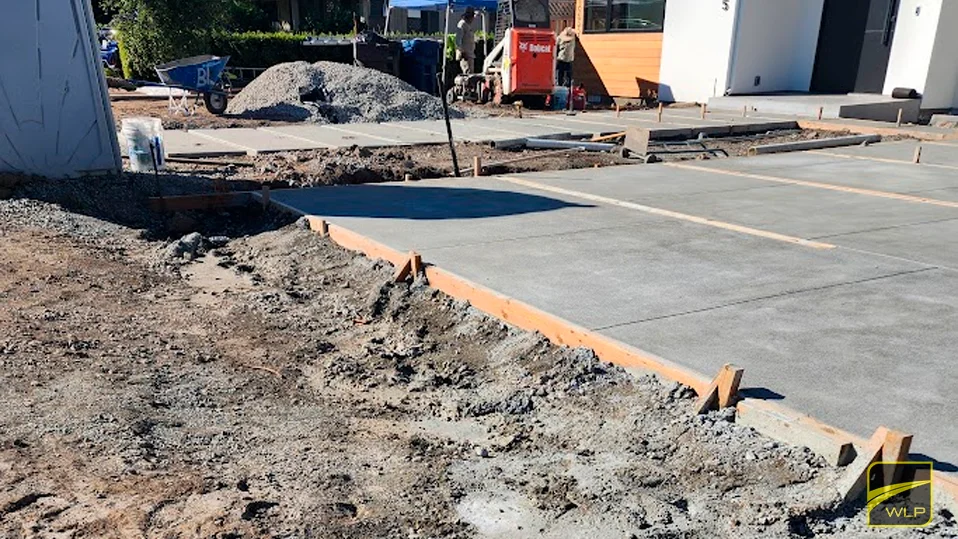
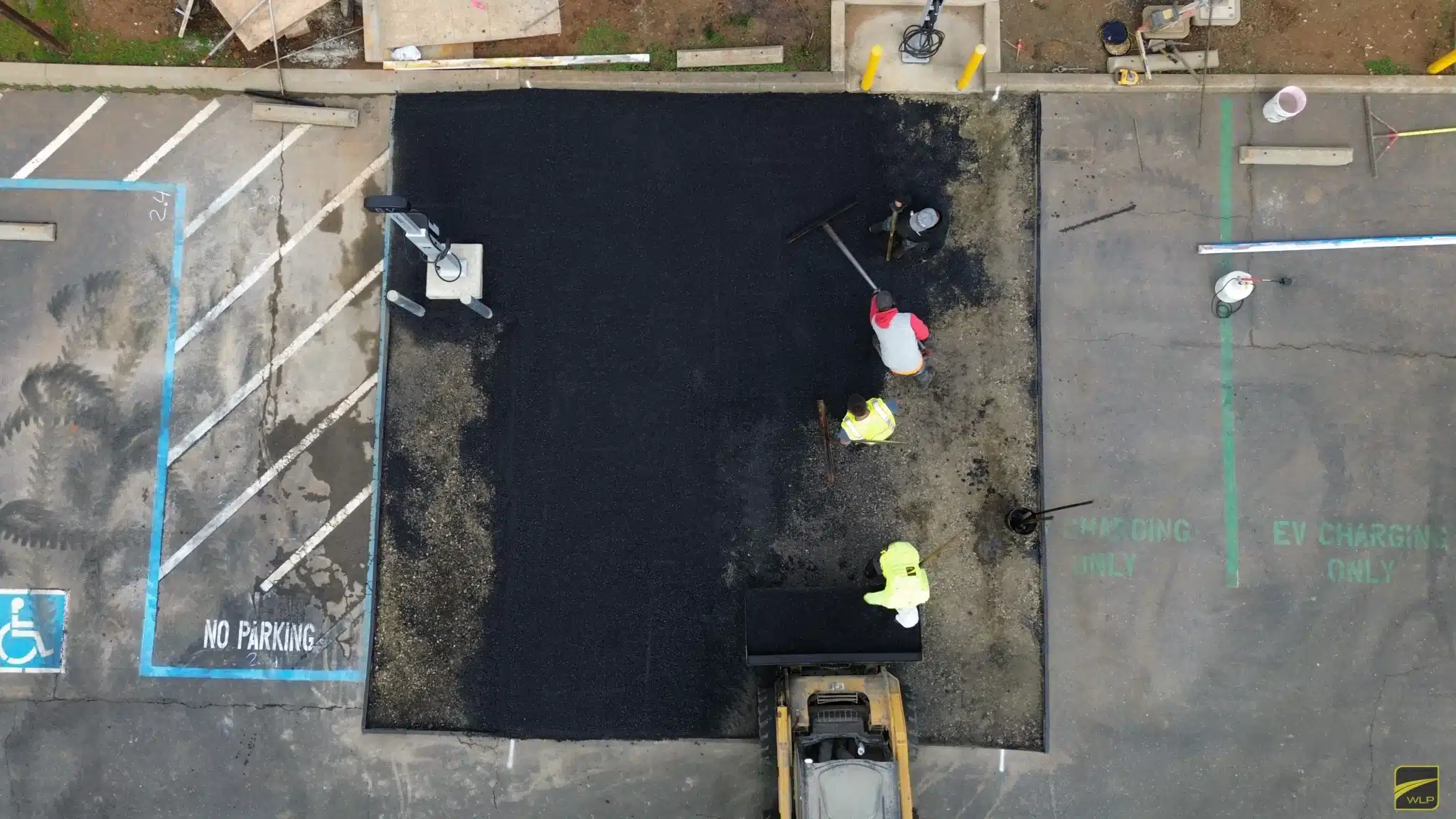
In an East Bay retail-and-office center after a wet winter, that first judgment may come from the driveway edge where asphalt has started to break near the gutter. It may come from the faded visitor stalls closest to the entry. It may come from water marks along a low curb line that make the lot look older in the morning than it does at noon.
That is the working reality behind commercial property curb appeal. It is not only façade paint, landscaping, or signage. For commercial leasing, curb appeal includes the paved surface people cross before they decide whether the site feels organized enough for their business.
A tenant may never mention asphalt during negotiations. They still notice whether customers can park without guessing, whether the walkway feels patched together, and whether the exterior looks like ownership is staying ahead of small failures.
The Exterior Gets Read Before the Lease Gets Discussed
A leasing conversation usually begins with business terms, but the tenant’s confidence starts earlier. The exterior sets a baseline before the broker opens the suite.
A medical office prospect reads the drop-off area differently from a boutique fitness tenant. A service-office tenant notices whether visitor parking is obvious. A small retailer notices whether the closest stalls feel clean, readable, and easy for quick turnover. None of them needs a paving vocabulary to recognize friction.
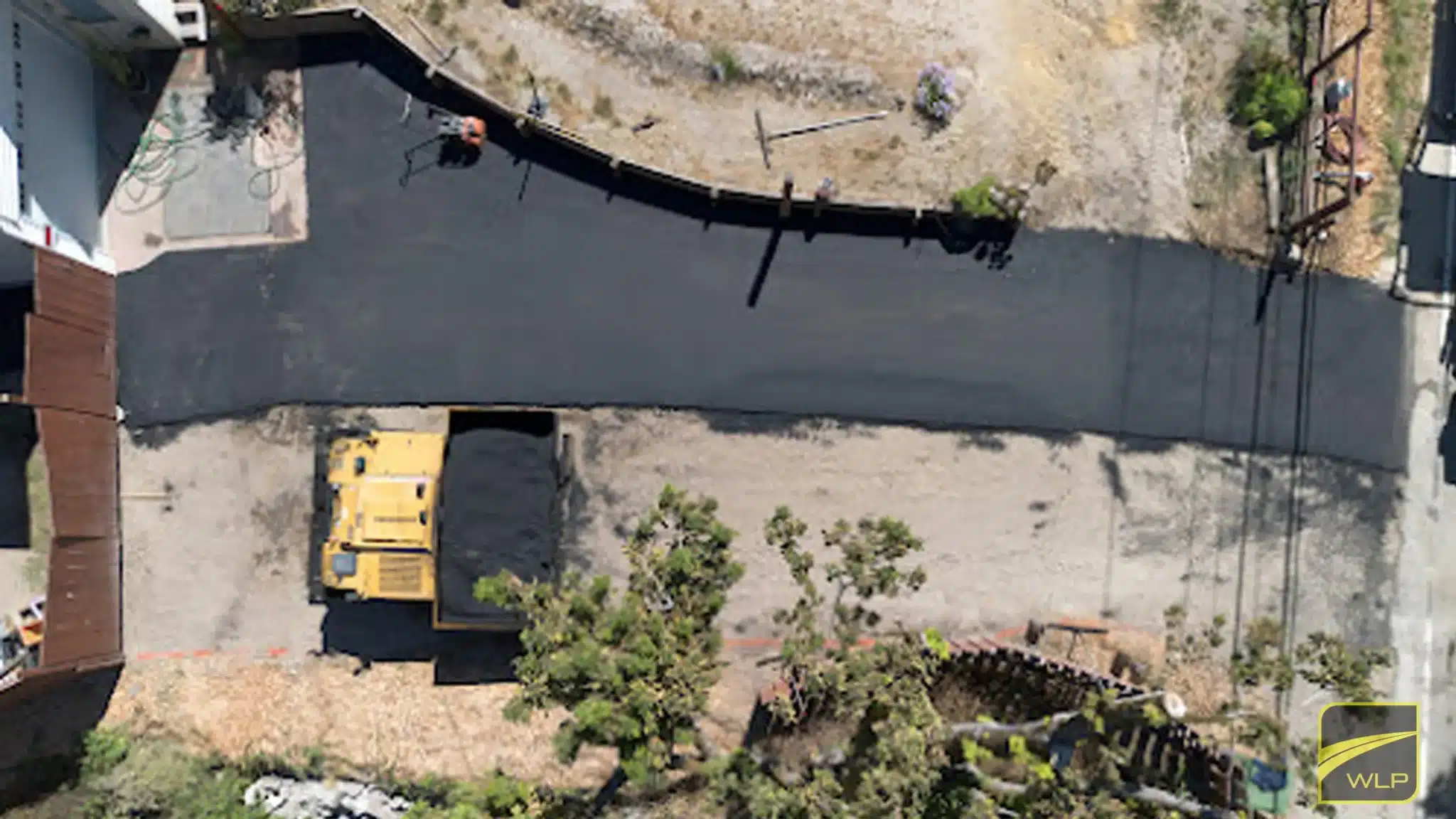
The front of the lot carries the most pressure. Tire scuffing near the first turn, loose aggregate along the curb, or old patch edges near the entrance can make the site feel under-managed. If the asphalt is worn near the building but the back row still looks calm, the issue is not age across the whole property. It is concentrated use at the exact place prospects and customers see first.
Good paving maintenance gives ownership a way to address those visible stress points before they define the property’s first impression.
Curb Appeal Fails in Small Moments
Poor curb appeal does not always announce itself through a major pothole. More often, it appears through small interruptions in how the site functions.
A driver enters from a busy street and taps the brakes because the arrow pattern is faint. A visitor takes a wide turn because the stall lines near the front row have faded. A tenant prospect steps around a shallow puddle where water sits after irrigation runoff. A delivery van tracks across the same patched corner behind a retail unit because the turn radius is tight.
Those moments change how a property feels.
In Northern California, pavement can look different across seasons. After winter rain, low areas reveal themselves through silt lines, darker drying patterns, and debris collecting near drains. During dry summer months, oxidation and faded markings make the lot look more tired even when the pavement still has service life left. A property that ignores both seasons may look inconsistent: patched after storms, faded by summer, then patched again before the next budget cycle.
For mixed-use centers, that inconsistency can be expensive in a less obvious way. Tenants may not ask for lower rent because of pavement, but visible exterior neglect can make them less confident about management response.

Markings Decide Whether the Lot Feels Organized
A clean asphalt surface still leaves questions unanswered if the markings are weak. Tenants care about how their customers will use the property. Striping is one of the fastest ways they read order or disorder.
If the first row has faded lines while the side lot remains clear, the property is showing where turnover is heaviest. If arrows near the exit lane are barely visible, drivers may hesitate or move against the intended pattern. If accessible stalls and access aisles are difficult to read, the area should be reviewed carefully because usability can be affected. No article should treat paint as a legal guarantee, but unclear markings can make a site harder to navigate.
Professional parking lot striping supports curb appeal when it reflects how the property is actually used. Repainting the old layout without checking tenant behavior can preserve confusion. In a retail-service center, the highest-value markings may be visitor stalls, short-term parking, pedestrian crossings, and service access rather than every distant row receiving the same priority.
That is where visual order becomes practical. A tenant wants to imagine customers arriving smoothly, not pausing at the entrance to decode the parking lot.
The Most Visible Wear Is Not Always the Most Expensive Problem
Owners sometimes focus on the biggest ugly spot because it is embarrassing. That instinct can miss the area that affects leasing more directly.
A rough back service lane may need repair, but a broken driveway lip at the main entrance can shape every tour. A small depression near a pedestrian crossing may matter more to a medical tenant than a larger crack in the far corner. Faded striping near customer-facing stalls can influence daily use more than oxidation in a low-traffic row.
A curb appeal review should sort conditions by tenant exposure, not only by pavement severity.
| Tenant-facing area | What the prospect may notice | Maintenance reading |
|---|---|---|
| Main entrance drive | Rough transition, broken edge, ponding after rain | Arrival feels less controlled |
| Front visitor stalls | Faded lines, oil spots, patch contrast | Customer use appears less managed |
| Path to entry | Uneven patch, cracked edge, unclear crossing | Walk-in experience feels less polished |
| Service side | Raveling where vans turn repeatedly | Operations may look improvised |
| Shared office parking | Confusing stall layout or old paint shadows | Multi-tenant circulation feels harder |
This is also where commercial property value should be discussed carefully. Pavement condition does not automatically raise value by itself. It can, however, influence how tenants and buyers judge the level of care behind the asset.
Deferred Work Shows Up During Negotiation
The exterior becomes more visible when a tenant has leverage. During renewal, expansion, or a competitive tour, small maintenance issues can turn into talking points.
A tenant may ask whether the front row will be restriped before opening. They may question whether the rough delivery approach will be fixed. They may want confirmation that the visitor parking area will look better before customers arrive. The condition was already there; the negotiation simply gives it a stage.
That is why delaying maintenance should be judged by more than repair price. Deferral can cost the owner attention, credibility, and flexibility during a lease conversation.
For a property manager, the best time to find these issues is before the broker tour, not after the tenant has framed them as objections. The same idea applies to shared campuses. When multiple buildings depend on the same lots and drive aisles, office park resurfacing may become part of a broader positioning decision, especially where visitor routes and common parking areas shape every tenant’s experience.
Curb Appeal Should Match the Tenant You Want
Commercial property curb appeal should not be planned as decoration. It should match the tenant profile the property is trying to attract.
A restaurant pad needs customer turnover and delivery access to feel controlled. A medical office needs calm arrival, clear parking, and pedestrian routes that may need closer review. A professional office wants the exterior to support credibility before a client walks inside. A retail strip center needs the front row to look active without looking worn out.
We Love Paving can help commercial owners connect pavement condition to leasing timing, especially in East Bay and Northern California sites where winter runoff and summer oxidation can change how the same lot presents across the year. The useful question is simple: which exterior conditions are most likely to affect how tenants, customers, and visitors experience the property before anyone explains the lease?