A well-designed patio can transform your outdoor space into a functional and beautiful area for relaxation, entertaining, or family gatherings. Among the many materials available for patios, concrete stands out as a versatile and durable option. With advancements in concrete technology and design, homeowners can now choose from various types of concrete patios that cater to different aesthetics and functional needs. Here, we explore the most popular types of concrete patios to help you decide which style suits your outdoor space.
1. Stamped Concrete Patios
Stamped concrete is one of the most popular choices for patios due to its ability to mimic high-end materials like stone, brick, or tile at a fraction of the cost.
Features:
- Imprinted patterns and textures create a natural, sophisticated look.
- Available in various colors to match your home’s exterior.
Advantages:
- Cost-effective compared to natural stone or brick.
- Durable and low maintenance.
Best For: Homeowners looking for a high-end appearance without breaking the bank.
2. Exposed Aggregate Concrete Patios
Exposed aggregate patios showcase the natural beauty of stones, pebbles, or shells embedded in the concrete surface.
Features:
- Textured finish with a non-slip surface.
- Unique and customizable designs by using different aggregates.
Advantages:
- Highly durable and weather-resistant.
- Ideal for areas with high foot traffic.
Best For: Outdoor spaces requiring a blend of style and practicality, such as poolside patios or walkways.
3. Colored Concrete Patios
Colored concrete allows homeowners to personalize their patios with vibrant or subtle hues that complement their landscape.
Features:
- Color can be added through dyes, stains, or pigments.
- Wide range of colors available, from earthy tones to bold shades.
Advantages:
- Fade-resistant with proper sealing.
- Enhances the overall design of your outdoor space.
Best For: Adding a pop of color or creating a cohesive look with your home’s exterior.
4. Polished Concrete Patios
Polished concrete patios offer a sleek, modern aesthetic that’s perfect for contemporary homes.
Features:
- Smooth, reflective finish.
- Achieved through mechanical grinding and polishing.
Advantages:
- Easy to clean and maintain.
- Resistant to stains and wear.
Best For: Minimalist designs or urban-style outdoor spaces.
5. Pervious Concrete Patios
Pervious concrete, also known as porous concrete, is an eco-friendly option that allows water to seep through the surface, reducing runoff.
Features:
- Permeable surface helps manage stormwater.
- Textured appearance with visible voids.
Advantages:
- Environmentally friendly and sustainable.
- Reduces the risk of flooding and erosion.
Best For: Eco-conscious homeowners or areas prone to heavy rainfall.
6. Brushed Concrete Patios
Brushed concrete features a simple, textured finish created by dragging a brush over the surface while it’s still wet.
Features:
- Subtle, linear texture that provides a clean look.
- Often left in natural gray but can be colored or stained.
Advantages:
- Cost-effective and quick to install.
- Non-slip surface makes it safe for families.
Best For: Budget-friendly projects or homeowners seeking a classic, understated look.
7. Engraved Concrete Patios
Engraved concrete patios involve etching patterns or designs into the hardened concrete surface, creating intricate and artistic details.
Features:
- Customizable patterns such as geometric shapes, floral designs, or logos.
- Can be combined with coloring techniques for added depth.
Advantages:
- Unique, personalized aesthetic.
- Long-lasting designs that won’t fade or peel.
Best For: Homeowners who want a distinctive and artistic patio design.
Technical Specifications & Expert Preparation
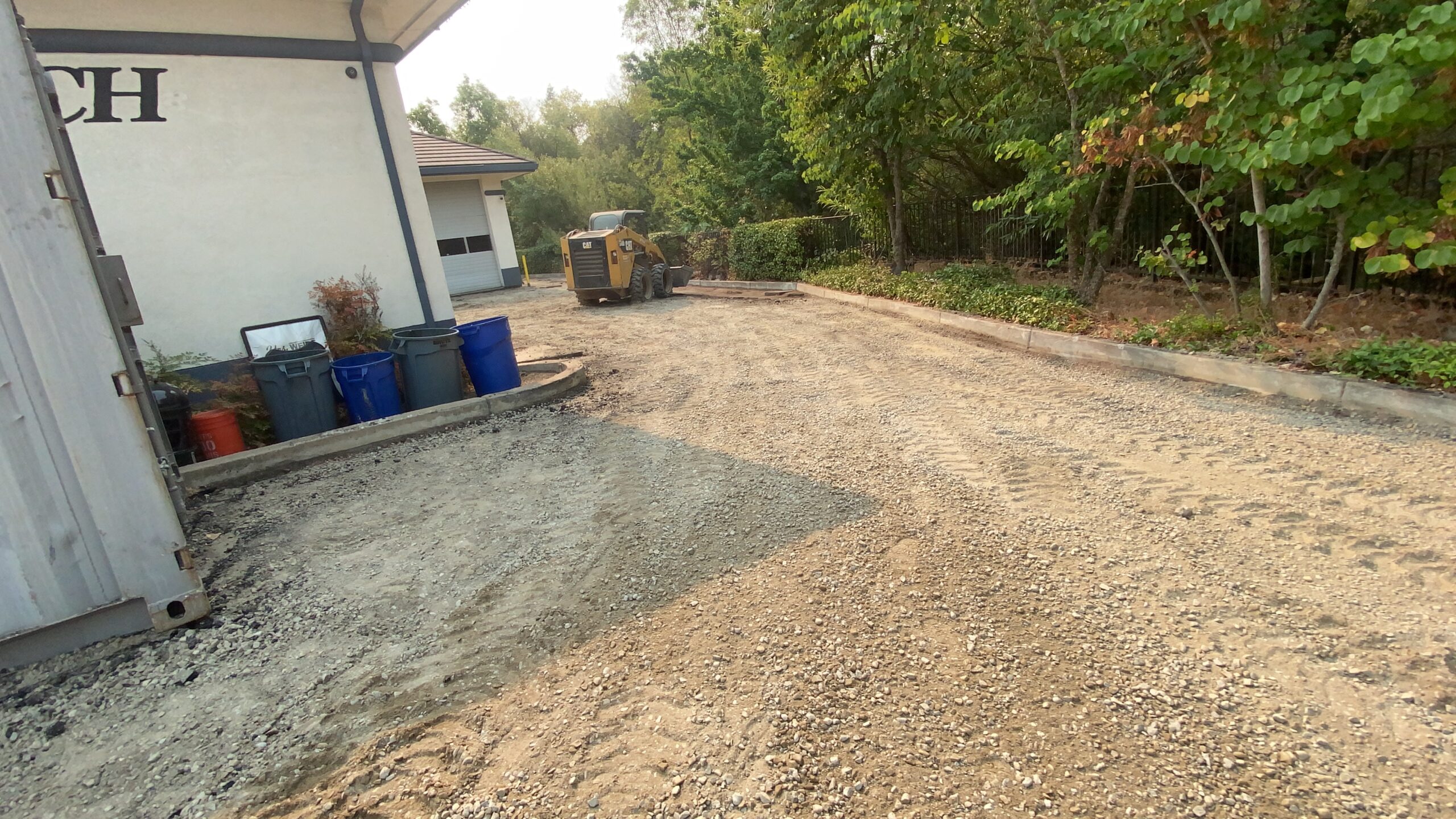
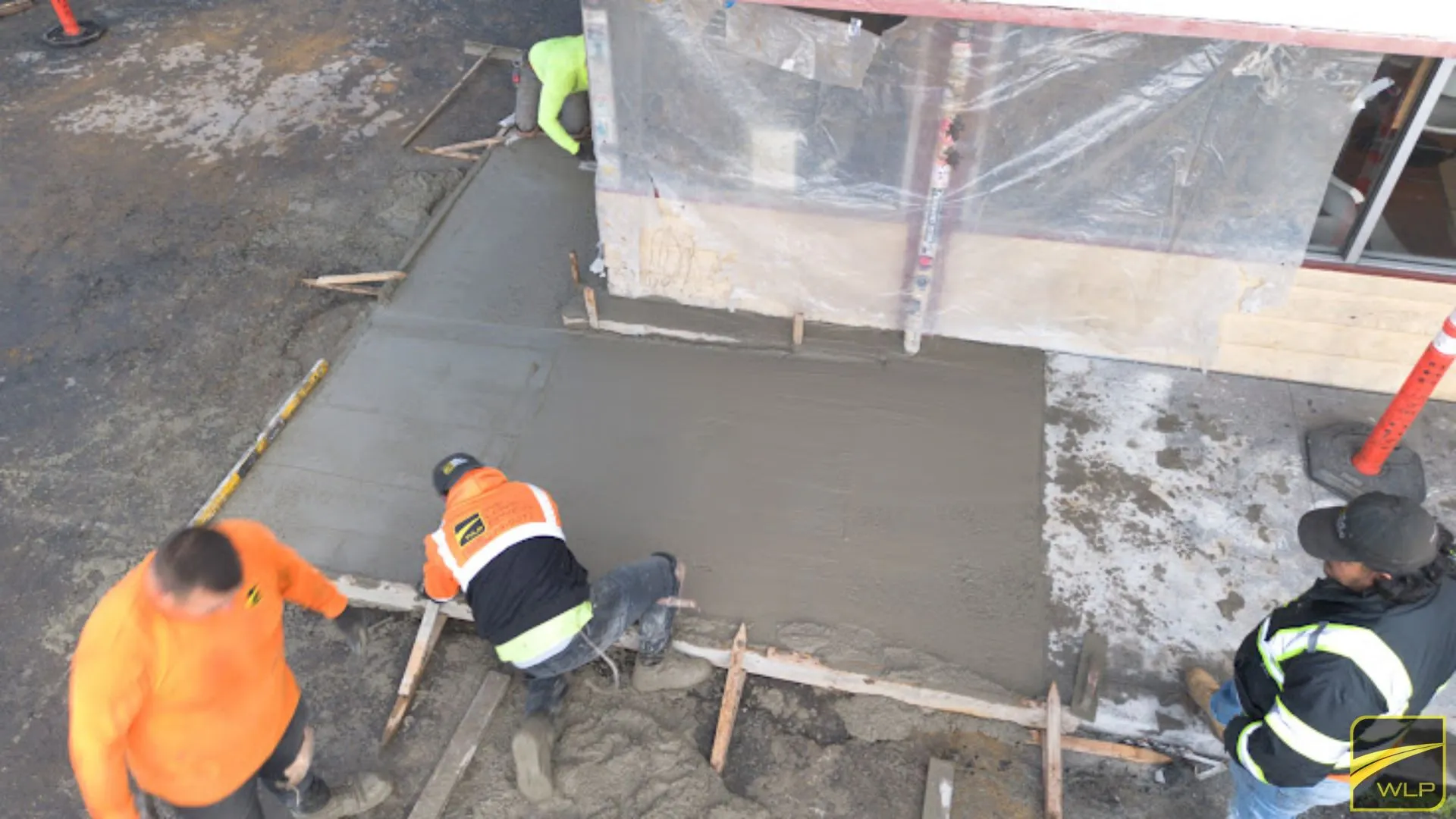
Beyond aesthetics, the longevity of any concrete patio relies on a solid structural foundation and adherence to building standards. A standard pour requires a minimum thickness of 4 inches over a properly compacted gravel subgrade to prevent settling. Furthermore, to prevent structural cracking due to soil movement, integrating strategic control joints and reinforcement—such as wire mesh or rebar—is absolutely essential.
Before breaking ground, planning for drainage is crucial. The patio must have an adequate slope (typically 1/4 inch per foot) to direct water runoff away from your home’s foundation. Don’t forget to check local regulations; depending on your city or Homeowners Association (HOA), specific building permits may be required before starting. Working with specialists in professional concrete installation services ensures your project complies with all current building codes and the highest quality standards.
Choosing the Right Concrete Patio for Your Space
When selecting the type of concrete patio for your outdoor area, consider the following key factors:
- Purpose and Safety: How will you use the patio? For pool decks or play areas, prioritize slip-resistant surfaces like exposed aggregate or brushed concrete finishes.
- Climate and Local Weather: Your local climate affects material performance. In areas prone to heavy rainfall, pervious concrete is ideal for managing stormwater runoff. In highly sunny regions, ensure the use of UV-resistant sealers to prevent colored or stamped concrete from fading.
- Aesthetics and Budget: Choose a style that harmonizes with your home’s architecture. While all concrete is cost-effective, highly customized options like polished or stamped concrete carry a higher initial investment but add significant property value.
- Maintenance and Lifecycle: Concrete is low-maintenance, but not maintenance-free. Stamped or colored patios require deep cleaning and a fresh coat of protective sealer every 2 to 3 years to maintain their luster and protect against stains. Consider a professional sealing and maintenance plan to maximize the lifespan of your investment.
Final Thoughts
Concrete patios offer endless possibilities for customization, durability, and functionality. Whether you prefer the elegance of stamped concrete, the sustainability of pervious concrete, or the modern appeal of polished finishes, there’s a concrete patio option to suit every need and style.
For professional guidance and high-quality installation, contact We Love Paving. Our experienced team can help bring your vision to life and create an outdoor space you’ll enjoy for years to come.