Budget-Friendly Pavement Solutions for Property Managers

We Love Paving services in San Jose. Professional paving contractor serving San Jose and Silicon Valley areas.
Estimation Tools

Calculate costs in seconds

Fast, accurate estimates that help you close more jobs. Less guesswork, more profit.

As a property manager, maintaining the appearance and safety of your pavement is crucial. A well-kept parking lot or driveway enhances curb appeal, ensures tenant satisfaction, and reduces liability. However, finding cost-effective solutions without sacrificing quality can be a challenge. Here are some budget-friendly pavement strategies to help you maximize your resources while keeping your property in top shape.

1. Prioritize Preventative Maintenance

Preventative maintenance is the cornerstone of cost savings. Addressing small issues early prevents them from escalating into major, expensive repairs. Key preventative measures include:

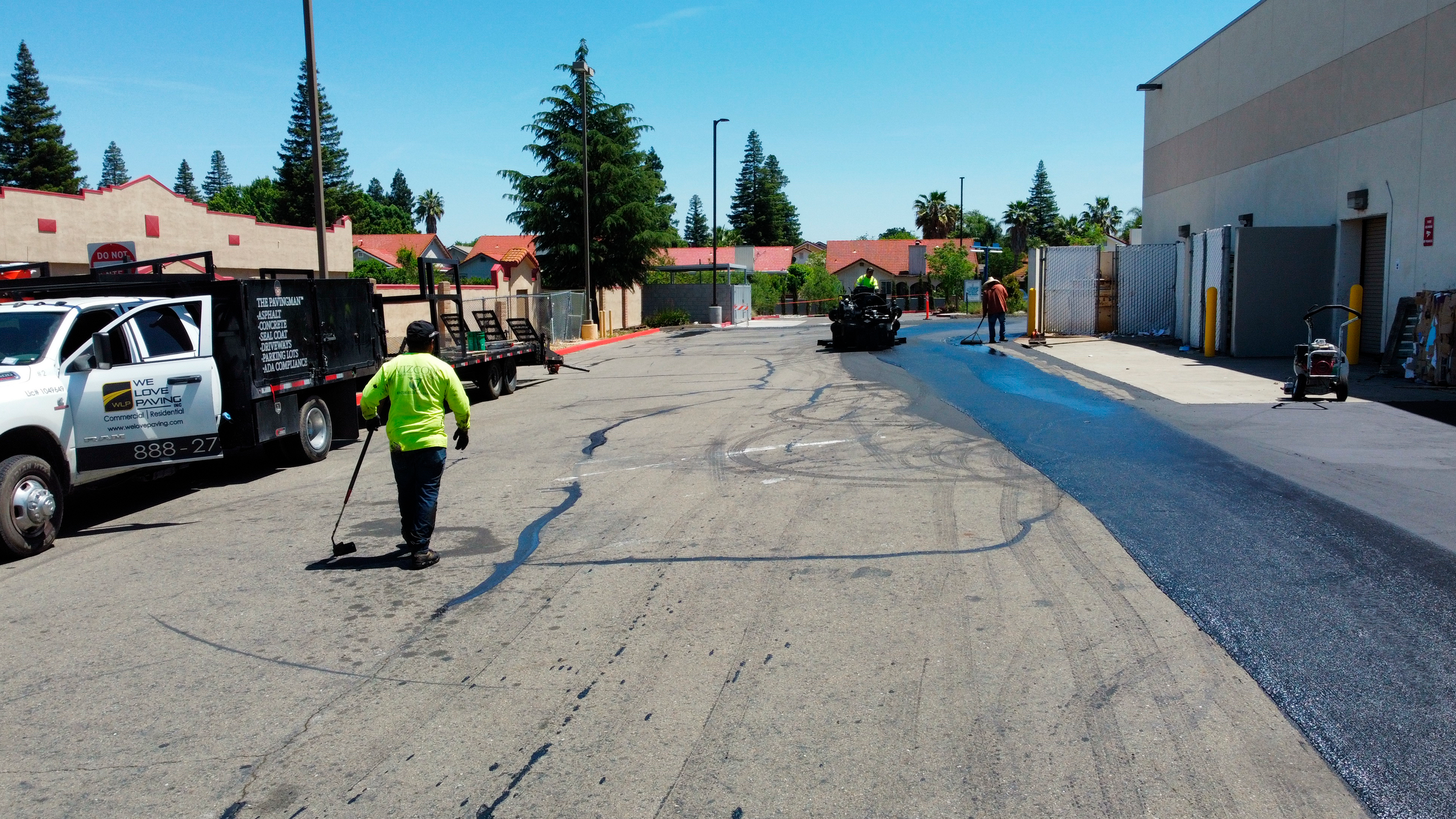
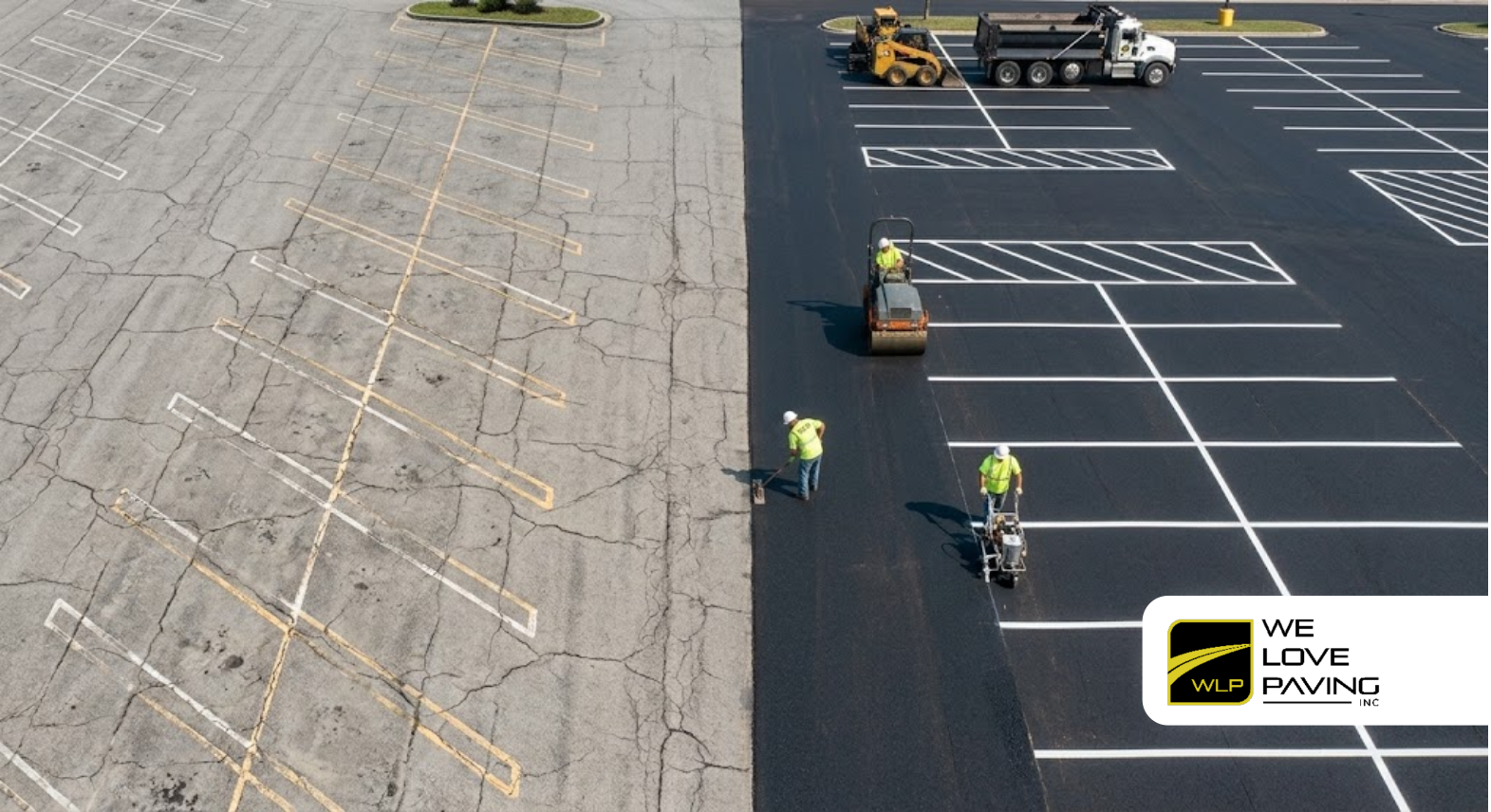
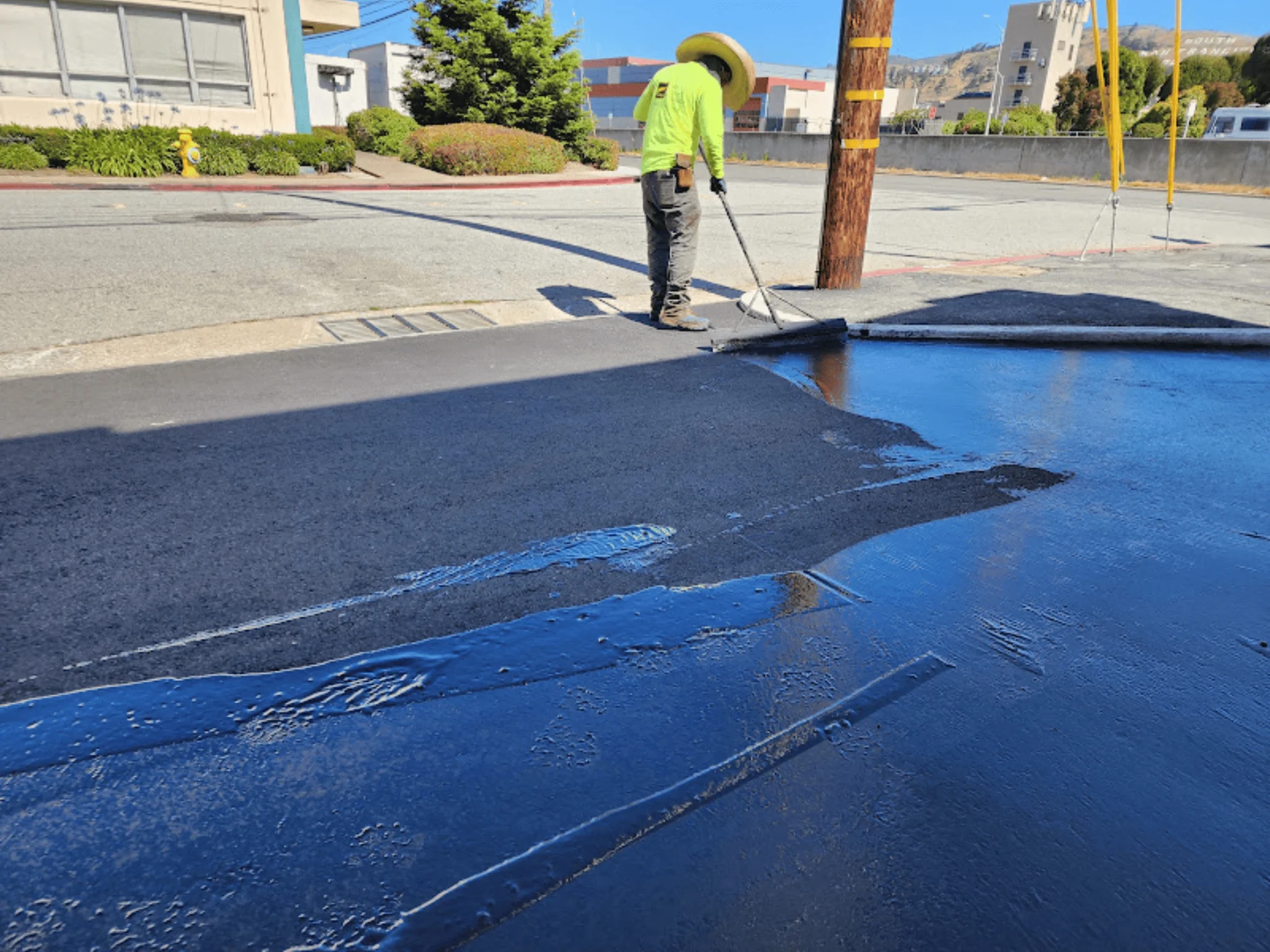
  • Sealcoating: A thin layer of protective coating applied every 2-3 years shields your asphalt from UV rays, water, and chemicals, extending its life significantly.

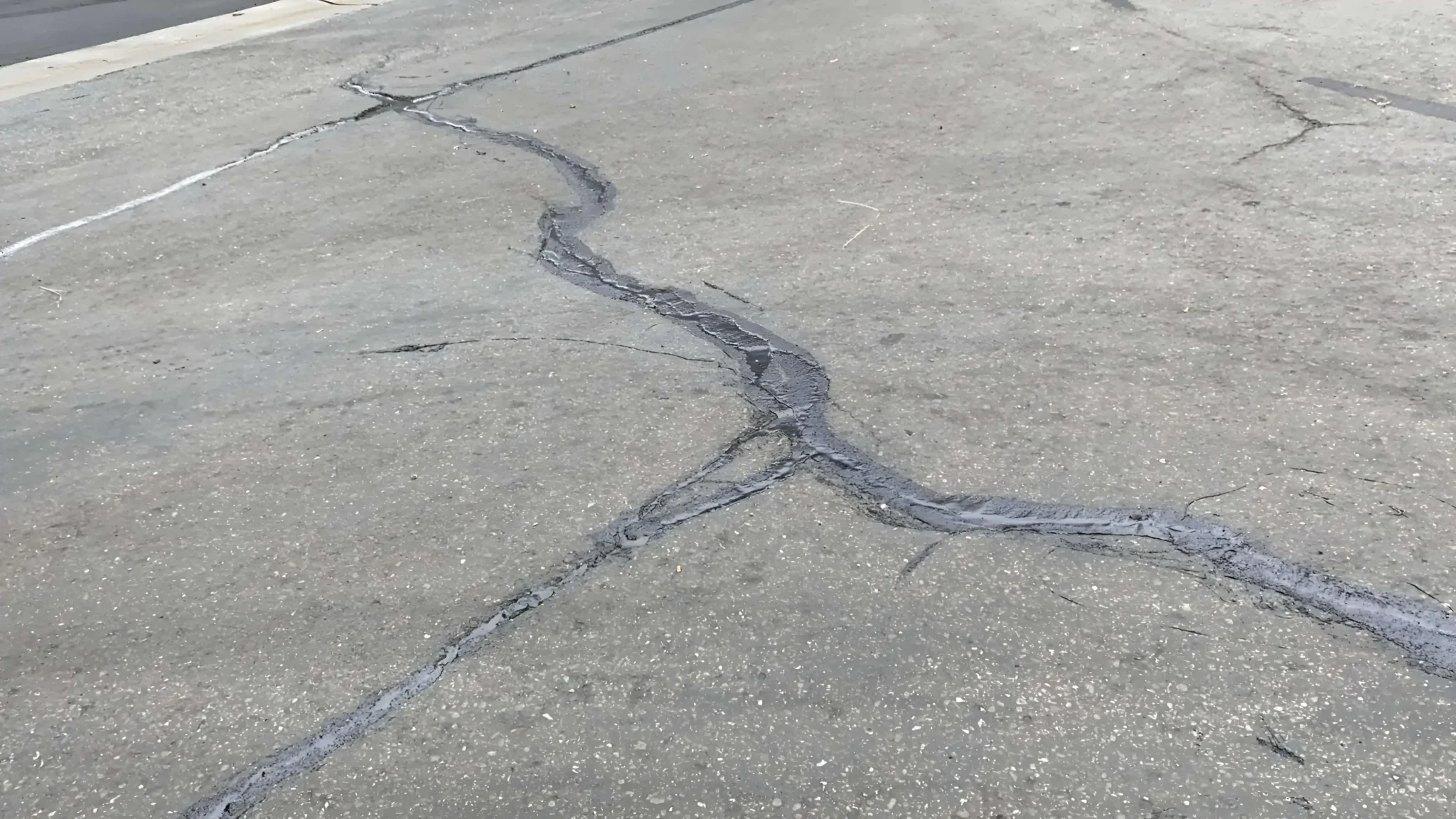
  • Crack Filling: Filling cracks as they appear prevents water infiltration, which can weaken the pavement’s foundation and lead to potholes.

  • Regular Cleaning: Debris and standing water can damage asphalt over time. Schedule regular sweeping and drainage checks to avoid costly damage.

2. Opt for Slurry Seal Instead of Full Repaving

If your pavement is showing signs of wear but is structurally sound, consider slurry seal. This affordable solution restores surface texture, fills minor cracks, and provides a fresh, polished look without the high costs of repaving. On average, slurry seal costs a fraction of what a full replacement would, making it a smart choice for properties on a budget.

3. Conduct Routine Inspections

Scheduling routine inspections allows you to identify problems early and address them before they worsen. Create a checklist to monitor:

  • Cracks and potholes.

  • Faded striping or markings.

  • Pooling water after rain.

Catch these issues promptly to avoid expensive emergency repairs later on.

4. Use Durable Materials

Investing in high-quality materials upfront can save you money in the long run. While cheaper materials might seem like a cost-effective option, they often wear out faster and require frequent repairs. Discuss with your contractor about durable solutions that balance quality and affordability.

5. Consider Phased Repairs

For larger properties, addressing all pavement issues at once can strain your budget. Instead, opt for phased repairs. Divide your property into sections and focus on the most critical areas first. Spreading the work over several months or years allows you to manage costs more effectively.

6. Partner with a Reliable Contractor

Working with a trusted paving contractor ensures that the job is done right the first time, reducing the risk of costly rework. Look for contractors who:

  • Have experience with similar properties.

  • Offer competitive pricing and transparent quotes.

  • Provide maintenance packages or warranties.

A good contractor will also help you plan a maintenance schedule tailored to your budget and property needs.

7. Reevaluate Parking Lot Design

Sometimes, a redesign can save money in the long term. For instance:

  • Reducing underutilized parking spaces minimizes the area you need to maintain.

  • Adding proper drainage features prevents water damage and extends pavement life.

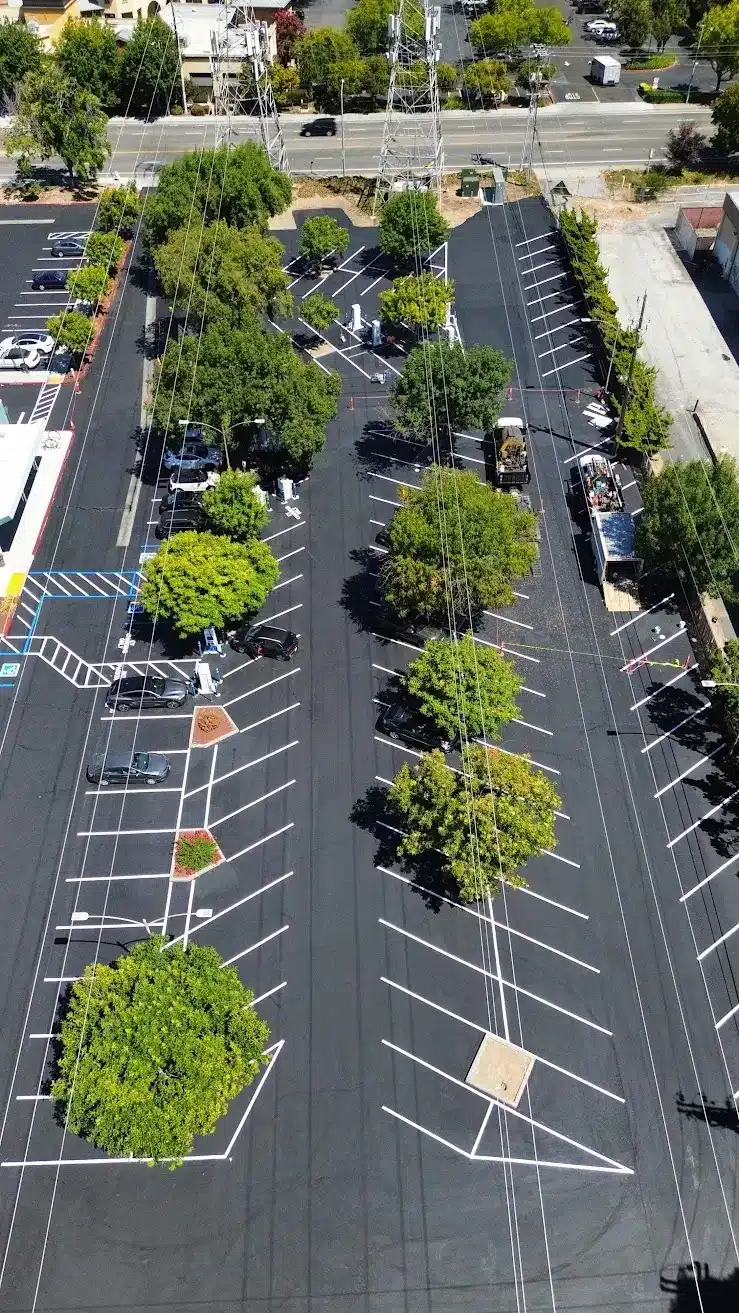
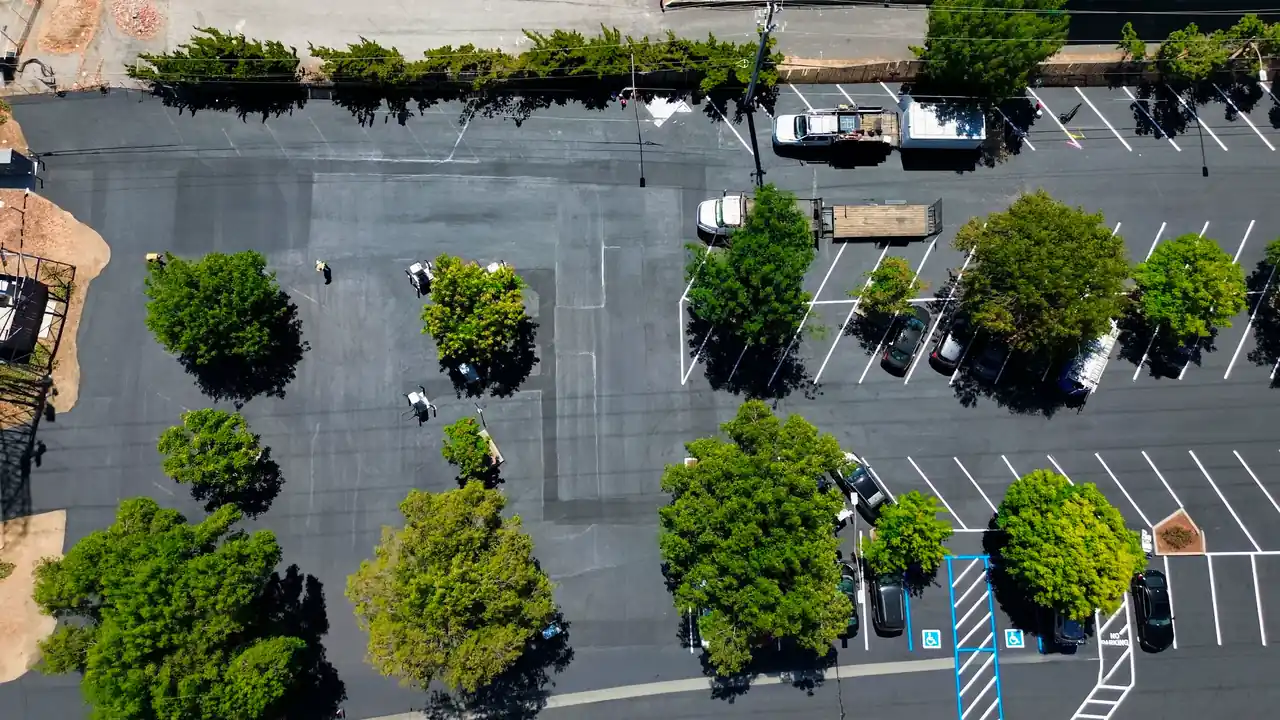
  • Re-striping parking lots to optimize space can increase tenant satisfaction without additional paving.

8. Take Advantage of Tax Benefits

Repairs and maintenance expenses are often tax-deductible. Keep detailed records of your pavement-related expenditures to maximize your deductions and offset costs.

9. Plan for Long-Term Savings

A comprehensive pavement maintenance plan helps you forecast expenses and avoid unexpected costs. Allocate a portion of your annual budget specifically for pavement care, and consider setting up a reserve fund for larger projects.

10. Leverage Group Discounts

If you manage multiple properties, inquire about bulk discounts from contractors. Grouping projects together can lower costs and streamline maintenance schedules across your portfolio.

Conclusion

Maintaining your pavement doesn’t have to break the bank. By focusing on preventative measures, choosing cost-effective solutions like slurry seal, and working with reliable contractors, you can keep your property’s pavement in excellent condition while staying within budget. Ready to explore affordable options for your property? Contact today for a free consultation and start saving on your pavement maintenance!

 

Need Immediate Help?

Let's Talk About Your Project

Don't wait until minor damage turns into major expenses. Our team of experts is ready to provide you with guaranteed solutions. Contact us now for direct advice from a professional.

Frequently Asked Questions (FAQ)

Got Questions? Find Your Answers Here!!

How can property managers reduce long-term pavement maintenance costs?

The most effective way to reduce costs is through preventative maintenance using sealcoating every 2 to 3 years. This protective layer shields asphalt from UV rays and chemical spills, extending its service life by up to 300%. Additionally, immediate crack filling prevents water infiltration that destroys the pavement’s structural foundation.

What is slurry seal and when is it better than full repaving?

Slurry seal is a cold-mix blend of aggregate and asphalt emulsion ideal for structurally sound surfaces with surface wear. This budget-friendly solution costs approximately 75% less than a full asphalt overlay, effectively restoring surface texture and sealing minor cracks without the expensive requirement of removing the existing pavement layers.

Why should large commercial properties implement phased pavement repairs?

Phased repairs allow managers to divide the total maintenance budget across critical sections, preventing massive capital outlays in a single fiscal quarter. By prioritizing high-traffic zones and areas with drainage failures first, you optimize the property’s cash flow while maintaining safety standards and reducing overall liability risks.

What are the tax benefits of performing regular parking lot maintenance?

Pavement maintenance and repair expenses are generally categorized as current operating expenses, making them tax-deductible in the year they occur. Maintaining detailed records allows property owners to write off the costs of sealcoating and patching, effectively lowering the property’s annual taxable income compared to major capital replacements.

How does redesigning a parking lot layout optimize maintenance profitability?

Strategic redesign reduces costs by eliminating underutilized spaces and improving drainage systems, which are the primary cause of potholes. By re-striping to maximize vehicle flow and adding proper runoff features, you prevent standing water, a factor known to accelerate asphalt binder degradation by more than 50%.

Professional customer review project by We Love Paving in Northern California, California. Verified local construction quality.

Fred / Founder

Fred, Founder and Regional Operations Manager at We Love Paving, comes from a family that values hard work and discipline. Growing up watching his parents work long hours with integrity and dedication, Fred learned early on that quality paving isn’t just about asphalt, it’s about consistency, accountability, and doing the job right.

Share

Posts That Might Interest You

The Great Debate: Is 2 Inches of Gravel Enough for a Driveway?

The Great Debate: Is 2 Inches of Gravel Enough for a Driveway?

May 16, 2026

When it comes to building a driveway, one of the key decisions homeowners face is determining the appropriate thickness of the gravel base layer. While some may argue that 2 inches of gravel is sufficient to support the weight of vehicles and provide a stable foundation, others advocate for thicker layers to ensure long-term durability

Why Is Parking So Expensive for Property Owners?

May 15, 2026

Many commercial property owners underestimate how expensive parking areas become once maintenance, accessibility, and pavement deterioration start overlapping at the same time. At first, parking lot costs usually appear manageable. Small cracks, faded striping, drainage problems, or isolated surface wear may not seem urgent while the property continues operating normally. Over time, however, those smaller

ADA Compliant Checklist for Parking Lots

ADA Compliant Checklist for Parking Lots

May 15, 2026

Many commercial properties develop accessibility problems gradually without property owners realizing how much conditions have changed over time. Parking lots, sidewalks, ramps, and pedestrian access routes constantly experience wear from traffic movement, weather exposure, drainage shifts, and surface aging. Because these changes happen slowly, accessibility concerns are often overlooked until inspections, complaints, or liability risks

Biggest Mistakes Made by a Landlord With Parking Lots

Biggest Mistakes Made by a Landlord With Parking Lots

May 15, 2026

Many property owners focus heavily on tenant spaces, landscaping, and building appearance while overlooking one of the most heavily used parts of the property: the parking lot. The problem is that pavement deterioration rarely stays cosmetic for long. Small surface issues gradually begin affecting traffic flow, drainage behavior, pedestrian safety, tenant perception, and operational costs

Next

Estimation Tools

Calculate costs in seconds

Fast, accurate estimates that help you close more jobs. Less guesswork, more profit.