Asphalt is a popular paving material used for driveways, parking lots, and roads due to its durability, affordability, and ease of installation. However, the cost of asphalt can vary significantly depending on several factors. In this blog post, we will explore the factors that influence the square foot price of asphalt, typical price ranges, and what property owners can expect when budgeting for an asphalt paving project.
Factors Influencing the Square Foot Price of Asphalt
The cost of asphalt paving is influenced by a variety of factors, each of which can affect the overall price per square foot. Understanding these factors can help property owners make informed decisions and accurately estimate the cost of their project.
1. Material Costs
The cost of raw asphalt, which is a mixture of aggregates, binders, and fillers, plays a significant role in determining the overall price per square foot. The price of these materials can fluctuate based on supply and demand, global oil prices (as asphalt is derived from petroleum), and the availability of local resources.
2. Project Size
The size of the project directly impacts the square foot price. Larger projects often benefit from economies of scale, where the cost per square foot decreases as the project size increases. Smaller projects, on the other hand, may have a higher cost per square foot due to fixed costs like equipment mobilization and labor.
3. Thickness of the Asphalt Layer
The required thickness of the asphalt layer will also affect the price. Thicker layers of asphalt are necessary for surfaces that will endure heavy traffic, such as commercial parking lots or roads. The thicker the asphalt, the more material is needed, which increases the cost.
4. Site Preparation and Condition
The condition of the site where the asphalt will be installed can influence the cost. If the site requires extensive preparation, such as grading, excavation, or removal of existing pavement, these additional steps will increase the overall cost. Additionally, the type of soil and drainage conditions can impact the amount of preparation needed.
5. Geographic Location
The cost of asphalt paving can vary based on geographic location. Areas with a high cost of living or where materials and labor are more expensive will typically have higher asphalt prices. Additionally, transportation costs for materials can increase prices in remote or hard-to-access areas.
6. Labor Costs
Labor costs can vary depending on the region, the complexity of the project, and the experience of the paving contractor. Hiring skilled professionals may come at a higher cost, but it ensures quality work and reduces the likelihood of future repairs.
7. Seasonal Demand
Asphalt paving is a seasonal activity in many regions due to temperature requirements for installation. The demand for paving services typically peaks during the warmer months, which can drive up prices. Scheduling a project during the off-season may result in lower costs, but it depends on the weather and contractor availability.
Typical Price Ranges for Asphalt Paving
Given the various factors that influence asphalt costs, the price per square foot can range widely. However, here are some general estimates:
- Residential Driveways: The cost for residential driveways typically ranges from $3 to $7 per square foot. This estimate includes basic site preparation, a standard asphalt thickness, and installation.
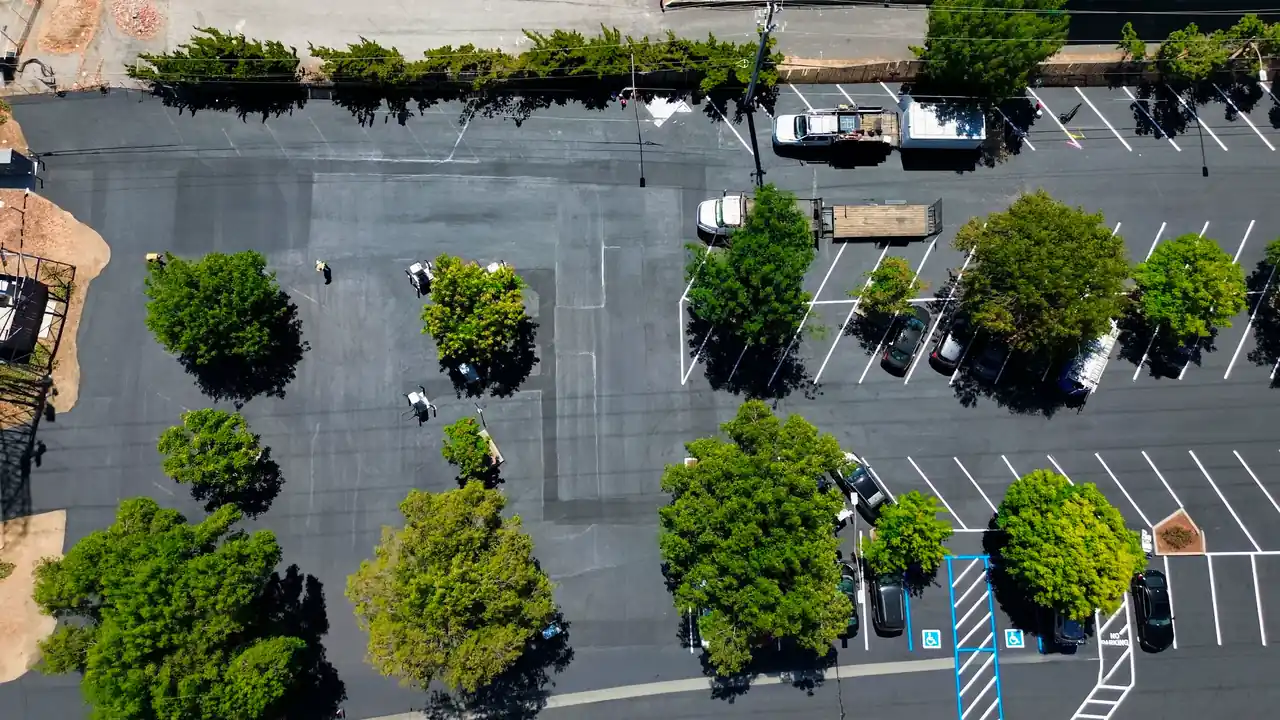
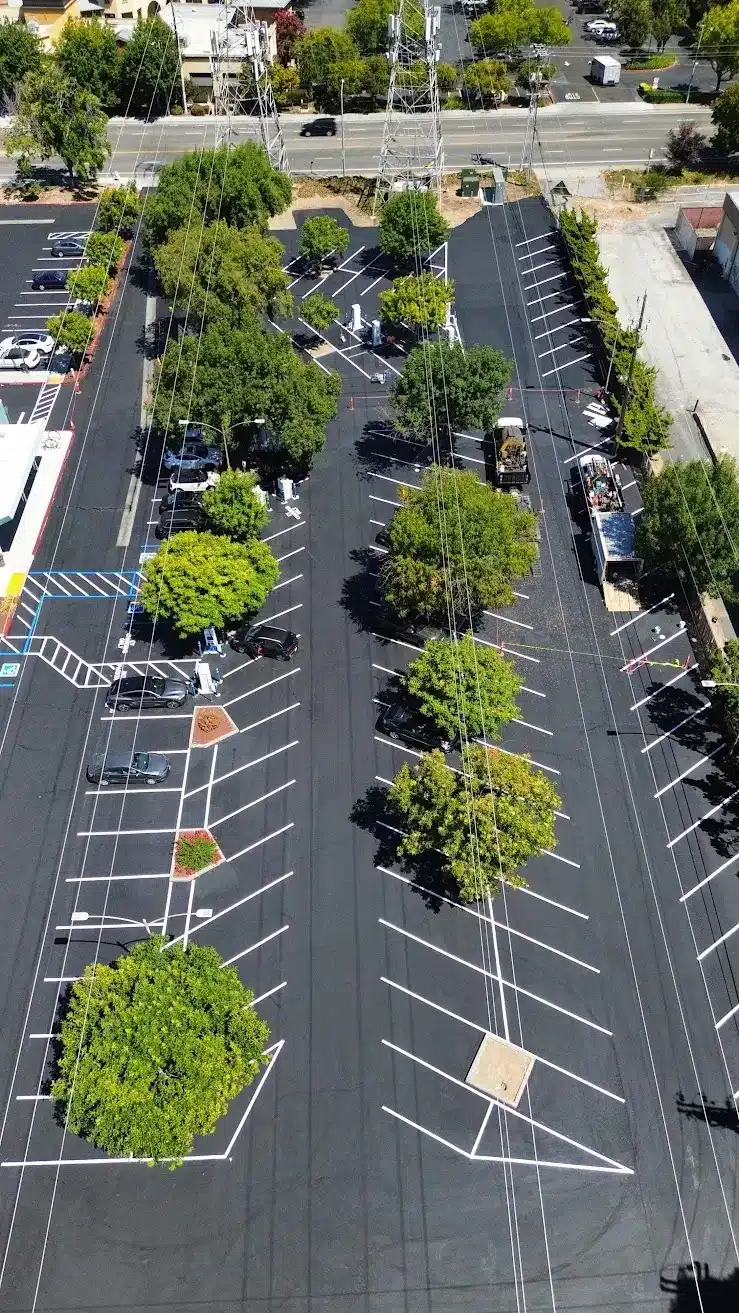
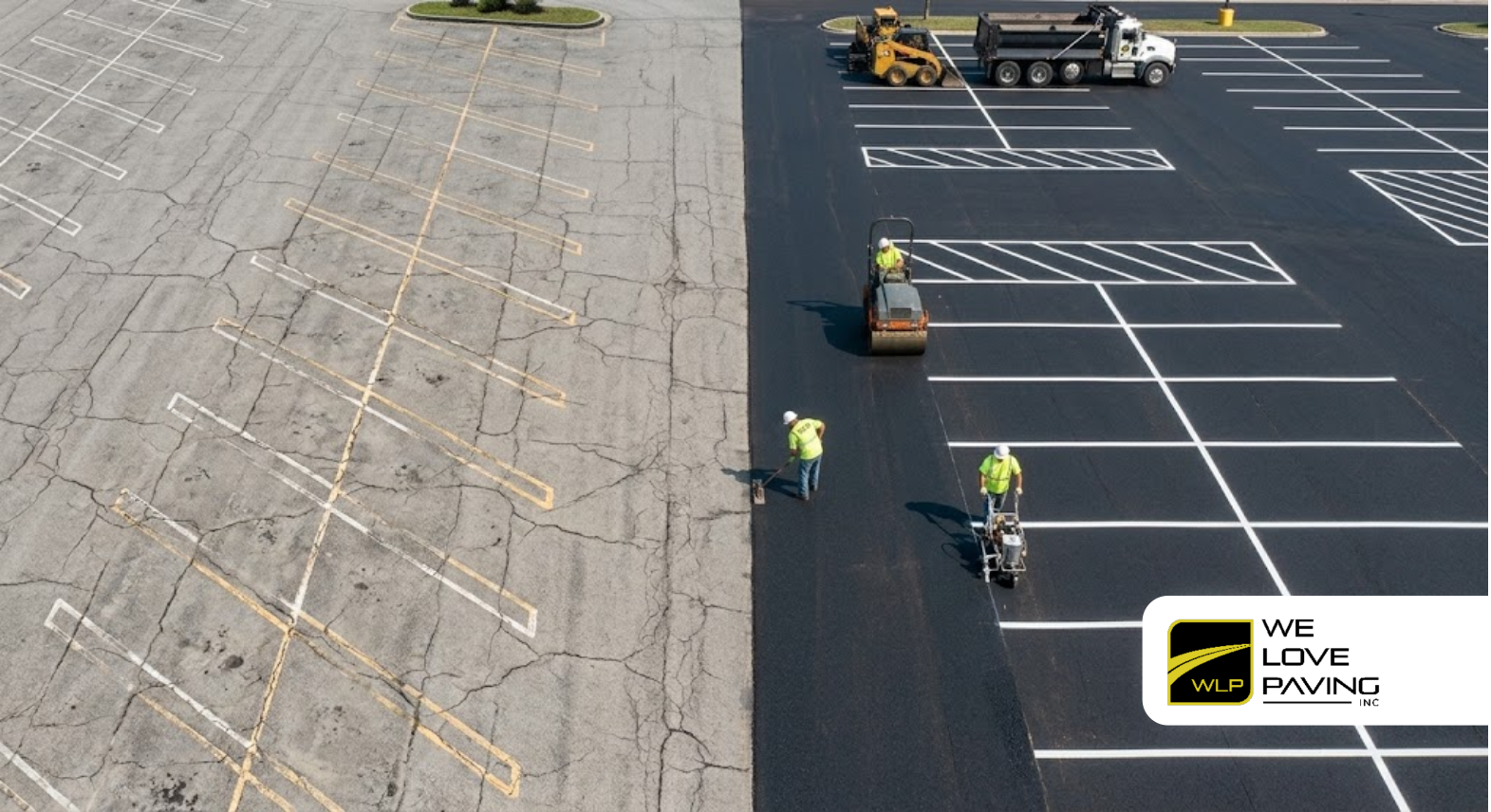
- Commercial Parking Lots: For commercial parking lots, the cost can range from $5 to $10 per square foot. These projects often require thicker asphalt layers and more extensive site preparation to accommodate heavy vehicle traffic.
- Roads and Highways: Paving roads and highways can be more expensive, ranging from $7 to $15 per square foot or more, depending on the thickness of the asphalt, the size of the project, and additional requirements such as lane markings or drainage systems.
What to Consider When Budgeting for Asphalt Paving
When planning an asphalt paving project, it’s important to consider both the initial cost and the long-term value. Here are some tips to keep in mind:
1. Get Multiple Quotes
It’s always a good idea to get multiple quotes from reputable paving contractors. This allows you to compare prices, understand what’s included in the estimate, and choose the best option for your budget and needs.
2. Consider Longevity and Maintenance
While it might be tempting to choose the lowest bid, consider the quality of materials and workmanship. Investing in a thicker asphalt layer or higher-quality materials can result in a longer-lasting surface that requires less maintenance over time, potentially saving money in the long run.
3. Plan for Maintenance
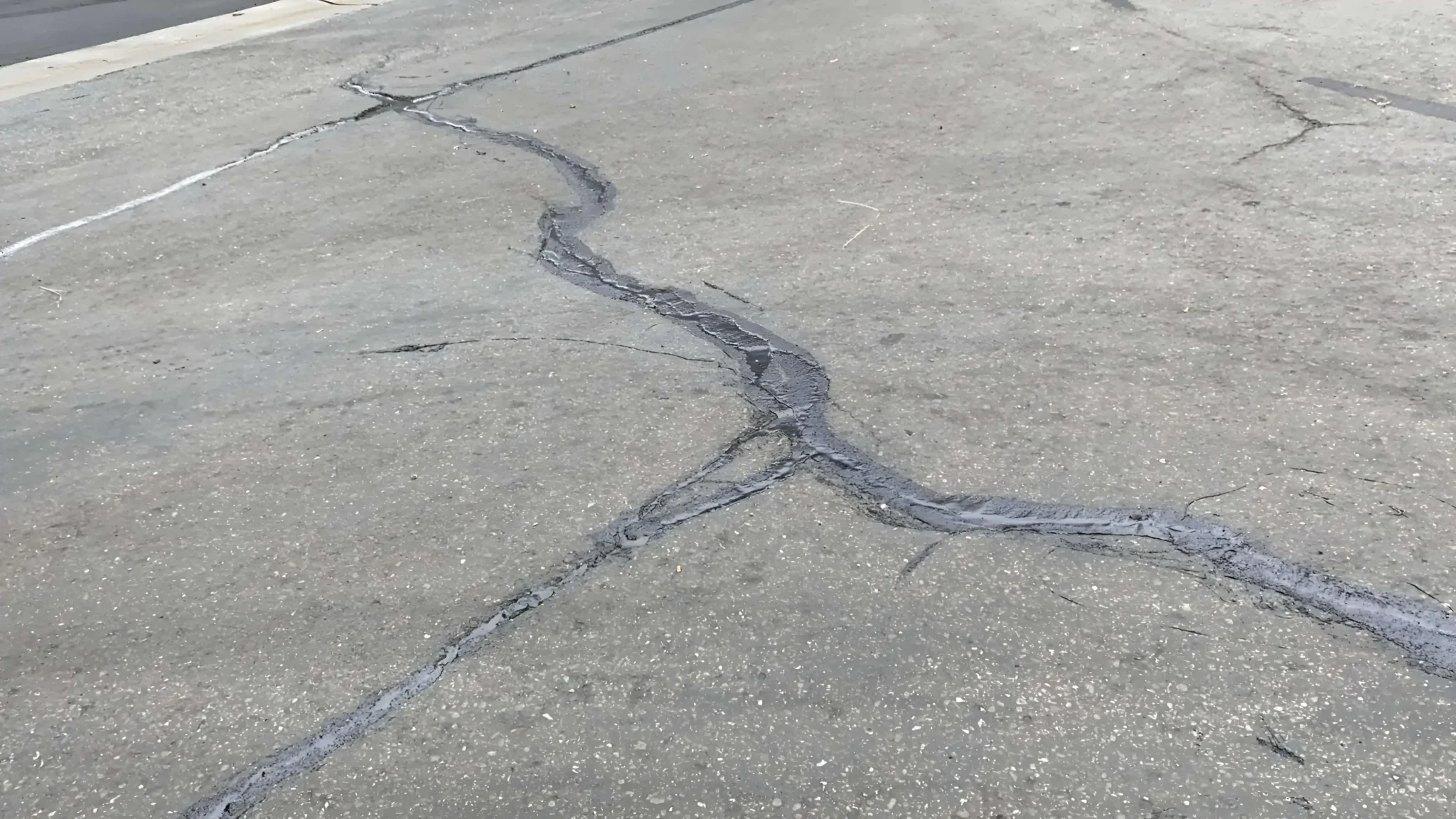
Asphalt surfaces require regular maintenance, such as sealcoating, crack sealing, and occasional repairs, to extend their lifespan. Factor these ongoing costs into your budget to ensure your asphalt surface remains in good condition for years to come.
4. Think About Future Needs
Consider how the asphalt surface will be used in the future. If you anticipate increased traffic or the need for heavy equipment, it might be worth investing in a thicker asphalt layer or additional reinforcements now to avoid costly upgrades later.
Conclusion
The square foot price for asphalt paving can vary based on a range of factors, including material costs, project size, site conditions, and geographic location. Understanding these factors and getting detailed estimates from contractors can help you budget effectively and ensure that your asphalt paving project meets your needs and expectations. Whether you’re paving a residential driveway, a commercial parking lot, or a roadway, investing in quality materials and professional installation will provide long-term value and durability.