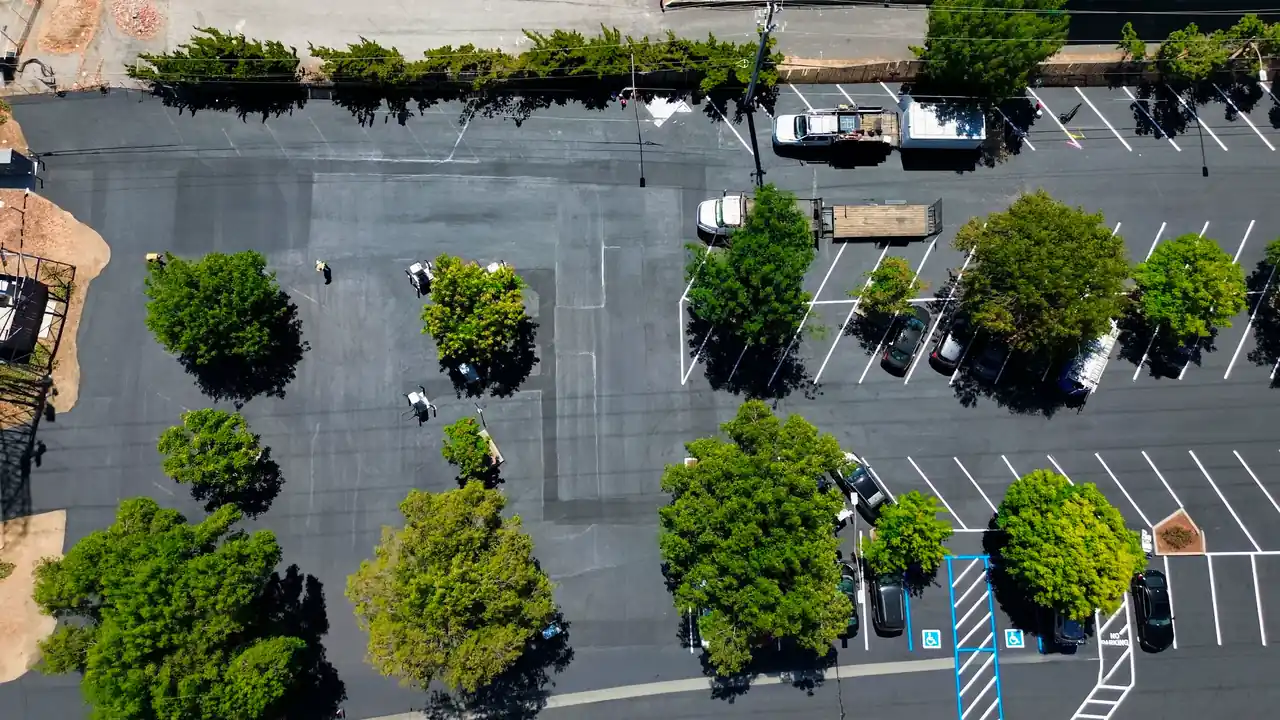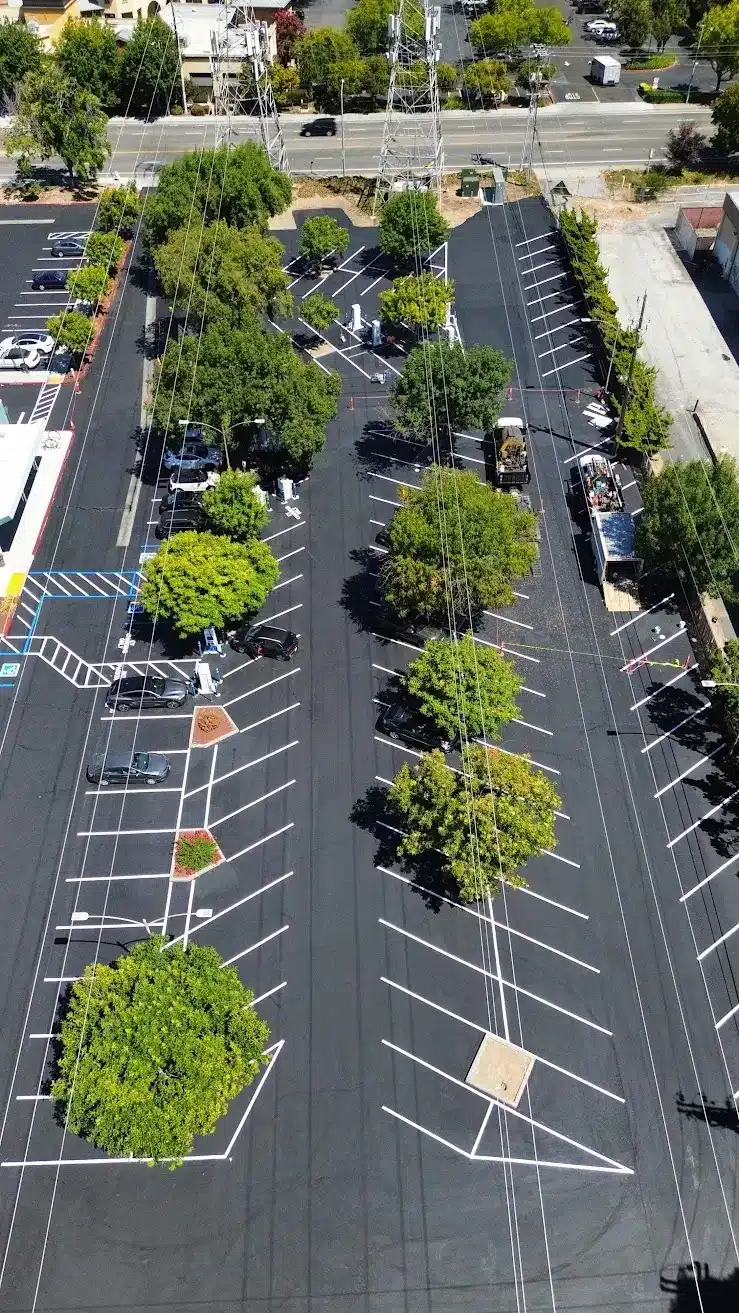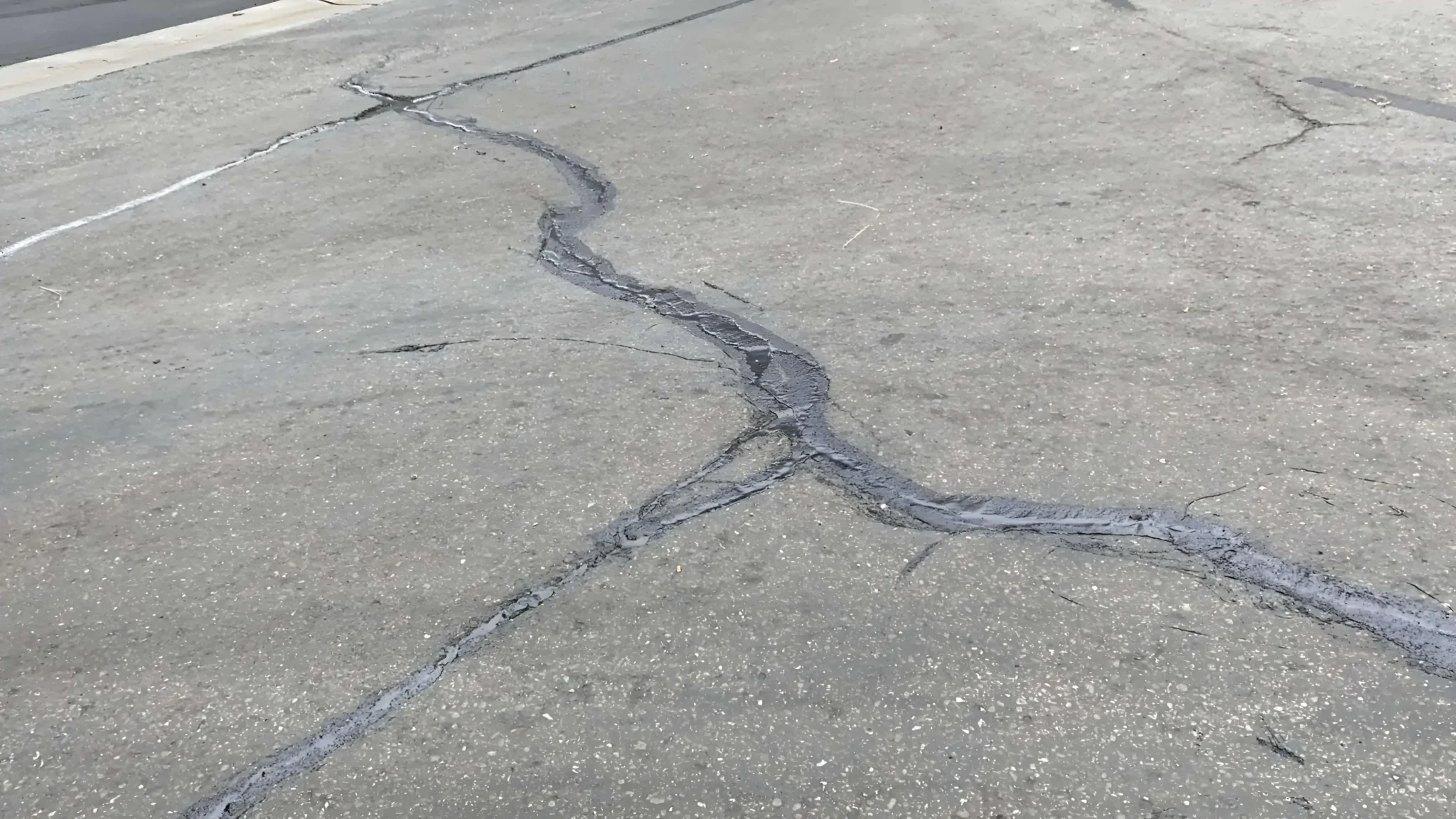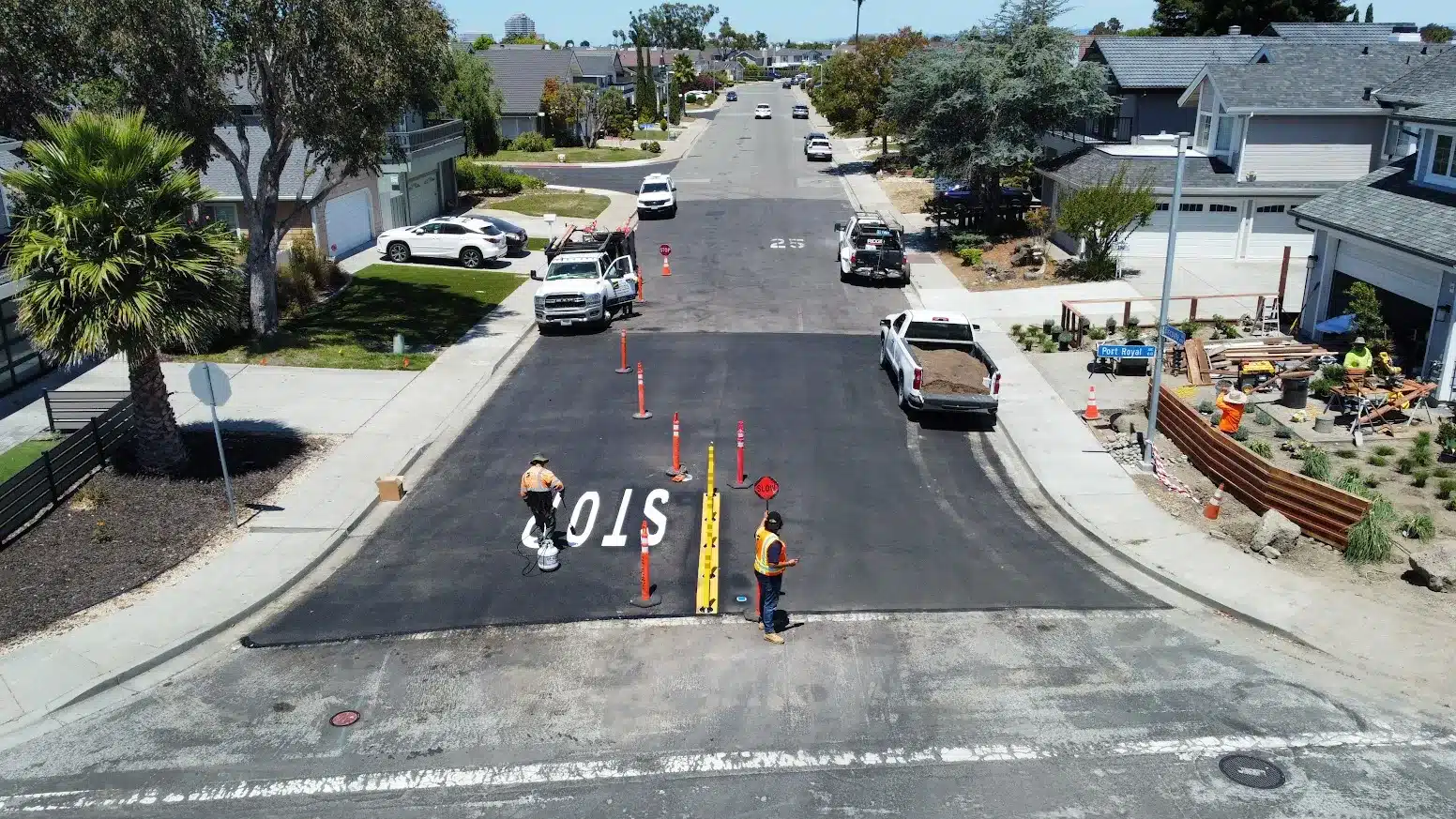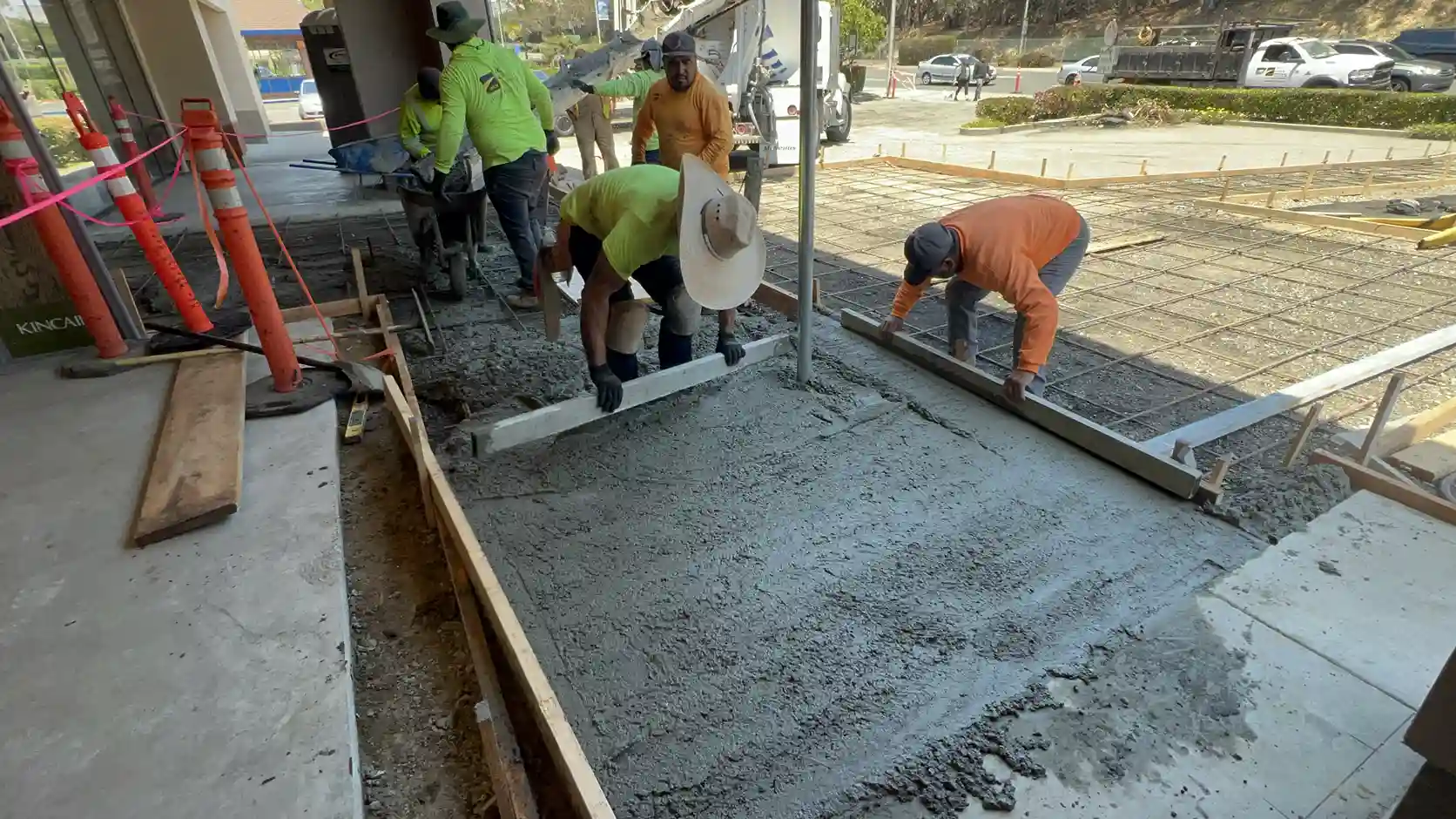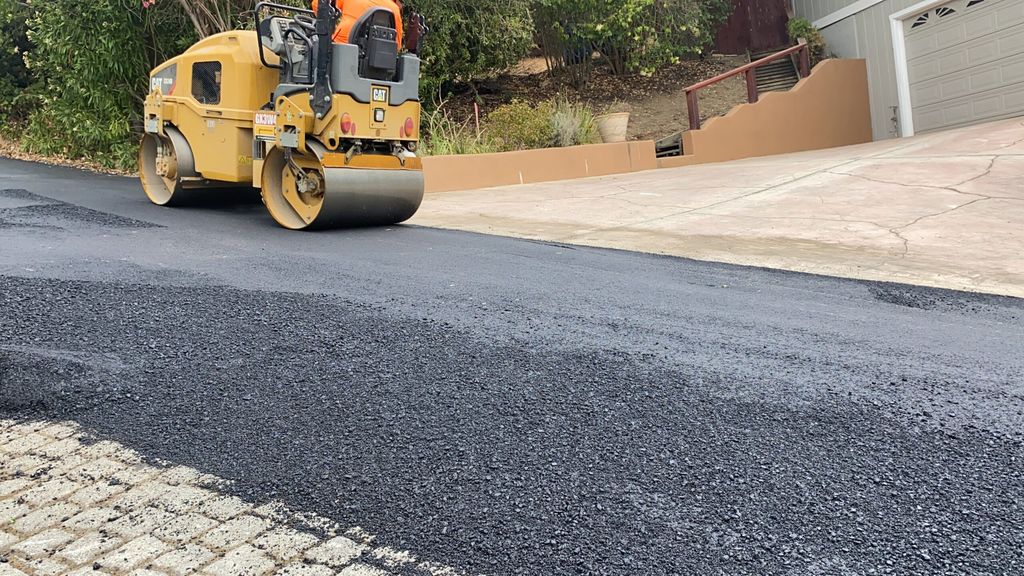
In today’s rapidly urbanizing world, the way we build and maintain infrastructure has a profound impact on the environment. Paving solutions, particularly asphalt and concrete, play a significant role in shaping cities, but they can also contribute to sustainability efforts when implemented strategically. This article explores how modern paving techniques can support eco-friendly urban development while ensuring durability, safety, and compliance with regulations like the Americans with Disabilities Act (ADA).
Permeable Pavement: A Smart Solution for Water Management
One of the biggest environmental challenges in urban areas is stormwater runoff, which can lead to flooding, water pollution, and soil erosion. Permeable pavement addresses this issue by allowing water to pass through its surface and be absorbed into the ground. This innovative paving solution reduces strain on drainage systems and helps replenish groundwater supplies.
Benefits of permeable pavement include:
-
Reduced stormwater runoff and improved water quality.
-
Lower risk of flooding in urban areas.
-
Enhanced durability in extreme weather conditions.
Recycled Asphalt and Eco-Friendly Materials: Reducing Carbon Footprint
The paving industry is shifting towards sustainable materials that reduce waste and energy consumption. Recycled asphalt pavement (RAP) is one such innovation that repurposes old asphalt instead of sending it to landfills. Additionally, the use of eco-friendly binders, such as bio-based alternatives, further enhances sustainability.
Advantages of using recycled materials:
-
Decreased reliance on virgin materials, conserving natural resources.
-
Lower greenhouse gas emissions during production.
-
Cost savings for municipalities and businesses.
Heat-Reducing Pavements: Combating the Urban Heat Island Effect
Cities tend to be significantly warmer than their surrounding rural areas due to the heat retention properties of traditional asphalt. This phenomenon, known as the Urban Heat Island (UHI) effect, increases energy consumption, raises cooling costs, and exacerbates climate change.
To mitigate this issue, innovative paving technologies such as cool pavements are being implemented. These solutions use reflective materials to absorb less heat, keeping surfaces cooler and reducing overall city temperatures.
Key benefits of heat-reducing pavements:
-
Lower surface temperatures, improving comfort in urban areas.
-
Reduced energy consumption for air conditioning.
-
Enhanced road longevity by minimizing heat-induced deterioration.
Cost vs. Benefit of Sustainable Pavement Options
While eco-friendly paving solutions often require a higher initial investment, their long-term benefits outweigh the costs. Sustainable pavements require less maintenance, extend the lifespan of roads, and contribute to a healthier urban environment. Municipalities and businesses should consider these factors when making infrastructure investment decisions.
Comparing traditional vs. sustainable pavement:
-
Initial Cost: Sustainable options may be slightly higher but offer long-term savings.
-
Maintenance: Eco-friendly materials tend to last longer and require less upkeep.
-
Environmental Impact: Reduced carbon footprint and lower resource consumption.
ADA Compliance and Sustainability: A Synergistic Approach
Sustainable paving and accessibility go hand in hand. ADA-compliant walkways and parking lots should prioritize eco-friendly materials while ensuring safe and smooth navigation for all individuals, including those with disabilities.
Best practices for ADA-compliant sustainable paving:
-
Using slip-resistant, recycled materials for sidewalks and pathways.
-
Ensuring proper grading and drainage to prevent water pooling.
-
Integrating durable, long-lasting materials that reduce repair frequency.
Conclusion: Paving the Way for a Greener Future
As cities grow, the demand for sustainable infrastructure becomes increasingly critical. By adopting eco-friendly paving solutions such as permeable pavements, recycled materials, and heat-reducing technologies, urban areas can reduce their environmental footprint while enhancing functionality and accessibility. WE LOVE PAVING is committed to providing innovative, high-quality paving solutions that not only meet industry standards but also contribute to a more sustainable future.
Would you like to explore how sustainable paving can benefit your project? Contact us today to learn more about our eco-friendly paving solutions!