Choosing between pavers and concrete depends on prioritizing initial cost versus long-term value. In Northern California, pavers outperform concrete in structural durability and load-bearing capacity, while concrete offers faster installation at a lower entry price point. However, factors such as seismic activity and Sacramento’s expansive clay soils make the modular flexibility of pavers the technically superior choice to prevent irreversible cracking.
Durability and Structural Resilience
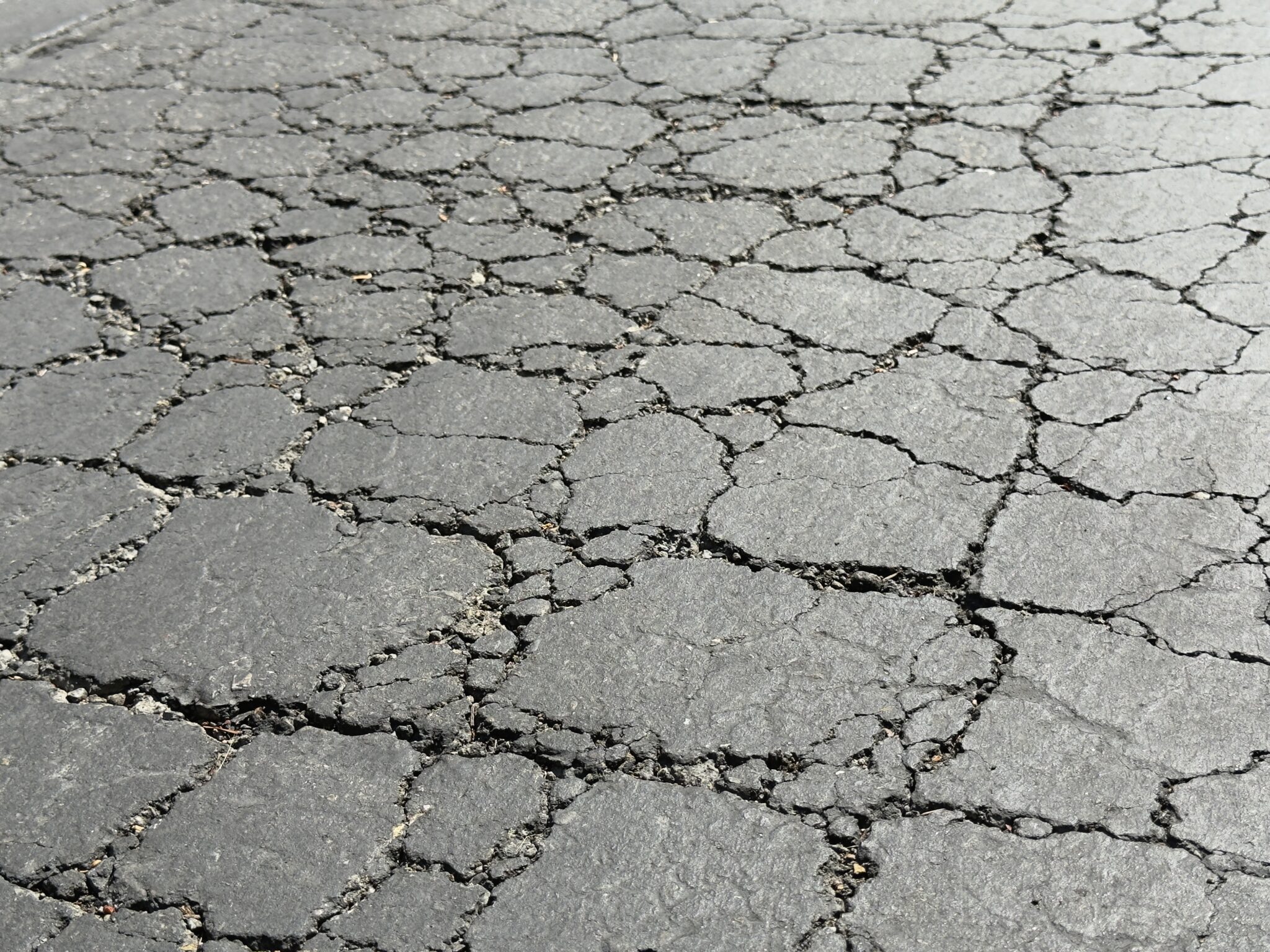
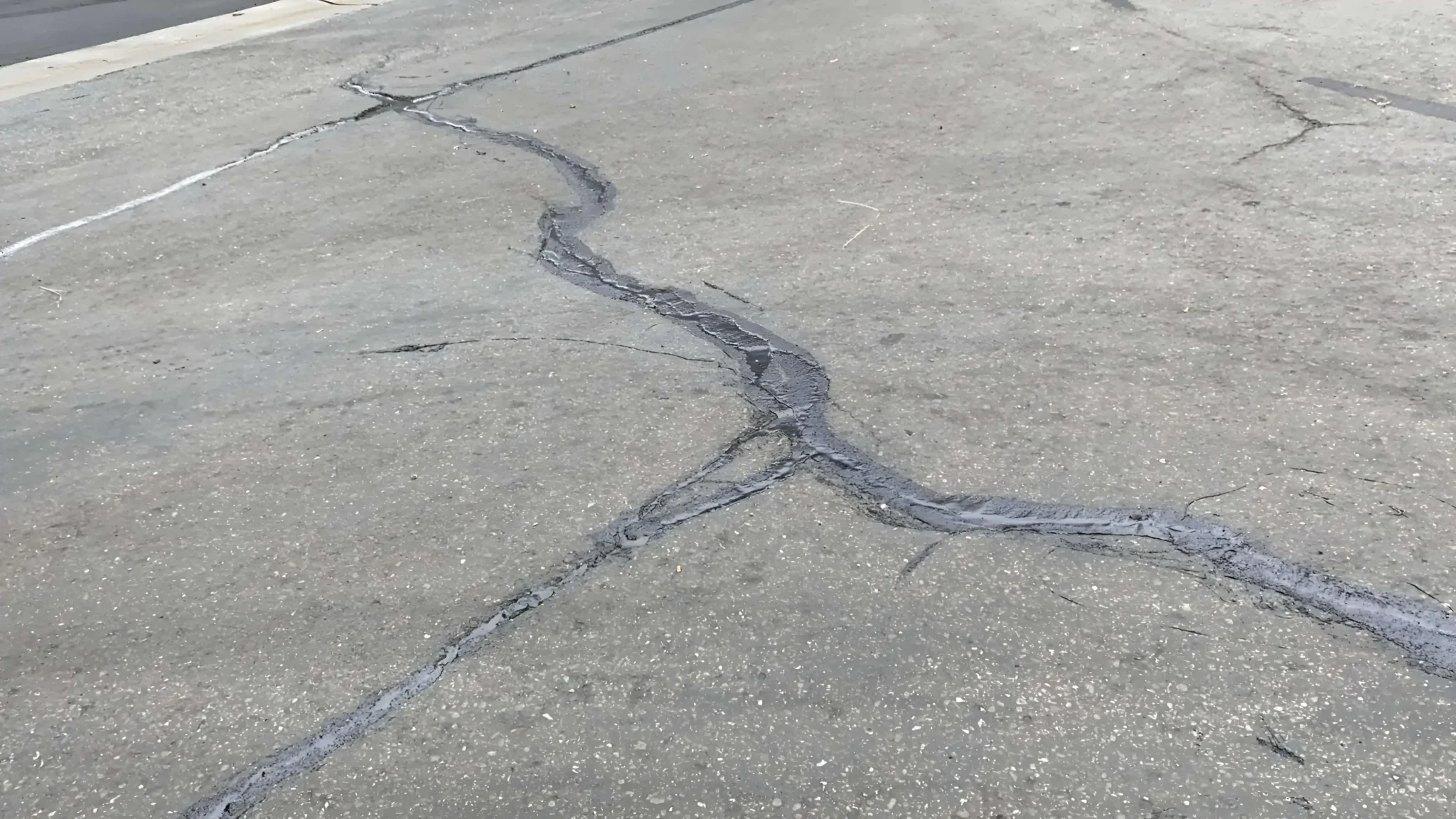
Traditional concrete is a rigid surface. While extremely strong, it lacks the ability to expand and contract without fracturing. In regions with thermal fluctuations and soil movement, cracks are inevitable. Conversely, paver systems function as a flexible surface. Composed of individual units interconnected with polymeric sand, they distribute weight loads evenly, allowing for minor shifts without compromising the system’s integrity. This is one reason why paver benefits include superior compressive strength, often exceeding 8,000 PSI, compared to the 3,000-4,000 PSI of standard concrete.
Maintenance and Lifecycle Analysis
A common mistake is evaluating only the installation price. Concrete requires periodic sealing, and if it cracks, repairs often leave visible “patches” that degrade aesthetics. Pavers, although requiring a higher initial investment, allow for invisible repairs. If a piece becomes stained or broken, only that unit is replaced. When evaluating the pros and cons of each material, the ability to access underground utilities without destroying the surface is a decisive factor for homeowners in dense urban areas.
Geographical Considerations: The Sacramento Factor
Soil in the Central Valley and the Bay Area presents specific challenges. High expansive clay content exerts pressure on concrete slabs from below. When understanding concreting, it is evident that without massive steel reinforcement and strategic expansion joints, the lifespan is drastically reduced. Pavers mitigate this risk naturally thanks to their compacted aggregate base that allows for drainage and soil adaptation.
| Feature | Pavers | Traditional Concrete |
| Strength (PSI) | 8,000+ | 3,000 – 4,000 |
| Flexibility | High (Modular) | None (Rigid) |
| Lifespan | 30 – 50 years | 15 – 25 years |
| Repairability | Excellent (Individual) | Difficult (Visible patches) |
| Permeability | Optional (Drainage) | Very Low |
The Next Step: Property Valuation
Installing pavers is not just an aesthetic upgrade; it is an investment in resale value. Appraisers typically assign higher value to properties with modular pavements due to their longevity and lower future maintenance costs. Before deciding, consider whether you are looking for a temporary solution or a surface that will withstand decades in California’s dynamic environment.