Ah, Pavement Maintenance… Who Needs It?
Let’s face it: who has time to care for their pavement? It’s just a slab of asphalt sitting there, right? WRONG. If you are looking for how to depreciate rental property effectively, that neglected pavement is actually a silent killer of your cash flow. It’s not just a passive piece of your property; it’s a financial asset that, if ignored, drags down your property value faster than a reality TV scandal. But if you manage it right, it’s your best tax move of the year.
Tax Strategy: The Power of Land Improvements
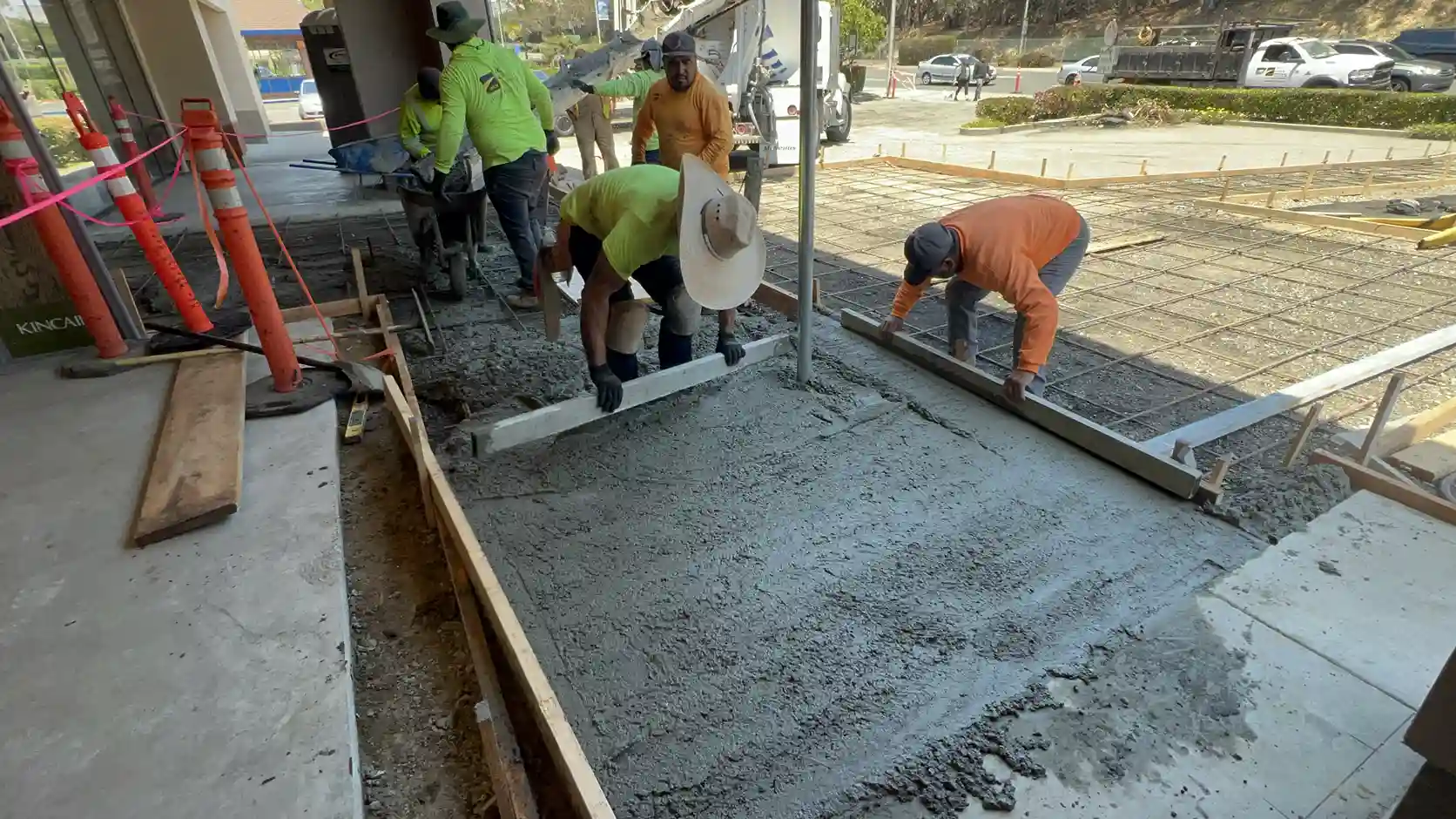
In the realm of rental property depreciation, pavement should not be viewed merely as a surface, but as a Land Improvement. Under current accounting regulations, while a residential building structure depreciates over a 27.5-year cycle, external infrastructure assets such as asphalt, sidewalks, and fences qualify for an accelerated 15-year recovery period. This distinction is vital for maximizing immediate cash flow. By correctly categorizing paving projects, property owners can take advantage of bonus depreciation, allowing for the deduction of a significant percentage of the cost in the first year. Failing to treat your parking lot as a separate depreciable asset is leaving money on the table and underestimating the strategic value of your road infrastructure before tax authorities.
Cracks and Potholes: Nature’s Revenge
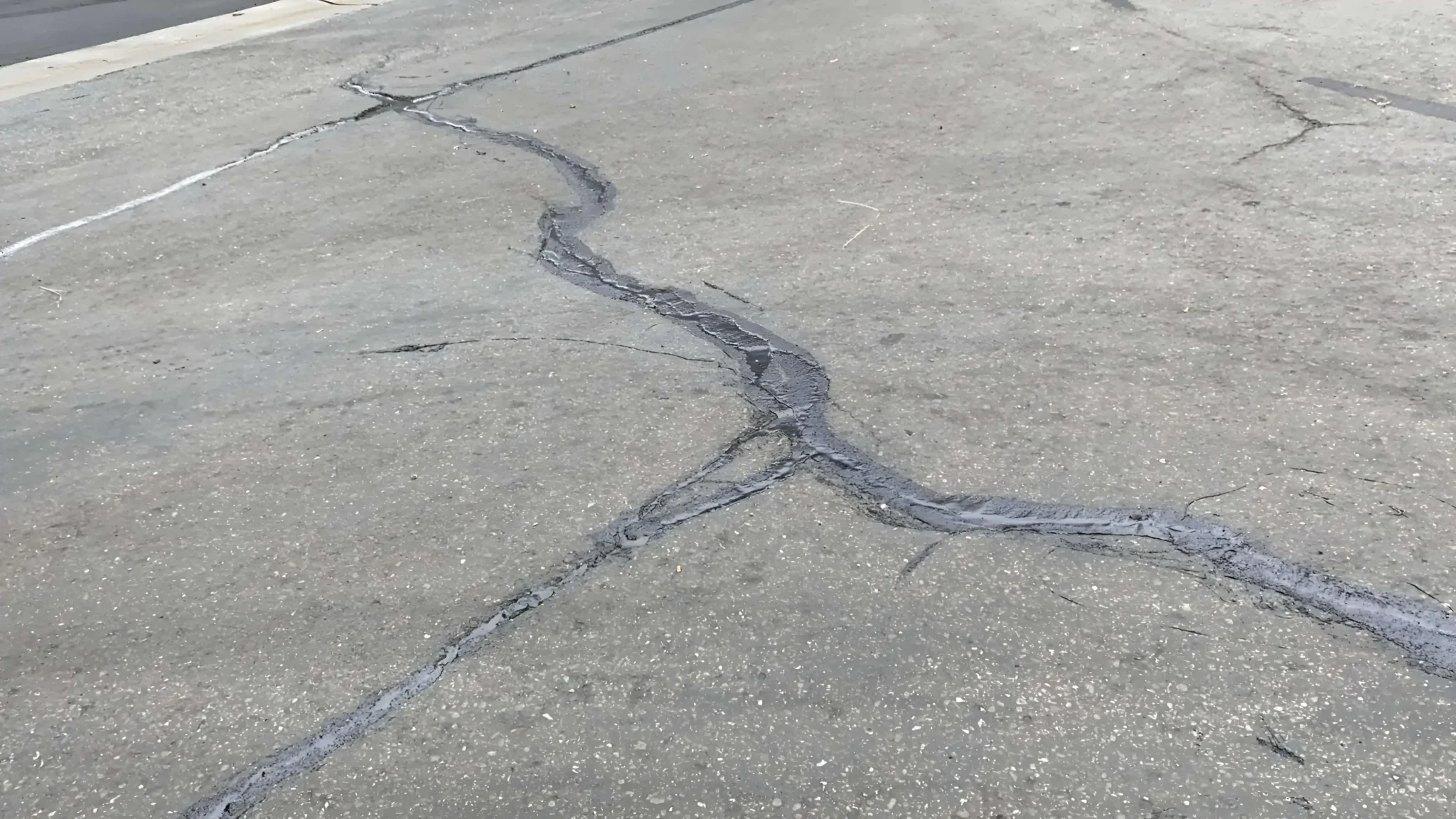
Sure, those tiny cracks in your driveway or parking lot look innocent enough now. But give it a year (or a harsh winter), and BAM – they’ll evolve into potholes large enough to swallow small pets or compact cars. Congratulations, you’ve just created a sinkhole starter kit!
What’s next? Your driveway will star in a viral TikTok titled, “The Day I Lost My Tires and My Dignity.” But hey, who cares? It’s not like first impressions matter when selling or leasing a property… oh wait, they totally do.
Seal Coating? Sounds Like a Luxury Spa Treatment
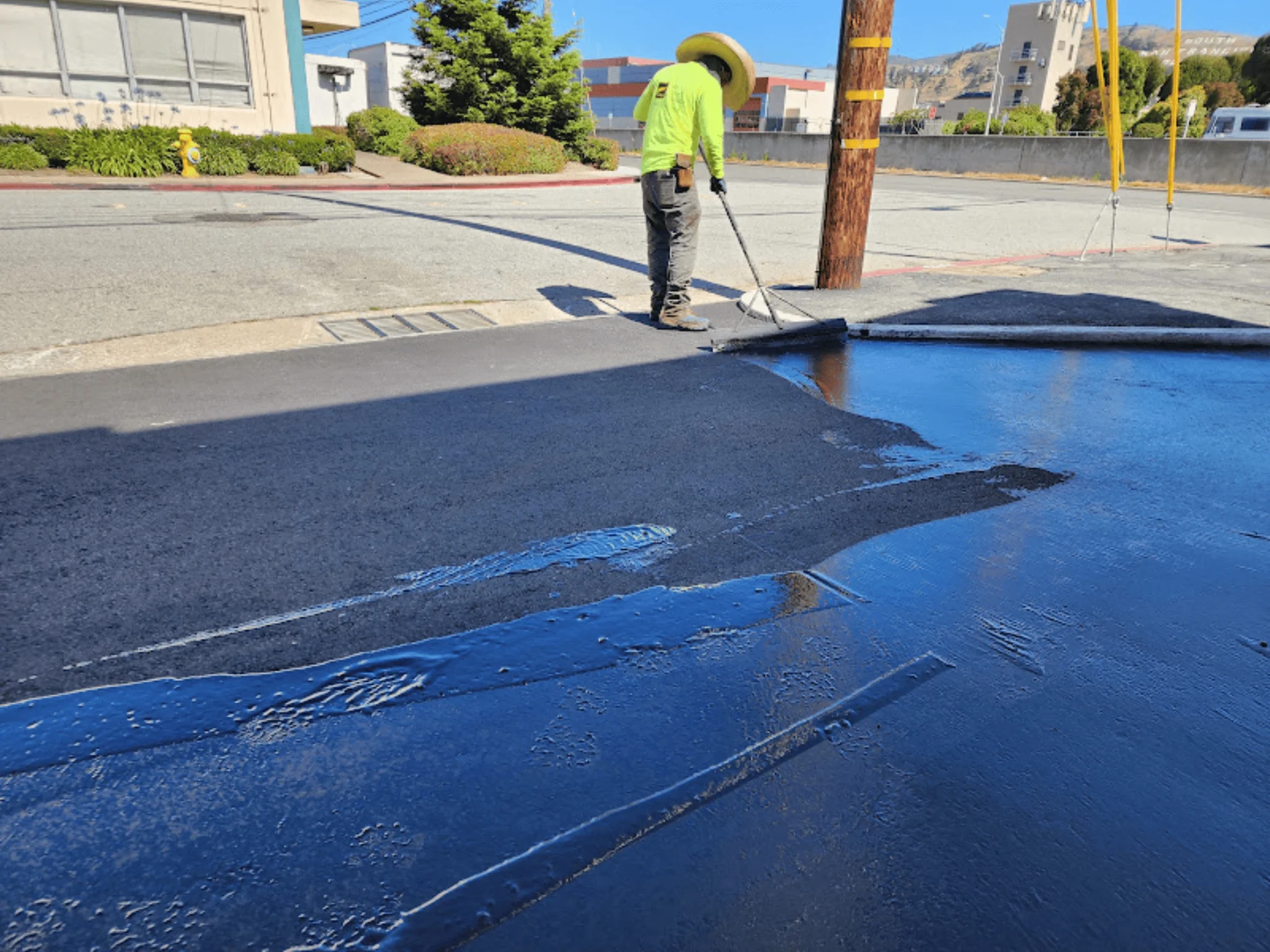
If you think seal coating is just for overachievers, think again. Neglecting it is like skipping sunscreen on a beach day – your pavement will age prematurely, crack under pressure, and look like it’s been through one too many midlife crises.
By ignoring seal coating, you’re essentially saying, “UV rays, moisture, and oil stains, please have a party on my pavement!” Don’t be surprised when your property starts resembling a post-apocalyptic movie set.
Technical Differentiation: Repair Expense vs. Capitalization
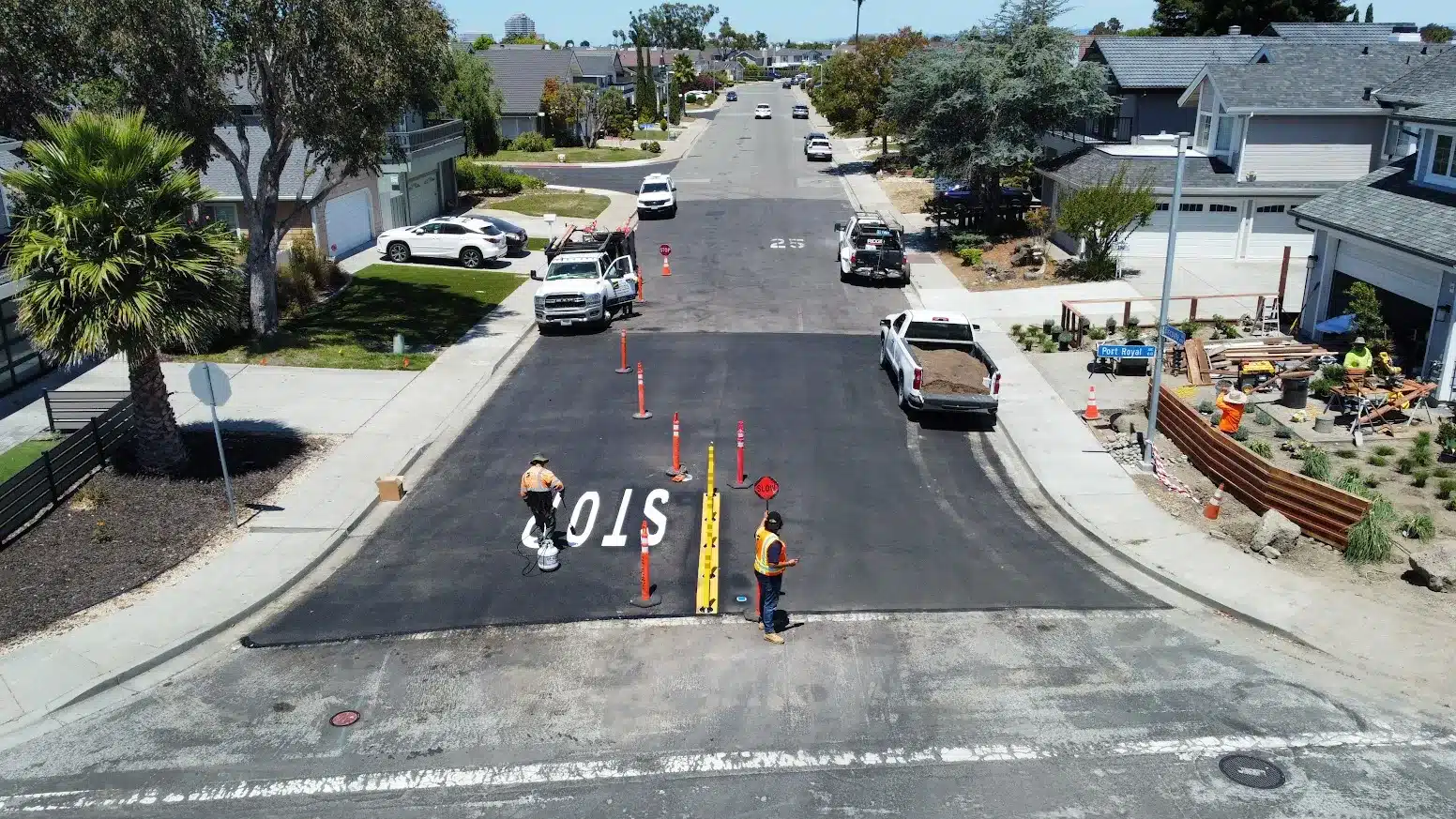
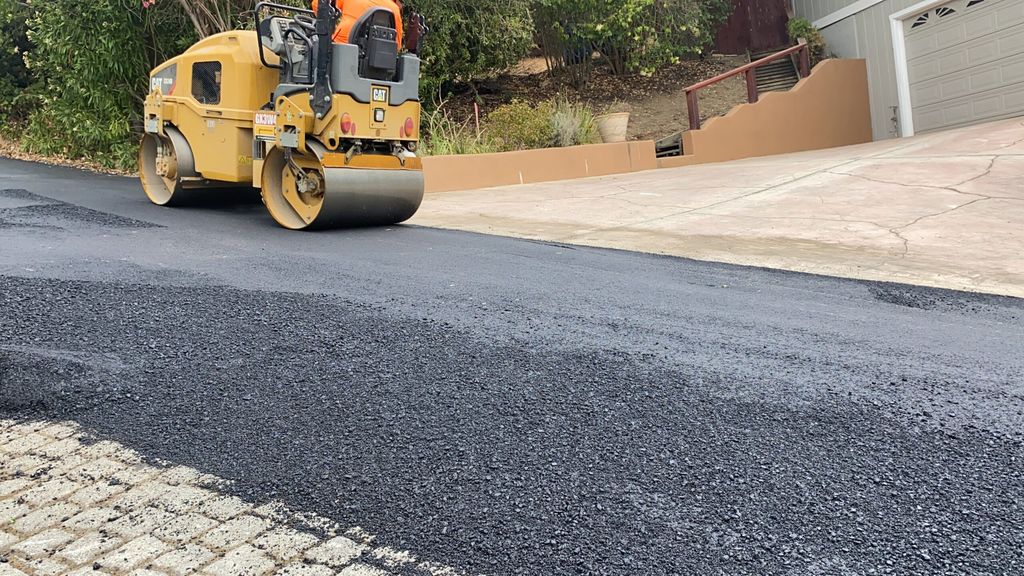
It is crucial to distinguish between a necessary repair and a capital improvement. Preventive maintenance, such as seal coating or minor pothole patching, is considered a “repair expense” and is typically 100% deductible in the tax year it is performed. However, a full repaving (overlay) is defined as capitalization, as it extends the asset’s useful life and must be depreciated over 15 years. Understanding this technical boundary allows for precise financial planning, optimizing the balance between operational maintenance and long-term asset value appreciation.
ADA Compliance: The “Optional” Requirement (That’s Totally Not Optional)
Oh, you’re not worried about ADA compliance? Bold move. Let’s see how that plays out when the lawsuits start rolling in faster than a wheelchair on an uneven ramp. Skipping proper pavement maintenance isn’t just a cosmetic issue; it’s a legal time bomb.
Remember, nothing says, “Welcome to our property,” quite like an inaccessible entrance and a hefty fine from the government.
What’s That Smell? Oh, It’s Property Depreciation!
Here’s the thing: poorly maintained pavement doesn’t just look bad; it screams, “I’m too cheap to invest in basic upkeep.” And guess what? Potential buyers, tenants, or clients pick up on that faster than a nosy neighbor on trash day.
The result? Lower property value, fewer tenants, and the unenviable title of “That Place with the Death Trap Parking Lot.” Congrats, you played yourself.
The Silver Lining (or Should We Say Blacktop?)
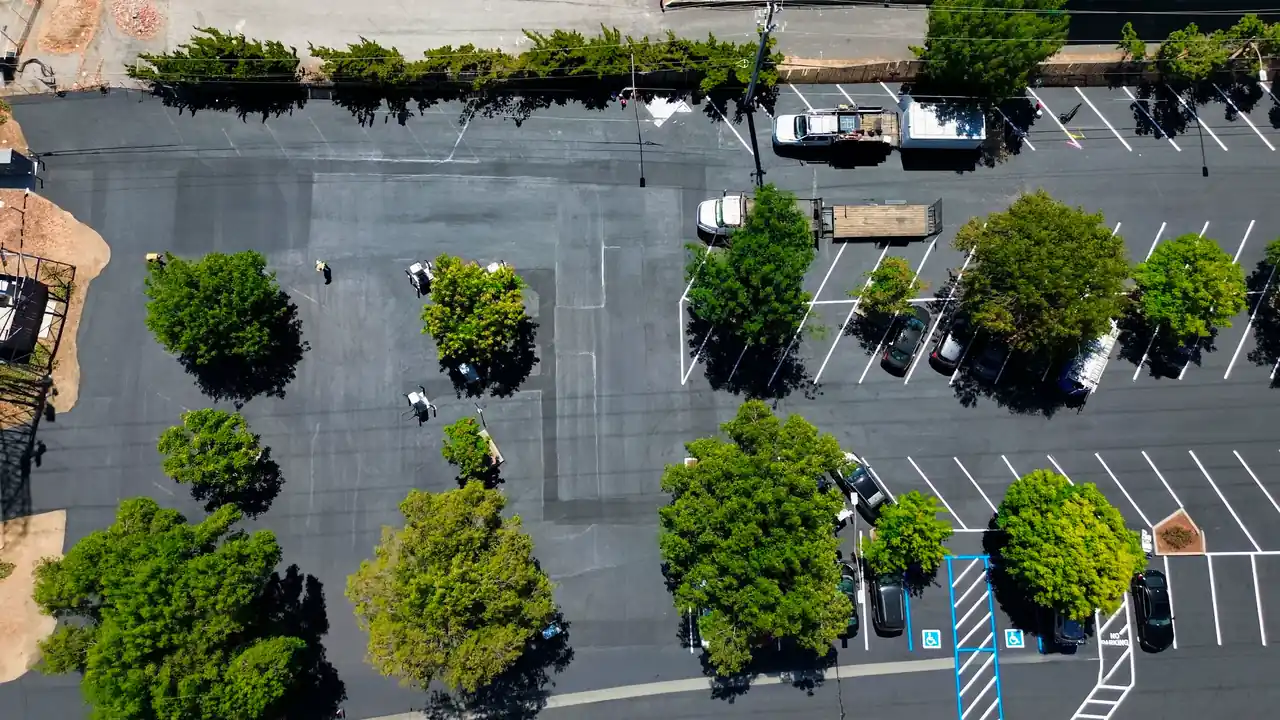
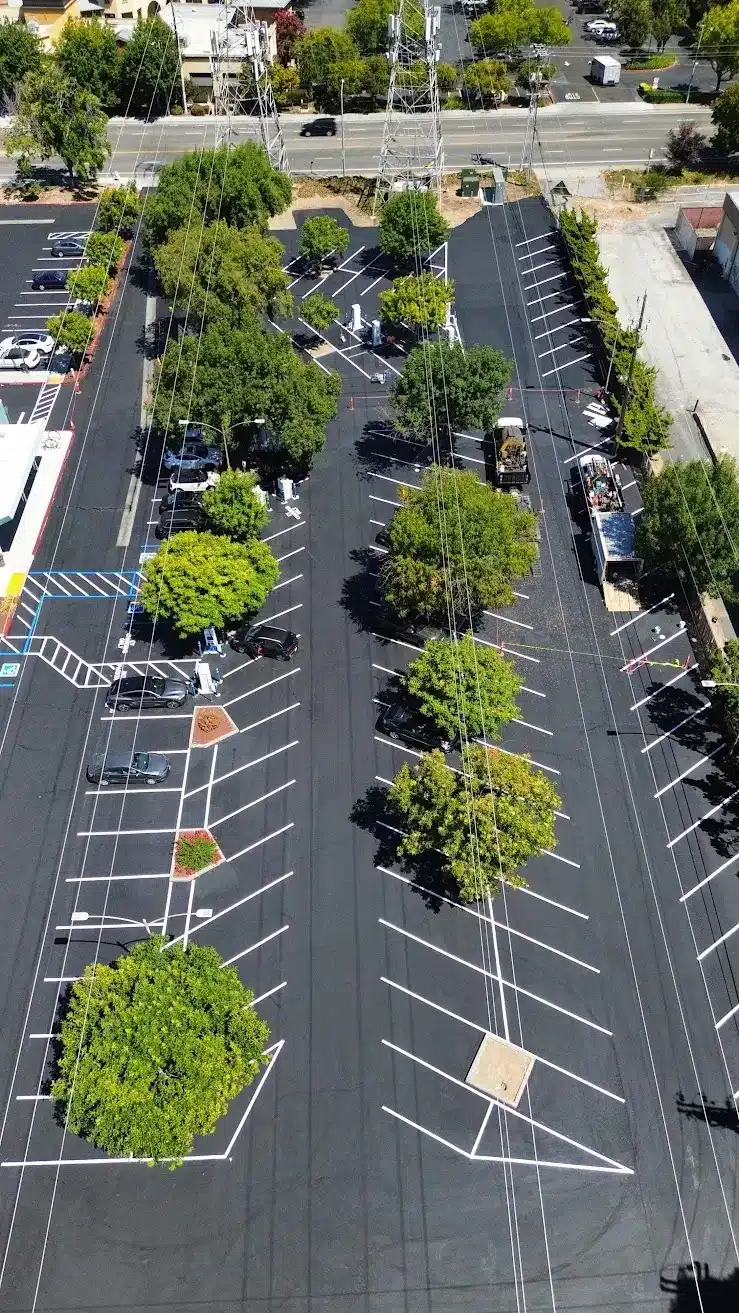
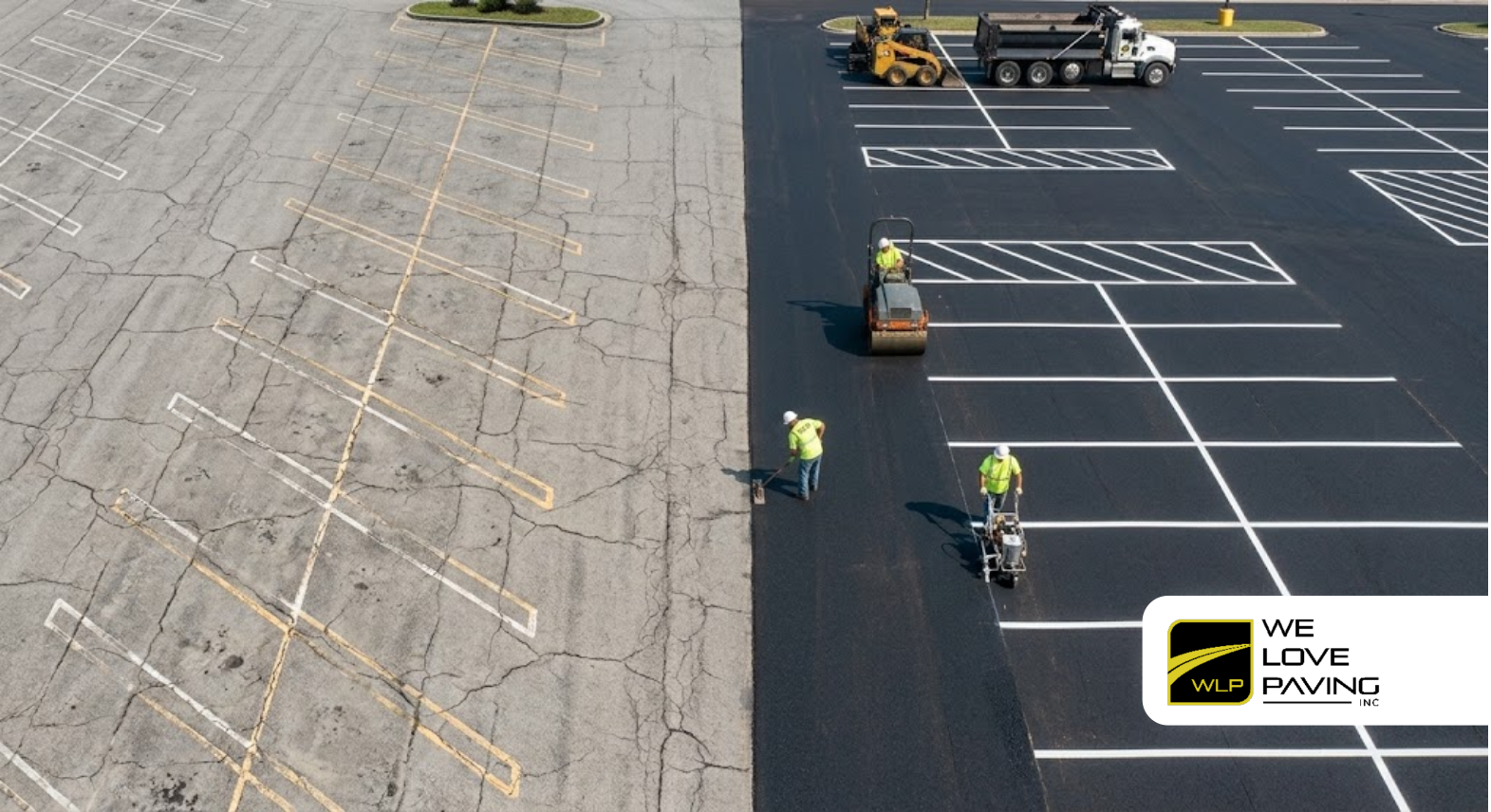
The good news? It’s never too late to turn things around. A little seal coating here, some crack repairs there, and maybe even a fresh coat of paint for your parking lot stripes can work wonders. Think of it as a makeover, but for your property’s “face.”
So, unless you’re actively trying to create a modern art installation called “The Decay of Neglect,” it’s time to give your pavement the love and attention it deserves. Because nothing says, “I care about my property” like smooth, shiny, well-maintained pavement. And hey, who doesn’t love a good glow-up?
ADA Compliance: Risk Mitigation and Civil Liability
ADA (Americans with Disabilities Act) regulations are not an aesthetic suggestion but a mandatory compliance standard that acts as a risk mitigation shield. Neglected pavement with vertical changes greater than 1/4 inch can lead to costly litigation and administrative penalties. Maintaining cross slopes below 2% and ensuring crack-free accessible routes not only protects users but also preserves the legal integrity of the property. Investing in legally compliant road infrastructure eliminates exposure to liability lawsuits, ensuring a safe and commercially viable property.

Don’t Let Your Investment Turn Into Rubble
At We Love Paving, we’ve seen it all: from parking lots that look like war zones to property owners saving thousands of dollars thanks to a smart Land Improvement strategy. The reality is simple: neglected pavement is a money drain, while well-managed asphalt is a powerful financial asset. Whether you need to maximize 15-year accelerated depreciation or simply prevent a crack from turning into an ADA compliance lawsuit, the time to act is now. Don’t let neglect erode your property value. Give your infrastructure the expert treatment it deserves and transform that “expense” into a strategic investment. Ready for your property’s most profitable glow-up? Let’s make it happen.