Sealcoating can fail before traffic ever returns to the lot. The pavement may be clean, the crew may be prepared, and the material may be correct, but if the temperature window is wrong, the coating can dry slowly, track under tires, wash away in moisture, or cure unevenly.
That is why sealcoating temperature requirements matter more than many property owners realize. A parking lot does not accept sealer just because the calendar says spring or because the afternoon feels warm. The surface temperature, overnight low, sunlight, humidity, wind, and rain forecast all affect whether the sealer forms the protective film it is supposed to create.
For California properties, this becomes more complicated because “good weather” means different things in different regions. A warm inland lot may become too hot by midafternoon. A coastal property may stay damp under marine air. A mountain site may look clear at noon but drop too cold before the coating has finished curing.
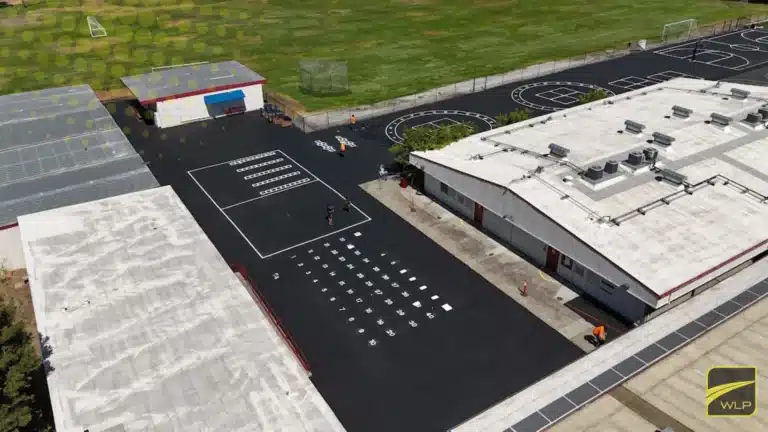
The Temperature Window Is About Curing, Not Comfort
Most sealcoating projects depend on more than the air temperature at the time work begins. The pavement itself must be warm enough, the temperature should generally be rising during application, and conditions must remain suitable long enough for the coating to cure.
Industry guidance commonly treats 50°F as a lower limit for many sealcoat applications, with better results under warmer, dry, sunny conditions. The Pavement Coatings Technology Council describes ideal sealcoating conditions as temperatures above 70°F, direct sunlight, and relative humidity below 60%, while also noting that marginal conditions can require much longer drying time. Neal Manufacturing’s application guidance also warns against applying sealer when temperatures are expected to drop below 50°F or when rain threatens before curing.
The important point is not that every job must happen at one exact temperature. The real issue is whether the material has enough warmth, light, air movement, and dry time to bond and harden properly.
A parking lot that is 52°F at 7 a.m. may not be ready if the pavement is still cold from the night before. A lot that reaches 75°F at noon may still be risky if clouds, fog, or humidity slow evaporation. A hot Central Valley lot may need scheduling early enough to avoid surface temperatures that cause the sealer to dry too quickly.
Air Temperature and Pavement Temperature Are Not the Same
Property owners often check the weather app and assume the job is safe. That is incomplete. The pavement surface can be colder than the air in the morning, hotter than the air in the afternoon, and slower to dry in shaded zones.
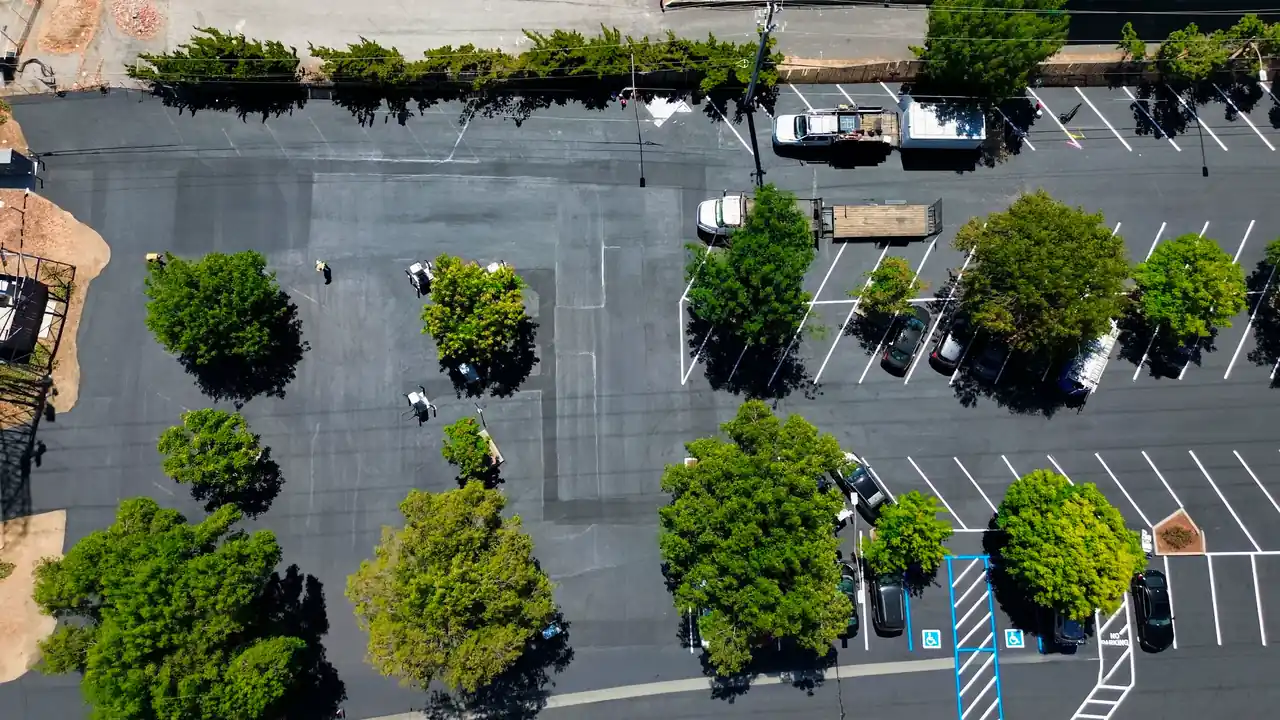
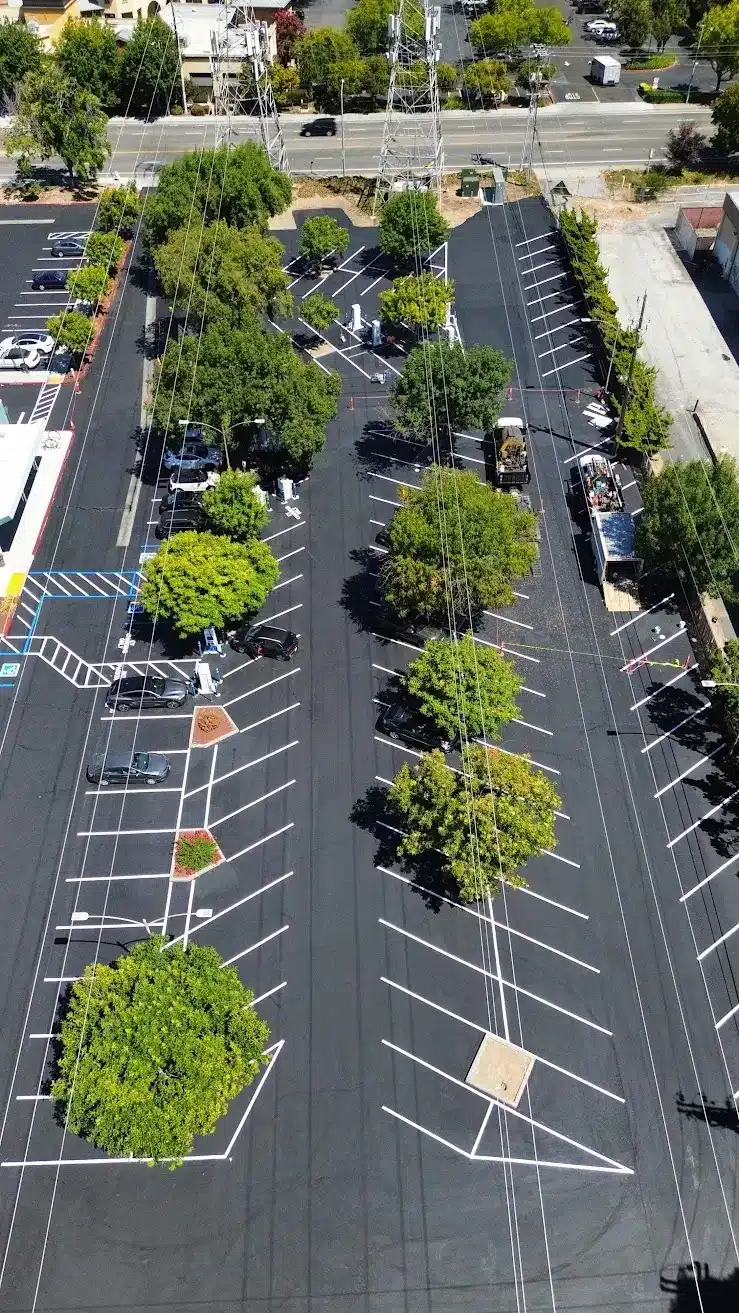
On a commercial lot, this difference shows up in predictable places. The pavement behind a building may stay cool and damp while open drive aisles warm quickly. Areas under tree shade may keep moisture longer. Dark asphalt near a wide, exposed entrance may heat aggressively by midday. A loading zone bordered by tall walls may have poor air circulation and slower curing.
This matters because sealcoat is not simply painted on top of asphalt. It needs the right surface condition to bond, dry, and resist pickup from tires.
A practical site review should look at:
- whether shaded stalls are still damp after the open lot has dried;
- whether pavement near drains or low edges holds cool moisture;
- whether patched areas absorb or release heat differently;
- whether the afternoon sun will bake exposed drive lanes too quickly;
- whether traffic can stay off the coated area long enough.
A project that ignores these details can produce uneven results: dry looking sealer in the center drive lane, tackier material near shaded edges, tire marks at turning points, or premature wear where the surface never cured evenly.
California Microclimates Change the Sealcoating Schedule
California sealcoating should not be scheduled with one statewide rule. Climate zones change the usable work window.
In coastal areas, moisture is often the limiting factor. A property may meet the air temperature requirement but still have marine layer, fog, or high humidity that slows curing. That is especially relevant for North Coast paving conditions, where damp air and variable sunlight can make a morning application less reliable than it looks on paper.
In inland valleys, heat can create the opposite problem. The morning may be excellent, but exposed pavement can become extremely hot later in the day. When sealer dries too fast, the surface can skin over before the material has settled properly. That can affect appearance, bonding, and durability.
At higher elevations, the issue is often the short usable window. The lot may warm enough during the day, then cool rapidly in the evening. For Sierra Nevada paving conditions, overnight lows, colder ground temperatures, and seasonal timing can matter as much as the daytime high.
This is why a responsible commercial sealcoating plan should be built around the actual property conditions, not just the month of the year.
Sealcoating Should Not Hide Problems That Need Preparation First
Temperature is not the only requirement. A warm, sunny day will not save a poorly prepared surface.
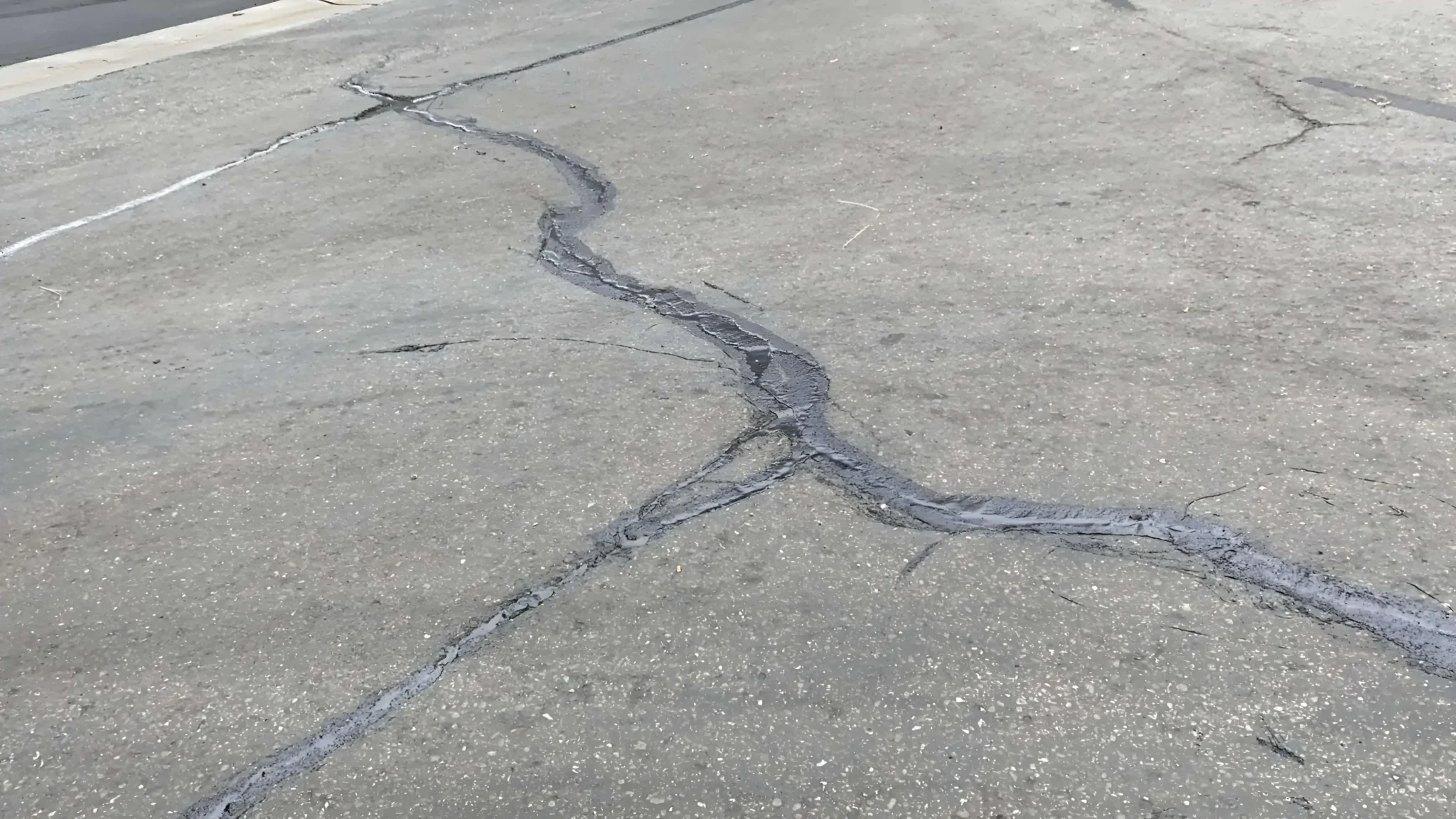
Before sealcoating, the pavement should be clean, dry, and stable enough for the coating to do its job. Oil spots, loose aggregate, standing water, heavy oxidation, and open cracks can all interfere with performance. If cracks are active or wide enough to let water into the pavement structure, crack filling may need to be addressed before the sealer is applied.
A few field signs deserve attention before scheduling:
Cracks spreading from old patch edges may indicate movement that sealer alone will not correct. Raveling near tight turning areas can signal that traffic is already loosening the surface. Water sitting along a low curb after irrigation or rain can delay drying and weaken the value of a sealcoat application. Oil-stained stalls near restaurants, trash enclosures, or loading areas may need additional preparation because sealer can struggle to bond over contamination.
Sealcoating is a preservation step, not a structural rebuild. If the surface has widespread alligator cracking, base failure, or repeated potholes, the better planning conversation may be sealcoating vs repaving rather than trying to force a coating over pavement that has already moved beyond preservation.
How Temperature Problems Show Up After the Job
Bad sealcoating conditions often reveal themselves quickly.
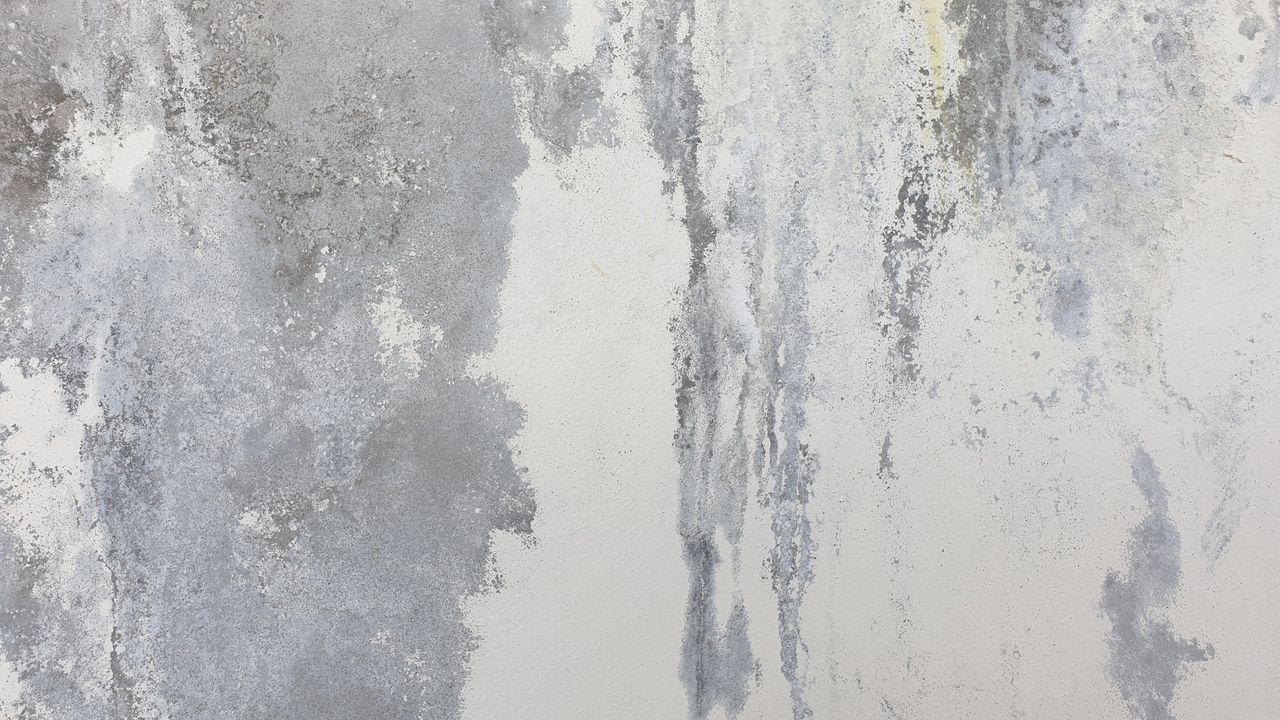
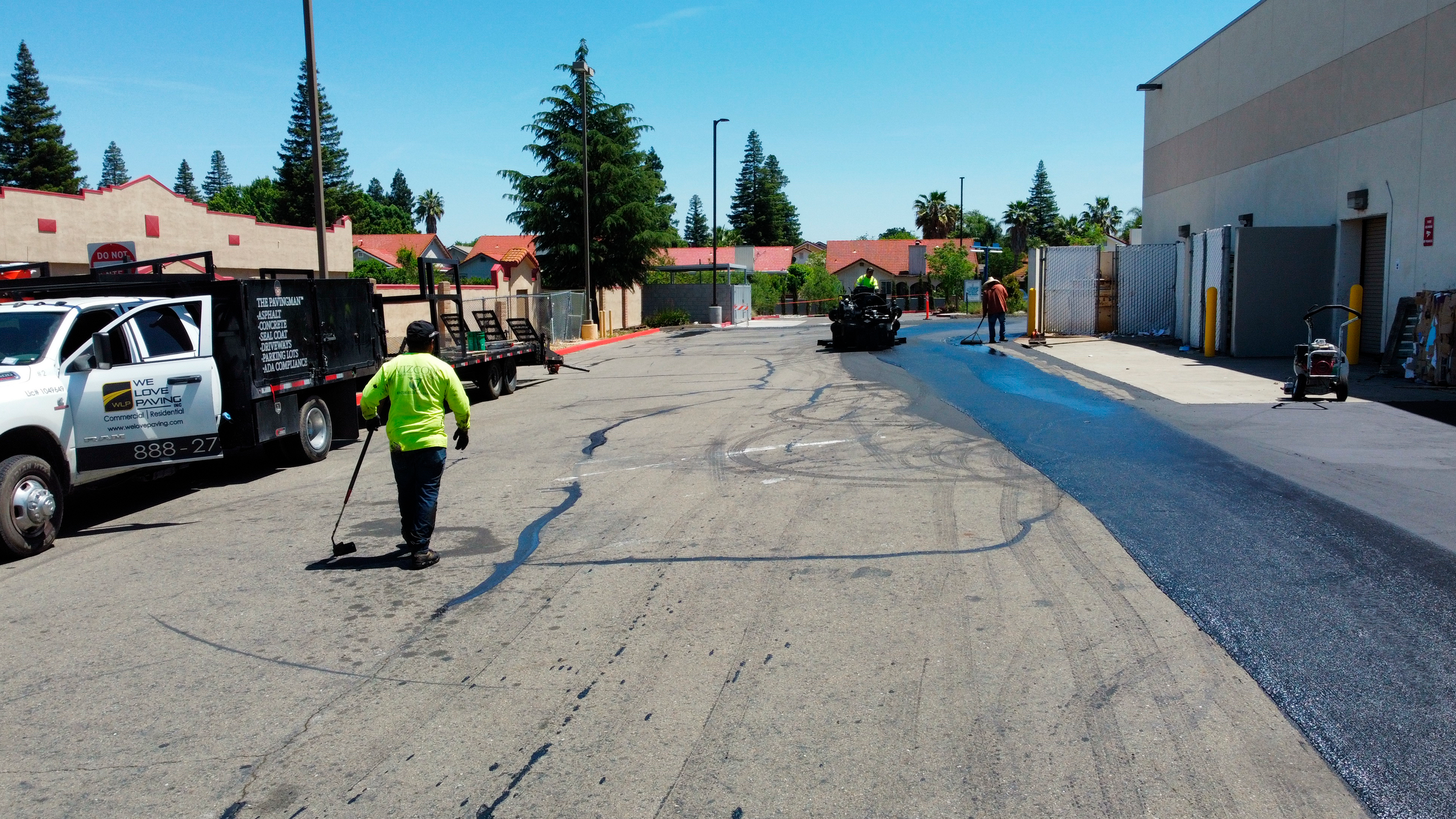
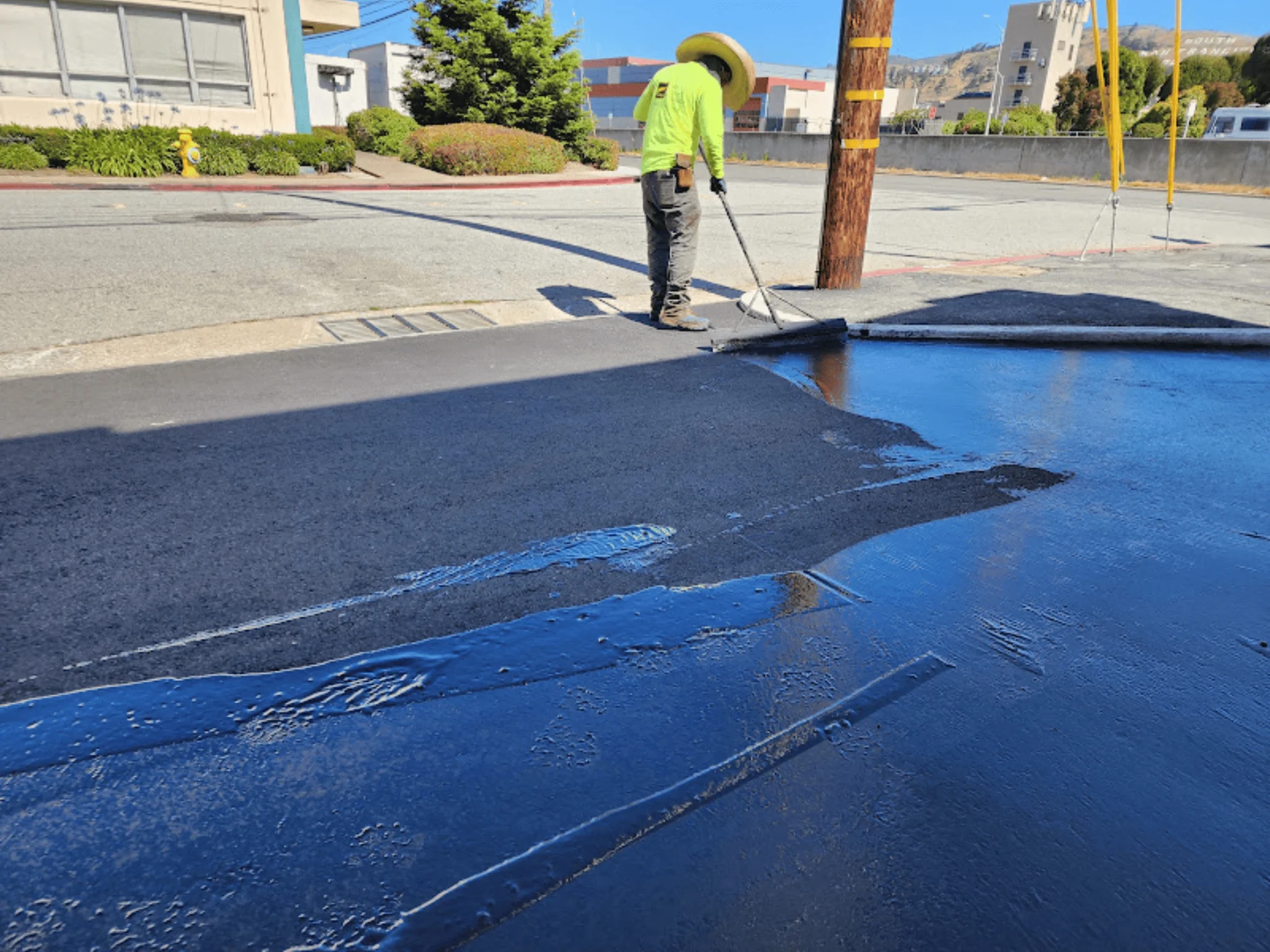
If the weather is too cold or too damp, the sealer may stay tacky longer than expected. Tires can leave marks when the lot reopens. Pedestrian paths may track material into building entrances. Shaded edges may look different from sun-exposed drive lanes. If rain arrives too soon, the coating may streak, wash out, or cure inconsistently.
If the pavement is too hot, the sealer can dry too quickly at the surface. That may create uneven texture, lap marks, or areas that do not bond as well as they should. On large commercial lots, this is especially visible where application passes overlap or where crews work across pavement zones heating at different rates.
The problem is not only appearance. Poor cure conditions can shorten the useful life of the coating. Instead of creating a protective layer against sunlight, water, oil, and surface wear, the material may wear off faster in drive lanes, near turning areas, or around high-use stalls.
For readers who need a basic explanation of the treatment itself before evaluating weather timing, sealcoating basics can help separate the purpose of the coating from the timing requirements that make it work.
A Practical Scheduling Framework for Property Owners
Sealcoating should be scheduled like a weather-sensitive maintenance project, not like a simple painting appointment.
| Site Condition | What It May Mean | Scheduling Implication |
|---|---|---|
| Cool morning pavement | Surface may lag behind air temperature | Start later or confirm pavement temperature before application |
| Heavy shade | Slower drying and curing | Allow more time before reopening that section |
| Coastal fog or humidity | Moisture may delay film formation | Avoid marginal weather windows even if air temperature is acceptable |
| Very hot exposed asphalt | Sealer may dry too quickly | Consider earlier work windows and surface cooling practices when appropriate |
| Rain in forecast | Sealer may wash or cure poorly | Delay until a dry window is available |
| High-traffic turning areas | Tire stress appears quickly after reopening | Extend cure time before traffic returns |
The best sealcoating window usually combines dry pavement, suitable air and surface temperatures, direct or adequate sunlight, manageable humidity, and enough time before traffic returns. The exact decision still depends on the sealer type, manufacturer guidance, pavement condition, and local weather pattern.
Building Better Sealcoating Plans With We Love Paving
Sealcoating fails when it is treated as a cosmetic shortcut. Temperature, moisture, sunlight, pavement condition, and traffic control all determine whether the application protects the lot or becomes a short-lived surface treatment.
We Love Paving approaches sealcoating as a timing-sensitive maintenance decision. For California properties, that means reviewing the real conditions on the ground: shaded areas that dry slowly, hot drive lanes that need careful scheduling, cracks that should be handled before coating, and business access needs that affect when traffic can return.
A well-timed sealcoat can help preserve asphalt that is still a good candidate for protection. A rushed application in the wrong weather window can waste money and leave the property facing the same surface problems sooner than expected.