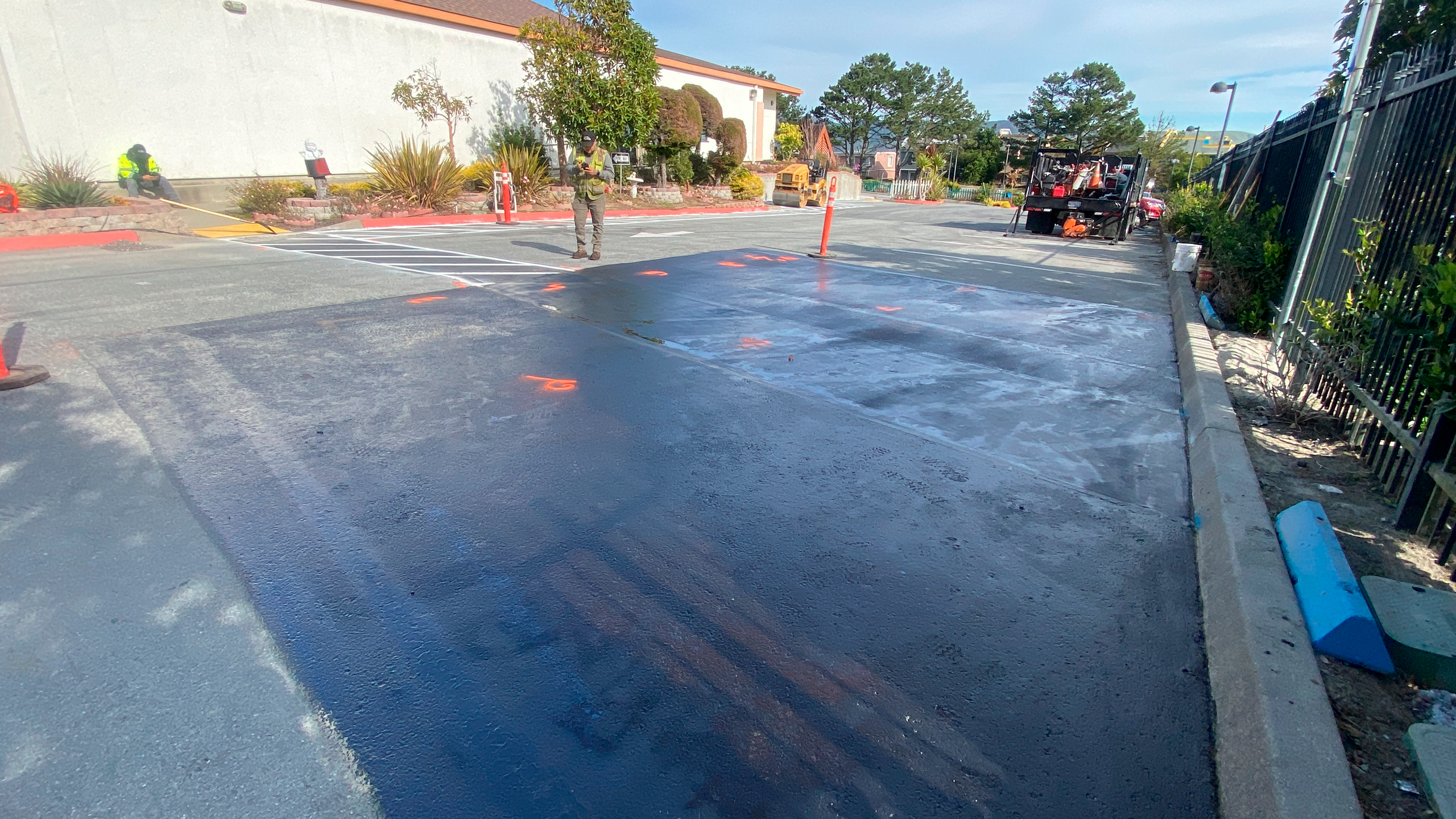
How to Save Money on Paving Your Driveway in Sacramento, California.

Paving a driveway can be a significant investment, but with careful planning and smart choices, you can save money while ensuring a quality result. Sacramento, with its unique climate and soil conditions, requires specific considerations. Here’s a comprehensive guide on how to save money on paving your driveway in Sacramento.

Plan and Budget Wisely

Before starting, establish a clear budget. Determine how much you can afford and allocate funds for unexpected costs. Research the average costs of driveway paving in Sacramento to set realistic expectations.

Choose the Right Material

Different materials come with varying costs and benefits. Common driveway materials include:

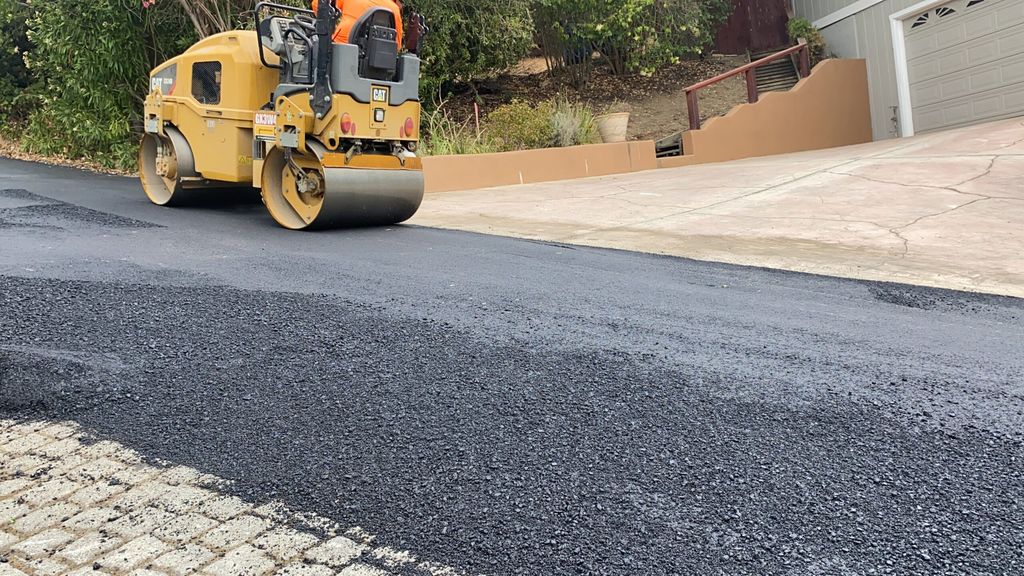
  • Asphalt: Generally cheaper than concrete but requires more maintenance.
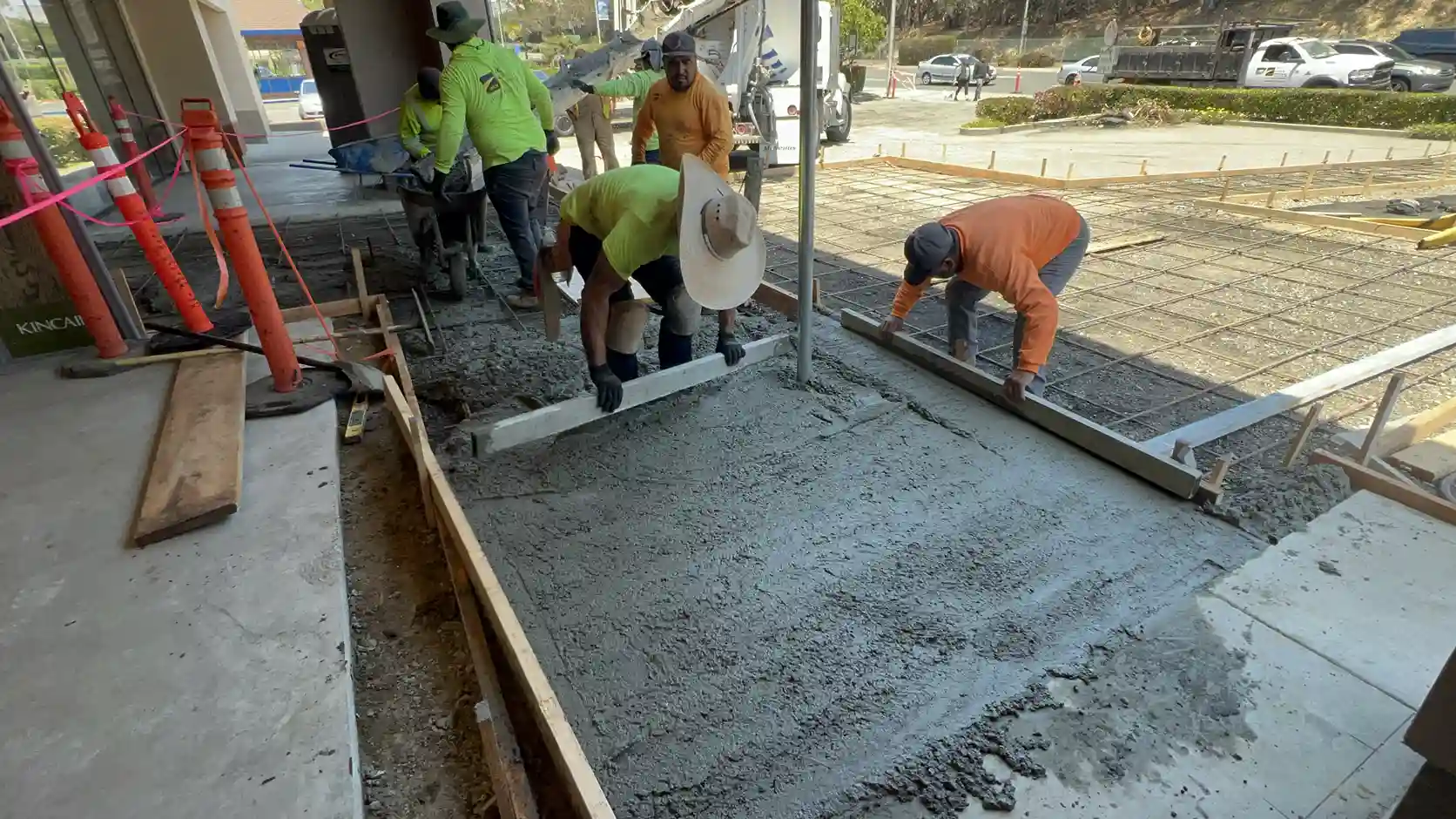
  • Concrete: Durable and long-lasting, though more expensive upfront.
  • Gravel: The most affordable option but less durable and less aesthetically pleasing.
  • Pavers: More expensive but offer a high-end look and easy repairs.

Evaluate the pros and cons of each material based on your budget, maintenance willingness, and aesthetic preference.

DIY Where Possible

If you have some DIY skills, consider doing parts of the project yourself. Tasks like site preparation, removing old pavement, or even spreading gravel can be done without professional help, reducing labor costs.

Scheduling your driveway project during lower-demand periods can lead to meaningful savings. Off-season work often means better pricing, more contractor availability, and faster turnaround times. Planning ahead is one of the simplest ways to reduce paving costs without compromising quality.

Get Multiple Quotes

Contact several contractors for quotes. This allows you to compare prices and services. Ensure each quote includes a breakdown of materials, labor, and any additional costs. Be wary of quotes that seem too good to be true, as they might cut corners or use subpar materials.

Timing Matters

Paving contractors are usually busier during the spring and summer. Scheduling your project for the off-season (late fall or winter) might get you a discount. However, ensure the weather conditions are suitable for the chosen material.

Prepare the Site Properly

Proper site preparation can prevent future issues and additional costs. Ensure good drainage and a solid base before paving. This step is crucial for longevity and can save money on future repairs.

Consider Overlaying

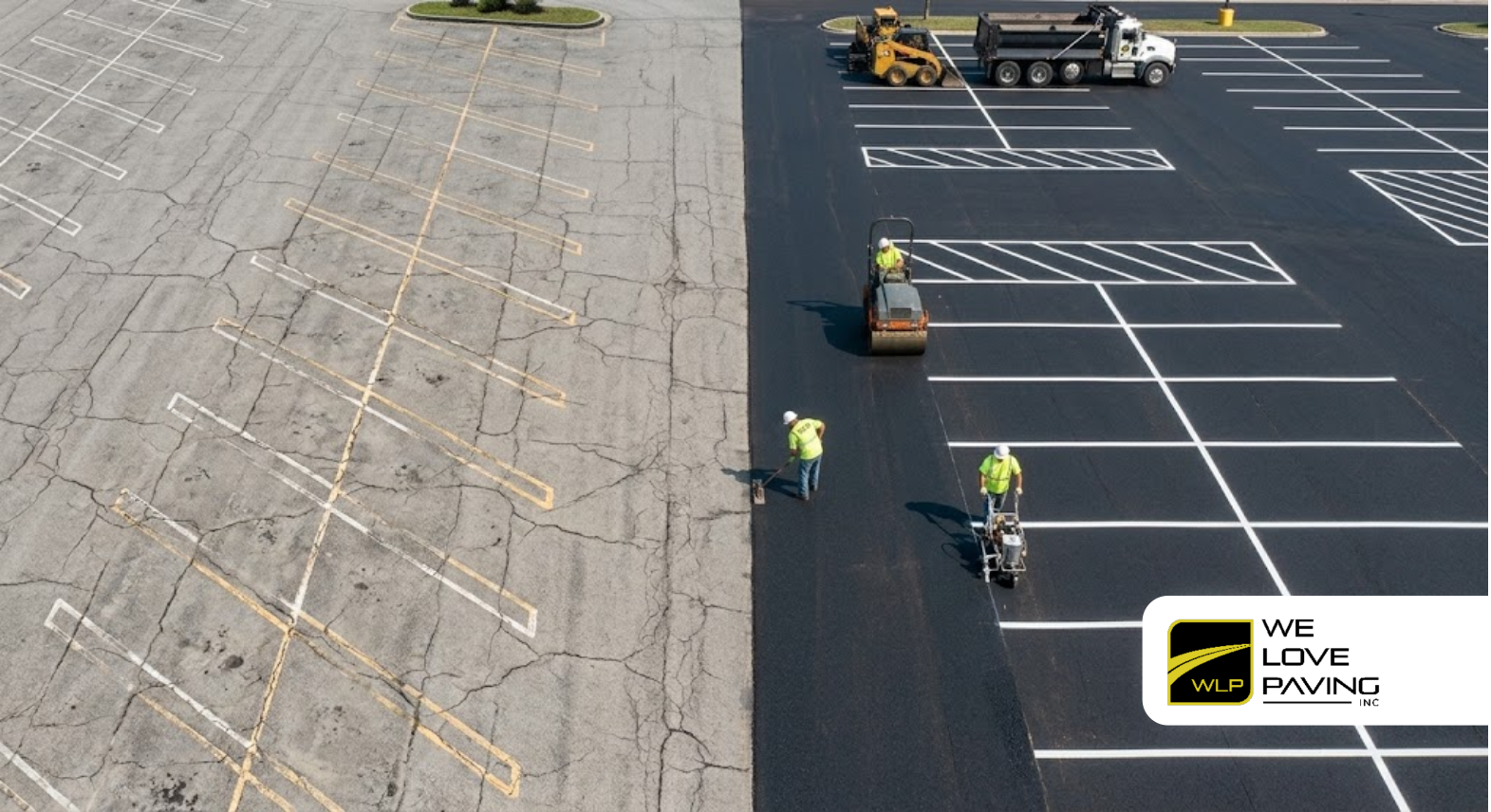
If your existing driveway is in relatively good condition, consider overlaying instead of a full replacement. This involves adding a new layer over the old one, which can be significantly cheaper.

Negotiate

Don’t be afraid to negotiate with contractors. Ask if they can match or beat a competitor’s price or if there are ways to reduce costs without compromising quality.

Maintain Your Driveway

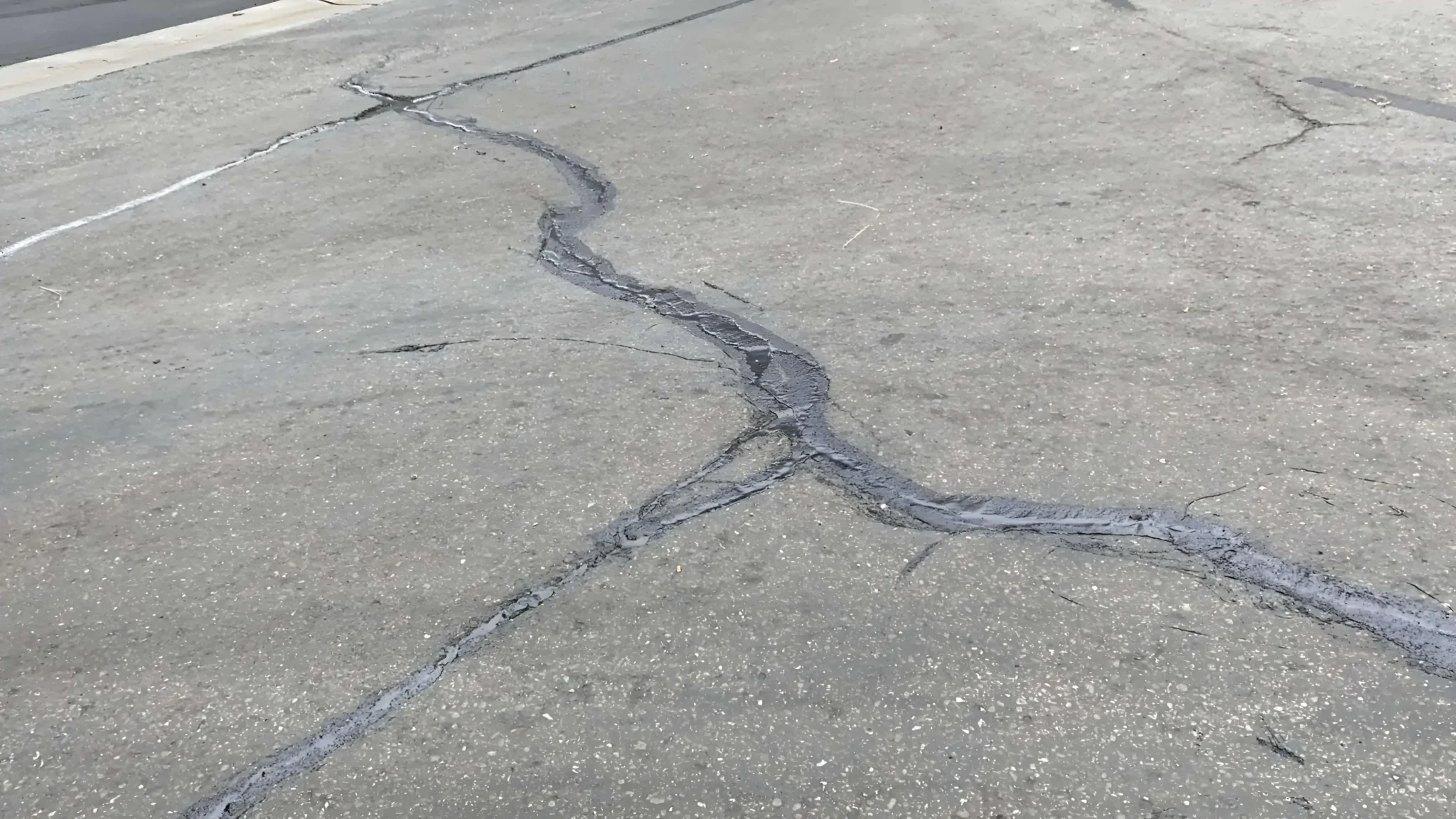
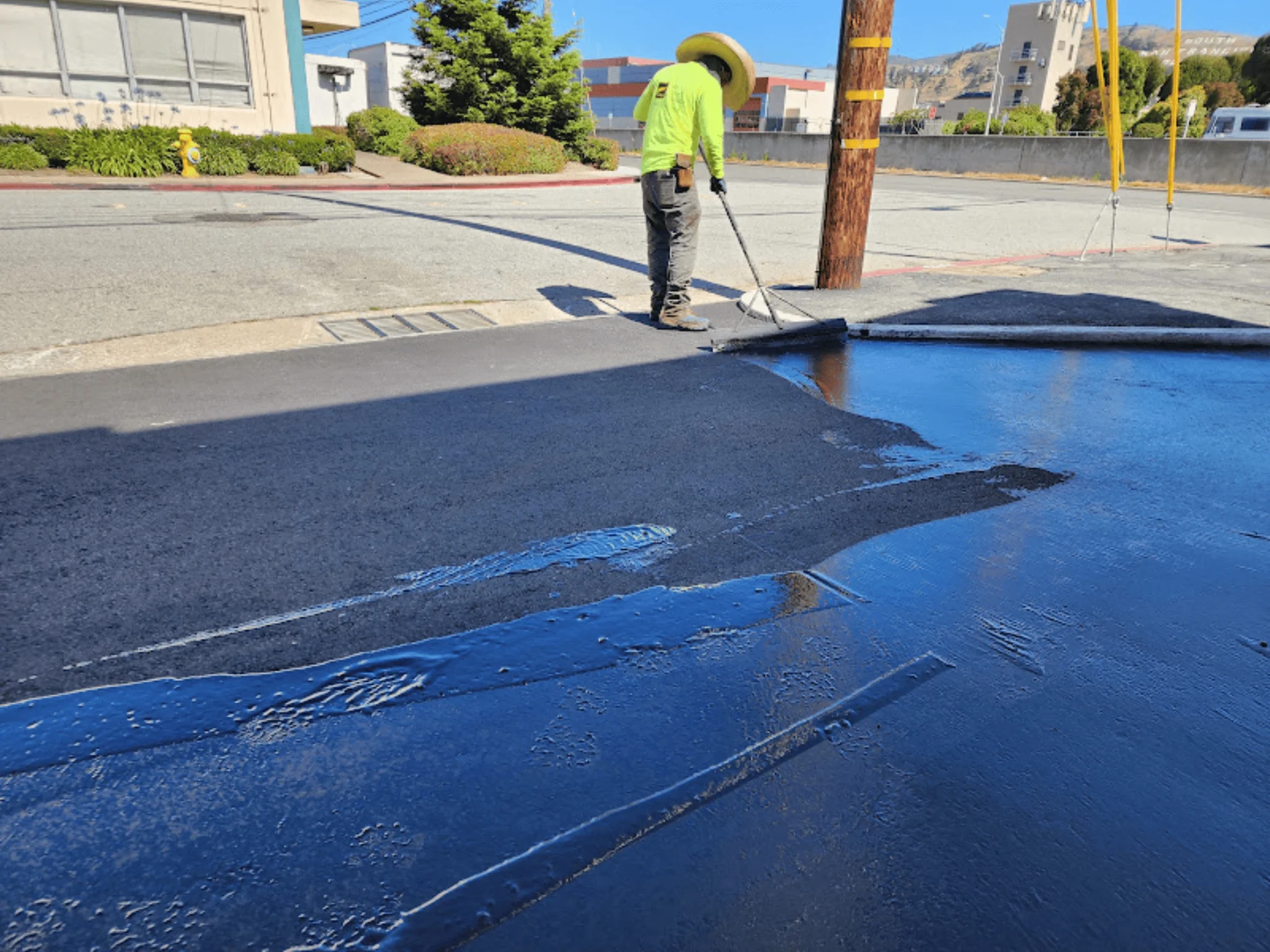
Regular maintenance extends the life of your driveway, saving money in the long run. Seal asphalt driveways every 2-3 years, promptly fill cracks, and clean regularly to prevent damage from oil and other substances.

Look for Local Deals and Discounts

Check local suppliers and contractors for deals, discounts, or promotions. Sometimes, buying materials in bulk or partnering with neighbors for a group discount can reduce costs.

The existing condition of the ground plays a major role in total paving cost. A stable base with proper drainage reduces the need for excavation, reinforcement, or structural corrections. Addressing ground issues before selecting materials can significantly lower overall project expenses.

Permits and Regulations

Ensure you comply with local regulations and obtain necessary permits. Skipping this step can result in fines or having to redo the work, costing more in the long run.

When choosing the cheapest way to pave a driveway, it’s essential to separate upfront price from long-term cost. Some low-cost paving options require frequent maintenance or early repairs, increasing total expenses over time. Evaluating durability and maintenance needs helps identify the option that delivers real savings, not just the lowest initial quote.

The cheapest service isn’t always the most cost-effective choice. Poor installation can lead to premature failures and additional repair costs. The most economical option balances price, material quality, and proper installation from the start.

Paving your driveway in Sacramento doesn’t have to break the bank. By planning ahead, choosing the right materials, and taking advantage of local deals, you can save money while achieving a durable and attractive driveway. Remember, investing in proper preparation and maintenance will pay off by extending the lifespan of your driveway and reducing future repair costs.

Share

WHO IS FRED?

Fred, Regional Operations Manager, comes from a family of immigrant roots and a story built on sacrifice, discipline, and hard work. Growing up, Fred watched his parents work long hours and weekends to create a better future teaching him the values of perseverance, determination, and doing things the right way every single time.
We Love Paving began with Fred’s father, who started doing what he knew best: paving. Over the years, he built experience alongside respected professionals in the industry, refining his methods and developing a reputation for quality work that speaks for itself. As his clientele grew, so did the vision one built not only on skill, but on integrity and pride in every job.

Posts that might interest you

Standard Car Parking Space Dimensions in the USA: A Comprehensive Guide by WeLovePaving

Standard Car Parking Space Dimensions in the USA: A Comprehensive Guide by WeLovePaving

March 16, 2026

Parking spaces may seem like a mundane aspect of urban planning, but their dimensions play a critical role in safety, convenience, and regulatory compliance. At We Love Paving, we understand that well-designed parking lots enhance traffic flow, maximize space efficiency, and ensure accessibility for all drivers. This guide explores the standard car parking space dimensions

What is Concrete and how it Powers Modern Infrastructure

What is Concrete and how it Powers Modern Infrastructure

March 9, 2026

What is concrete? Concrete, the stalwart composite amalgamation of cement, aggregates, and water, stands as the linchpin of contemporary construction. Its unwavering durability, exceptional strength, and flexibility position it as the bedrock of architectural ingenuity and infrastructure resilience. Industrial standards and structural integrity: Beyond the basics Structural safety is never arbitrary; it is governed by

What is Asphalt?

What is Asphalt?

March 5, 2026

Often recognized as blacktop or bitumen, asphalt is a composite material extensively employed in the construction of surfaces such as roads, driveways, and parking lots. It consists of aggregates like sand, gravel, or crushed stone, bound together by a petroleum-based binder. This dynamic combination results in a flexible yet robust material that has found applications

What Are the Chances of Winning an ADA Lawsuit?

What Are the Chances of Winning an ADA Lawsuit?

February 21, 2026

Running a business comes with countless responsibilities, and ensuring compliance with various laws is one of the most critical. However, many business owners are unaware that they can face lawsuits for violating the Americans with Disabilities Act (ADA) even if the violation was completely unintentional. ADA compliance is not just a legal requirement; it’s an essential

What is Commercial Property Depreciation?

What is Commercial Property Depreciation?

February 13, 2026

Commercial real estate investment holds immense potential for generating substantial returns over time. Beyond rental income and property appreciation, savvy investors employ various strategies to optimize their returns. One such strategy that often goes underappreciated is leveraging commercial real estate depreciation for tax benefits. In this comprehensive guide, we’ll explore how strategic depreciation can bolster

How to Improve your Parking Lot Ratio!

How to Improve your Parking Lot Ratio!

February 6, 2026

The parking ratio of a commercial real estate property is the number of parking spaces available per square foot of leasable space. Having an adequate parking ratio is essential for attracting and retaining tenants, as it can impact their ability to conduct business and serve customers. If you own or manage a commercial property and

What is Sealcoating and the Science of Pavement Preservation

What is Sealcoating and the Science of Pavement Preservation

February 1, 2026

Parking lots serve as vital assets for businesses, offering safe and convenient spaces for customers and employees alike. However, the asphalt surfaces of these lots are subject to wear and tear over time, necessitating proactive maintenance to ensure longevity and safety. One highly effective method of preserving asphalt integrity is sealcoating a process that offers

How Long Does Asphalt Take to Dry and Fully Cure?

How Long Does Asphalt Take to Dry and Fully Cure?

January 30, 2026

Quick Answer: How Long to Wait? For a safe estimate, you should wait between 48 to 72 hours before walking on freshly paved asphalt. While the surface might feel solid within minutes, the internal structure requires this window to stabilize thermally. This timeframe can extend from 2 to 7 days depending on critical factors like

What is Bonus Depreciation?

What is Bonus Depreciation?

January 23, 2026

Understanding Bonus Depreciation Bonus depreciation was established as part of the Tax Cuts and Jobs Act (TCJA) of 2017, aiming to stimulate economic growth by incentivizing investment in capital assets. Under this provision, businesses are allowed to deduct a percentage of the cost of qualified assets in the year they are placed in service, rather

Can You Pave in the Rain? A Technical Guide to Asphalt Integrity

Can You Pave in the Rain? A Technical Guide to Asphalt Integrity

January 21, 2026

Certainly! Conducting a more extensive investigation on the impact of rain on paving would involve exploring various aspects such as the specific effects of rain on different types of paving materials, the techniques and technologies used to mitigate these effects, case studies highlighting the consequences of paving in rainy conditions, and any regulatory or industry

Next