As cities evolve and populations grow, the demand for housing continues to rise. In response to this ever-present need, property owners and developers are exploring innovative ways to maximize the use of existing structures. One increasingly popular approach is the conversion of commercial properties into residential spaces. In this article, we’ll delve into the intricacies of this process, exploring the opportunities and challenges it presents.
Market Analysis: Meeting the Demand
The housing market is dynamic, shaped by demographic trends, economic factors, and evolving lifestyle preferences. As urban populations swell and living preferences shift towards convenience and accessibility, the demand for residential properties remains robust. Converted commercial spaces offer a unique solution, providing urban dwellers with a blend of character, functionality, and location advantages.
According to recent trends highlighted on We Love Paving, a leading resource in property development, there’s a growing appetite for mixed-use developments that seamlessly integrate residential and commercial components. This trend underscores the potential of repurposing commercial properties to meet the diverse housing needs of urban communities.
Regulatory Landscape: Navigating the Maze
Converting commercial properties into residential spaces is not without its challenges, particularly in the realm of regulations and zoning laws. Zoning regulations vary by jurisdiction, dictating permissible land use and development standards. Successful conversion projects require a thorough understanding of these regulations and strategic navigation of bureaucratic processes.
Case studies featured on We Love Paving shed light on successful instances where developers effectively navigated regulatory hurdles to realize their vision. From securing permits to ensuring compliance with building codes, proactive engagement with local authorities is paramount to the success of conversion projects.
Property Assessment: Evaluating Feasibility
Not all commercial properties are created equal when it comes to adaptability for residential use. Warehouses with expansive floor plans and high ceilings may lend themselves well to loft-style apartments, while former office spaces might require more extensive modifications to accommodate residential amenities.
Assessing the feasibility of conversion involves a comprehensive analysis of property characteristics, renovation costs, and potential return on investment. We Love Paving provides valuable insights into property assessment criteria and best practices for maximizing the potential of commercial-to-residential conversions.
Technical Specifications: From Heavy Loading to Residential Accessibility
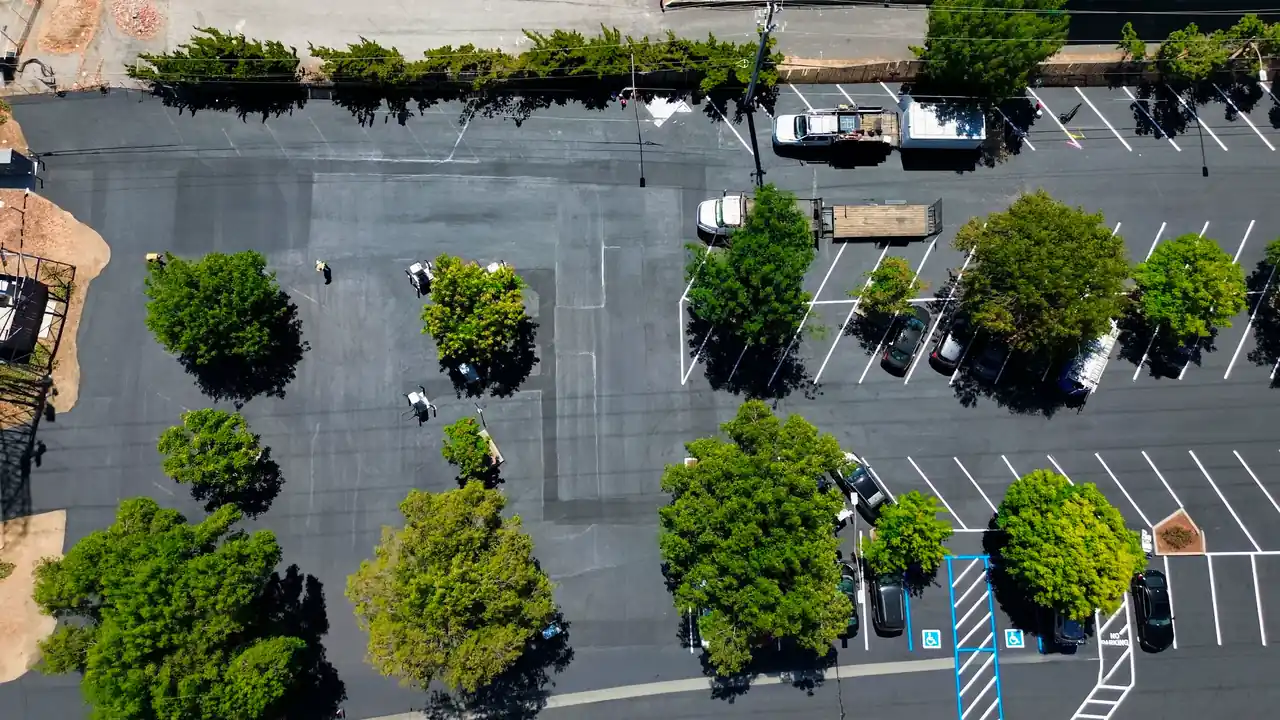
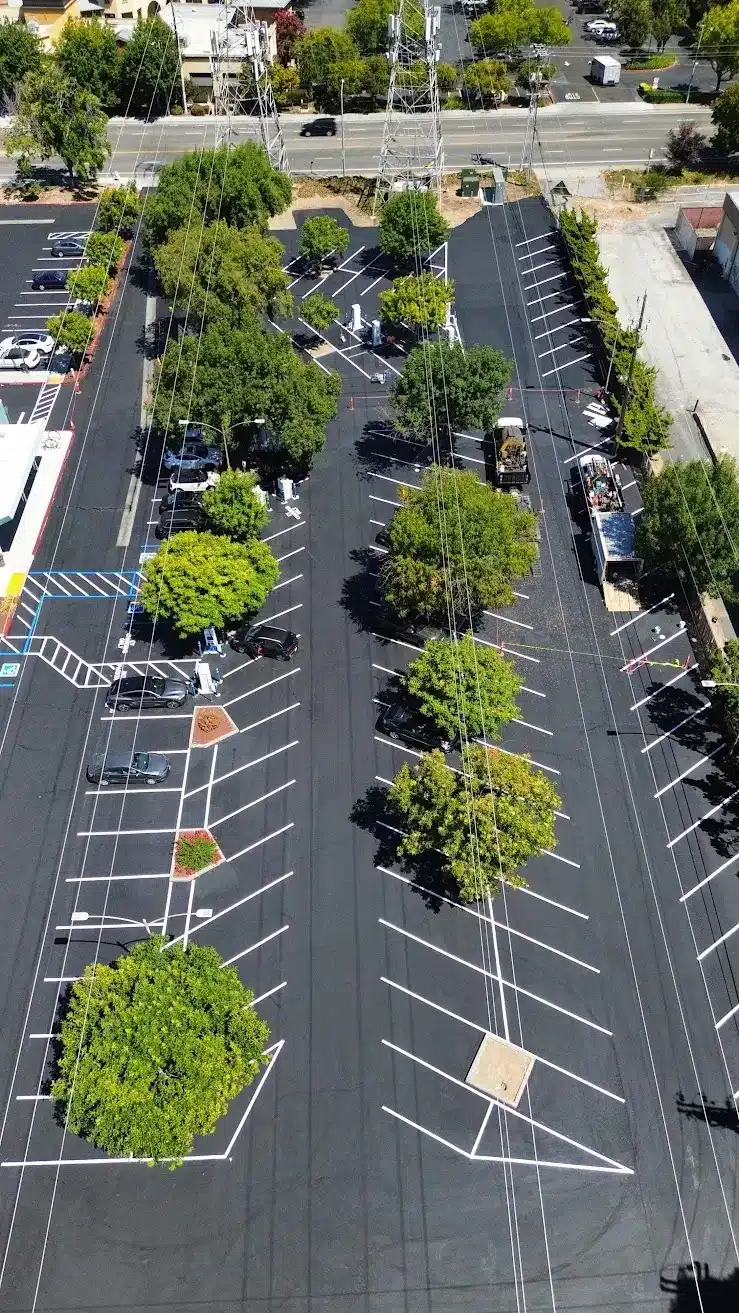
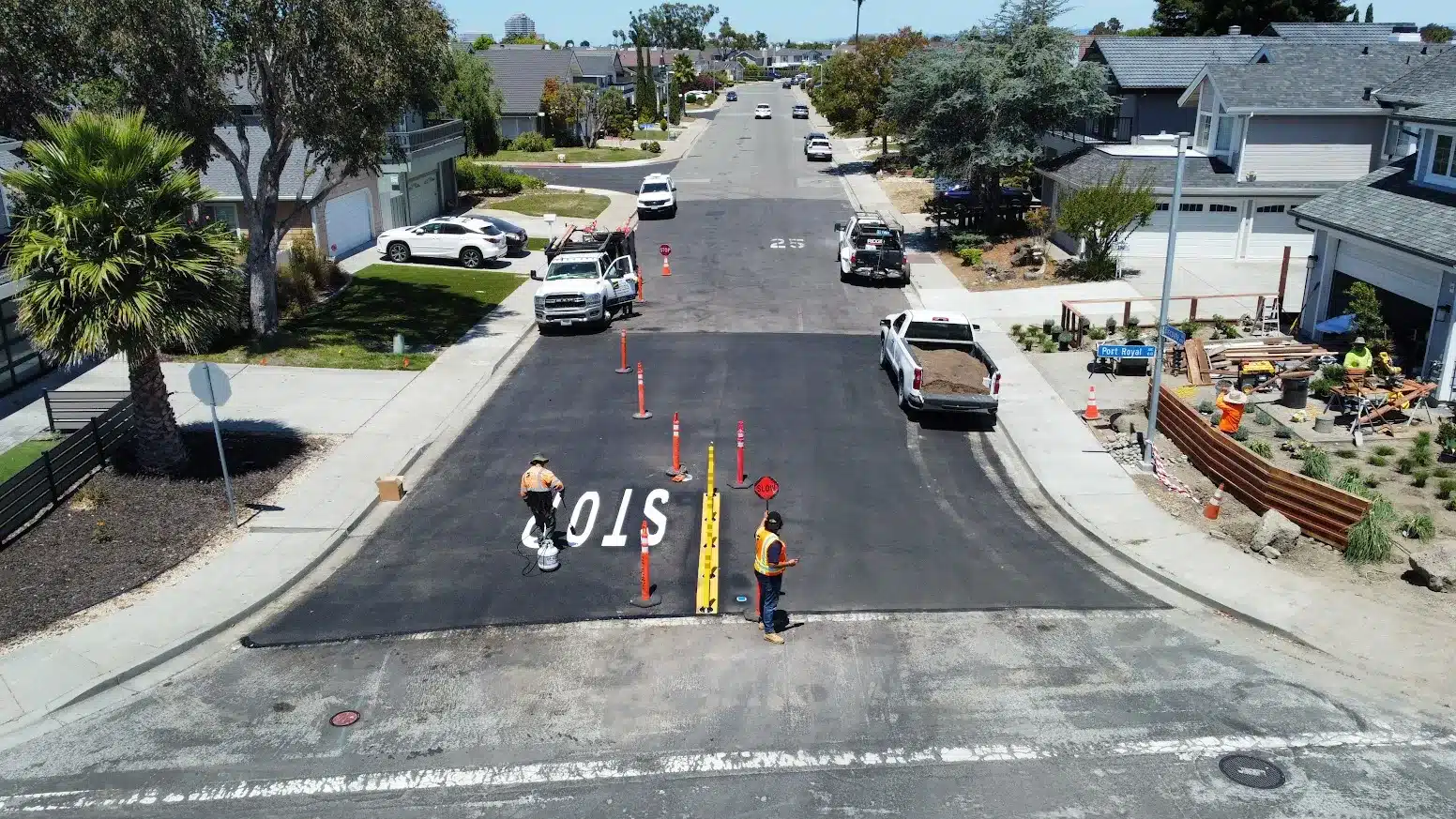
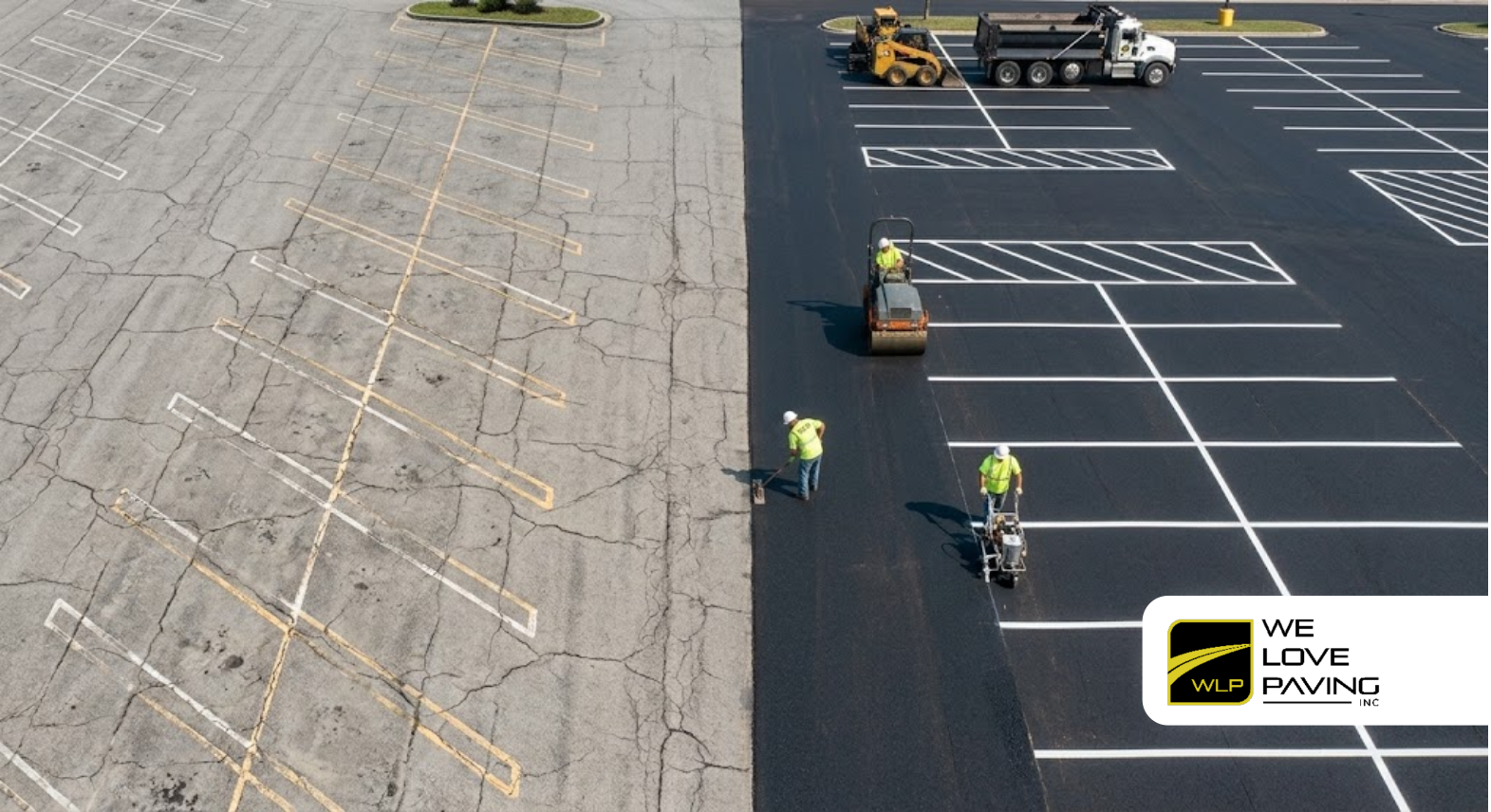
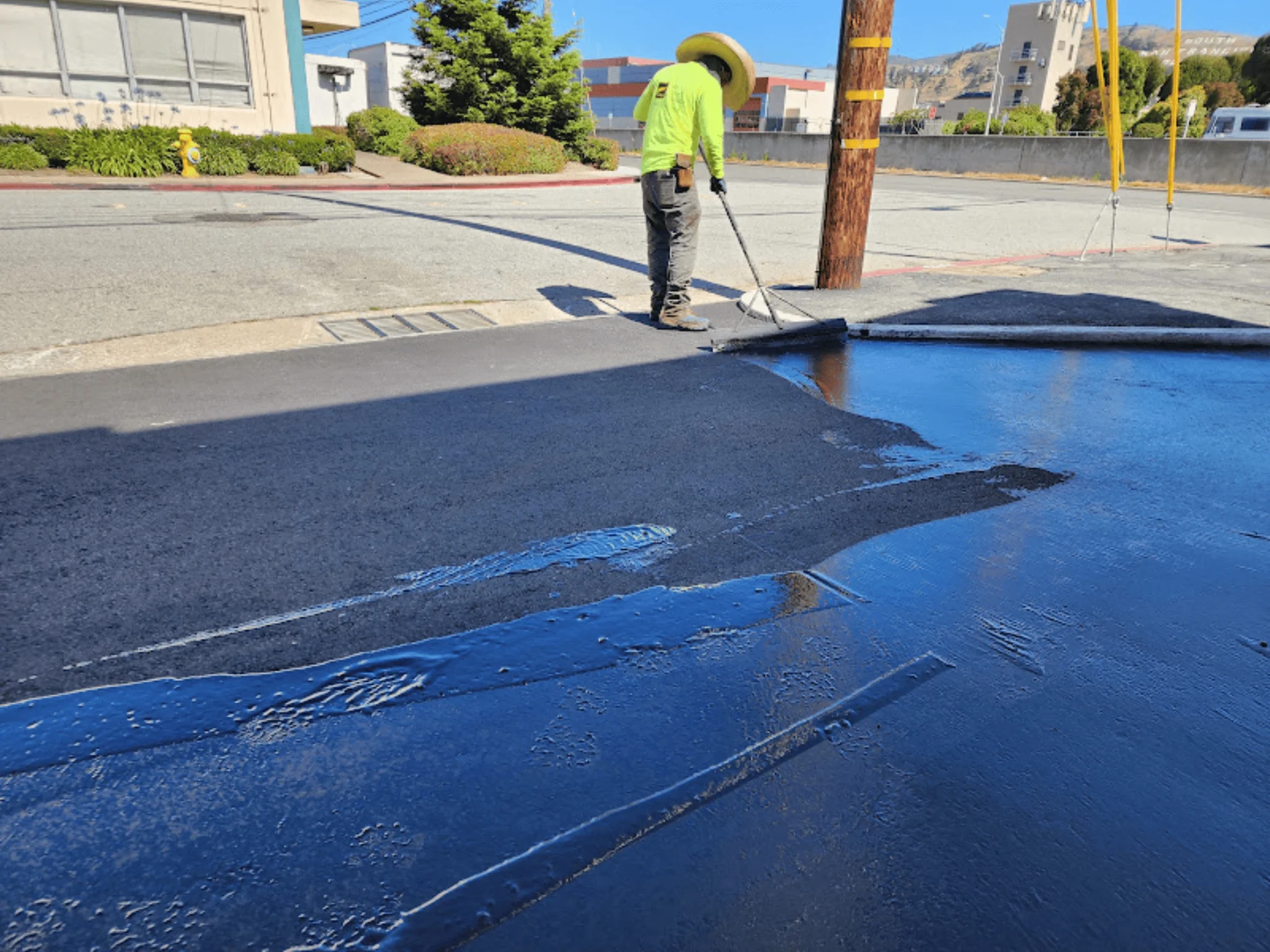
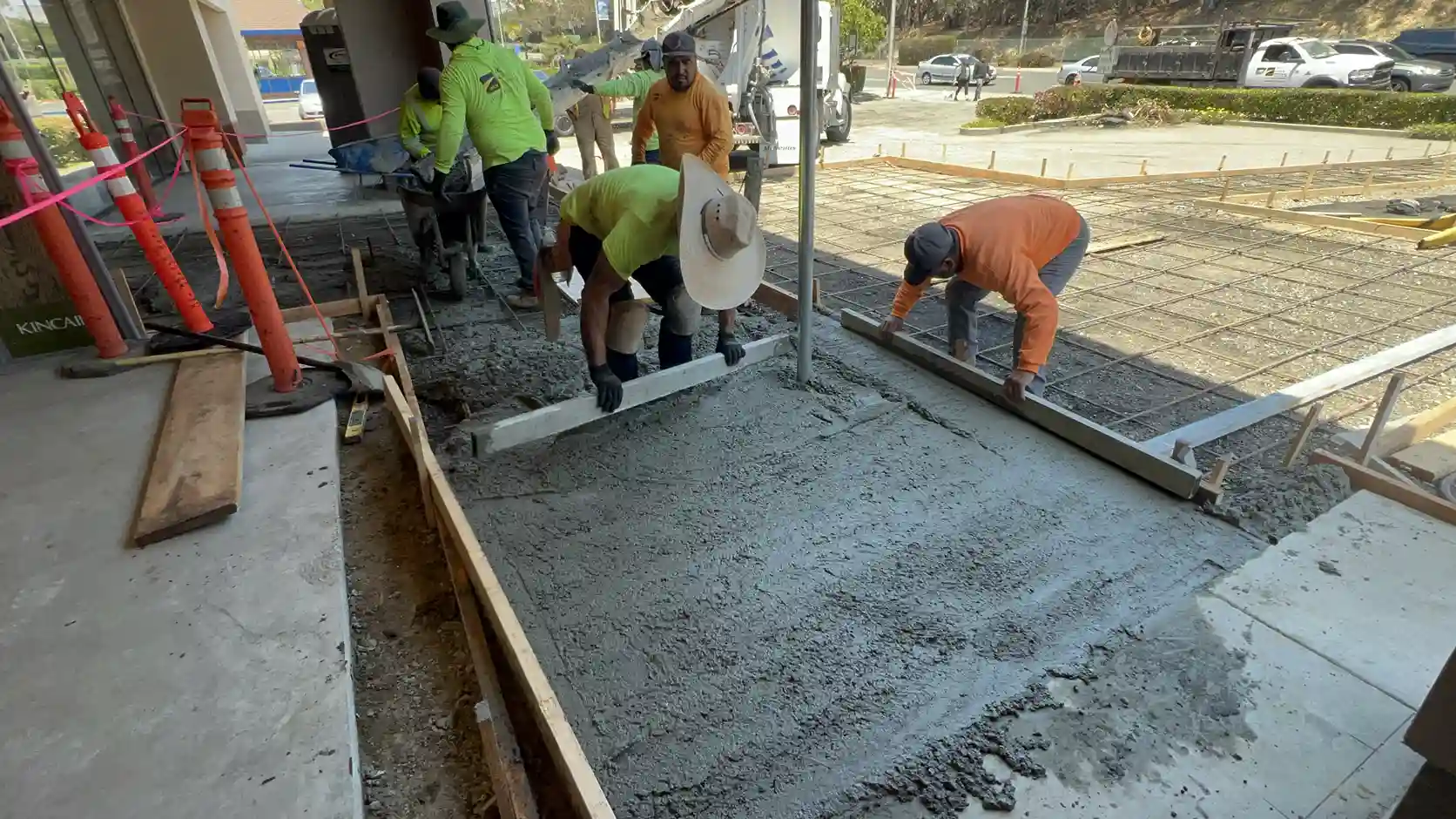
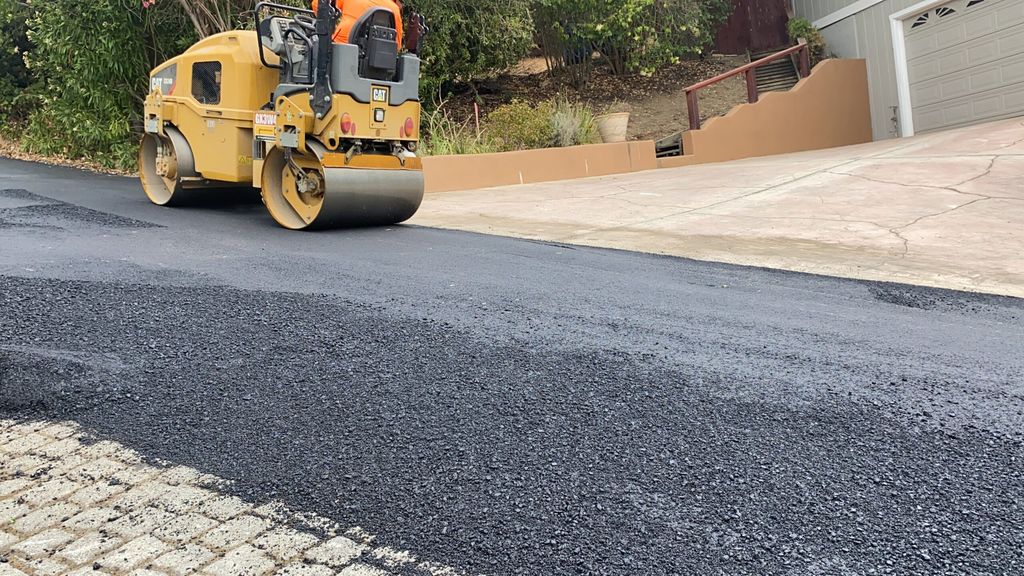
The conversion demands a complete re-engineering of the pavement structure. While commercial zones are built for high axle loads in logistics, residential use prioritizes traffic flow and ADA Compliance. It is critical to evaluate the transition from industrial pavements to parking zones that meet maximum 2% slopes in disabled access aisles. Furthermore, repurposing loading docks requires structural adjustments to the sub-base to integrate pedestrian ramps and stormwater drainage systems that meet local runoff regulations, effectively transforming rigid surfaces into safe, aesthetic environments for urban communities.
Financial Implications: Balancing Costs and Returns
Converting commercial properties into residential spaces entails significant financial investment. Renovation expenses, permit fees, and financing costs must be carefully weighed against the anticipated revenue streams from rental income or property appreciation.
We Love Paving offers practical guidance on navigating the financial aspects of conversion projects, including strategies for securing funding and managing financial risks. Real-world case studies showcase successful conversion projects that have delivered favorable returns on investment, underscoring the potential for financial viability in the residential market.
Community Impact: Building Vibrant Neighborhoods
Beyond financial considerations, converting commercial properties into residential spaces has broader implications for community development. By revitalizing underutilized spaces and introducing new housing options, conversion projects contribute to the vibrancy and diversity of urban neighborhoods.
We Love Paving explores the social, economic, and environmental effects of commercial-to-residential conversions, highlighting the positive impact on neighborhood revitalization, job creation, and affordability. Community engagement and stakeholder involvement are integral to the success of conversion projects, fostering a sense of ownership and collaboration among residents and developers alike.
Future Outlook: Embracing Innovation
Looking ahead, the future of commercial-to-residential conversions is filled with promise and potential. Emerging trends and innovations in adaptive reuse, coupled with evolving market dynamics, will continue to shape the landscape of urban development.
We Love Paving provides valuable insights into the future outlook for conversion projects, offering guidance on leveraging emerging trends and technologies to drive sustainable and inclusive urban development.
Paving the Way for New Opportunities
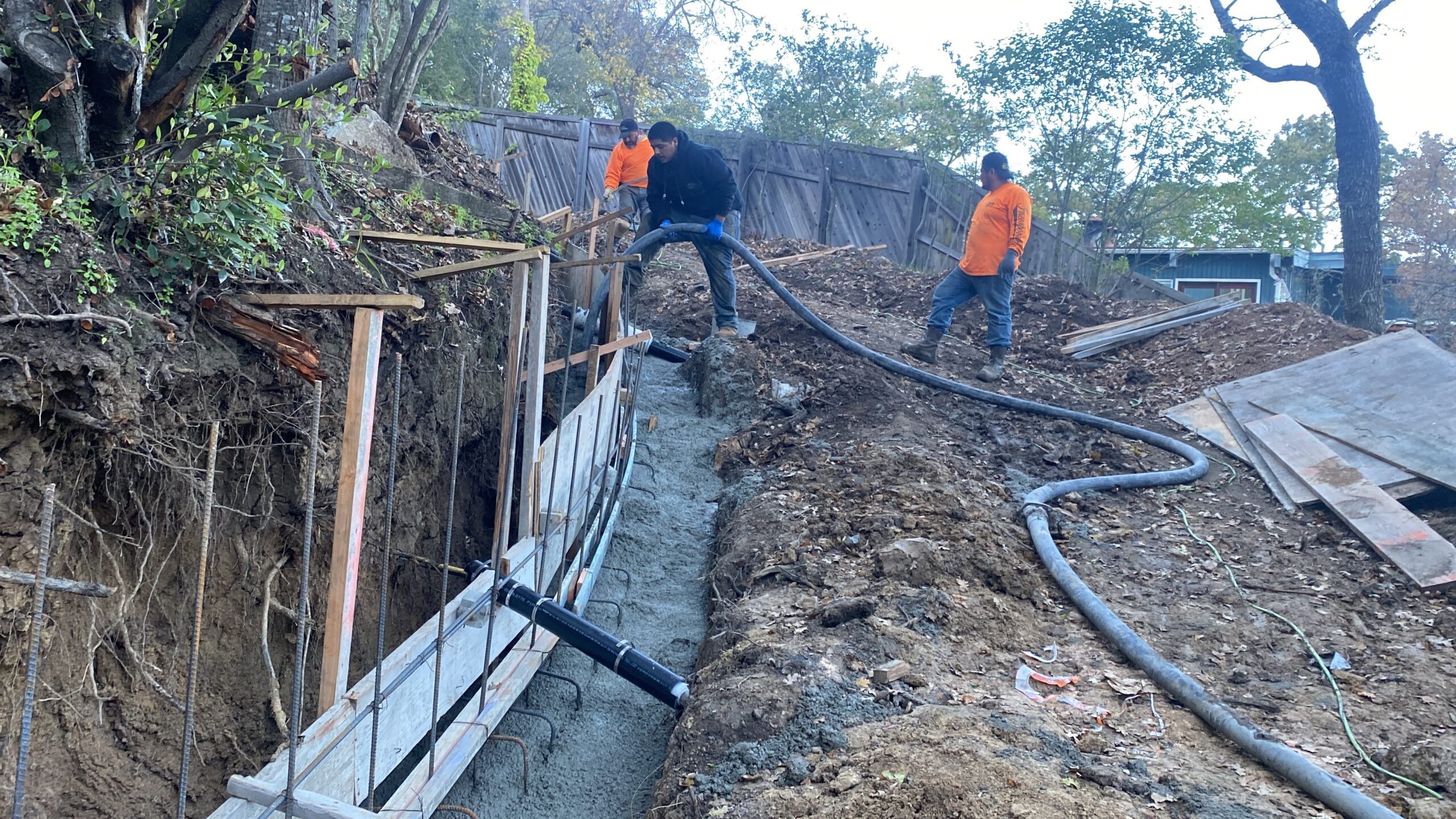
Ultimately, transforming a commercial property into a home is more than just a facelift; it is a total re-engineering of the urban environment. At We Love Paving, we know that successful conversions start from the ground up. By navigating the zoning challenges of Oakland and Silicon Valley with innovation and sound technical planning, developers can turn underutilized spaces into thriving communities. As we like to say, the journey from commercial to residential is paved with strategic decisions. With the right infrastructure and a true commitment to durability, the possibilities for revitalizing our cities are as solid as the concrete we pour.