How Much Does it Cost to Start a Asphalt Business?

We Love Paving services in Alameda County. Professional paving contractor serving Alameda County and Tech Corridor areas.
Estimation Tools

Calculate costs in seconds

Fast, accurate estimates that help you close more jobs. Less guesswork, more profit.

Estimated Initial Capital for a Paving Company

Starting an asphalt business requires a capital investment ranging from $150,000 to $500,000 for a standard operation, though costs can exceed $1 million for companies with massive production fleets. This range covers the acquisition of essential machinery, operating licenses, and a working capital fund for the first six months. The cost difference depends strictly on whether you opt for new or used equipment and the scale of the target projects (residential versus heavy commercial).

Investment in Heavy Machinery and Vehicle Fleet

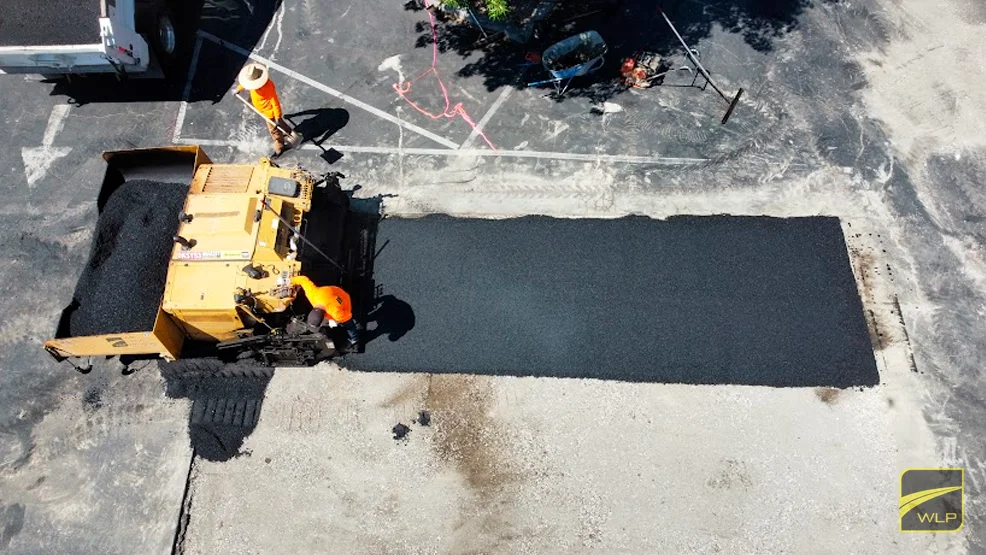
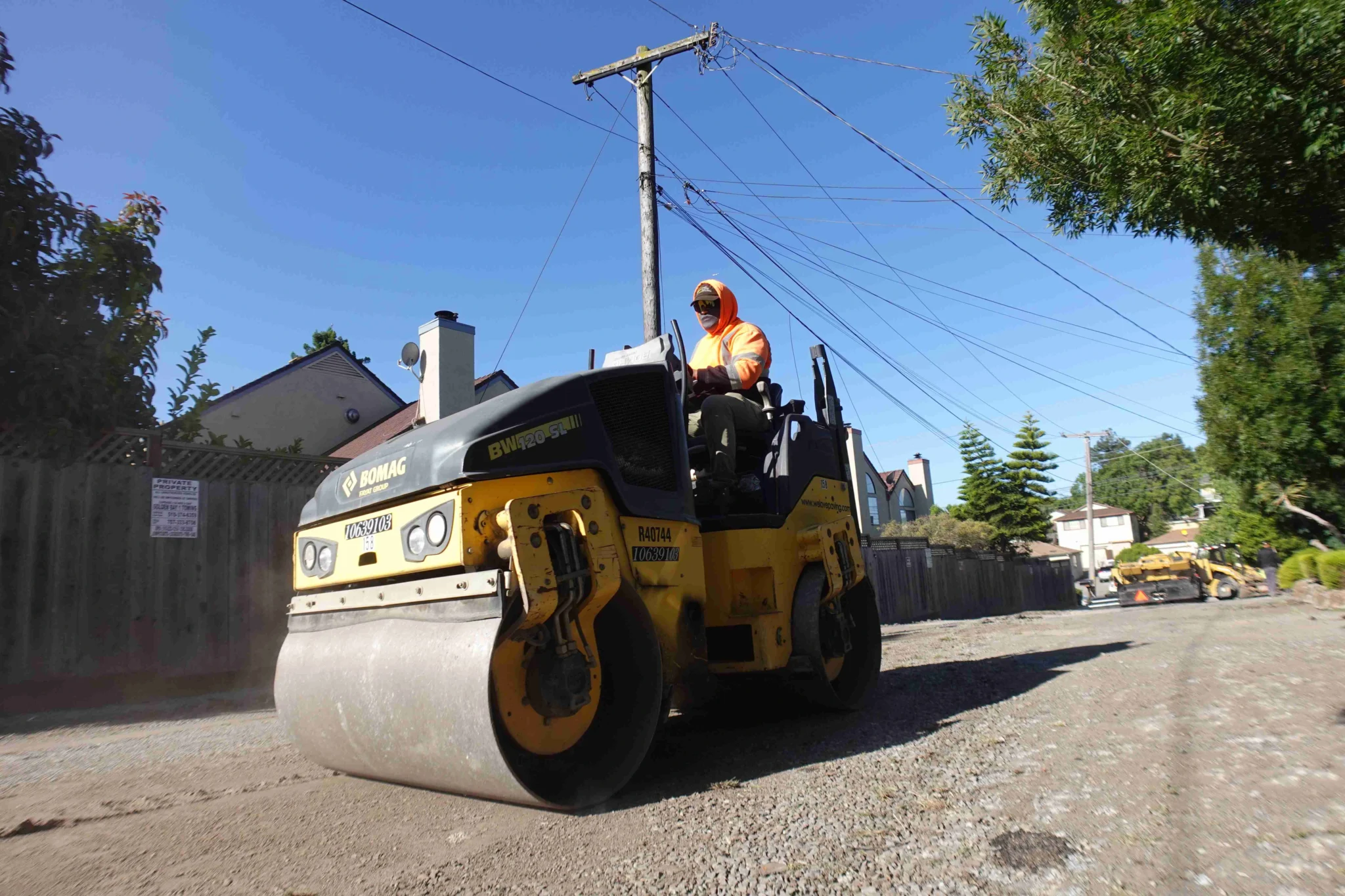
The financial core of a paving company lies in its equipment. A basic operation requires, at minimum, a self-propelled paver, a double-drum vibratory roller, and a dump truck for material transport.

EquipmentEstimated Cost (Used)Estimated Cost (New)
Asphalt Paver$40,000 – $85,000$160,000 – $280,000
Vibratory Roller$15,000 – $35,000$45,000 – $90,000
Dump Truck$30,000 – $60,000$120,000 – $190,000
Equipment Trailer$8,000 – $15,000$20,000 – $35,000

Acquiring used machinery is the most common route for new contractors in California, but it requires an additional reserve fund for immediate corrective maintenance, as compaction reliability is non-negotiable to comply with state regulations.

Legal Requirements, Licenses, and Specialized Insurance

In Northern California, legal operation requires a C-12 (Earthwork and Paving) contractor’s license. The acquisition process, including exams and fees, usually totals around $1,000 to $2,500. However, the significant cost comes from surety bonds and general liability insurance.

For infrastructure or commercial projects, it is imperative to have insurance covering at least $1,000,000 per incident. Annual premiums can range between $5,000 and $15,000 depending on the holder’s history and payroll volume. Skipping these expenses disqualifies the company from bidding on government contracts or subcontracting with prestigious construction firms.

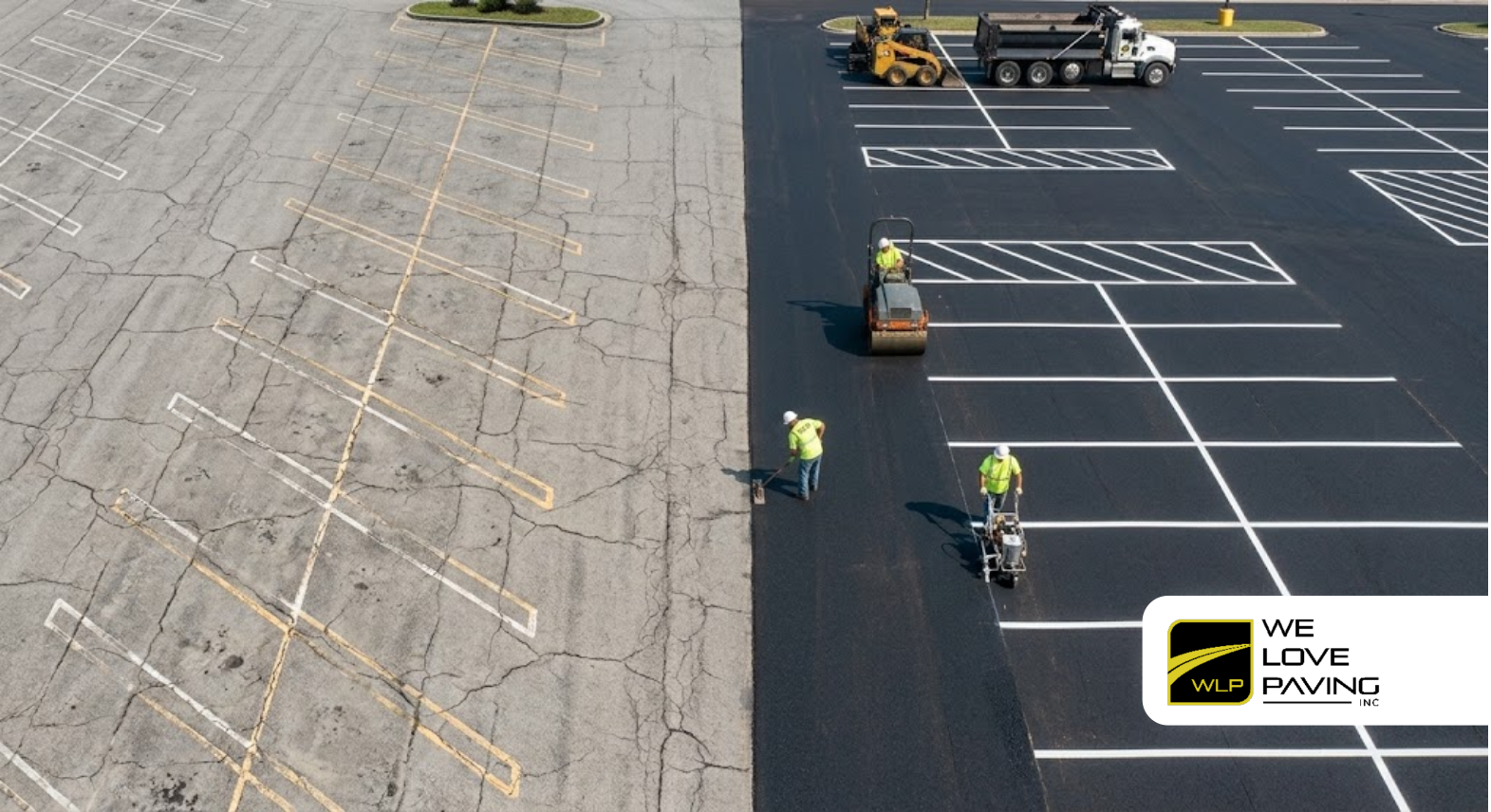
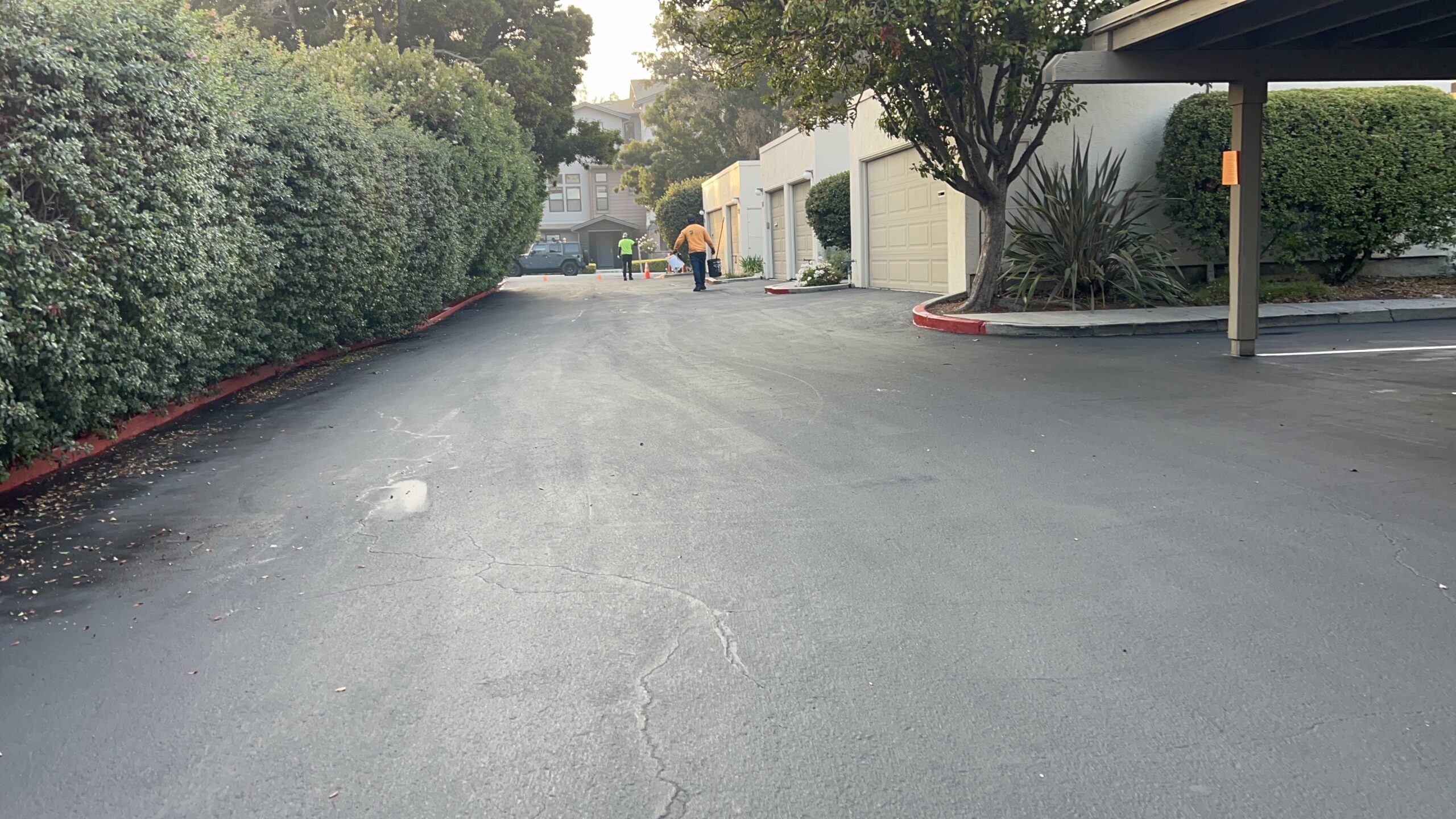
aerial-view-completed-asphalt-paving-project

Operating Expenses and Asphalt Material Procurement

Cash flow must allow for the purchase of Hot Mix Asphalt (HMA) before receiving payment from the client. Material prices fluctuate based on oil costs and distance from the asphalt plant. When budgeting, it is vital to understand the square foot price to determine the real profit margin after considering transport and machinery fuel. An average project can consume thousands of dollars in material in a single day, necessitating a solid credit line with local aggregate suppliers.

Precision Tools and Infrastructure Maintenance

Beyond large machines, an efficient company requires professional-grade hand tools such as asphalt rakes, plate compactors, and mechanical blowers. Precision in edges and construction joints is what separates a beginner from an expert. For example, asphalt cutting requires specialized diamond saws whose maintenance and blade replacement must be included in the minor tools budget, which usually totals around $10,000 initially.

Market Strategy: From Residential to Commercial Sector

Many entrepreneurs start in the residential sector, where the paving cost allows for competitive bidding with less complex logistics. This sector is ideal for perfecting grading and drainage techniques. As the company gains history and financial capacity, transitioning into commercial parking lot maintenance offers more lucrative and recurring contracts, though it demands higher responsiveness and larger work crews.

Operational Reality in the Northern California Market

Operating in areas like San Francisco, San Jose, or the Central Valley presents unique logistical challenges, from managing municipal permits to traffic restrictions for heavy machinery. At We Love Paving, we have learned that success depends not just on capital invested in iron and steel, but on the ability to anticipate local soil needs and the climatic variations of our region.

Pavement quality is a direct reflection of technical rigor in sub-base preparation. If you are considering entering this industry or need to evaluate the viability of an existing infrastructure project, a detailed site analysis is the critical first step. A professional assessment identifies hidden risks before they turn into unforeseen repair costs.

Need Immediate Help?

Let's Talk About Your Project

Don't wait until minor damage turns into major expenses. Our team of experts is ready to provide you with guaranteed solutions. Contact us now for direct advice from a professional.

Frequently Asked Questions (FAQ)

Got Questions? Find Your Answers Here!!

What is the real minimum investment to start?

You will need at least $150,000 to acquire basic used equipment and cover initial licensing fees. This figure allows for operating a small crew focused on residential repairs and minor commercial patching, ensuring liquidity for the first material cycles.

Which license is required for paving in California?

It is essential to obtain the C-12 (Earthwork and Paving) classification issued by the CSLB. This process requires demonstrating four years of journey-level experience, passing law and trade exams, and maintaining a valid bond to protect the end consumer.

Is it better to buy or rent machinery at the start?

Renting is viable for specific projects but drastically reduces profit margins due to transportation costs and availability. Most successful contractors opt to finance high-demand used equipment to stabilize their monthly fixed operating costs and ensure crew readiness.

How does oil price affect the asphalt business?

Asphalt is a petroleum derivative, so its cost fluctuates directly with international crude oil prices. Asphalt plants adjust their pricing seasonally, forcing contractors to include price escalation clauses in long-term contracts to protect their financial integrity.

What insurance is mandatory for commercial contracts?

Beyond workers' compensation, General Liability insurance of at least $1 million is required. Commercial clients typically demand an additional endorsement naming the property owner as an "additional insured" to mitigate risks during the execution of paving operations.

Professional customer review project by We Love Paving in Northern California, California. Verified local construction quality.

Fred / Founder

Fred, Founder and Regional Operations Manager at We Love Paving, comes from a family that values hard work and discipline. Growing up watching his parents work long hours with integrity and dedication, Fred learned early on that quality paving isn’t just about asphalt, it’s about consistency, accountability, and doing the job right.

Share

Posts That Might Interest You

The Cost of Asphalt Cutting Per Linear Foot: What to Expect

The Cost of Asphalt Cutting Per Linear Foot: What to Expect

May 28, 2026

When it comes to construction and repair projects, asphalt cutting is often a necessary task, whether for roadworks, driveways, or other paved surfaces. Understanding the cost involved in asphalt cutting per linear foot can help you budget more accurately for your project. This article will break down the factors affecting these costs and provide a

Parking Lot Maintenance Checklist by Season

Parking Lot Maintenance Checklist by Season

May 27, 2026

A checklist earns its place when it helps a manager make a decision later. For a Northern California retail center, that decision might come after the first winter storm, when water still sits along the curb near the front stalls. For an office property, it might come in late summer, when the exposed drive aisle

Does Asphalt Need to Be Sealed? Read the Surface Before You Decide

Does Asphalt Need to Be Sealed? Read the Surface Before You Decide

May 27, 2026

A parking lot can look ready for sealcoating from the sidewalk and still be a poor candidate up close. The color has faded. The asphalt has turned gray. The owner wants a cleaner surface before tenants complain or customers notice the lot looking tired. Then someone walks the drive aisle and finds a different story:

Pavement Asset Management for Property Managers

Pavement Asset Management for Property Managers

May 27, 2026

A parking lot budget usually becomes uncomfortable long before the asphalt fails completely. The entrance patch is still holding, but the edge is separating again. The back drive aisle looks rough, yet tenants rarely use it. The front visitor stalls are faded enough to draw complaints. A low area near the drain stayed wet after

Next

Estimation Tools

Calculate costs in seconds

Fast, accurate estimates that help you close more jobs. Less guesswork, more profit.