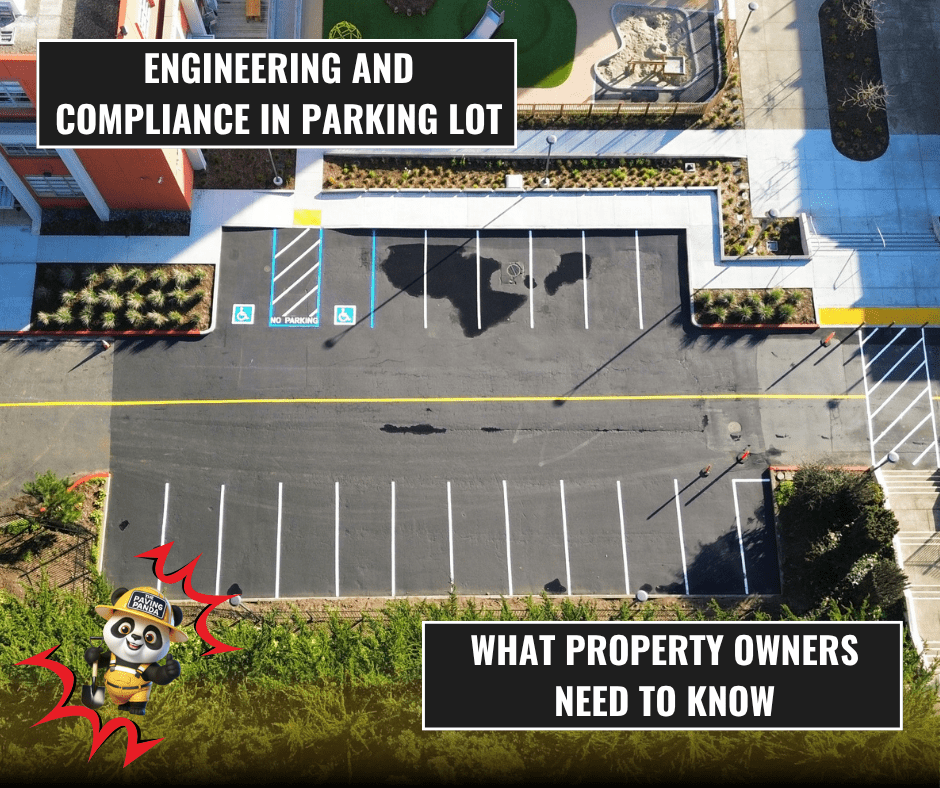
Engineering and Compliance in Parking Lot Design: What Property Owners Need to Know

We Love Paving services in Danville. Professional paving contractor serving Danville and Silicon Valley areas.
Estimation Tools

Calculate costs in seconds

Fast, accurate estimates that help you close more jobs. Less guesswork, more profit.

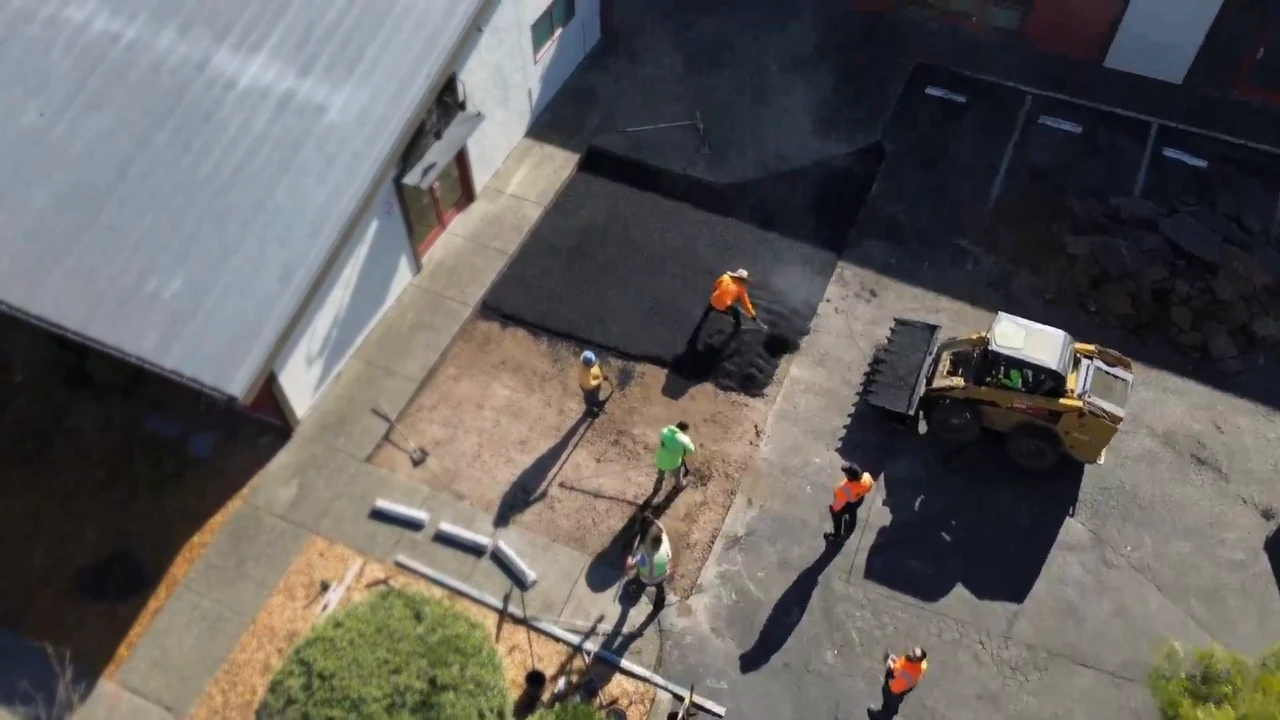
A well-paved parking lot does more than hold vehicles—it manages traffic flow, meets ADA requirements, improves drainage, and enhances property value. At We Love Paving, we specialize in designing and executing parking lot layouts that balance durability, efficiency, and compliance.

This blog outlines the technical elements every commercial or multifamily parking lot must consider to avoid long-term failure, legal risk, and costly rework.


📏 1. Parking Layout: Efficiency Meets Compliance

The design of a parking lot must follow strict geometry based on vehicle dimensions and turning radii. Typical layout angles include:

  • 90° stalls – maximize space, common in commercial lots

  • 60° or 45° stalls – easier maneuvering, ideal for high-turnover spaces

  • Parallel stalls – used in constrained or perimeter areas

Aisle width and stall size must follow local codes and usage needs (compact, standard, oversized, or delivery access).

Stall Type Minimum Width Minimum Length
Standard 9 ft 18–20 ft
Compact 8–8.5 ft 16–17 ft
ADA Accessible 8 ft + 5 ft access aisle 18 ft

♿ 2. ADA Accessibility: Built Into the Blueprint

ADA compliance is not an afterthought—it’s a structural component of the layout. Requirements include:

  • Designated accessible parking stalls with access aisles

  • Correct slopes (max 2% cross slope)

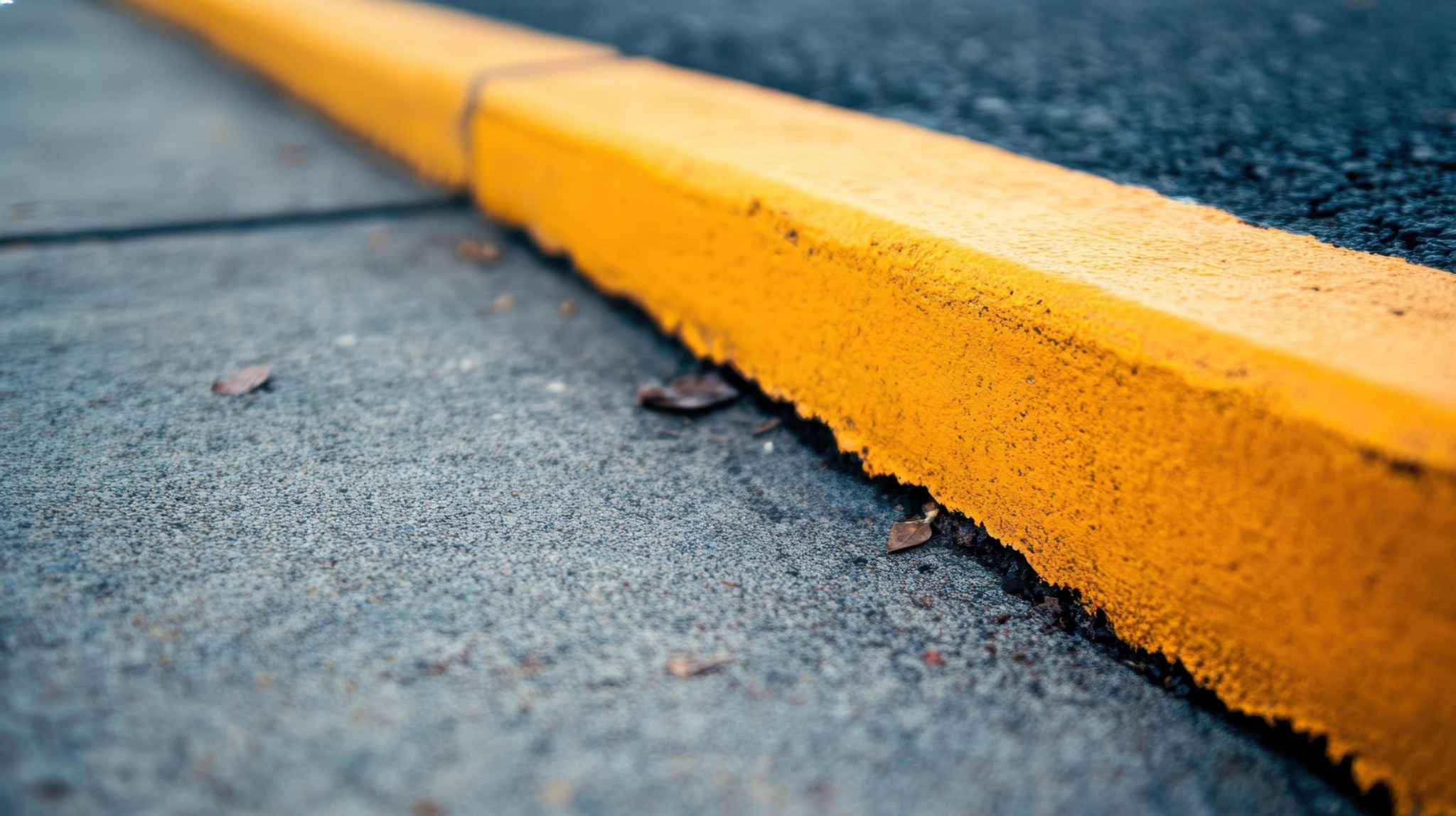
  • Signage and striping in high-contrast paint

  • Clear, compliant paths from stalls to building entries

Failure to integrate accessibility from the start often results in costly redesigns and potential lawsuits.


💧 3. Grading, Drainage, and Surface Flow

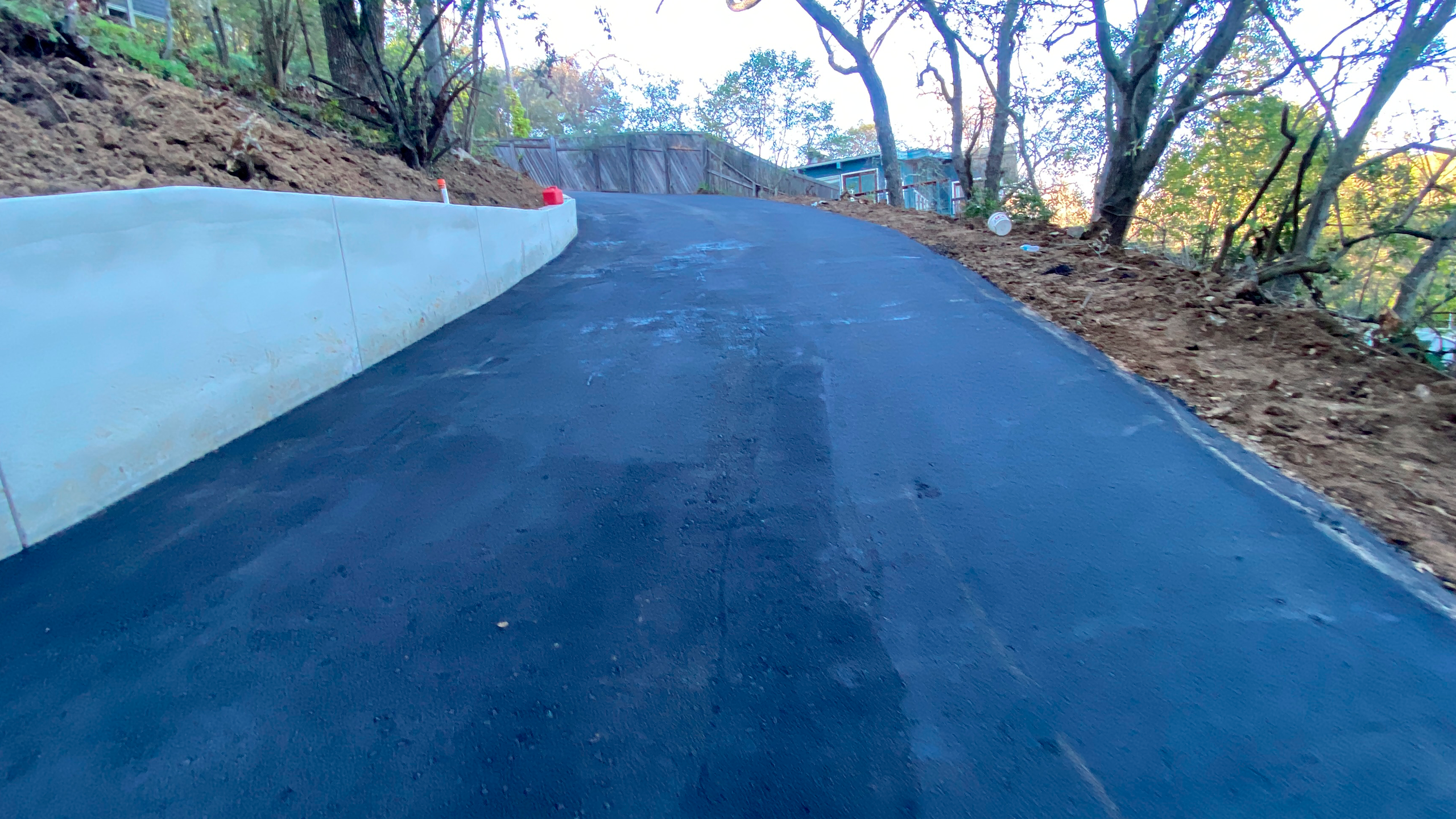
A poorly drained parking lot will deteriorate prematurely, regardless of material quality. WLP implements laser-guided grading and slope design to ensure:

  • A minimum 1–2% slope for surface drainage

  • Catch basins or trench drains for proper water removal

  • Avoidance of ponding in low-traffic or high-use zones

We analyze subgrade conditions and drainage direction before finalizing any asphalt or concrete pours.


🧱 4. Material Selection: Asphalt vs. Concrete by Application

  • Asphalt is ideal for large-scale lots due to its flexibility and cost-efficiency

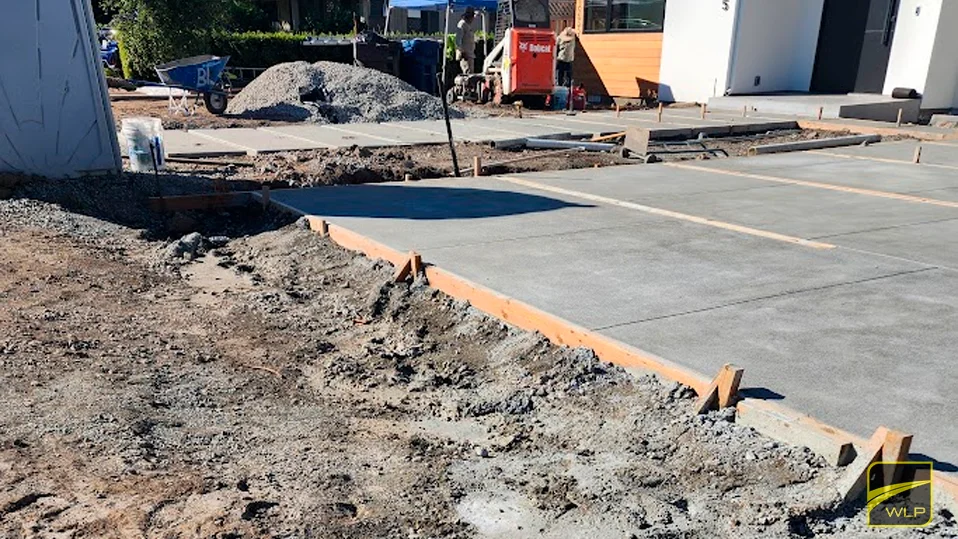
  • Concrete is preferred in high-load zones like dumpster pads, entrances, or delivery lanes

At WLP, we often design hybrid systems—asphalt with concrete reinforcements in critical areas.


🔁 5. Maintenance Integration: Planning for Longevity

The best parking lots are designed with future maintenance in mind:

  • Expansion joints in concrete zones

  • Pre-striped sealcoat cycles every 2–3 years

  • Proper base depth based on projected traffic load

  • ADA striping and signage ready for periodic refresh

Preventive planning increases lifespan, reduces liability, and preserves curb appeal.


🏗️ Built to Perform. Designed to Last.

At We Love Paving, we don’t just install parking lots—we engineer them. Every line we paint and every square foot we pave is backed by code, precision, and performance metrics.


📞 Need an Expert Assessment?

Whether you’re building from scratch or upgrading an existing lot, our team will walk your site, evaluate compliance, and provide a detailed scope for execution.

👉 Contact We Love Paving today for a full parking lot consultation across California.

Need Immediate Help?

Let's Talk About Your Project

Don't wait until minor damage turns into major expenses. Our team of experts is ready to provide you with guaranteed solutions. Contact us now for direct advice from a professional.

Frequently Asked Questions (FAQ)

Got Questions? Find Your Answers Here!!

What technical engineering requirements are critical in parking lot design?

Parking lot design requires precise runoff management using slopes between 2% and 5% to prevent hydroplaning and structural degradation. Engineering must integrate asphalt paving with a minimum thickness of 4 inches to sustain dynamic loads and lighting systems providing 5 foot-candles to ensure operational safety and visibility.

How does ADA compliance influence commercial parking lot layout?

The ADA mandates that for every 25 parking spaces, at least one must be van-accessible with an 8-foot-wide access aisle. Non-compliance triggers legal penalties and compromises universal accessibility, requiring maximum surface slopes of 1:50 in maneuvering areas to accommodate wheelchairs safely according to federal standards.

Why is local zoning vital for property owners managing parking areas?

Local zoning dictates the land occupation coefficient and the minimum number of stalls required based on building use. Commercial zones often require a ratio of 4 spaces per 1,000 square feet of construction. Ignoring these regulations prevents the issuance of operating permits and often necessitates expensive structural retrofitting.

Which preventive maintenance measures ensure technical parking compliance?

Technical maintenance involves crack sealing every 3 years and restriping with thermoplastic paint to maintain high-contrast reflective visibility at night. A proactive maintenance program extends pavement life up to 20 years, preventing sub-base erosion and structural failures that lead to significant civil liability and safety hazards.

What role does stormwater management play in modern parking engineering?

Modern engineering utilizes permeable pavements and retention basins designed to capture the "first flush" of rainfall, which contains 90% of vehicle-related pollutants. These systems reduce the load on municipal sewers and are mandatory in jurisdictions enforcing Low Impact Development (LID) standards for environmental protection.

Professional customer review project by We Love Paving in Northern California, California. Verified local construction quality.

Fred / Founder

Fred, Founder and Regional Operations Manager at We Love Paving, comes from a family that values hard work and discipline. Growing up watching his parents work long hours with integrity and dedication, Fred learned early on that quality paving isn’t just about asphalt, it’s about consistency, accountability, and doing the job right.

Share

Posts That Might Interest You

What is Driveway Resurfacing? Expert Technical Guide to Asphalt Overlay and When to Use It

What is Driveway Resurfacing? Expert Technical Guide to Asphalt Overlay and When to Use It

April 15, 2026

THE BENEFITS OF RESURFACING In the world of driveway maintenance and improvement, asphalt resurfacing has emerged as a popular and effective solution. As time passes, even the most durable asphalt driveways can succumb to wear and tear, displaying cracks, potholes, and a worn-out appearance. However, instead of tearing up the entire driveway and starting from

Paving Technical Audit: Cost of Driveway Analysis

Paving Technical Audit: Cost of Driveway Analysis

April 14, 2026

A Comprehensive Guide For Homeowners Paving a driveway is a substantial undertaking for any homeowner. Beyond just enhancing curb appeal, it adds value and utility to the property. However, before diving into such a project, it’s crucial to grasp the diverse factors influencing the overall cost. This guide explores these elements, offering insights to empower

Do You Put Sand or Gravel Under Asphalt Paving? A Guide for Sacramento, California

Do You Put Sand or Gravel Under Asphalt Paving? A Guide for Sacramento, California

April 10, 2026

When it comes to installing asphalt paving in Sacramento, California, one of the most common questions homeowners and builders have is whether to use sand or gravel as a base. Both materials play crucial roles in ensuring a durable, stable, and aesthetically pleasing paved surface. This article explores the importance of using sand and gravel

Why is Asphalt So Expensive? A 2026 Audit of Paving Costs and Market Dynamics

Why is Asphalt So Expensive? A 2026 Audit of Paving Costs and Market Dynamics

April 2, 2026

Paving costs have experienced a significant upward trend in recent years, leaving property owners questioning the reasons behind this surge. In this detailed exploration, we delve into the multifaceted factors contributing to the escalating costs of paving in 2026 and beyond. Material Costs and Market Dynamics The cornerstone of any paving project lies in its

Next

Estimation Tools

Calculate costs in seconds

Fast, accurate estimates that help you close more jobs. Less guesswork, more profit.