Best Paving Materials for San Francisco’s Climate: A Local Guide

We Love Paving services in Concord. Professional paving contractor serving Concord and Silicon Valley areas.
Estimation Tools

Calculate costs in seconds

Fast, accurate estimates that help you close more jobs. Less guesswork, more profit.

San Francisco’s unique Mediterranean climate—cool, foggy summers and mild, rainy winters—poses specific challenges for paving. From moisture management to seismic considerations, choosing the right material is key to durability and aesthetics. Here’s your guide to the best paving options for SF homes and businesses, tailored to local weather, terrain, and sustainability goals.


Key Climate Challenges for Paving in SF

  1. Moisture & Fog: Persistent dampness promotes mold, algae, and erosion.
  2. Mild Temperatures: Less thermal expansion than hotter regions, but freeze-thaw cycles are rare.
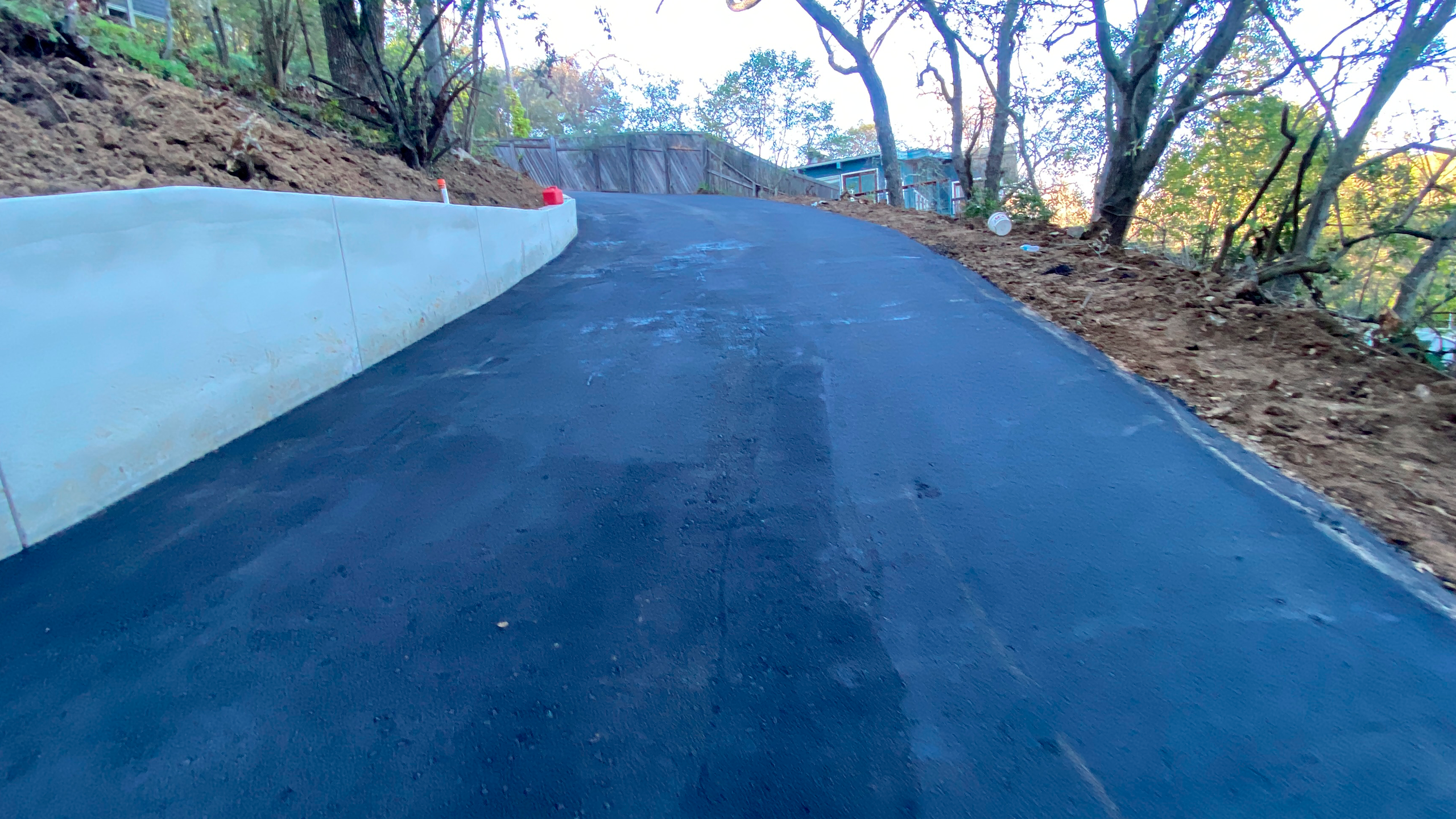
  3. Hilly Terrain: Slopes require slip-resistant surfaces and proper drainage.
  4. Seismic Activity: Materials must withstand minor shifts without cracking.

Top Paving Materials for San Francisco

1. Permeable Pavers

  • Why They Shine:
    • Combat SF’s rainy winters by allowing water to seep through, reducing runoff and flooding.
    • Prevent algae buildup (common in foggy areas) with better drainage.
    • Eco-friendly—ideal for meeting SF’s strict stormwater regulations.
  • Best Uses: Driveways, walkways, patios.
  • Material Options: Concrete grid pavers, porous brick, or gravel-filled systems.

2. Natural Stone (Flagstone, Bluestone)

  • Why They Shine:
    • Naturally slip-resistant, perfect for hilly or shaded areas prone to dampness.
    • Durable and timeless, blending with SF’s historic or modern architecture.
    • Low maintenance—resists mold and stains.
  • Best Uses: Garden paths, courtyards, pool surrounds.

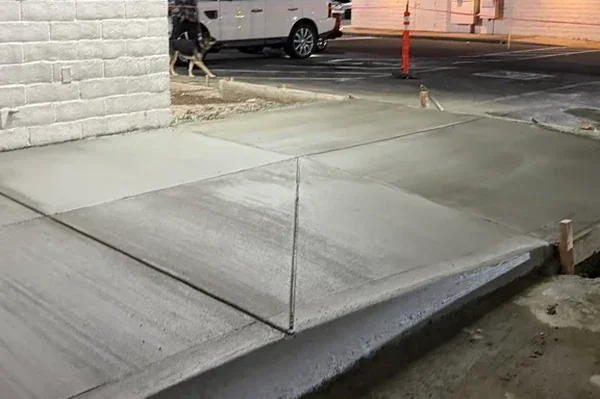
3. Concrete (Stamped or Textured)

  • Why It Shines:
    • Customizable with textures to improve traction on slopes.
    • Affordable and long-lasting in SF’s mild climate.
    • Opt for stained or stamped concrete to mimic pricier materials like stone.
  • Watch Out: Seal regularly to prevent moisture absorption in rainy months.

4. Interlocking Concrete Pavers

  • Why They Shine:
    • Flexible design: Handle ground shifts (hello, earthquakes!) without cracking.
    • Replace individual units if damaged—cost-effective for SF’s compact properties.
    • Choose darker tones to hide algae stains from fog.
  • Best Uses: Driveways, patios, public pathways.

5. Recycled Materials (Rubber Pavers, Glass Aggregates)

  • Why They Shine:
    • Eco-conscious choice for SF’s sustainability-focused residents.
    • Rubber pavers are slip-resistant and cushiony—great for play areas.
    • Glass aggregates add a unique, modern look to pathways.
  • Best Uses: Eco-friendly projects, rooftop decks, garden accents.

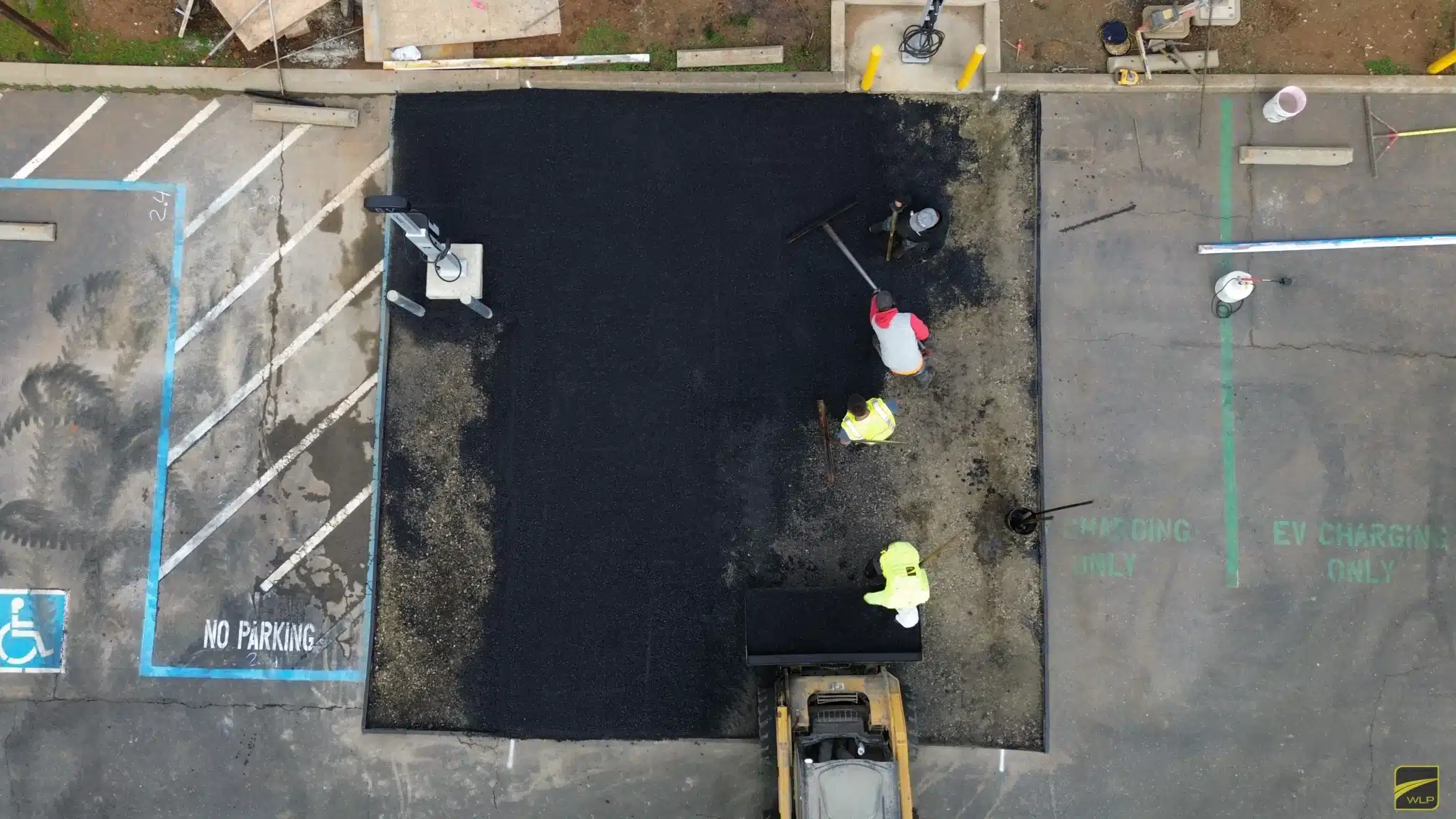
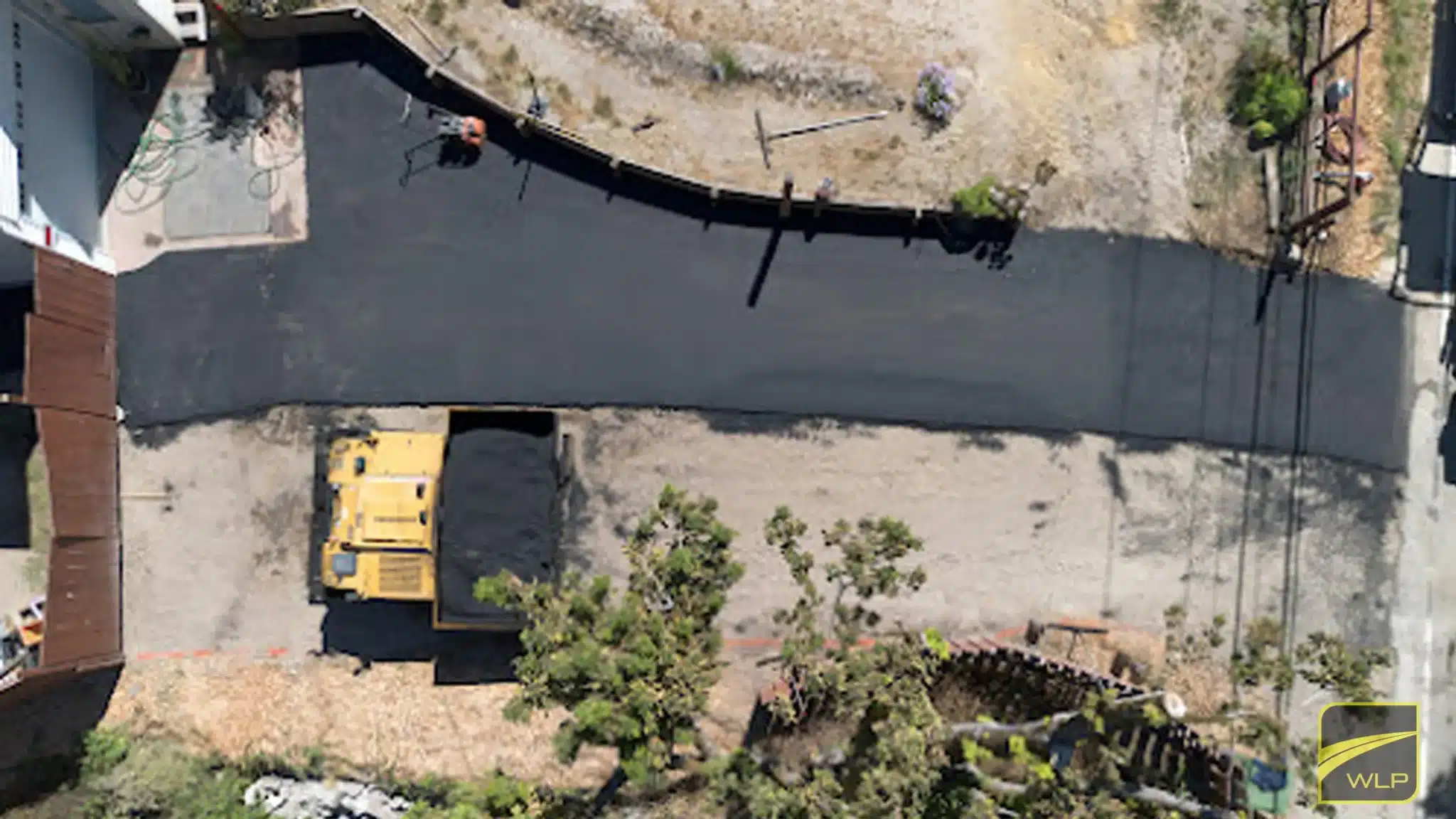
6. Asphalt (For Budget-Friendly Driveways)

  • Why It Shines:
    • Affordable for large areas like driveways.
    • Holds up well in SF’s moderate temperatures.
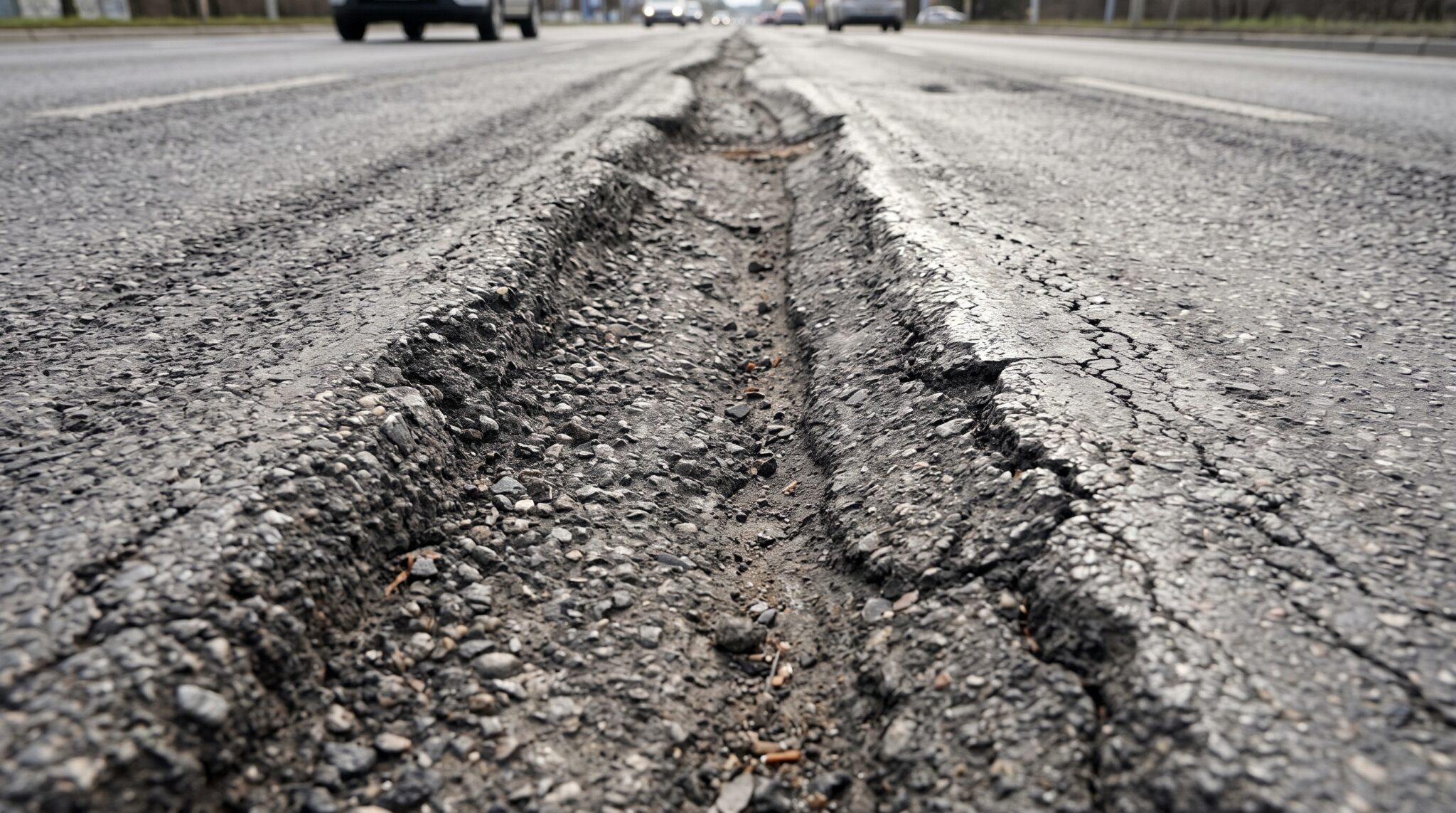
  • Watch Out: Prone to oil stains and cracks over time; requires resealing every 2–3 years.

Materials to Avoid in SF

  • Solid Non-Permeable Concrete: Traps water, increasing runoff and violating local stormwater codes.
  • Untreated Wood Decking: Rot-prone in damp conditions.
  • Smooth Tile or Polished Stone: Slippery when wet—dangerous on hills.

Local Tips for San Francisco Paving Projects

  1. Prioritize Drainage:
    • Use permeable materials or install French drains to handle winter rains.
  2. Slope Solutions:
    • Opt for textured pavers or stamped concrete with grip patterns for hilly driveways.
  3. Seismic Prep:
    • Choose flexible materials (like interlocking pavers) and ensure proper sub-base compaction.
  4. Fog & Mold Defense:
    • Clean surfaces annually with a vinegar-water mix to prevent algae.
    • Avoid light-colored materials that show stains.

Sustainability & Local Regulations

  • SF Stormwater Requirements: Permeable paving may be mandatory for new projects to reduce runoff.
  • Rebates: Check SF Public Utilities Commission for incentives on permeable installations.
  • Local Suppliers: Source recycled materials from Bay Area companies like Urban Ashes or Fireclay Tile.

Case Study: A Noe Valley Home’s Permeable Paver Transformation

  • Challenge: A steep driveway causing erosion and neighborhood runoff.
  • Solution: Interlocking permeable pavers with a gravel sub-base for drainage.
  • Result: Reduced flooding, improved curb appeal, and compliance with SF codes.

FAQ: San Francisco Paving

Q: Do I need a permit for a new driveway in SF?
A: Yes! Most paving projects require permits, especially if altering drainage.

Q: What’s the average cost of a paver patio in SF?
A: 
15

15–30/sq.ft., depending on materials and slope complexity.

Q: How do I prevent earthquake damage to my pavement?
A: Use flexible materials (pavers) and ensure a professionally compacted base.


Final Takeaway

San Francisco’s climate demands paving materials that balance beauty, durability, and eco-smart function. Permeable pavers and natural stone are top picks for moisture management, while interlocking concrete offers seismic resilience. Always work with a local contractor familiar with SF’s codes and microclimates!

Need Help? Contact We Love Paving for a free consultation tailored to your SF property!

Need Immediate Help?

Let's Talk About Your Project

Don't wait until minor damage turns into major expenses. Our team of experts is ready to provide you with guaranteed solutions. Contact us now for direct advice from a professional.

Frequently Asked Questions (FAQ)

Got Questions? Find Your Answers Here!!

What are the best paving materials for steep driveways in San Francisco?

To pave driveways on San Francisco’s steep terrain, textured concrete or interlocking pavers with high-friction grip patterns are ideal choices. These materials provide essential traction during foggy mornings and winter rains. Technical installation of French drains and proper sub-base compaction remains critical to prevent surface erosion on hilly residential properties.

Which paving option is most resistant to earthquakes in the Bay Area?

Interlocking concrete pavers are the superior choice for seismic zones like San Francisco because their flexible design allows for minor ground shifts without cracking. Unlike rigid concrete slabs, these systems distribute seismic stress through sand-filled joints, maintaining structural integrity and making individual unit replacements cost-effective for local property owners.

Why is permeable paving mandatory for many San Francisco projects?

Permeable paving is mandatory for many San Francisco projects to comply with the San Francisco Public Utilities Commission stormwater management regulations. These systems filter water through gravel sub-bases, reducing urban flooding and runoff while allowing property owners to access sustainability rebates and ensure compliance with strict local building codes.

How much does a professional paver installation cost in San Francisco today?

Professional paving installation in San Francisco currently costs between 15 and 30 dollars per square foot depending on material and slope complexity. While asphalt is the most budget-friendly initial option, it requires resealing every two to three years to prevent deep cracks caused by persistent coastal humidity and moisture.

How can I prevent mold and algae growth on my pavement in SF’s fog?

To prevent mold growth caused by San Francisco’s persistent fog, homeowners should use dark-toned natural stones and apply hydrophobic sealants every three years. Ideal preventive maintenance involves an annual cleaning with a vinegar-water solution, avoiding corrosive chemicals that degrade the natural porosity of the high-quality installed paving materials.

Professional customer review project by We Love Paving in Northern California, California. Verified local construction quality.

Fred / Founder

Fred, Founder and Regional Operations Manager at We Love Paving, comes from a family that values hard work and discipline. Growing up watching his parents work long hours with integrity and dedication, Fred learned early on that quality paving isn’t just about asphalt, it’s about consistency, accountability, and doing the job right.

Share

Posts That Might Interest You

What is Driveway Resurfacing? Expert Technical Guide to Asphalt Overlay and When to Use It

What is Driveway Resurfacing? Expert Technical Guide to Asphalt Overlay and When to Use It

April 15, 2026

THE BENEFITS OF RESURFACING In the world of driveway maintenance and improvement, asphalt resurfacing has emerged as a popular and effective solution. As time passes, even the most durable asphalt driveways can succumb to wear and tear, displaying cracks, potholes, and a worn-out appearance. However, instead of tearing up the entire driveway and starting from

Paving Technical Audit: Cost of Driveway Analysis

Paving Technical Audit: Cost of Driveway Analysis

April 14, 2026

A Comprehensive Guide For Homeowners Paving a driveway is a substantial undertaking for any homeowner. Beyond just enhancing curb appeal, it adds value and utility to the property. However, before diving into such a project, it’s crucial to grasp the diverse factors influencing the overall cost. This guide explores these elements, offering insights to empower

Do You Put Sand or Gravel Under Asphalt Paving? A Guide for Sacramento, California

Do You Put Sand or Gravel Under Asphalt Paving? A Guide for Sacramento, California

April 10, 2026

When it comes to installing asphalt paving in Sacramento, California, one of the most common questions homeowners and builders have is whether to use sand or gravel as a base. Both materials play crucial roles in ensuring a durable, stable, and aesthetically pleasing paved surface. This article explores the importance of using sand and gravel

Why is Asphalt So Expensive? A 2026 Audit of Paving Costs and Market Dynamics

Why is Asphalt So Expensive? A 2026 Audit of Paving Costs and Market Dynamics

April 2, 2026

Paving costs have experienced a significant upward trend in recent years, leaving property owners questioning the reasons behind this surge. In this detailed exploration, we delve into the multifaceted factors contributing to the escalating costs of paving in 2026 and beyond. Material Costs and Market Dynamics The cornerstone of any paving project lies in its

Next

Estimation Tools

Calculate costs in seconds

Fast, accurate estimates that help you close more jobs. Less guesswork, more profit.