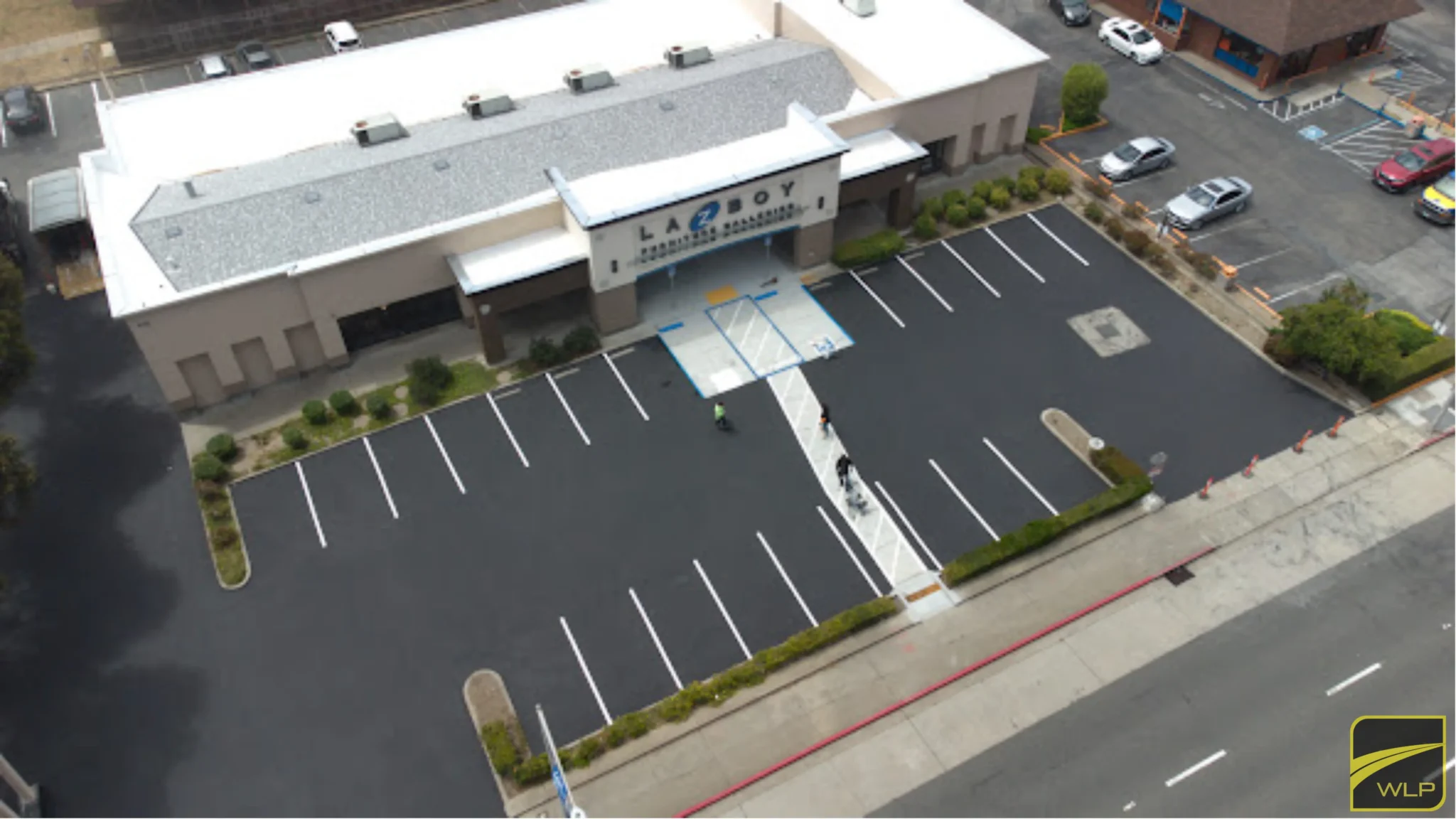
Asphalt Paving in San Jose: Costs, Best Practices, and Local Insights

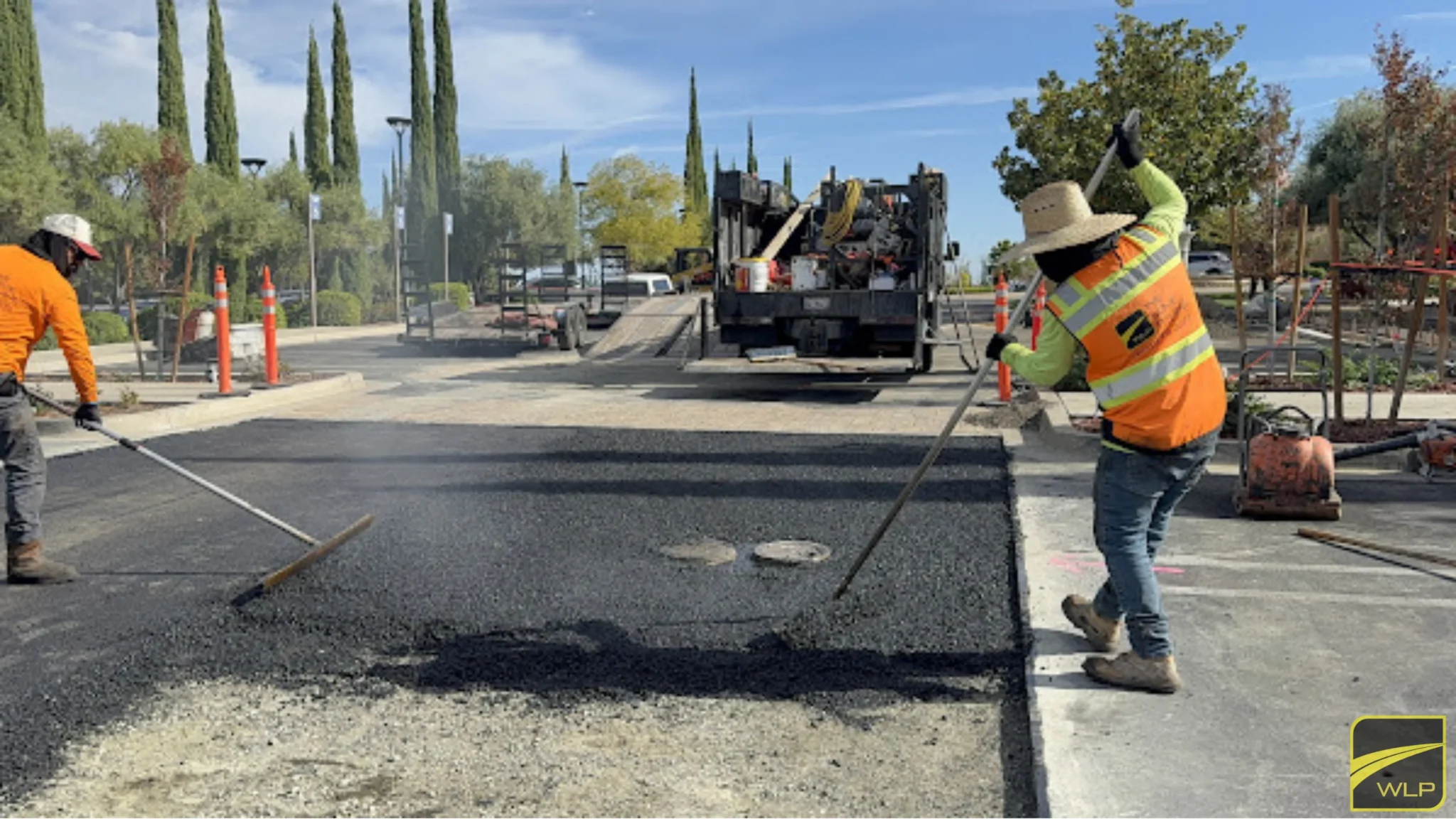
When it comes to paving driveways, parking lots, or pathways in San Jose, asphalt is a top choice for its affordability, durability, and adaptability to the region’s climate. But navigating the local paving scene requires insider knowledge—from understanding Silicon Valley’s unique weather challenges to finding trusted contractors. In this guide, We Love Paving breaks down everything you need to know about asphalt paving in San Jose, including costs, FAQs, and tips to ensure your project lasts for decades.


Why Choose Asphalt in San Jose?

San Jose’s Mediterranean climate—hot, dry summers and mild, wet winters—makes asphalt an ideal paving material. Here’s why:

  • Heat Resistance: Asphalt’s dark color absorbs heat, but modern mixes with polymer additives resist softening in high temps (common in summer).

  • Quick Installation: Projects can often be completed in 1–2 days, minimizing disruption.

  • Cost-Effective: Asphalt is 30–50% cheaper than concrete upfront, perfect for budget-conscious homeowners.

  • Flexibility: Handles minor ground shifts common in areas with clay soils (like South San Jose).


Cost of Asphalt Paving in San Jose

Average costs depend on project size, materials, and labor. Here’s a breakdown:

Project Cost Range Details
Residential Driveway
3

8 per sq. ft.

600 sq. ft. driveway:
1,800

4,800

Parking Lot
2

6 per sq. ft.

2,000 sq. ft. lot:
4,000

12,000

Repairs/Resurfacing
1

3 per sq. ft.

Crack filling, sealcoating, or patches

Why San Jose Costs Vary:

  • Labor Rates: Higher than national averages due to Silicon Valley’s cost of living.

  • Permits: San Jose may require permits for curb cuts or drainage changes (
    100

    500).

  • Slope/Soil Prep: Hillside homes (e.g., Almaden Valley) often need extra grading.


Top 5 Asphalt FAQs for San Jose Homeowners

1. “How long does asphalt last in San Jose?”

With proper maintenance, asphalt lasts 15–25 years. Sealcoating every 2–3 years and fixing cracks promptly are key.

2. “Will summer heat damage my asphalt driveway?”

Modern asphalt mixes are designed for heat resistance. Opt for polymer-modified asphalt (used by top local contractors) to prevent softening.

3. “Can I pave during the rainy season?”

Avoid paving in heavy rain (November–March), as moisture affects curing. Spring and fall are ideal.

4. “How do I find a reliable asphalt contractor?”

  • Check reviews on Google, Yelp, and the California Contractors State License Board (CSLB).

  • Ask for local references (e.g., projects in Willow Glen or Evergreen).

  • Ensure they use Caltrans-approved materials for longevity.

5. “Are permeable asphalt options available?”

Yes! Permeable asphalt (used in San Jose’s Green Stormwater Infrastructure Plan) reduces runoff and complies with local eco-regulations.


Maintenance Tips for San Jose’s Climate

  1. Sealcoat Before Summer: Protect against UV rays and summer heat.

  2. Clean Oil Stains Quickly: Use degreasers to prevent asphalt breakdown.

  3. Manage Drainage: Ensure water flows away from pavement to avoid erosion (critical in winter).

  4. Fill Cracks Annually: Use rubberized crack filler to keep moisture out.


Eco-Friendly Asphalt Solutions

San Jose encourages sustainable paving practices:

  • Recycled Asphalt (RAP): Crushed and reused asphalt is 20–30% cheaper and reduces landfill waste.

  • Cool Pavements: Light-colored coatings or additives reflect heat, lowering urban temperatures.

  • Permeable Pavements: Compliant with San Jose’s stormwater management rules.


Local Case Study: A San Jose Success Story

Location: Naglee Park Historic District
Challenge: A 1950s home needed a driveway that blended with historic charm but met modern durability standards.
Solution: Contractors used stamped asphalt (mimicking brick) with a heat-resistant sealant. The project cost $6,500 and included permeable edges to meet city drainage codes.


How to Choose a San Jose Asphalt Contractor

  1. Verify Licenses: Ensure CSLB # and insurance are valid.

  2. Ask About Materials: Locally sourced aggregates (e.g., from quarries in Milpitas) cut costs.

  3. Get a Written Warranty: Reputable contractors offer 1–5 year warranties on workmanship.

  4. Compare Quotes: Get 3+ estimates (average San Jose rates:
    80

    150/hour).


Permits & Regulations in San Jose

  • Residential Driveways: A permit is required if altering curb height or adding drainage.

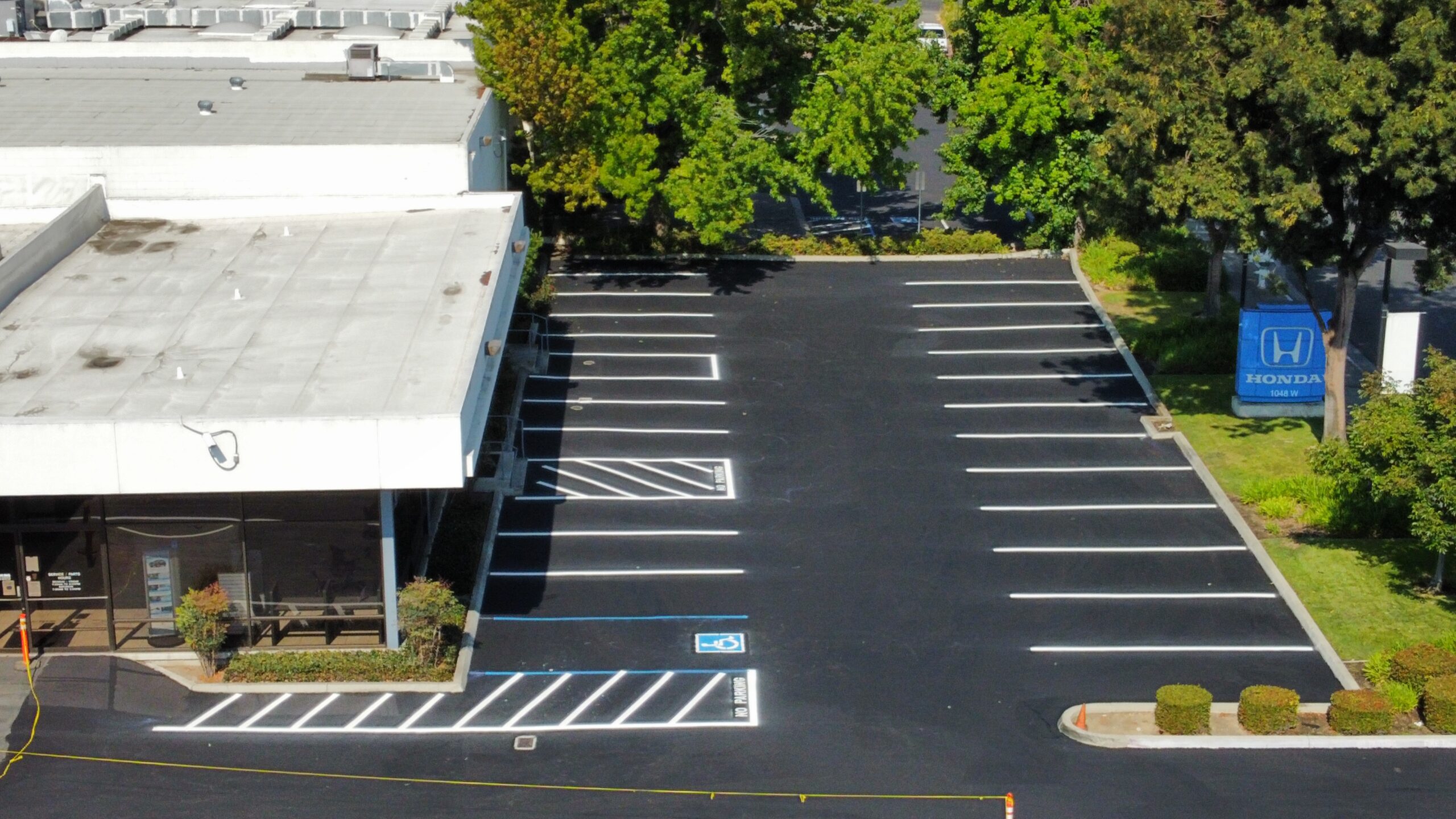
  • Commercial Projects: Must comply with ADA standards and city zoning laws.

  • Environmental Rules: Follow San Jose’s Stormwater Management Guidelines to avoid fines.


7 Signs You Need Asphalt Repair

  1. Alligator cracking (web-like patterns).

  2. Potholes deeper than 2 inches.

  3. Faded color (indicates oxidation).

  4. Pooling water after rain.

  5. Uneven surfaces (trip hazards).

  6. Loose gravel or edges.

  7. Age: 10+ years without sealcoating.


FAQs: Quick Answers for San Jose Residents

Q: How soon can I drive on new asphalt?
A: Wait 3–5 days for full curing.

Q: Does San Jose offer rebates for permeable paving?
A: Yes! Check the San Jose Environmental Services Department for current programs.

Q: Can asphalt be recycled?
A: Absolutely—100% recyclable. Many local companies (e.g., Zanker Recycling) accept old asphalt.


Final Word
From historic neighborhoods like Rose Garden to newer developments in North San Jose, asphalt remains the go-to paving solution for its blend of practicality and value. By partnering with a trusted local contractor and staying proactive with maintenance, your asphalt surface will withstand Silicon Valley’s unique demands for years to come.



Share

WHO IS FRED?

Fred, Regional Operations Manager, comes from a family of immigrant roots and a story built on sacrifice, discipline, and hard work. Growing up, Fred watched his parents work long hours and weekends to create a better future teaching him the values of perseverance, determination, and doing things the right way every single time.
We Love Paving began with Fred’s father, who started doing what he knew best: paving. Over the years, he built experience alongside respected professionals in the industry, refining his methods and developing a reputation for quality work that speaks for itself. As his clientele grew, so did the vision one built not only on skill, but on integrity and pride in every job.

Posts that might interest you

What is Concrete and how it Powers Modern Infrastructure

What is Concrete and how it Powers Modern Infrastructure

March 9, 2026

What is concrete? Concrete, the stalwart composite amalgamation of cement, aggregates, and water, stands as the linchpin of contemporary construction. Its unwavering durability, exceptional strength, and flexibility position it as the bedrock of architectural ingenuity and infrastructure resilience. Industrial standards and structural integrity: Beyond the basics Structural safety is never arbitrary; it is governed by

What is Asphalt?

What is Asphalt?

March 5, 2026

Often recognized as blacktop or bitumen, asphalt is a composite material extensively employed in the construction of surfaces such as roads, driveways, and parking lots. It consists of aggregates like sand, gravel, or crushed stone, bound together by a petroleum-based binder. This dynamic combination results in a flexible yet robust material that has found applications

What Are the Chances of Winning an ADA Lawsuit?

What Are the Chances of Winning an ADA Lawsuit?

February 21, 2026

Running a business comes with countless responsibilities, and ensuring compliance with various laws is one of the most critical. However, many business owners are unaware that they can face lawsuits for violating the Americans with Disabilities Act (ADA) even if the violation was completely unintentional. ADA compliance is not just a legal requirement; it’s an essential

What is Commercial Property Depreciation?

What is Commercial Property Depreciation?

February 13, 2026

Commercial real estate investment holds immense potential for generating substantial returns over time. Beyond rental income and property appreciation, savvy investors employ various strategies to optimize their returns. One such strategy that often goes underappreciated is leveraging commercial real estate depreciation for tax benefits. In this comprehensive guide, we’ll explore how strategic depreciation can bolster

How to Improve your Parking Lot Ratio!

How to Improve your Parking Lot Ratio!

February 6, 2026

The parking ratio of a commercial real estate property is the number of parking spaces available per square foot of leasable space. Having an adequate parking ratio is essential for attracting and retaining tenants, as it can impact their ability to conduct business and serve customers. If you own or manage a commercial property and

What is Sealcoating and the Science of Pavement Preservation

What is Sealcoating and the Science of Pavement Preservation

February 1, 2026

Parking lots serve as vital assets for businesses, offering safe and convenient spaces for customers and employees alike. However, the asphalt surfaces of these lots are subject to wear and tear over time, necessitating proactive maintenance to ensure longevity and safety. One highly effective method of preserving asphalt integrity is sealcoating a process that offers

How Long Does Asphalt Take to Dry and Fully Cure?

How Long Does Asphalt Take to Dry and Fully Cure?

January 30, 2026

Quick Answer: How Long to Wait? For a safe estimate, you should wait between 48 to 72 hours before walking on freshly paved asphalt. While the surface might feel solid within minutes, the internal structure requires this window to stabilize thermally. This timeframe can extend from 2 to 7 days depending on critical factors like

What is Bonus Depreciation?

What is Bonus Depreciation?

January 23, 2026

Understanding Bonus Depreciation Bonus depreciation was established as part of the Tax Cuts and Jobs Act (TCJA) of 2017, aiming to stimulate economic growth by incentivizing investment in capital assets. Under this provision, businesses are allowed to deduct a percentage of the cost of qualified assets in the year they are placed in service, rather

Can You Pave in the Rain? A Technical Guide to Asphalt Integrity

Can You Pave in the Rain? A Technical Guide to Asphalt Integrity

January 21, 2026

Certainly! Conducting a more extensive investigation on the impact of rain on paving would involve exploring various aspects such as the specific effects of rain on different types of paving materials, the techniques and technologies used to mitigate these effects, case studies highlighting the consequences of paving in rainy conditions, and any regulatory or industry

Strategic Benefits of ADA Compliance

Strategic Benefits of ADA Compliance

January 20, 2026

In the contemporary landscape of commerce, accessibility stands as a cornerstone for inclusive and ethical business practices. At the forefront of ensuring equal access for all individuals lies the Americans with Disabilities Act (ADA). This pivotal legislation mandates that businesses provide equitable access to goods, services, and employment opportunities for people with disabilities. In this

Next