Choosing the right paving material is critical for meeting ADA compliance and ensuring accessibility for all. Both asphalt and concrete can comply with ADA standards, but they differ in cost, durability, and maintenance. Let’s break down their pros and cons to help you decide which is best for your property.
Key ADA Requirements for Pavement
- Slope Ratios: Max 1:12 (8.33%) for ramps.
- Surface Smoothness: Firm, stable, and slip-resistant.
- Durability: Withstand weather and heavy use.
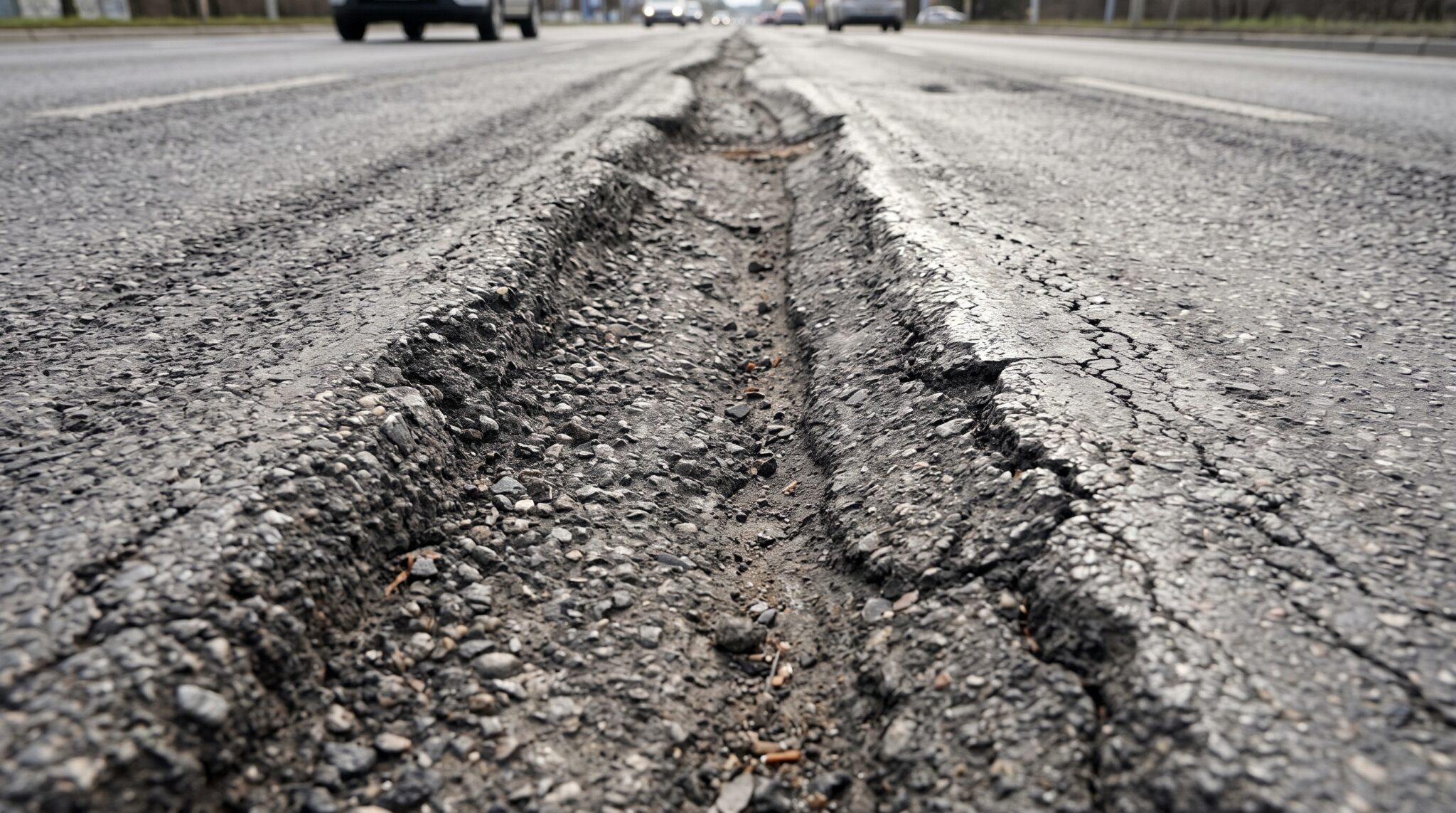
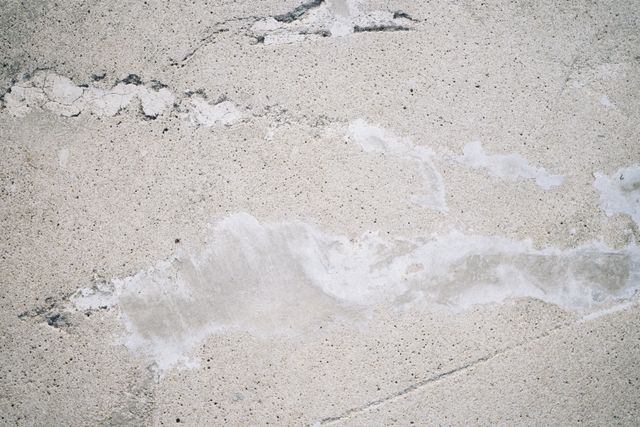
- Maintenance: Minimal tripping hazards (no cracks/potholes).
- Signage & Markings: Clear, high-contrast, and properly mounted.
The ADA Transition Plan
A pavement assessment is not an isolated event; it is the core of an ADA Transition Plan. This document is a legal mandate for public entities and a critical best practice for commercial property owners. It involves a detailed inventory of all physical barriers in parking lots and sidewalks, assigning repair priorities based on usage volume and the severity of non-compliance. Integrating a Transition Plan allows asset managers to create multi-year budgets, immediately mitigating legal risks by demonstrating a good-faith effort to remove architectural barriers. Without a documented plan, properties remain vulnerable to recurring litigation and “drive-by” lawsuits.
Running Slope vs. Cross Slope
In a technical pavement assessment, we differentiate between two critical vectors:
- Running Slope: The slope that is parallel to the direction of travel. The maximum allowable ratio is 1:12 (8.33%).
- Cross Slope: The slope that is perpendicular to the direction of travel, vital for water drainage. This must not exceed 2% (1:48). A common error is ignoring the cross slope, which is a frequent cause of citations due to wheelchair instability.
Asphalt for ADA Compliance
Pros
- Cost-Effective: 30–50% cheaper upfront than concrete.
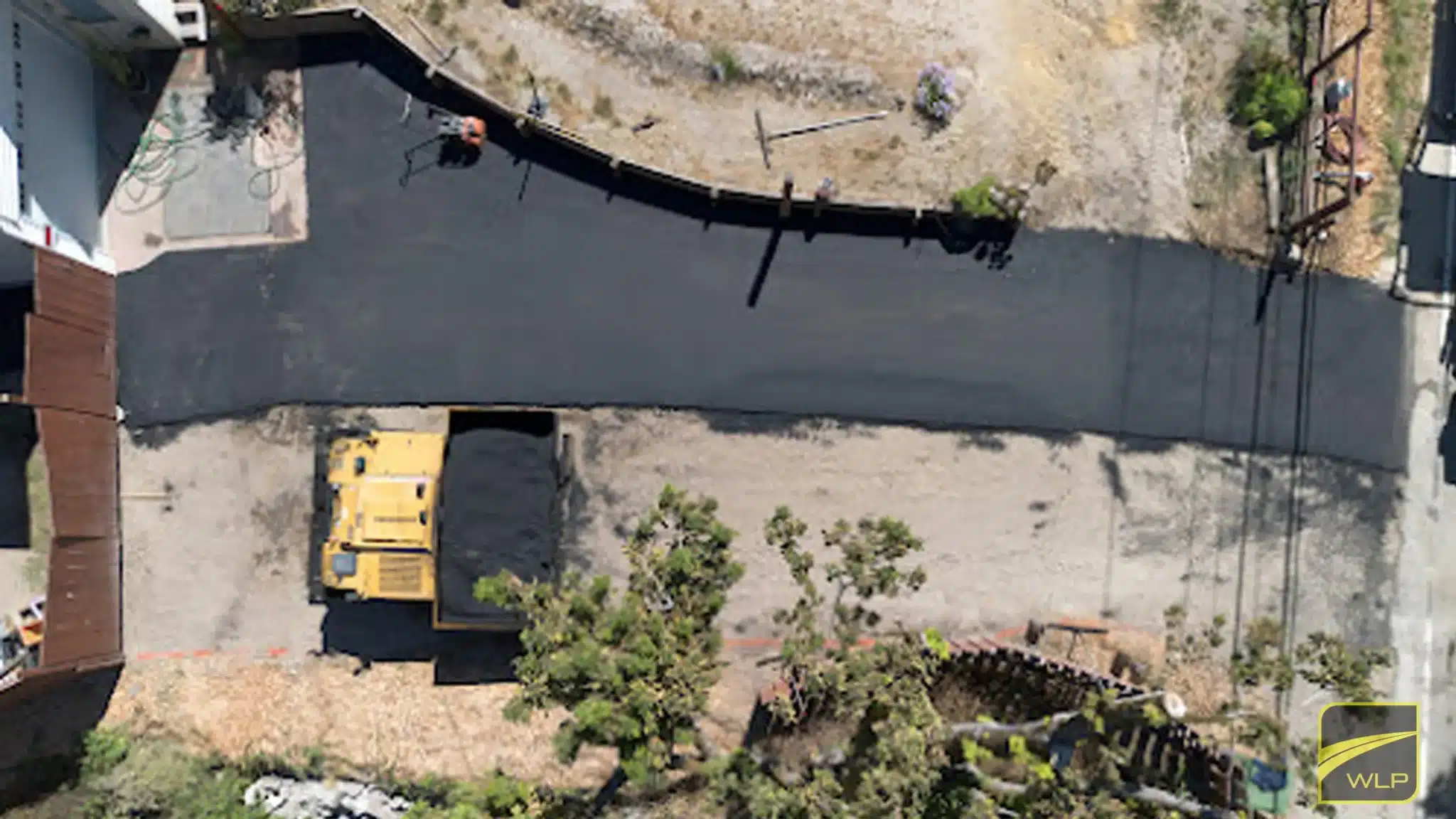
- Quick Installation: Cures in 24–48 hours, ideal for urgent upgrades.
- Flexibility: Easier to adjust slopes during installation.
- Seamless Repairs: Patching potholes or cracks is straightforward.
Cons
- Higher Maintenance: Requires sealcoating every 2–3 years.
- Weather Sensitivity: Softens in heat, cracks in extreme cold.
- Shorter Lifespan: 15–20 years (vs. concrete’s 30+).
Best For: Budget-conscious projects, temporary solutions, or mild climates.
Concrete for ADA Compliance
Pros
- Durability: Resists heavy traffic and lasts 30+ years.
- Low Maintenance: Less frequent repairs; stains are rare.
- Weather Resistance: Handles freeze-thaw cycles better than asphalt.
- Smooth Surface: Stays even longer, reducing tripping risks.
Cons
- Higher Upfront Cost: 2x more expensive than asphalt.
- Longer Cure Time: 7+ days to fully set, delaying project completion.
- Rigidity: Less forgiving for slope adjustments post-installation.
Best For: High-traffic areas, long-term investments, or regions with harsh winters.
Side-by-Side Comparison
| Factor | Asphalt | Concrete |
|---|---|---|
| Cost | 2–5 per sq. ft. | 4–10 per sq. ft. |
| Lifespan | 15–20 years | 30+ years |
| Maintenance | Frequent sealcoating | Occasional crack sealing |
| Installation Time | 1–2 days | 7+ days |
| Slope Adjustments | Easier during installation | Difficult post-cure |
Case Studies: Real Results in Northern California
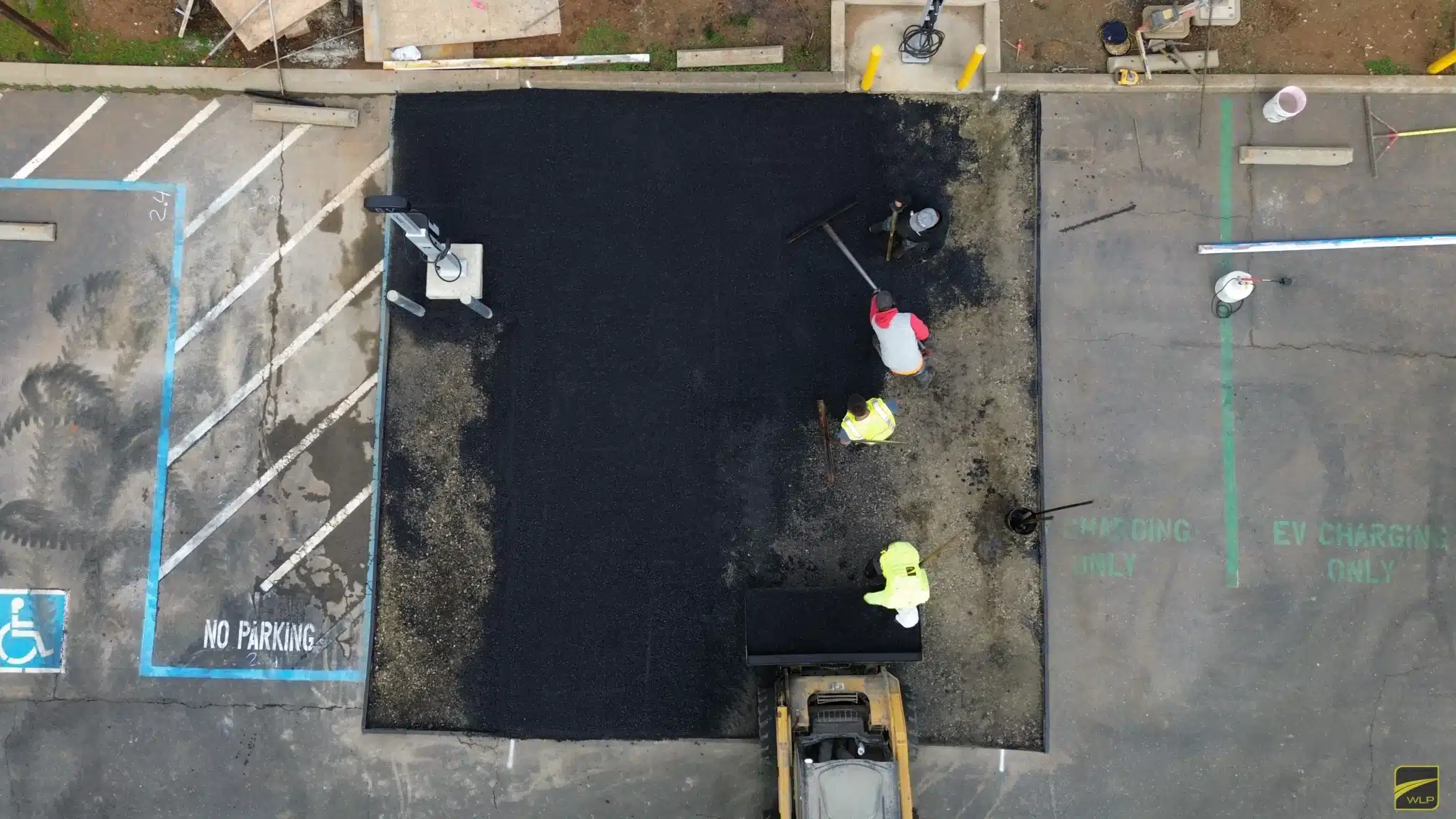
Manteca Retail Center (Asphalt):
- The Challenge: A high-traffic retail site required a complete ADA accessibility renovation to meet local regulations without disrupting customer flow.
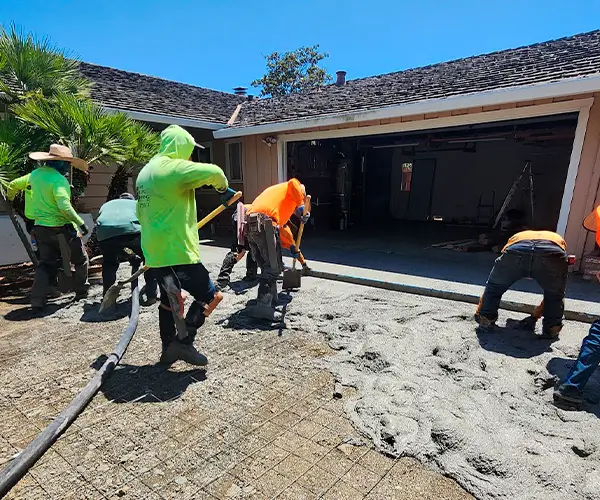
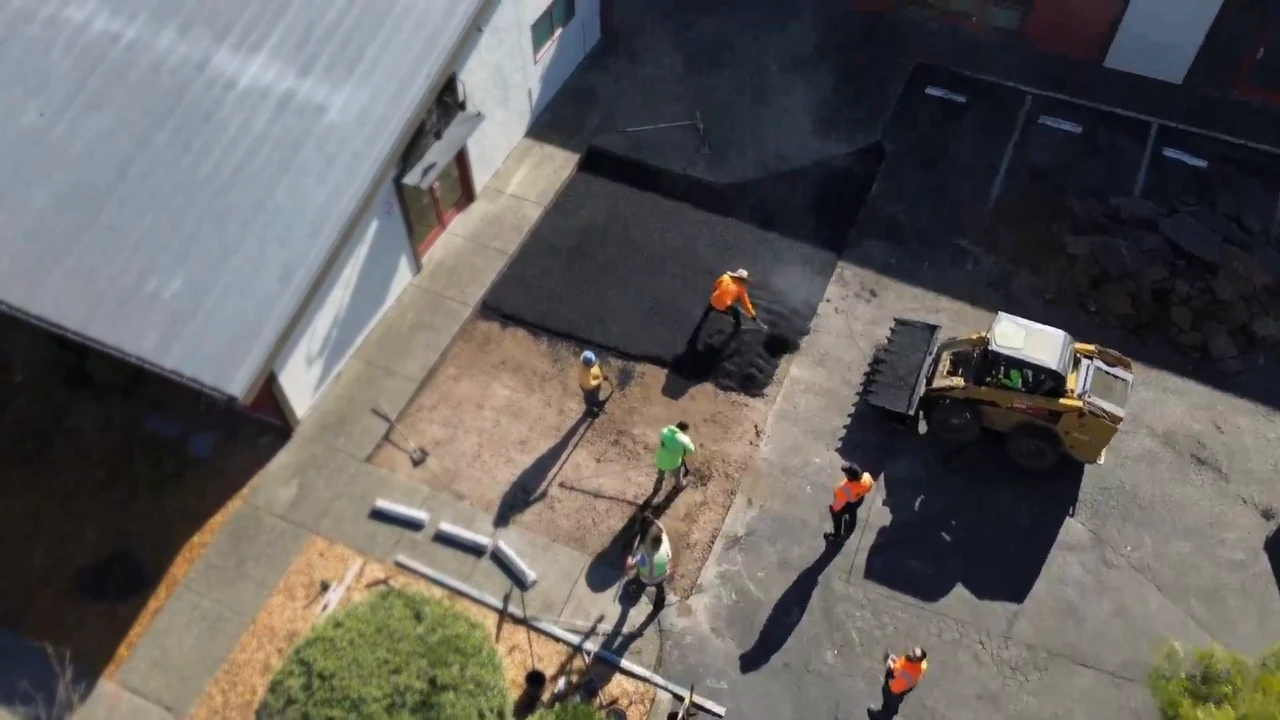
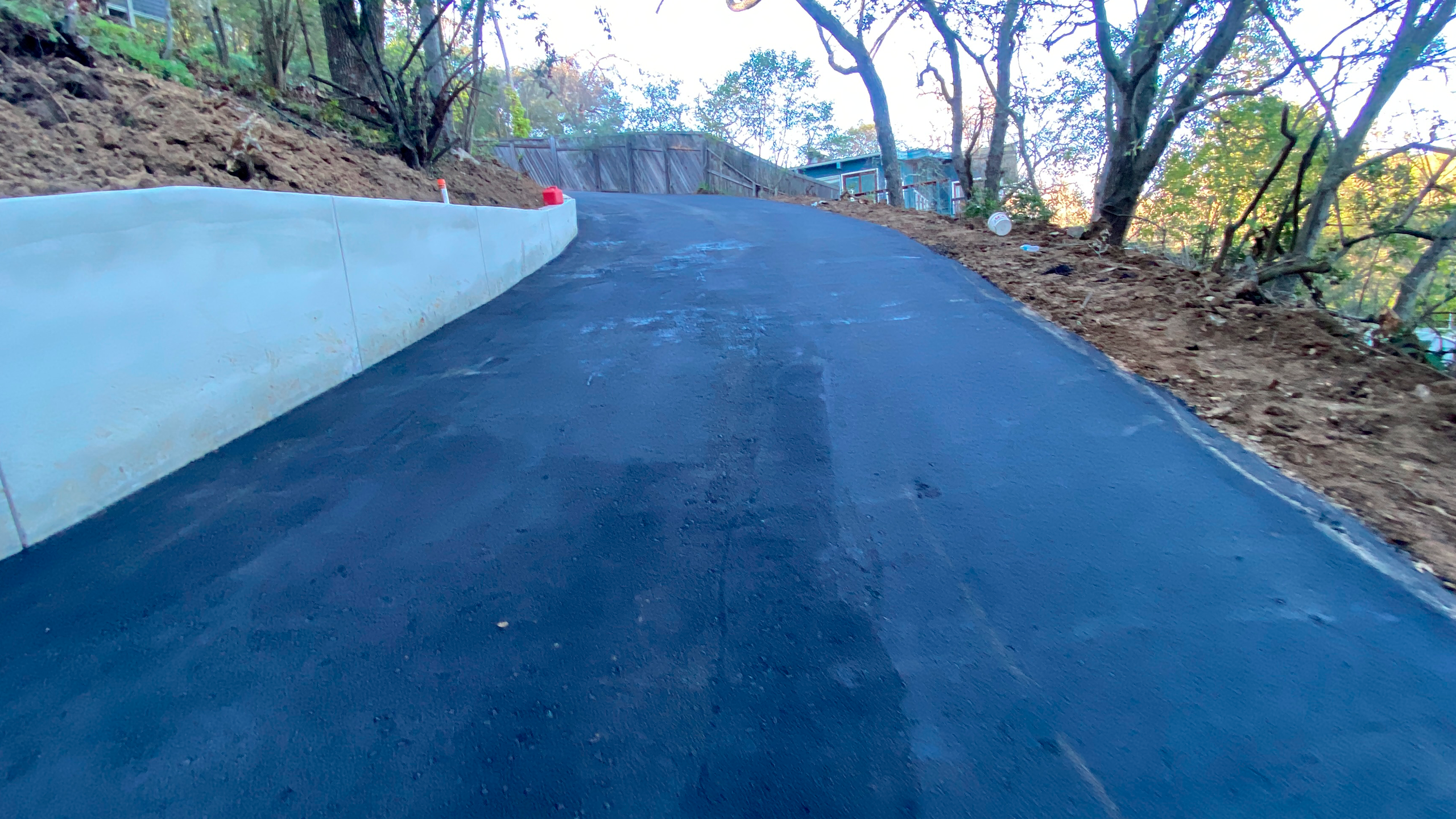
- The Solution: Strategic installation of 4-inch asphalt and regulatory ramps executed with technical precision.
- The Result: Full compliance with ADA standards and zero business downtime for the center’s tenants.
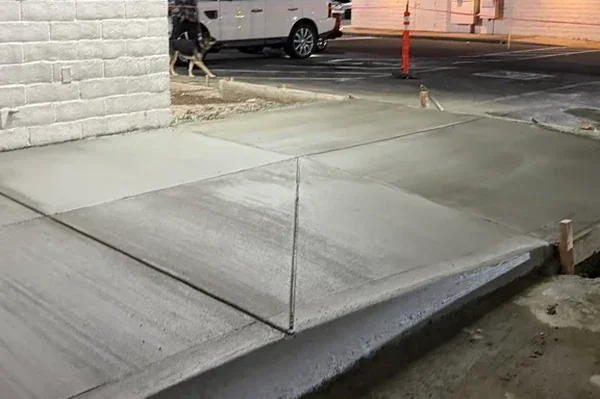
San Francisco Infrastructure (Concrete):
- The Challenge: Adapting slopes and surfaces in the demanding San Francisco urban environment, where durability and slope precision are critical to avoid litigation.
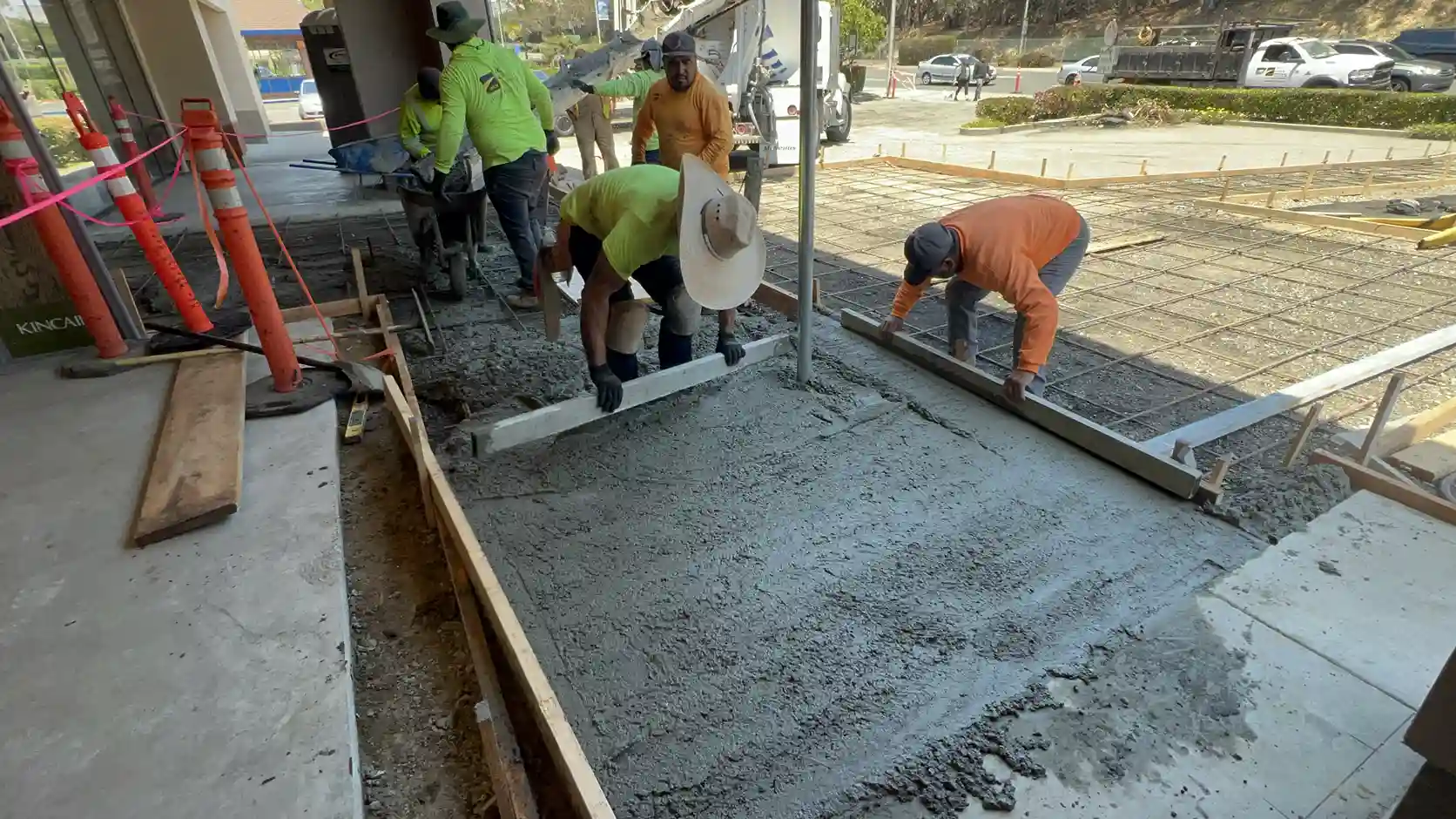
- The Solution: Reconstruction using high-strength concrete, focusing on transition stability and slip-resistant surfaces.
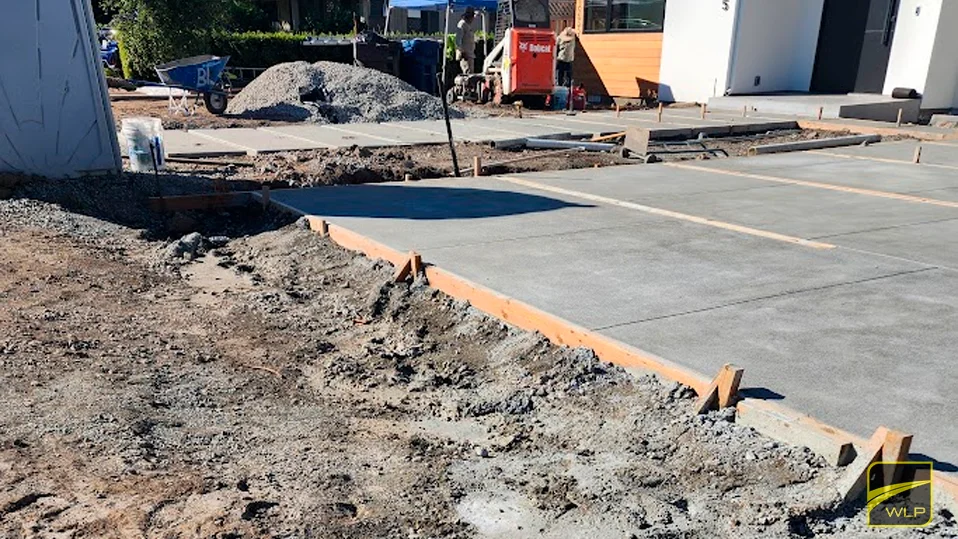
- The Result: Permanent access infrastructure, resistant to urban wear and 100% compliant with strict SF municipal regulations.
Which Should You Choose?
- Budget: Asphalt for short-term savings; concrete for long-term ROI.
- Climate: Concrete for freeze-thaw regions; asphalt for mild weather.
- Traffic: Concrete for heavy use (e.g., hospitals); asphalt for low-traffic lots.
How We Love Paving Ensures Compliance
- Laser-Guided Grading: Perfect 1:12 slopes every time.
- Non-Slip Surfaces: Texture additives for asphalt/concrete.
- Signage Expertise: Compliant mounting and labeling.
- Free Audits: Spot risks before they become fines.
Precision with Engineering-Grade Instrumentation
To guarantee that every ramp and walkway meets strict regulatory tolerances, we discard analog measurements. Our team utilizes high-precision digital inclinometers calibrated to detect slope variations as small as 0.1%, ensuring no surface exceeds the critical 8.33% threshold. Furthermore, we employ sub-meter grade GPS to map every deficiency within a Geographic Information System (GIS). This technology allows us to georeference cracks, depressions, and vertical displacements, providing a technical report that serves as a certified audit for municipal inspectors or legal experts.
Your Partner in Accessibility and Safety
Choosing between asphalt and concrete isn’t just about materials; it’s a strategic decision regarding your property’s longevity and your community’s safety. While asphalt offers agility and immediate cost savings, concrete stands as the gold standard for long-term durability. At We Love Paving, we don’t just lay down mix; we engineer solutions that protect your investment and keep you off the legal radar. Whether you need an urgent repair or a comprehensive transition plan, we are here to pave the way toward a space that is 100% inclusive and risk-free.