Parking Lot Hazards Audit: A Professional Guide to Legal Risk Mitigation

We Love Paving services in Santa Clara County. Professional paving contractor serving Santa Clara County and East Bay areas.
Estimation Tools

Calculate costs in seconds

Fast, accurate estimates that help you close more jobs. Less guesswork, more profit.

A poorly maintained parking lot is more than just an eyesore it’s a legal liability. If your parking lot is unsafe, you could be at risk for costly lawsuits due to accidents, injuries, or non-compliance with regulations. Here are five warning signs that your parking lot could be a lawsuit waiting to happen.

1. Cracks, Potholes, and Uneven Surfaces

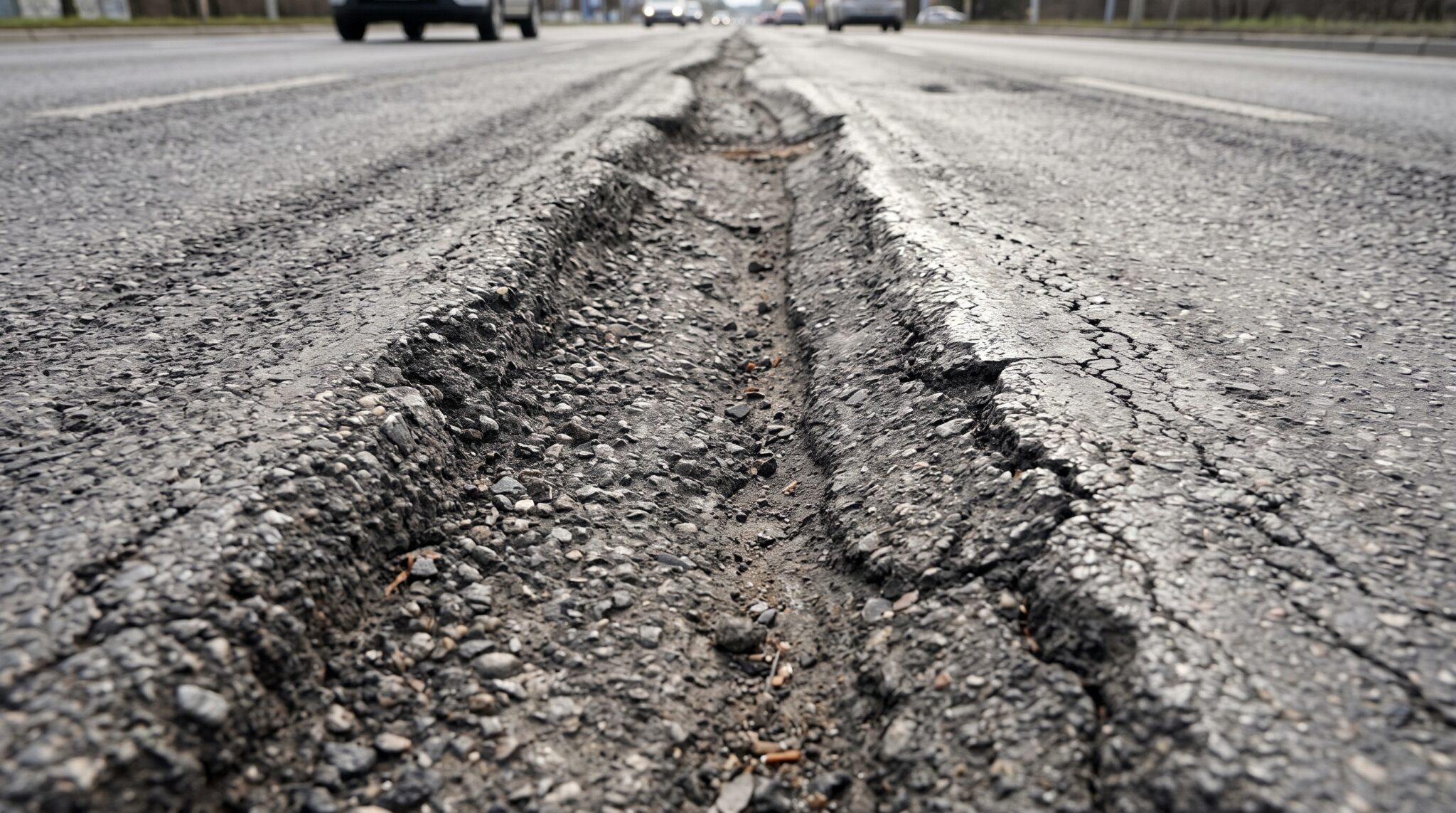
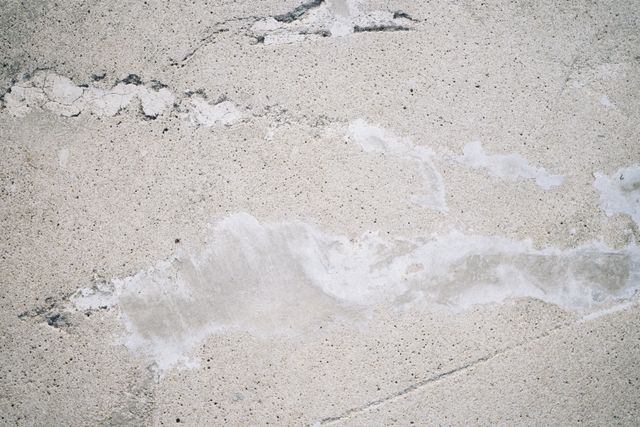
Damaged pavement isn’t just a nuisance it’s a major safety hazard. Uneven surfaces can cause trips, falls, and vehicle damage. If a visitor or employee is injured due to poor maintenance, your business could be held liable. Regular inspections and timely repairs can help prevent these risks.

2. Faded or Missing Parking Lot Striping

Clear and visible striping is essential for organizing traffic flow, designating parking spots, and ensuring ADA compliance. If lines are faded or missing, drivers may park haphazardly, leading to accidents or accessibility violations. Repainting lines regularly helps prevent confusion and legal complications.

Pedestrian Safety and Distracted Driving 

Parking lot design must mitigate the human factor. According to traffic safety data, one in five accidents occurs in parking lots, often due to drivers distracted by mobile devices. The absence of clear “Pedestrian Crossing” signage and visible pavement markings creates confusion at conflict points where vehicles interact with people. Installing regulatory STOP signs and delineating safe pedestrian routes not only organizes traffic flow but also serves as a crucial legal defense by proving the owner took proactive measures to prevent avoidable collisions. 

3. Poor Lighting

Dim or broken lighting increases the risk of accidents, theft, and personal injury. If someone slips, trips, or is assaulted due to poor visibility in your parking lot, you could face a premises liability lawsuit. Ensure all lighting is functional and replace burnt-out bulbs immediately.

4. Inadequate or Non-Compliant ADA Parking Spaces

The Americans with Disabilities Act (ADA) requires businesses to provide properly designated and accessible parking spaces. If your lot lacks the required number of accessible spaces, or if existing ones are improperly marked or maintained, you could face hefty fines and legal action. Regularly audit your parking lot for ADA compliance.

California Building Code (CBC) Chapter 11B Compliance 

In California, ADA compliance is not merely a federal guideline but a strict requirement under Title 24 of the Building Code (Chapter 11B). For parking lots in Santa Clara and the Bay Area, this means accessible stalls must meet precise dimensions: a van-accessible space must be at least 12 feet wide, or 9 feet if served by an 8-foot-wide access aisle. Furthermore, surface slopes must not exceed 2% in any direction. Ignoring these state-specific technical standards drastically increases the risk of “high-frequency” architectural barrier litigation and statutory damages. 

5. Lack of Proper Drainage

Standing water in your parking lot can cause slip-and-fall accidents and accelerate pavement deterioration. Poor drainage can lead to costly lawsuits if someone is injured due to pooling water or ice formation in cold weather. Installing proper drainage solutions can mitigate these risks.

Proactive Pavement Inspection Protocol

To transform safety from reactive to preventive, we recommend a documented quarterly inspection protocol. This process should include reviewing paint reflectivity, assessing asphalt structural integrity for “alligator cracking,” and verifying lighting functionality at dusk. Maintaining a detailed log of these audits and the repairs performed (such as crack sealing) is a powerful tool in risk management. Scheduled maintenance not only extends the asset’s lifespan but also documents due diligence against premises liability claims, showing a consistent commitment to maintaining a hazard-free environment. 

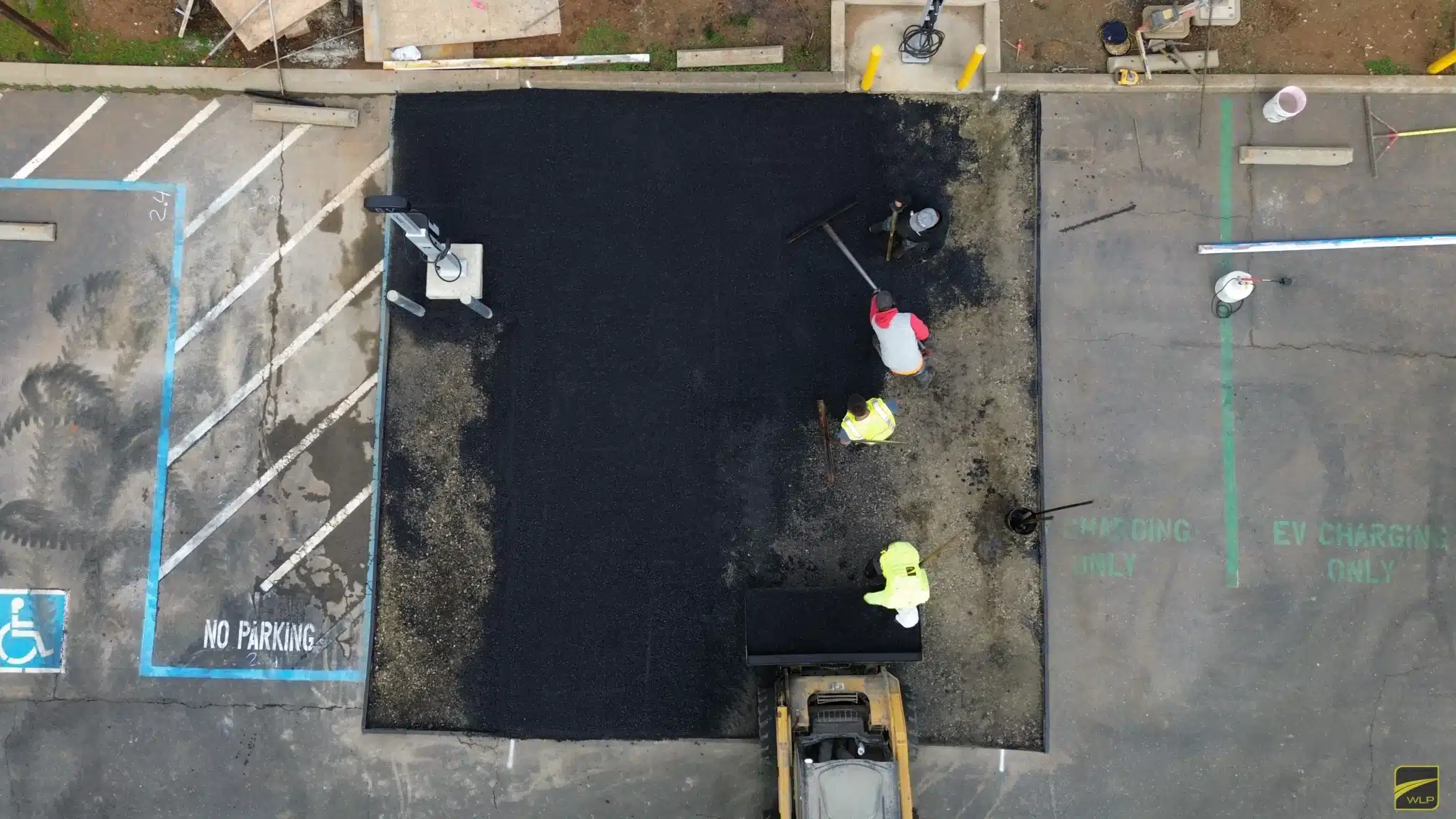
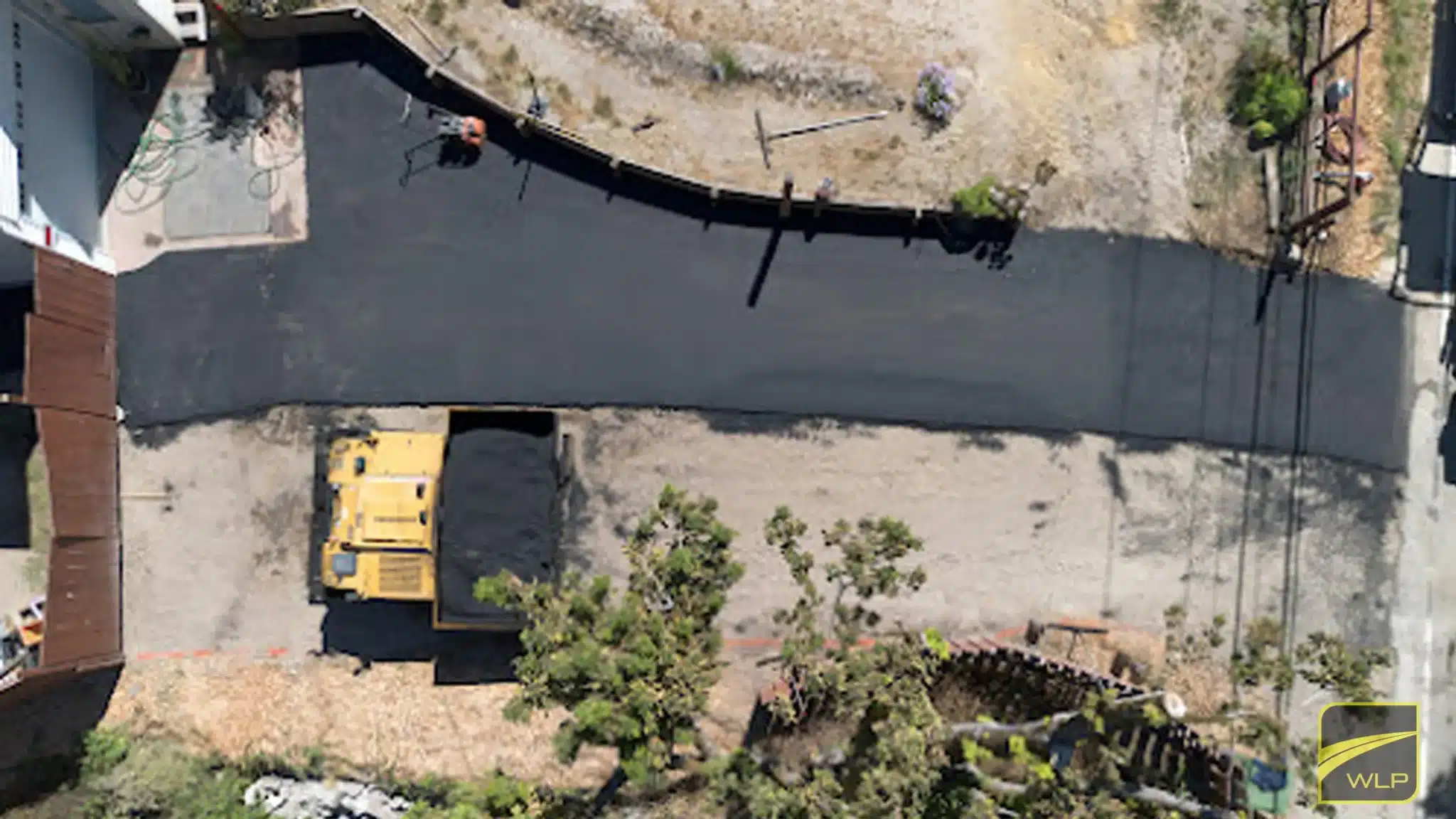
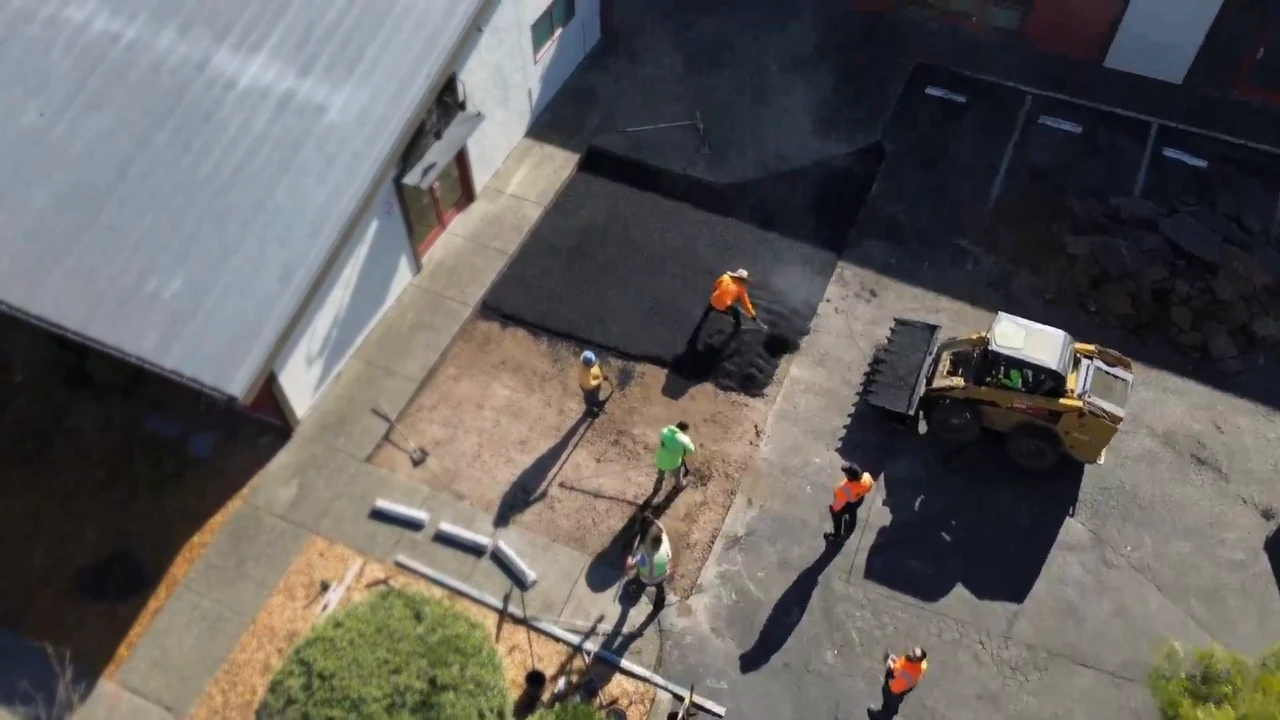
aerial-view-of-parking-lot-work

Protect Your Investment and Your Community with We Love Paving

Keeping a parking lot in top condition across Santa Clara County and the East Bay is more than just curb appeal; it’s a statement of professionalism and a shield against legal headaches. At We Love Paving, we know your asphalt is the very first impression your customers get and the foundation of their safety. Don’t wait for a pothole to turn into a lawsuit or a faded line to cause an accident. By addressing these warning signs today, you are building a safer, more resilient environment. Let us be your strategic partner in maintenance and compliance so you can stay focused on what you do best: growing your business.

Need Immediate Help?

Let's Talk About Your Project

Don't wait until minor damage turns into major expenses. Our team of experts is ready to provide you with guaranteed solutions. Contact us now for direct advice from a professional.

Frequently Asked Questions (FAQ)

Got Questions? Find Your Answers Here!!

What are the main liability risks in a parking lot?

The primary liability risks include trip hazards from uneven pavement, poor lighting, faded striping, and standing water that creates slippery surfaces. We see these issues most frequently when sub-base failures lead to deep cracks or potholes that catch pedestrians off guard. Settlements for trip-and-fall accidents in commercial lots can range from $15,000 to over $50,000, depending on the severity of the injury and the property owner's documented maintenance history.

How do potholes increase legal risks for property owners?

Potholes are considered "negligent maintenance" and can lead to expensive vehicle damage claims or personal injury lawsuits if not repaired promptly. When water infiltrates the asphalt layers, it creates structural voids that eventually collapse under the weight of vehicles, leaving dangerous holes. A simple temporary cold patch can reduce immediate risk, but permanent infrared repairs offer a seamless bond that prevents the hazard from returning during the next freeze-thaw cycle.

Why is clear parking lot striping important for safety?

Clear striping directs traffic flow and defines pedestrian crosswalks, which is essential for minimizing vehicular accidents and maintaining ADA compliance. Faded lines lead to confusion and chaotic parking, significantly increasing the likelihood of low-speed collisions for which the property owner may be held liable. Utilizing high-visibility thermoplastic paint ensures that markings remain reflective at night and last up to three times longer than standard water-based traffic paints.

Does standing water in a parking lot cause liability issues?

Yes, standing water (or "ponding") indicates poor drainage or sub-grade depression and poses a significant slip-and-fall risk, especially in colder climates where it turns to ice. Beyond the immediate physical hazard, constant water saturation softens the asphalt, accelerating the formation of alligator cracks and structural failure. Maintaining a minimum 2% slope across the lot ensures that water flows correctly toward catch basins, keeping walking surfaces dry and safe for visitors.

When does an uneven sidewalk become a tripping hazard?

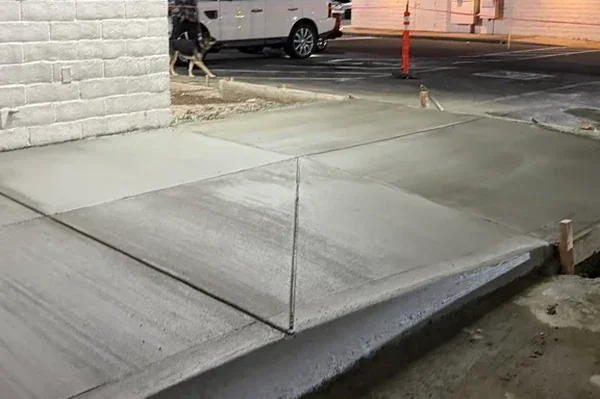
Most safety standards and ADA guidelines consider a vertical displacement of 1/4 inch or greater to be a significant tripping hazard requiring remediation. These "lip" hazards often occur where asphalt meets concrete curbs or at joints in the sidewalk caused by tree root growth or soil shifting. Grinding down the high point or using a transition wedge is a quick fix, but replacing the affected section is the only way to ensure long-term pedestrian safety and legal protection.

Professional customer review project by We Love Paving in Northern California, California. Verified local construction quality.

Fred / Founder

Fred, Founder and Regional Operations Manager at We Love Paving, comes from a family that values hard work and discipline. Growing up watching his parents work long hours with integrity and dedication, Fred learned early on that quality paving isn’t just about asphalt, it’s about consistency, accountability, and doing the job right.

Share

Posts That Might Interest You

The Great Debate: Is 2 Inches of Gravel Enough for a Driveway?

The Great Debate: Is 2 Inches of Gravel Enough for a Driveway?

May 16, 2026

When it comes to building a driveway, one of the key decisions homeowners face is determining the appropriate thickness of the gravel base layer. While some may argue that 2 inches of gravel is sufficient to support the weight of vehicles and provide a stable foundation, others advocate for thicker layers to ensure long-term durability

Why Is Parking So Expensive for Property Owners?

May 15, 2026

Many commercial property owners underestimate how expensive parking areas become once maintenance, accessibility, and pavement deterioration start overlapping at the same time. At first, parking lot costs usually appear manageable. Small cracks, faded striping, drainage problems, or isolated surface wear may not seem urgent while the property continues operating normally. Over time, however, those smaller

ADA Compliant Checklist for Parking Lots

ADA Compliant Checklist for Parking Lots

May 15, 2026

Many commercial properties develop accessibility problems gradually without property owners realizing how much conditions have changed over time. Parking lots, sidewalks, ramps, and pedestrian access routes constantly experience wear from traffic movement, weather exposure, drainage shifts, and surface aging. Because these changes happen slowly, accessibility concerns are often overlooked until inspections, complaints, or liability risks

Biggest Mistakes Made by a Landlord With Parking Lots

Biggest Mistakes Made by a Landlord With Parking Lots

May 15, 2026

Many property owners focus heavily on tenant spaces, landscaping, and building appearance while overlooking one of the most heavily used parts of the property: the parking lot. The problem is that pavement deterioration rarely stays cosmetic for long. Small surface issues gradually begin affecting traffic flow, drainage behavior, pedestrian safety, tenant perception, and operational costs

Next

Estimation Tools

Calculate costs in seconds

Fast, accurate estimates that help you close more jobs. Less guesswork, more profit.