What Are Alligator Cracks? Understanding the Causes and Solutions

We Love Paving services in Hayward. Professional paving contractor serving Hayward and Peninsula areas.
Estimation Tools

Calculate costs in seconds

Fast, accurate estimates that help you close more jobs. Less guesswork, more profit.

Alligator cracks, also known as fatigue cracks, are a common issue in asphalt pavement that can significantly affect its durability and appearance. These cracks form a pattern resembling the scales of an alligator’s skin, hence the name. Understanding what alligator cracks are, why they occur, and how to address them can help protect your pavement investment and maintain safety and aesthetics.


What Are Alligator Cracks?

Alligator cracks are interconnected fractures in asphalt pavement that create a series of small blocks or polygons. Unlike simple linear cracks, alligator cracking indicates a structural problem that affects the entire surface layer and sometimes the underlying base.


Common Causes of Alligator Cracks

  1. Overloading: Excessive weight from vehicles or equipment can strain the pavement beyond its capacity, leading to cracking.
  2. Poor Drainage: Water that seeps into the pavement and base can weaken the structure, making it more susceptible to cracks.
  3. Subgrade Weakness: A poorly prepared or weak subgrade can fail to support the pavement adequately, causing fatigue under repeated use.
  4. Aging Asphalt: Over time, asphalt loses its flexibility and becomes brittle, making it more prone to cracking under pressure.
  5. Improper Installation: Errors during the initial construction, such as insufficient compaction or thin layers, can lead to premature cracking.

How to Identify Alligator Cracks

Alligator cracks typically start as small, localized areas of cracking that spread over time. Key signs include:

  • A distinct pattern resembling a reptile’s scales.
  • Surface depressions in areas with visible cracks.
  • Worsening damage under heavy traffic or after rain.

Why Addressing Alligator Cracks Matters

Ignoring alligator cracks can lead to:

  • Structural Damage: The cracks can extend deeper into the pavement, compromising its integrity.
  • Safety Hazards: Uneven surfaces increase the risk of accidents for vehicles and pedestrians.
  • Costly Repairs: Delayed maintenance often requires more extensive and expensive repairs down the line.

Solutions for Alligator Cracks

Addressing alligator cracks involves assessing the extent of the damage and choosing the appropriate repair method:

  1. Crack Filling and Sealing: For minor cracking, filling and sealing can prevent further water infiltration and extend the pavement’s lifespan.
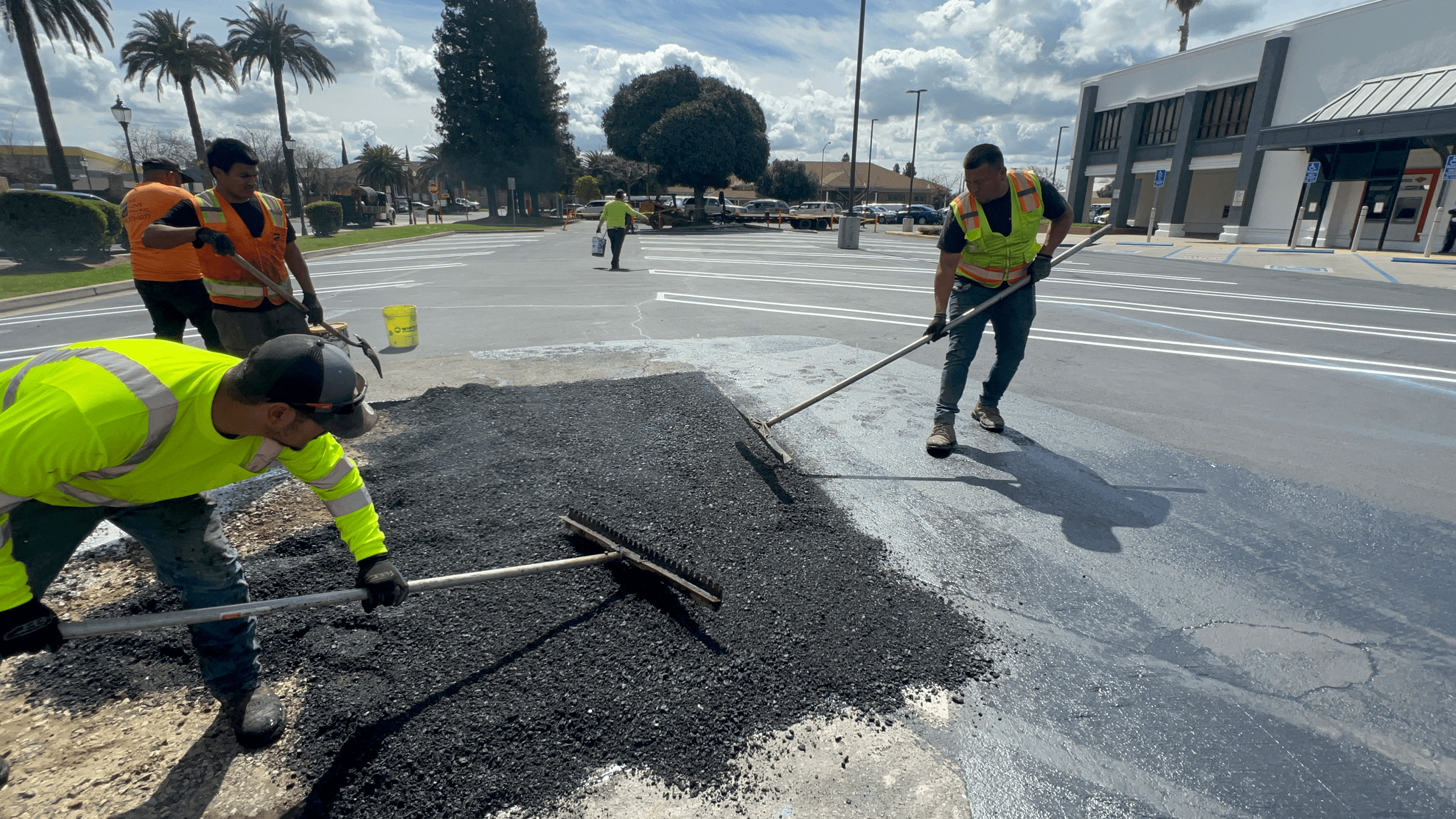
  2. Patching: If the cracks are localized, removing the damaged section and applying a patch can restore functionality.
  3. Overlay or Resurfacing: For more widespread damage, adding a new asphalt layer can provide a fresh, durable surface.
  4. Full-Depth Reconstruction: Severe alligator cracking often indicates underlying base issues. Rebuilding the pavement from the subgrade up is the most effective long-term solution.

Preventing Alligator Cracks

Preventive maintenance is key to avoiding alligator cracks. Consider the following measures:

  • Regular Inspections: Periodic assessments can help detect early signs of cracking.
  • Proper Drainage: Ensure water flows away from the pavement to prevent base weakening.
  • Quality Construction: Invest in professional installation to create a strong, durable pavement structure.
  • Timely Repairs: Address minor cracks promptly to prevent them from spreading.

Conclusion

Alligator cracks are more than just a cosmetic issue—they signal underlying problems that, if left unchecked, can lead to significant damage and expenses. By understanding their causes, identifying them early, and implementing the right solutions, you can maintain your asphalt pavement’s integrity and extend its lifespan.

Need help addressing alligator cracks or other pavement issues? Contact us today for professional guidance and services.

 

Need Immediate Help?

Let's Talk About Your Project

Don't wait until minor damage turns into major expenses. Our team of experts is ready to provide you with guaranteed solutions. Contact us now for direct advice from a professional.

Frequently Asked Questions (FAQ)

Got Questions? Find Your Answers Here!!

What are alligator cracks in asphalt pavement?

Alligator cracks are interconnected fractures in asphalt pavement that form small, polygonal blocks resembling a reptile's skin. Also known as fatigue cracking, these patterns signal severe structural failure in the surface and base layers, often caused by repeated heavy traffic loading that exceeds the pavement’s original design capacity and load-bearing limits.

Why do alligator cracks form in pavement surfaces?

Alligator cracks form when the asphalt surface flexes excessively due to a weakened subgrade or inadequate drainage. Water infiltration can reduce subgrade load-bearing capacity by up to fifty percent, causing the pavement to fatigue and fracture under vehicle weight. Aging asphalt also contributes as it loses essential binder flexibility over time.

How can you identify alligator cracking versus linear cracks?

Identify alligator cracking by looking for a multi-sided, scale-like pattern of interconnected fractures rather than single straight lines. These areas often feature surface depressions and worsen rapidly after rainfall. Unlike linear cracks caused by temperature changes, alligator patterns indicate deep-seated structural instability requiring more than just simple crack sealing repairs.

What is the most effective solution for repairing alligator cracks?

Full-depth reconstruction is the most effective solution for severe alligator cracking because it addresses the underlying subgrade failure. While surface overlays provide temporary aesthetics, removing damaged asphalt and stabilizing the base material ensures a durable structure capable of supporting heavy traffic loads for an additional fifteen to twenty years of service.

How do you prevent alligator cracks in asphalt surfaces?

Prevent alligator cracks by investing in high-quality initial construction with proper subgrade compaction and effective drainage systems. Diverting water away from the pavement prevents base softening, while regular sealcoating every three years maintains asphalt flexibility. Timely repairs of minor linear cracks stop moisture from reaching the critical structural layers.

Professional customer review project by We Love Paving in Northern California, California. Verified local construction quality.

Fred / Founder

Fred, Founder and Regional Operations Manager at We Love Paving, comes from a family that values hard work and discipline. Growing up watching his parents work long hours with integrity and dedication, Fred learned early on that quality paving isn’t just about asphalt, it’s about consistency, accountability, and doing the job right.

Share

Posts That Might Interest You

What is Driveway Resurfacing? Expert Technical Guide to Asphalt Overlay and When to Use It

What is Driveway Resurfacing? Expert Technical Guide to Asphalt Overlay and When to Use It

April 15, 2026

THE BENEFITS OF RESURFACING In the world of driveway maintenance and improvement, asphalt resurfacing has emerged as a popular and effective solution. As time passes, even the most durable asphalt driveways can succumb to wear and tear, displaying cracks, potholes, and a worn-out appearance. However, instead of tearing up the entire driveway and starting from

Paving Technical Audit: Cost of Driveway Analysis

Paving Technical Audit: Cost of Driveway Analysis

April 14, 2026

A Comprehensive Guide For Homeowners Paving a driveway is a substantial undertaking for any homeowner. Beyond just enhancing curb appeal, it adds value and utility to the property. However, before diving into such a project, it’s crucial to grasp the diverse factors influencing the overall cost. This guide explores these elements, offering insights to empower

Why is Asphalt So Expensive? A 2026 Audit of Paving Costs and Market Dynamics

Why is Asphalt So Expensive? A 2026 Audit of Paving Costs and Market Dynamics

April 2, 2026

Paving costs have experienced a significant upward trend in recent years, leaving property owners questioning the reasons behind this surge. In this detailed exploration, we delve into the multifaceted factors contributing to the escalating costs of paving in 2026 and beyond. Material Costs and Market Dynamics The cornerstone of any paving project lies in its

What is the Square Foot Price for Asphalt?

What is the Square Foot Price for Asphalt?

April 2, 2026

Asphalt is a popular paving material used for driveways, parking lots, and roads due to its durability, affordability, and ease of installation. However, the cost of asphalt can vary significantly depending on several factors. In this blog post, we will explore the factors that influence the square foot price of asphalt, typical price ranges, and

Next

Estimation Tools

Calculate costs in seconds

Fast, accurate estimates that help you close more jobs. Less guesswork, more profit.