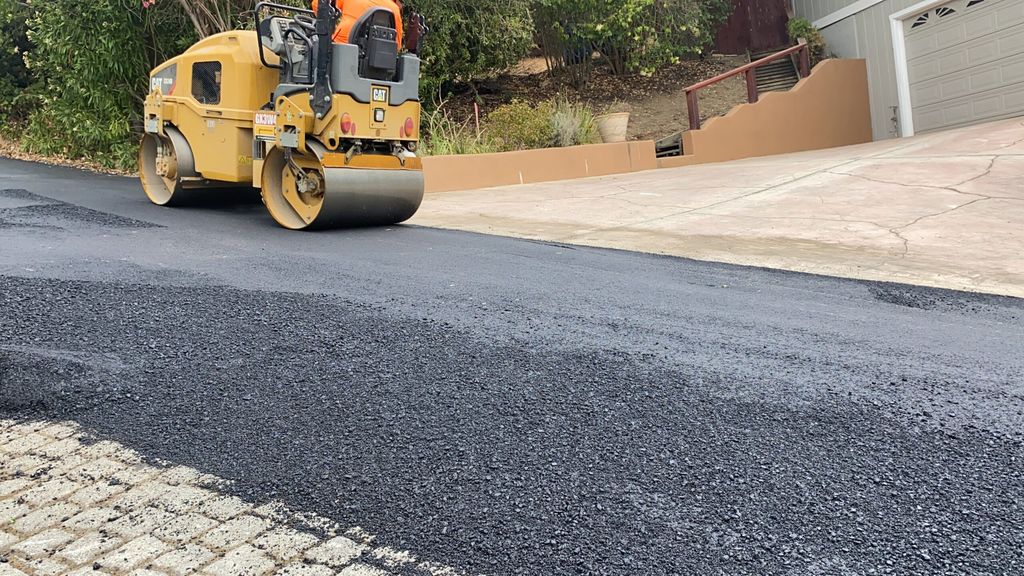
How Long Will New Asphalt Last?

We Love Paving services in Livermore. Professional paving contractor serving Livermore and East Bay areas.
Estimation Tools

Calculate costs in seconds

Fast, accurate estimates that help you close more jobs. Less guesswork, more profit.

Asphalt is one of the most popular materials for driveways, parking lots, and roads due to its durability, affordability, and smooth finish. However, one of the most common questions property owners ask is: How long will new asphalt last?

The lifespan of new asphalt depends on several factors, including its quality, the installation process, and how well it is maintained. In this blog, we’ll explore these factors in detail and provide tips to maximize the longevity of your asphalt surface.


Average Lifespan of Asphalt

On average, well-installed and properly maintained asphalt can last between 15 and 25 years. The lifespan can vary based on the following key factors:

  • Usage: High-traffic areas, such as roads or commercial parking lots, may wear out faster than residential driveways.

  • Climate: Extreme temperatures, heavy rainfall, or freeze-thaw cycles can impact the durability of asphalt.

  • Maintenance: Regular upkeep, such as sealcoating and crack repairs, can significantly extend the life of asphalt.

  • Installation Quality: A poorly installed asphalt surface is more likely to develop cracks, potholes, and other issues prematurely.


Factors That Influence Asphalt Longevity

1. Installation Quality

The quality of the asphalt and the skill of the contractor play a significant role in its lifespan. Proper installation involves:

  • Base Preparation: A strong, stable base is essential for long-lasting asphalt. Without proper compaction and drainage, the surface is more prone to damage.

  • Proper Thickness: The thickness of the asphalt layer must match its intended use. For example, a residential driveway typically requires 2-3 inches of asphalt, while a commercial parking lot may need 4-6 inches.

  • Temperature Control: Asphalt must be installed at the correct temperature to ensure proper bonding and compaction.

2. Traffic Load

Heavy vehicles, such as trucks and buses, put more stress on asphalt surfaces compared to light passenger vehicles. If the surface is not designed to handle high traffic loads, it will deteriorate faster.

3. Weather Conditions

Weather plays a critical role in the longevity of asphalt:

  • Heat: Prolonged exposure to high temperatures can soften asphalt, making it more susceptible to cracks and deformation.

  • Cold: Freeze-thaw cycles can cause cracks as water seeps into the surface, freezes, and expands.

  • Rain: Poor drainage can lead to standing water, which weakens the asphalt and causes potholes.

4. Maintenance Practices

Regular maintenance is the key to extending the life of asphalt. Common maintenance practices include:

  • Sealcoating: Applying a sealcoat every 2-3 years protects the surface from UV rays, water, and chemicals like oil or gasoline.

  • Crack Repairs: Promptly filling cracks prevents water from seeping in and causing further damage.

  • Cleaning: Removing debris, oil stains, and standing water keeps the surface in good condition.


Signs That Your Asphalt Needs Attention

Even with proper care, asphalt will eventually show signs of aging. Watch for these indicators that your asphalt may need repairs or replacement:

  • Cracks: Small cracks can be repaired, but extensive cracking may require resurfacing.

  • Potholes: These can form when water seeps into cracks and compromises the base layer.

  • Fading Color: UV exposure causes asphalt to lose its rich black color over time, indicating the need for sealcoating.

  • Pooling Water: Standing water suggests drainage issues that could damage the surface.


How to Maximize the Lifespan of Your Asphalt

To ensure your asphalt surface lasts as long as possible, follow these best practices:

  1. Hire a Professional Contractor: Choose a reputable contractor with experience in asphalt installation and maintenance.

  2. Schedule Regular Maintenance: Perform routine inspections and address small issues before they escalate.

  3. Apply Sealcoating: Protect your asphalt from the elements by sealcoating it every few years.

  4. Ensure Proper Drainage: Prevent water from pooling by ensuring the surface is properly graded and has adequate drainage.

  5. Limit Heavy Loads: Avoid parking heavy vehicles on the surface for extended periods.


Conclusion

New asphalt can last anywhere from 15 to 25 years, depending on factors such as installation quality, traffic load, weather conditions, and maintenance practices. By investing in proper installation and committing to regular maintenance, you can maximize the lifespan of your asphalt surface and enjoy its benefits for years to come.

If you’re planning a new asphalt project or need help maintaining an existing surface, reach out to experienced professionals who can guide you through the process and ensure long-lasting results.

Need Immediate Help?

Let's Talk About Your Project

Don't wait until minor damage turns into major expenses. Our team of experts is ready to provide you with guaranteed solutions. Contact us now for direct advice from a professional.

Frequently Asked Questions (FAQ)

Got Questions? Find Your Answers Here!!

How long does a new asphalt driveway typically last?

A professionally installed asphalt driveway lasts between 15 and 25 years when supported by a stable, compacted subbase. Longevity depends on maintaining a surface thickness of 2 to 3 inches and implementing preventative care, which prevents structural failures caused by light vehicle traffic and regional freeze-thaw cycles.

Why is sealcoating essential for extending asphalt lifespan?

Applying a sealcoat every 2 to 3 years protects the pavement from UV-induced oxidation and chemical damage from oil or gasoline. This protective layer prevents the bituminous binder from becoming brittle, maintaining the asphalt's flexibility and significantly reducing the risk of fatigue cracking during extreme temperature fluctuations.

What is the required asphalt thickness for different traffic loads?

Asphalt thickness must be calibrated to the intended load: residential driveways typically require 2 to 3 inches of compacted asphalt. Conversely, commercial parking lots or high-traffic roads require 4 to 6 inches over a reinforced granular base to distribute the mechanical stress exerted by heavy transport vehicles.

How do weather conditions impact the integrity of asphalt?

Extreme weather causes thermal expansion and contraction; specifically, freeze-thaw cycles expand water trapped in cracks, compromising the subbase and creating potholes. Ensuring a proper drainage slope and sealing fissures immediately is critical to preventing water infiltration that leads to rapid structural deterioration and base failure.

What are the definitive signs that asphalt needs full replacement?

Asphalt requires full replacement when "alligator cracking" becomes widespread or when deep-seated base failures cause significant depressions. If more than 25% of the total surface area exhibits interconnected cracks and potholes, surface patching is no longer cost-effective, necessitating a complete milling and paving overhaul.

Professional customer review project by We Love Paving in Northern California, California. Verified local construction quality.

Fred / Founder

Fred, Founder and Regional Operations Manager at We Love Paving, comes from a family that values hard work and discipline. Growing up watching his parents work long hours with integrity and dedication, Fred learned early on that quality paving isn’t just about asphalt, it’s about consistency, accountability, and doing the job right.

Share

Posts That Might Interest You

Sacramento Paving Solutions: Can You Put Asphalt Over Dirt?

Sacramento Paving Solutions: Can You Put Asphalt Over Dirt?

May 21, 2026

In Sacramento, California, where the weather is mostly warm and the urban landscape is continually evolving, maintaining durable and attractive driveways, pathways, and parking areas is essential. One common question that homeowners and property managers often ask is whether it’s possible to put asphalt directly over dirt. This comprehensive guide will explore the feasibility, benefits,

Is Asphalt Hard to Maintain?

Is Asphalt Hard to Maintain?

May 20, 2026

Asphalt is a popular material for driveways, parking lots, and roadways due to its durability, cost-effectiveness, and ease of installation. However, like any material, it requires maintenance to ensure longevity and optimal performance. In this blog post, we will explore the challenges and best practices of asphalt maintenance to determine whether it is indeed hard

Signs Your Parking Lot Needs Maintenance Fast

Signs Your Parking Lot Needs Maintenance Fast

May 18, 2026

A parking lot usually tells you when something is starting to go wrong. The problem is that many property owners get used to seeing gradual deterioration and stop noticing the warning signs until the damage becomes expensive. In commercial properties, pavement rarely collapses overnight. What usually happens is slower and less dramatic at first. A

Pavement vs Concrete for Commercial Properties

Pavement vs Concrete for Commercial Properties

May 18, 2026

Choosing between asphalt pavement and concrete is not always straightforward for commercial property owners. Both materials can work well, but the right choice usually depends on how the property operates on a daily basis and how much long-term maintenance the owner is realistically prepared to manage. A busy retail center with constant vehicle turnover will

Next

Estimation Tools

Calculate costs in seconds

Fast, accurate estimates that help you close more jobs. Less guesswork, more profit.