Asphalt millings have garnered increasing attention as a versatile and practical material for driveway construction, offering a myriad of advantages that appeal to homeowners. In this comprehensive guide, we’ll delve deeper into the myriad benefits of using asphalt millings for your driveway.
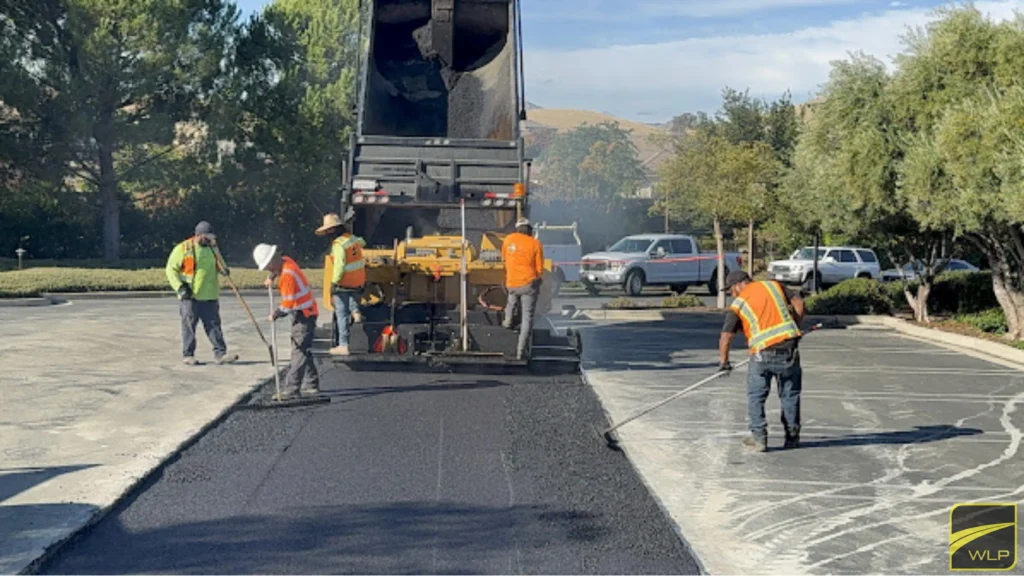
Before delving into their benefits, let’s first understand what asphalt millings are. Simply put, asphalt millings are the recycled remnants of old asphalt pavement that has been milled or ground into smaller particles. These particles can then be repurposed as a base or top layer for various paving projects, including driveways.
The Engineering Behind Recycled Asphalt
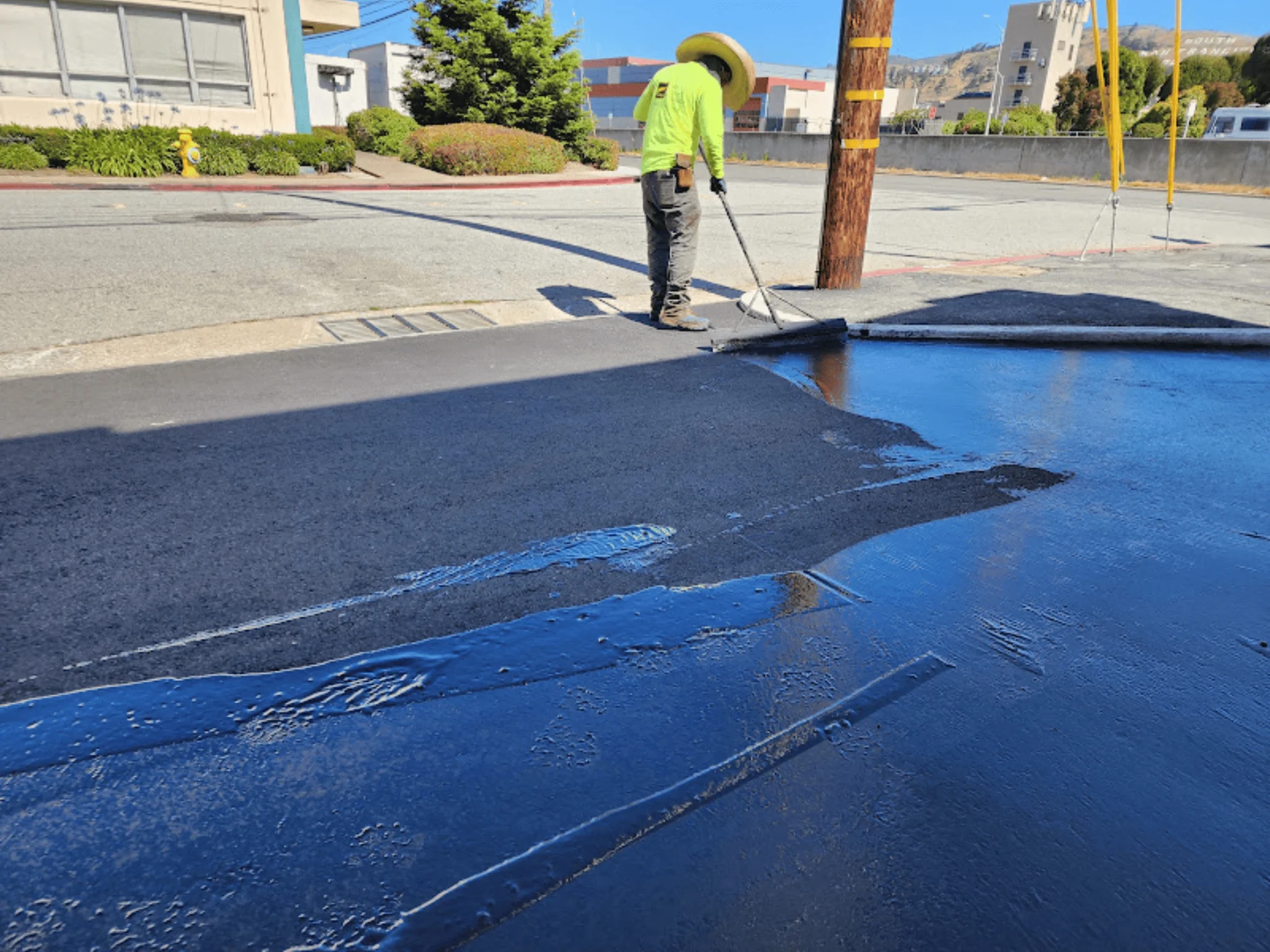
To understand why millings are an engineered surfacing choice, we must discuss Reclaimed Asphalt Pavement (RAP). Unlike standard gravel, RAP retains its original bitumen content. This material leverages a “solar self-healing” effect: thermal radiation reactivates residual asphalt oils, allowing particles to re-bind under the weight of vehicular traffic. For peak performance, the aggregate size should be 3/4″ or minus; this ensures a dense gradation that minimizes air voids. In projects requiring immediate structural cohesion or a tighter, darker finish, we recommend applying SS-1h bituminous emulsions (Slow Setting). This emulsion acts as a rejuvenating agent that penetrates the millings, creating a waterproof matrix that mimics the properties of hot-mix asphalt at a fraction of the embodied energy and financial cost.
Affordability
One of the most significant advantages of opting for asphalt millings for your driveway is their cost-effectiveness. Compared to conventional paving materials such as concrete or fresh asphalt, asphalt millings typically come at a fraction of the cost. This cost-saving attribute stems from their recycled nature, requiring fewer raw materials for production. Homeowners on a budget or those looking to maximize their investment often find asphalt millings to be an appealing choice.
Environmental Sustainability
Beyond their economic benefits, asphalt millings are also hailed for their environmental sustainability. By repurposing old asphalt pavement, asphalt millings help reduce the demand for new raw materials, thereby conserving natural resources and minimizing environmental impact. For eco-conscious homeowners seeking environmentally friendly paving solutions, asphalt millings offer a compelling option to reduce their carbon footprint.
Climate Resilience and Regional Performance
The viability of asphalt millings depends directly on geographic conditions. In regions subject to freeze-thaw cycles, millings are technically superior to rigid concrete. Due to its elastic flexibility, the RAP surface can expand and contract without fracturing, preventing the frost heaves common in rigid pavements. Furthermore, in areas with high humidity or clay-heavy soils, its natural drainage capacity prevents subgrade saturation. This climatic adaptability ensures that structural integrity remains intact regardless of local seasonal thermal fluctuations, optimizing your long-term investment across diverse American hardiness zones.
Durability and Longevity
When it comes to durability, asphalt millings excel as a resilient paving material. Comprising a blend of asphalt and aggregate, they possess inherent strength and resilience, capable of withstanding heavy loads and enduring high traffic volumes without succumbing to cracks or deterioration. This durability makes them particularly well-suited for driveways subjected to frequent use, ensuring longevity and reliability over time.
Low-Maintenance
In addition to their durability, asphalt millings are prized for their low-maintenance characteristics. Once properly installed and compacted, they require minimal upkeep to maintain their appearance and functionality. Unlike concrete, which may be prone to cracking, staining, or requiring frequent sealing, asphalt millings are relatively hassle-free. Routine maintenance tasks such as occasional regrading or replenishing may be necessary to ensure optimal performance, but overall, asphalt millings offer a hassle-free driveway solution.
To guarantee the longevity of your road infrastructure, we adhere to rigorous pavement engineering standards. Below are the technical specifications for a high-performance installation:
| Technical Specification | Recommended Parameter | Engineering Benefit |
| Layer Thickness | 4 – 6 Inches (Compacted) | Optimal load distribution |
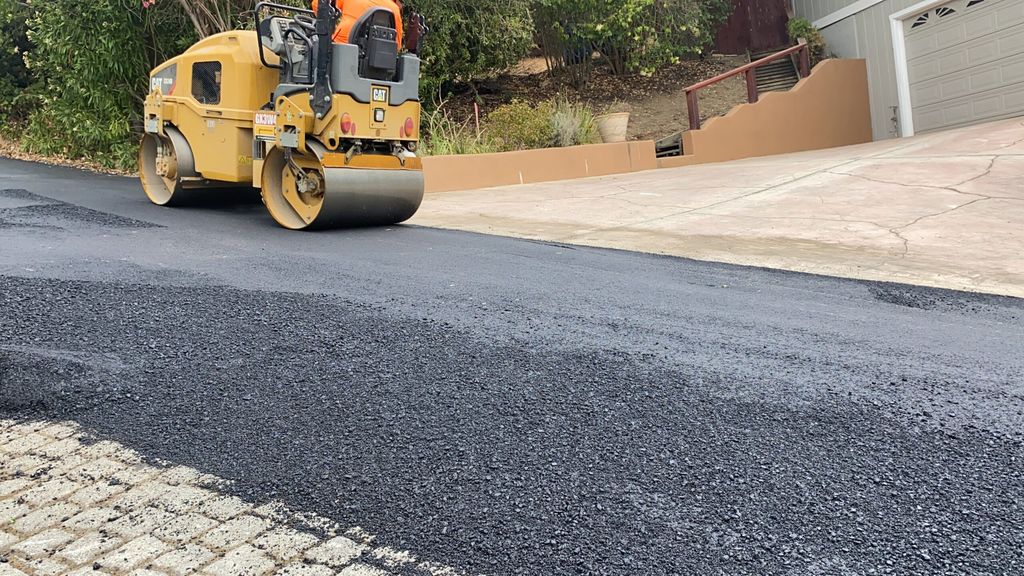
| Compaction Method | Vibratory Roller (3-5 ton min.) | Maximum density and void reduction |
| Drainage Slope | 2% Minimum (Crown or Cross-slope) | Prevention of hydroplaning and erosion |
| Base Treatment | Stabilization Geotextile | Prevents fines migration and weeds |
Elevating Your Property with the We Love Paving RAP Standard
At We Love Paving, we engineer Reclaimed Asphalt Pavement (RAP) into high-performance infrastructure. By combining precision vibratory compaction with advanced drainage techniques, we deliver a resilient surface that outperforms traditional gravel in both durability and aesthetics. We don’t just spread recycled material; we apply technical standards to ensure your driveway withstands weather and heavy traffic, providing a sustainable solution that maximizes your investment’s long-term value.