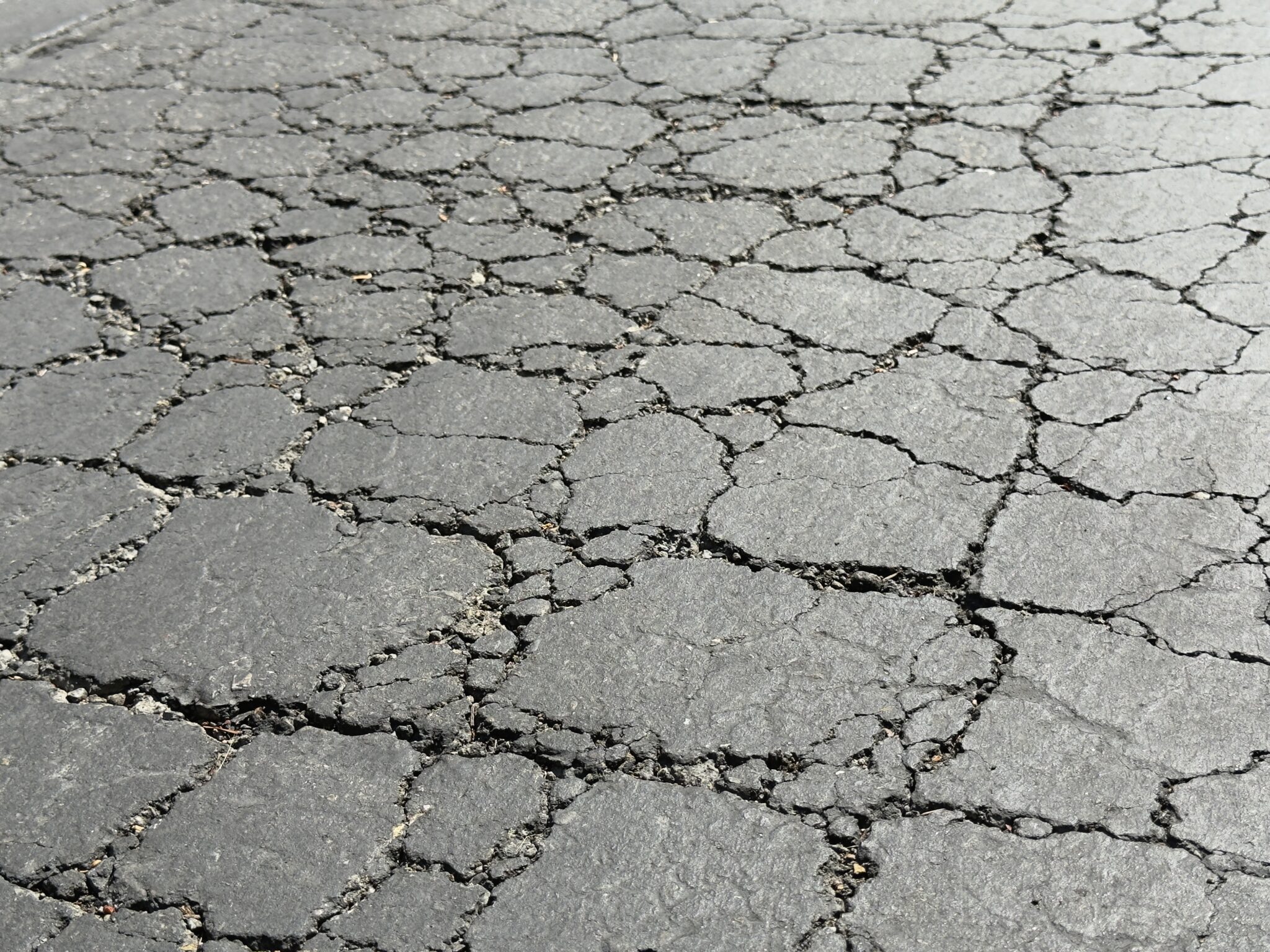
Alligator cracks, also known as fatigue cracks, are a common issue in asphalt pavement that can significantly affect its durability and appearance. These cracks form a pattern resembling the scales of an alligator’s skin, hence the name. Understanding what alligator cracks are, why they occur, and how to address them can help protect your pavement investment and maintain safety and aesthetics.
What Are Alligator Cracks?
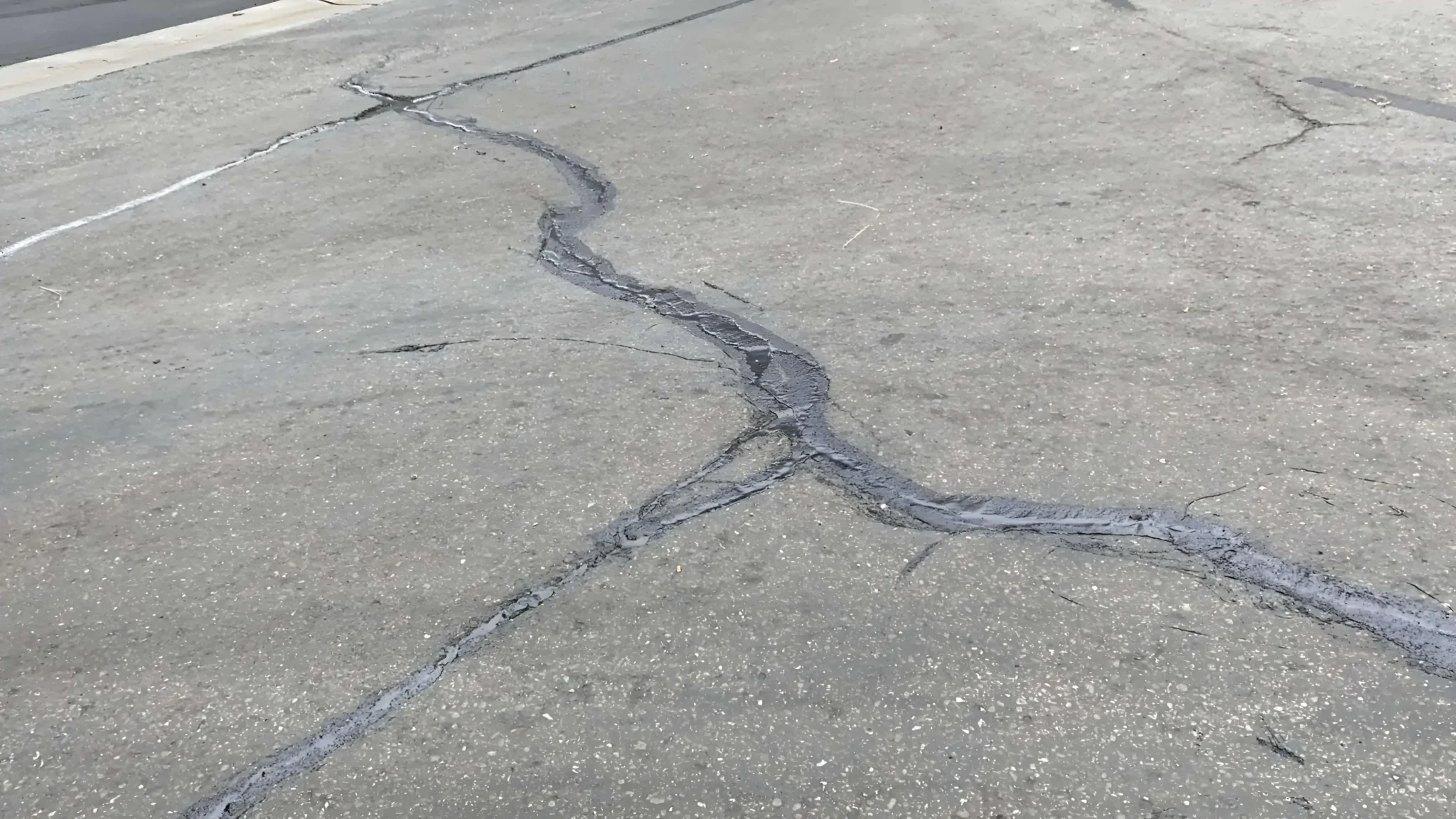
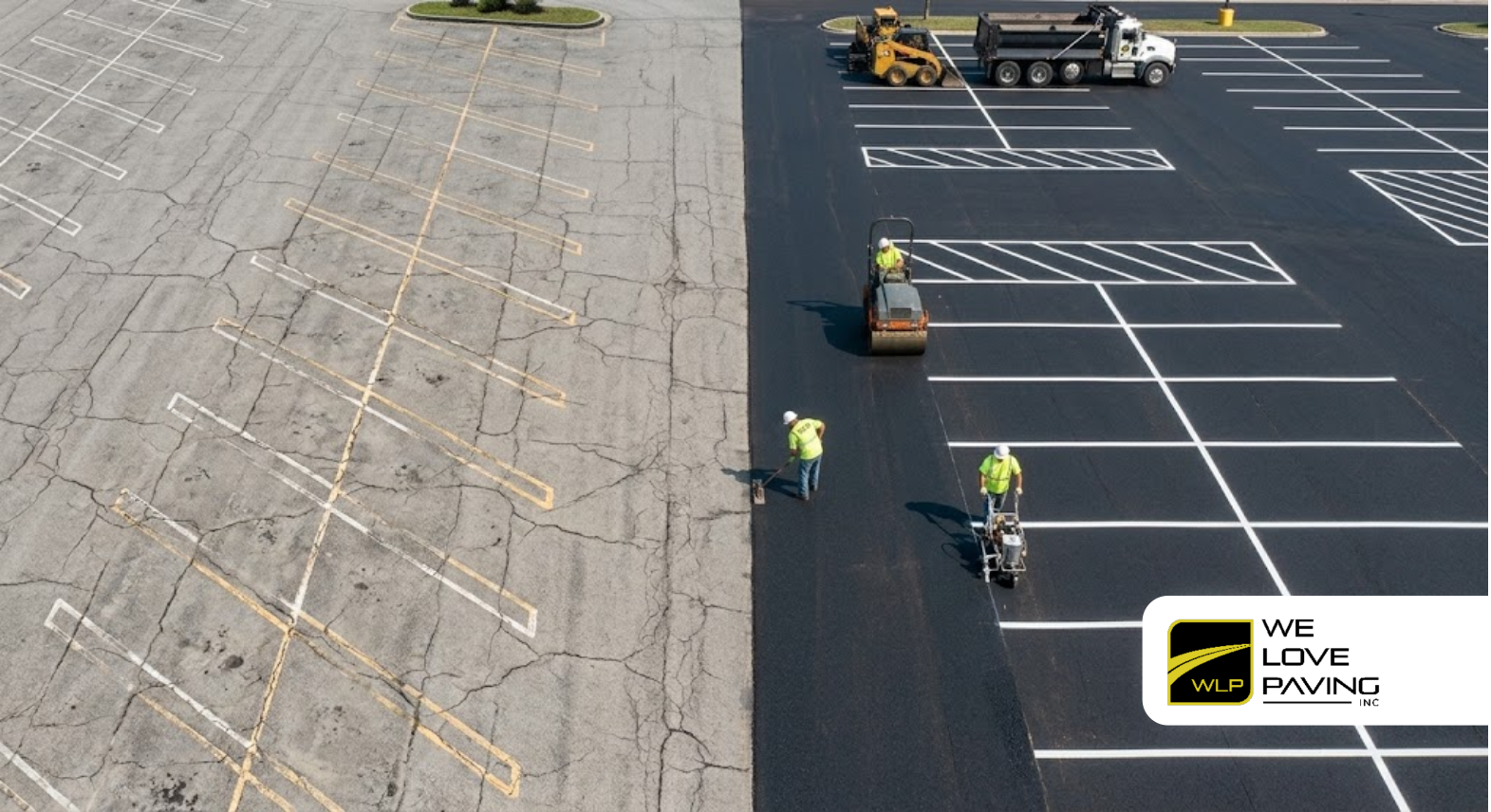
Alligator cracks are interconnected fractures in asphalt pavement that create a series of small blocks or polygons. Unlike simple linear cracks, alligator cracking indicates a structural problem that affects the entire surface layer and sometimes the underlying base.
Common Causes of Alligator Cracks
- Overloading: Excessive weight from vehicles or equipment can strain the pavement beyond its capacity, leading to cracking.
- Poor Drainage: Water that seeps into the pavement and base can weaken the structure, making it more susceptible to cracks.
- Subgrade Weakness: A poorly prepared or weak subgrade can fail to support the pavement adequately, causing fatigue under repeated use.
- Aging Asphalt: Over time, asphalt loses its flexibility and becomes brittle, making it more prone to cracking under pressure.
- Improper Installation: Errors during the initial construction, such as insufficient compaction or thin layers, can lead to premature cracking.
How to Identify Alligator Cracks
Alligator cracks typically start as small, localized areas of cracking that spread over time. Key signs include:
- A distinct pattern resembling a reptile’s scales.
- Surface depressions in areas with visible cracks.
- Worsening damage under heavy traffic or after rain.
Why Addressing Alligator Cracks Matters
Ignoring alligator cracks can lead to:
- Structural Damage: The cracks can extend deeper into the pavement, compromising its integrity.
- Safety Hazards: Uneven surfaces increase the risk of accidents for vehicles and pedestrians.
- Costly Repairs: Delayed maintenance often requires more extensive and expensive repairs down the line.
Solutions for Alligator Cracks
Addressing alligator cracks involves assessing the extent of the damage and choosing the appropriate repair method:
- Crack Filling and Sealing: For minor cracking, filling and sealing can prevent further water infiltration and extend the pavement’s lifespan.
- Patching: If the cracks are localized, removing the damaged section and applying a patch can restore functionality.
- Overlay or Resurfacing: For more widespread damage, adding a new asphalt layer can provide a fresh, durable surface.
- Full-Depth Reconstruction: Severe alligator cracking often indicates underlying base issues. Rebuilding the pavement from the subgrade up is the most effective long-term solution.
Preventing Alligator Cracks
Preventive maintenance is key to avoiding alligator cracks. Consider the following measures:
- Regular Inspections: Periodic assessments can help detect early signs of cracking.
- Proper Drainage: Ensure water flows away from the pavement to prevent base weakening.
- Quality Construction: Invest in professional installation to create a strong, durable pavement structure.
- Timely Repairs: Address minor cracks promptly to prevent them from spreading.
Conclusion
Alligator cracks are more than just a cosmetic issue—they signal underlying problems that, if left unchecked, can lead to significant damage and expenses. By understanding their causes, identifying them early, and implementing the right solutions, you can maintain your asphalt pavement’s integrity and extend its lifespan.
Need help addressing alligator cracks or other pavement issues? Contact us today for professional guidance and services.