Why Subgrade Preparation is the Foundation of Every Great Asphalt Project

We Love Paving services in Alameda County. Professional paving contractor serving Alameda County and Tech Corridor areas.
Estimation Tools

Calculate costs in seconds

Fast, accurate estimates that help you close more jobs. Less guesswork, more profit.

At We Love Paving, we know that a flawless asphalt surface starts with what’s beneath the surface. While most people focus on the smooth blacktop finish, the real strength and longevity of any pavement begins with proper subgrade preparation.

In this blog, we’ll break down why subgrade matters—and what can go wrong without it.


1. What Is Subgrade in Asphalt Paving?

The subgrade is the native soil or compacted base material that supports the layers of aggregate and asphalt above it. Think of it as the foundation of a house—if it shifts, cracks, or settles unevenly, the entire structure above is at risk.


2. Why It Matters: Load Distribution and Longevity

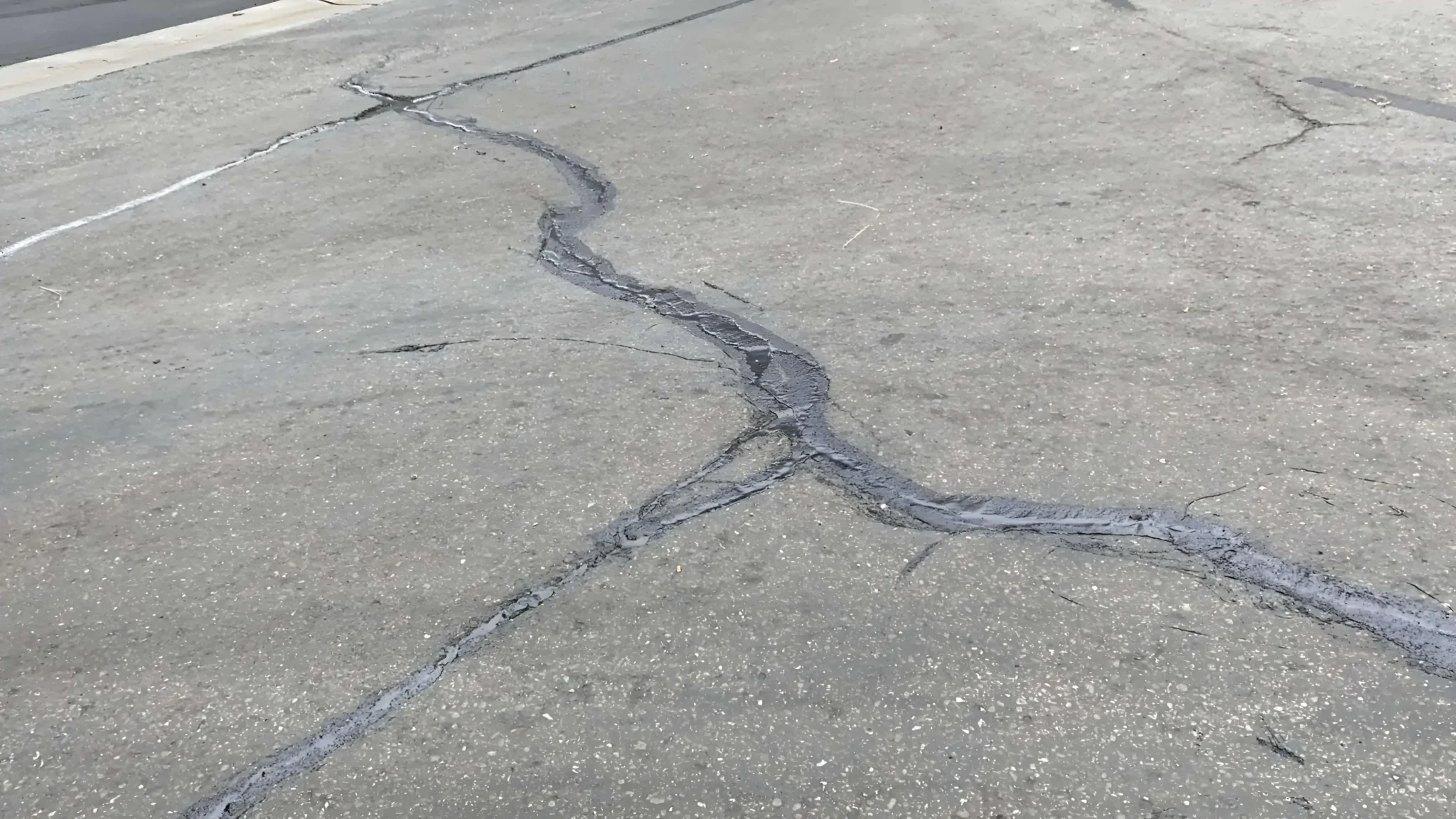
Properly prepared subgrade distributes the weight of traffic evenly, minimizing the chances of cracking, rutting, and potholes. Without a stable base, even the best asphalt will begin to fail—often within just a few years.

Common signs of poor subgrade preparation:

  • Premature cracking
  • Standing water or drainage issues
  • Uneven settling
  • Rapid surface deterioration

3. Key Steps We Take at WLP for Quality Subgrade Work

At WLP, we follow strict procedures before laying any asphalt:

✅ Soil Testing & Evaluation – We assess the load-bearing capacity of the subgrade before starting.
✅ Moisture Control – We monitor water levels to ensure the ground is neither too wet nor too dry.
✅ Grading & Compaction – Using advanced equipment to create proper slopes and eliminate air pockets.
✅ Geotextile or Stabilizer Use (when needed) – For weak soils, we use stabilization methods that prevent shifting or sinking.


4. Subgrade Neglect = Higher Long-Term Costs

Cutting corners on subgrade prep might save money up front—but it often leads to major repair or replacement costs just a few years later. Preventive investment in subgrade equals fewer headaches (and expenses) for property managers and developers.


5. Trust WLP for Paving That Lasts

We don’t just lay asphalt—we engineer pavement systems designed for performance. From residential driveways to heavy-duty commercial lots, our commitment to solid foundations means your pavement will stay smoother, stronger, and safer for years to come.


📞 Ready to pave it right the first time?
Contact We Love Paving for a free on-site evaluation and expert guidance on your next asphalt project.

Need Immediate Help?

Let's Talk About Your Project

Don't wait until minor damage turns into major expenses. Our team of experts is ready to provide you with guaranteed solutions. Contact us now for direct advice from a professional.

Frequently Asked Questions (FAQ)

Got Questions? Find Your Answers Here!!

What is subgrade in asphalt paving and why is it functional?

Subgrade is the native soil or compacted base material acting as the primary structural foundation for pavement layers. Its technical function is distributing traffic loads to the natural ground to prevent structural failure. At We Love Paving, a deficient subgrade reduces asphalt’s service life from twenty years to fewer than five.

What are the consequences of poor subgrade preparation?

Poor subgrade preparation causes premature failures like alligator cracking, potholes, and rutting due to differential settlement. Lack of stability prevents proper drainage, allowing water to degrade the base. Statistically, skipping professional compaction increases corrective maintenance costs by 300% during the first decade of the pavement's lifecycle.

How does We Love Paving ensure subgrade quality in Alameda County?

We ensure stability through load-bearing capacity tests, soil moisture monitoring, and high-precision mechanical compaction to eliminate air pockets. In Tech Corridor areas with expansive soils, we integrate stabilizing geotextiles and laser-grading methods to ensure optimal drainage slopes, mitigating the risk of rapid surface deterioration from water ponding.

Why is moisture control critical during asphalt ground preparation?

Moisture control is vital because excessively dry soil fails to reach maximum density, while saturated soil creates instability under load. We Love Paving monitors optimal moisture levels to ensure the material reaches its Proctor standard compaction point, providing a rigid foundation that supports heavy vehicle traffic without shifting or sinking.

Is investing in subgrade preparation cost-effective for property managers?

Investing in subgrade preparation is financially superior as it prevents total pavement reconstruction in the short term. A well-executed base by Alameda County specialists acts as structural insurance, extending asphalt integrity up to 25 years. This preventive investment drastically reduces the frequency of expensive crack sealing and emergency pothole repairs.

Professional asphalt paving project by We Love Paving in Northern California, California. Verified local construction quality.

We Love Paving Experts

Published by We Love Paving's field operations team CSLB Licensed #1049649, C12 Earthwork and Paving. Our articles reflect firsthand experience from 1,000+ commercial projects across Northern California.

Share

Posts That Might Interest You

Understanding Coal Tar Sealer and Its Historical Commercial Use

Understanding Coal Tar Sealer and Its Historical Commercial Use

July 27, 2026

Coal tar sealer is a coal-processing byproduct refined into a liquid emulsion designed to coat asphalt pavements. Industrially produced during the conversion of coal into coke for steel manufacturing, coal tar contains a dense mix of aromatic hydrocarbons. When applied to asphalt, it forms a rigid surface barrier that resists gas, motor oil, and ultraviolet

The Complete Cement Process: From Raw Materials to Commercial Paving Performance

The Complete Cement Process: From Raw Materials to Commercial Paving Performance

July 24, 2026

The cement process is an advanced sequence of chemical transformations and mechanical steps that converts raw earth minerals into the hydraulic binder powering modern infrastructure. From quarry extraction and high-temperature pyroprocessing in rotary kilns to fine finish grinding, every stage dictates the structural integrity of the final mixture. This guide breaks down how high-grade cement

Can You Pave a Driveway in Winter?

Can You Pave a Driveway in Winter?

July 23, 2026

Paving a driveway in the winter is technically possible under specific conditions, but it carries substantial risks if temperatures drop below safety thresholds. For hot mix asphalt to form a durable, watertight surface, both ambient air and ground temperatures must remain consistently at or above 50°F (10°C). When temperatures fall below this point, asphalt cools

Commercial Parking Lot Posts: A Complete Guide to Types, Installation, and Safety

July 22, 2026

A parking lot post serves as a critical barrier between moving vehicles and structural property elements. Commercial property managers across Northern California rely on these heavy-duty vertical columns to direct traffic flow, safeguard pedestrian walkways, and protect storefronts from vehicle impacts. Drawing from We Love Paving’s experience across more than 1,000 commercial paving projects in

Next

Estimation Tools

Calculate costs in seconds

Fast, accurate estimates that help you close more jobs. Less guesswork, more profit.