The Engineering Behind Durable Asphalt Pavement

We Love Paving services in Contra Costa County. Professional paving contractor serving Contra Costa County and Mission District areas.
Estimation Tools

Calculate costs in seconds

Fast, accurate estimates that help you close more jobs. Less guesswork, more profit.

What truly makes a pavement last—and why shortcuts cost more in the long run.

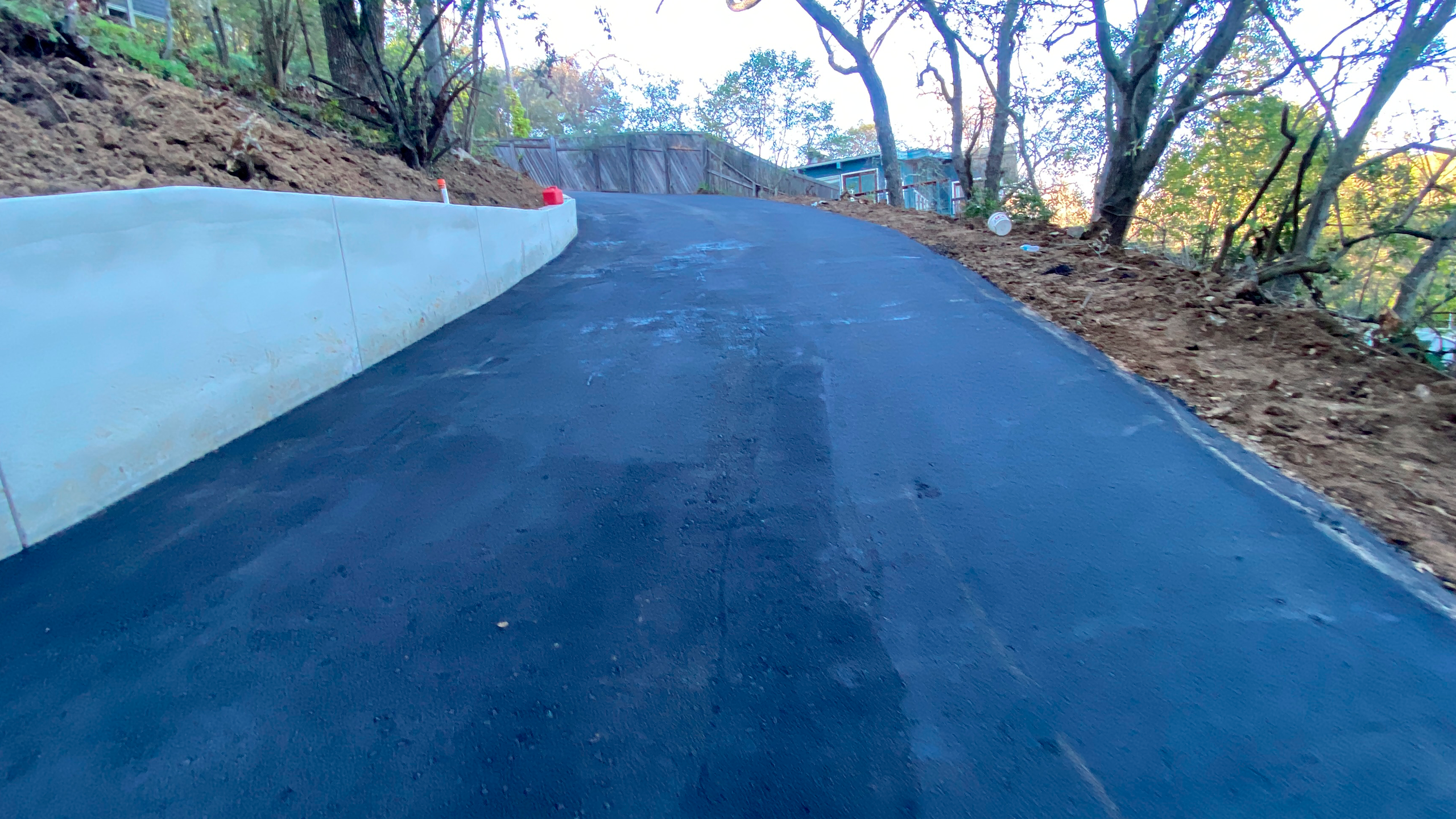
At We Love Paving, durability isn’t luck—it’s engineering. Every parking lot, driveway, or road we build is a system of layers, compaction, slope, and drainage working together to withstand load, time, and climate.

This article breaks down the technical components that separate long-lasting pavement from premature failure, helping property owners and project managers understand the “why” behind every layer we install.


📏 1. Subgrade Evaluation and Stabilization

The subgrade is the native soil that supports the pavement system. If it’s weak, expansive, or poorly compacted, the surface above it will fail—no matter how thick the asphalt is.

Our Process:

  • Proctor compaction tests to determine ideal moisture and density

  • Subgrade compaction to 95%+ using heavy rollers

  • Soil stabilization (lime, cement, or geogrid fabric) for expansive or wet soils

  • Moisture conditioning if needed

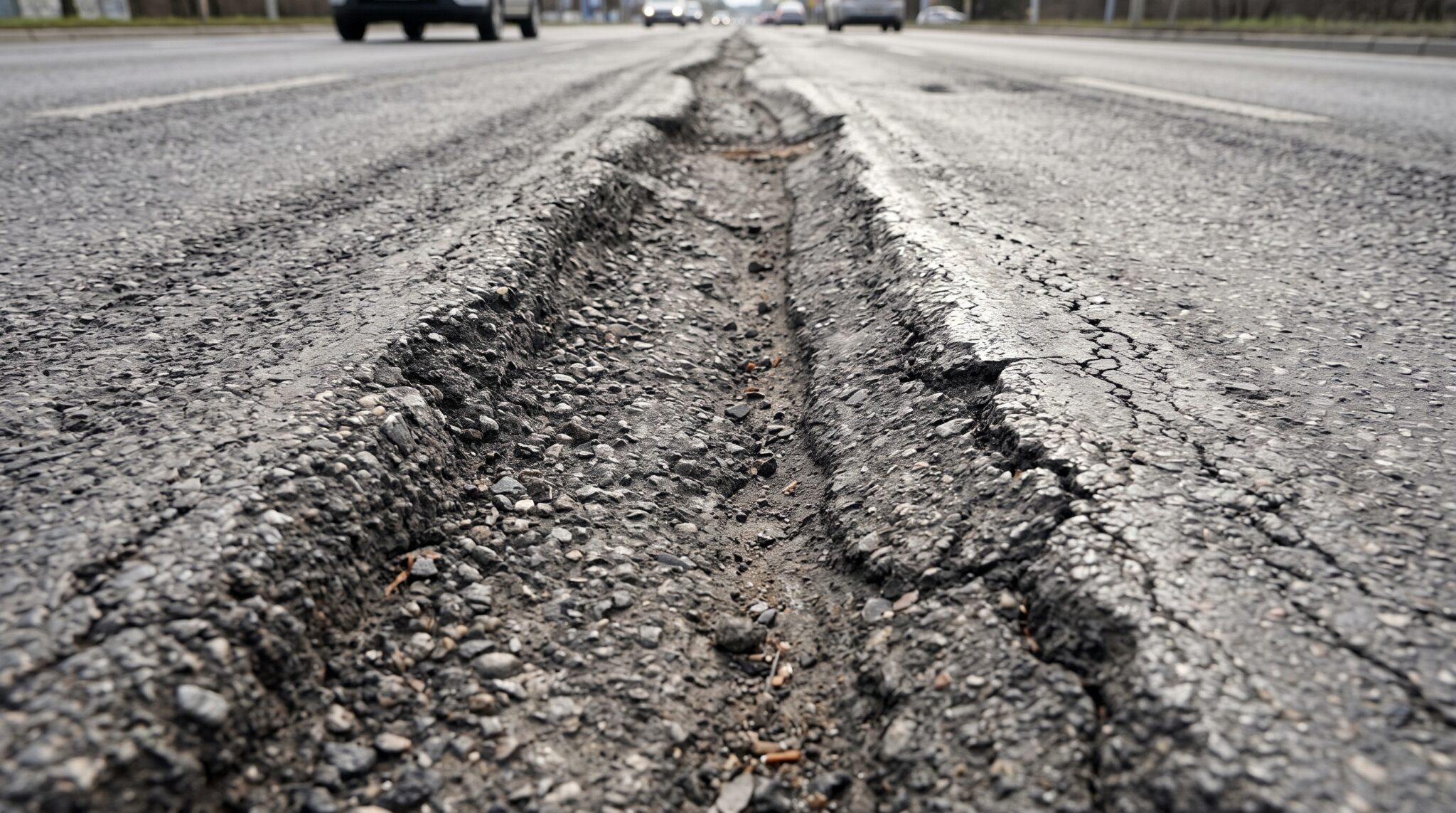
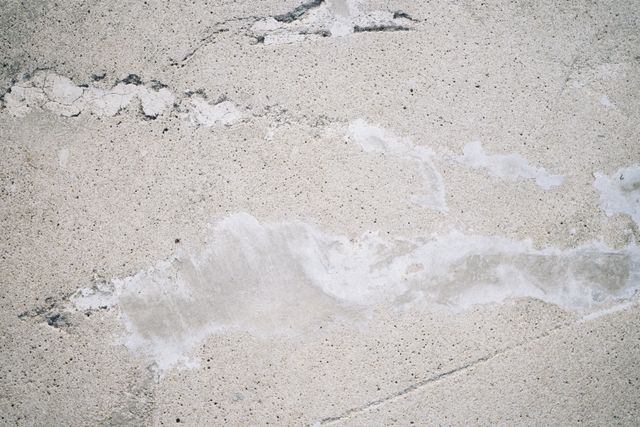
💡 A poorly prepared subgrade is the most common cause of alligator cracking.


🧱 2. Aggregate Base Design

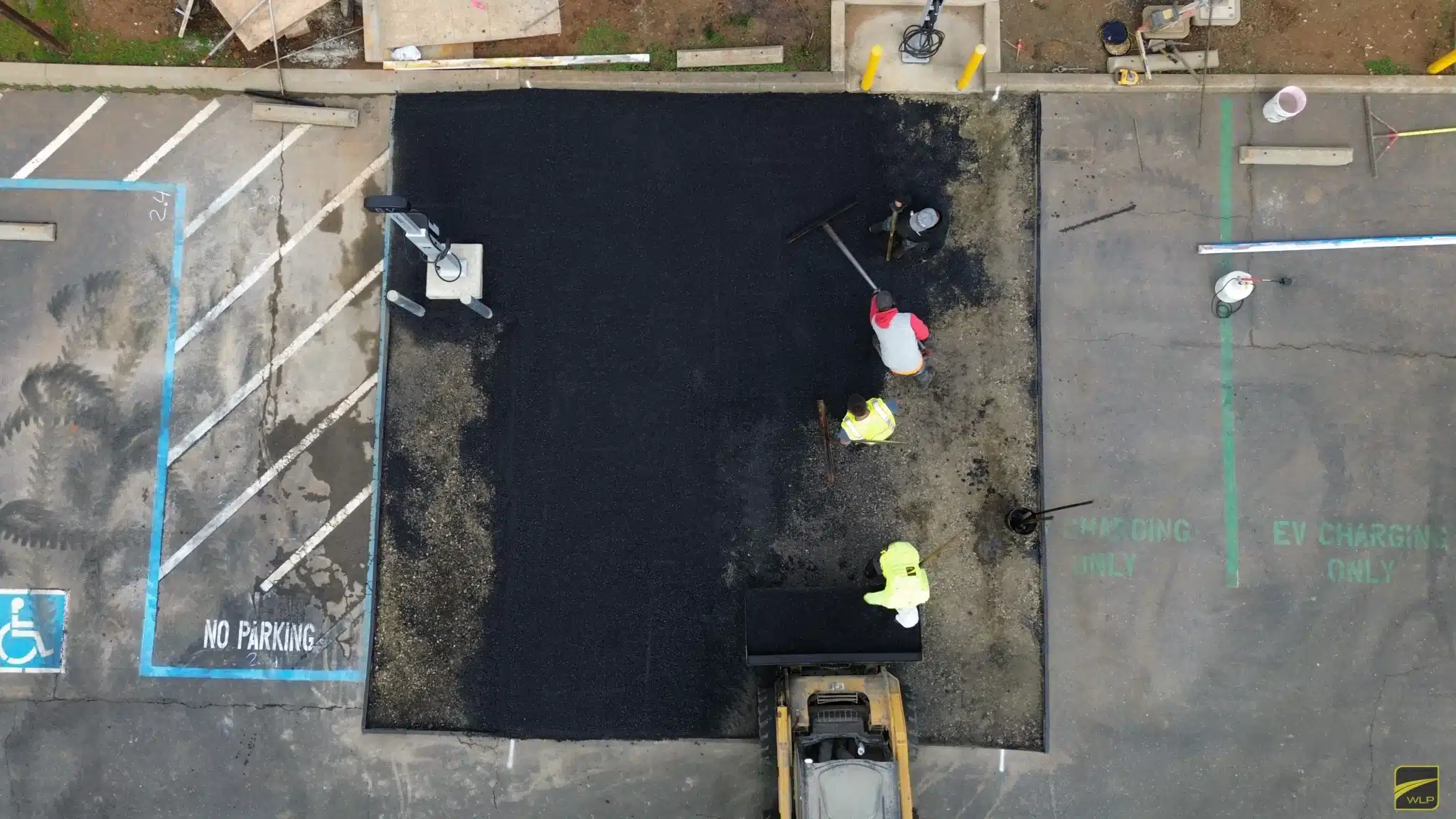
The aggregate base distributes the load from the pavement surface to the subgrade. Its depth and material type vary based on traffic volume, soil type, and project use.

WLP Specs:

  • Class II AB (crushed rock) installed at 4″–12″ depth

  • 100% crushed, angular aggregate for better interlock

  • Layered compaction in 2″ lifts to 95%+ density

  • Slope engineered to 1–2% for surface water flow

We also design reinforced bases for dumpster pads, loading zones, and heavy-use areas using concrete collars or thicker base sections.


💧 3. Drainage and Surface Water Management

Water is the #1 threat to pavement. Without proper drainage, the base layer erodes, leading to subgrade saturation and failure.

WLP Drainage Solutions:

  • Crowned or cross-sloped surfaces (min 1%)

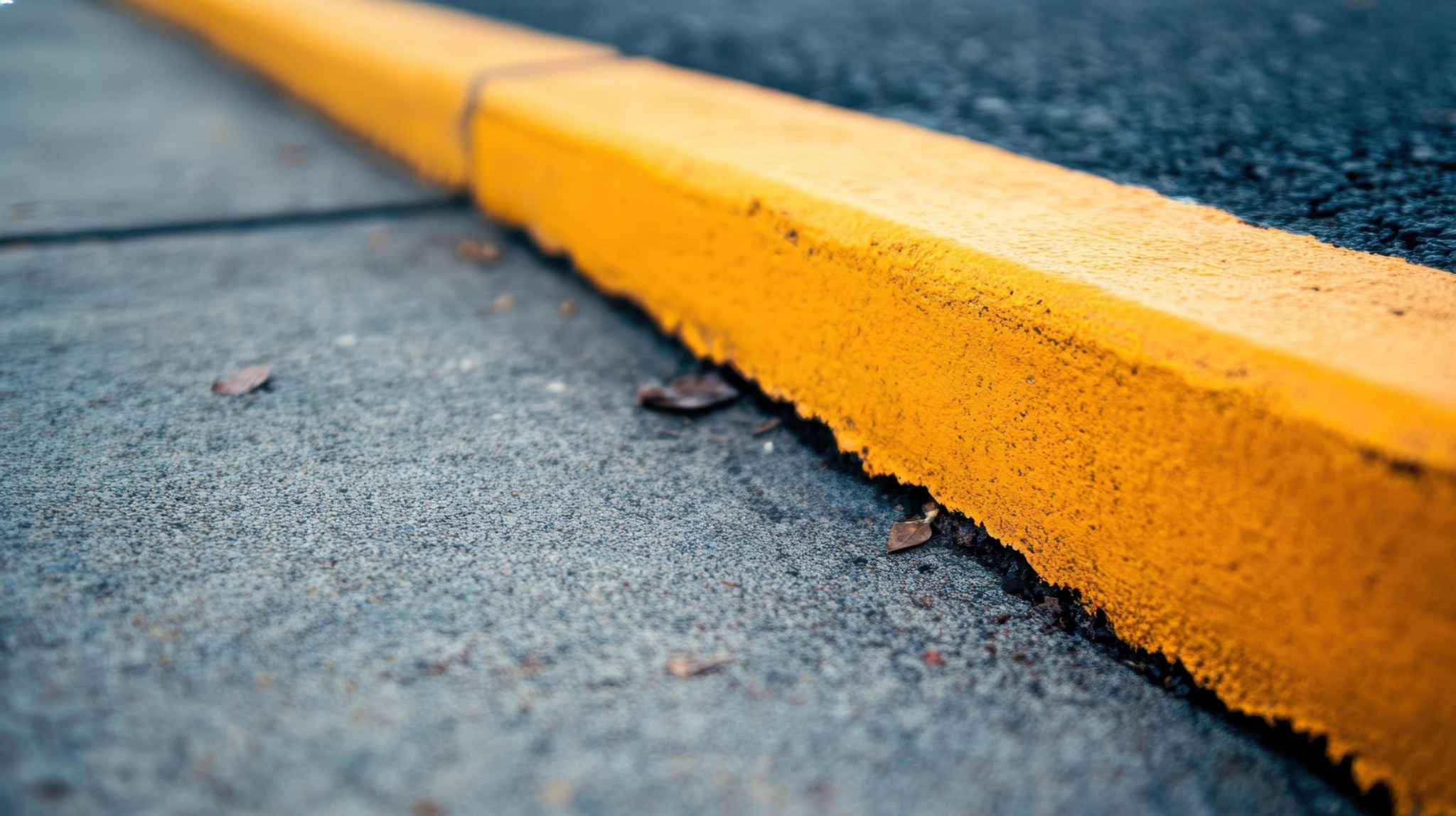
  • Curb and gutter tie-ins with drainage basins

  • Trench drains or French drains for high-volume areas

  • Edge support to prevent lateral water infiltration

🛠️ In mountain or coastal regions, we also recommend subdrain systems to control groundwater pressure.


🛣️ 4. Asphalt Layer Design

The surface asphalt must balance flexibility, load-bearing strength, and resistance to environmental factors like UV, oil, and thermal expansion.

Our Asphalt Specs:

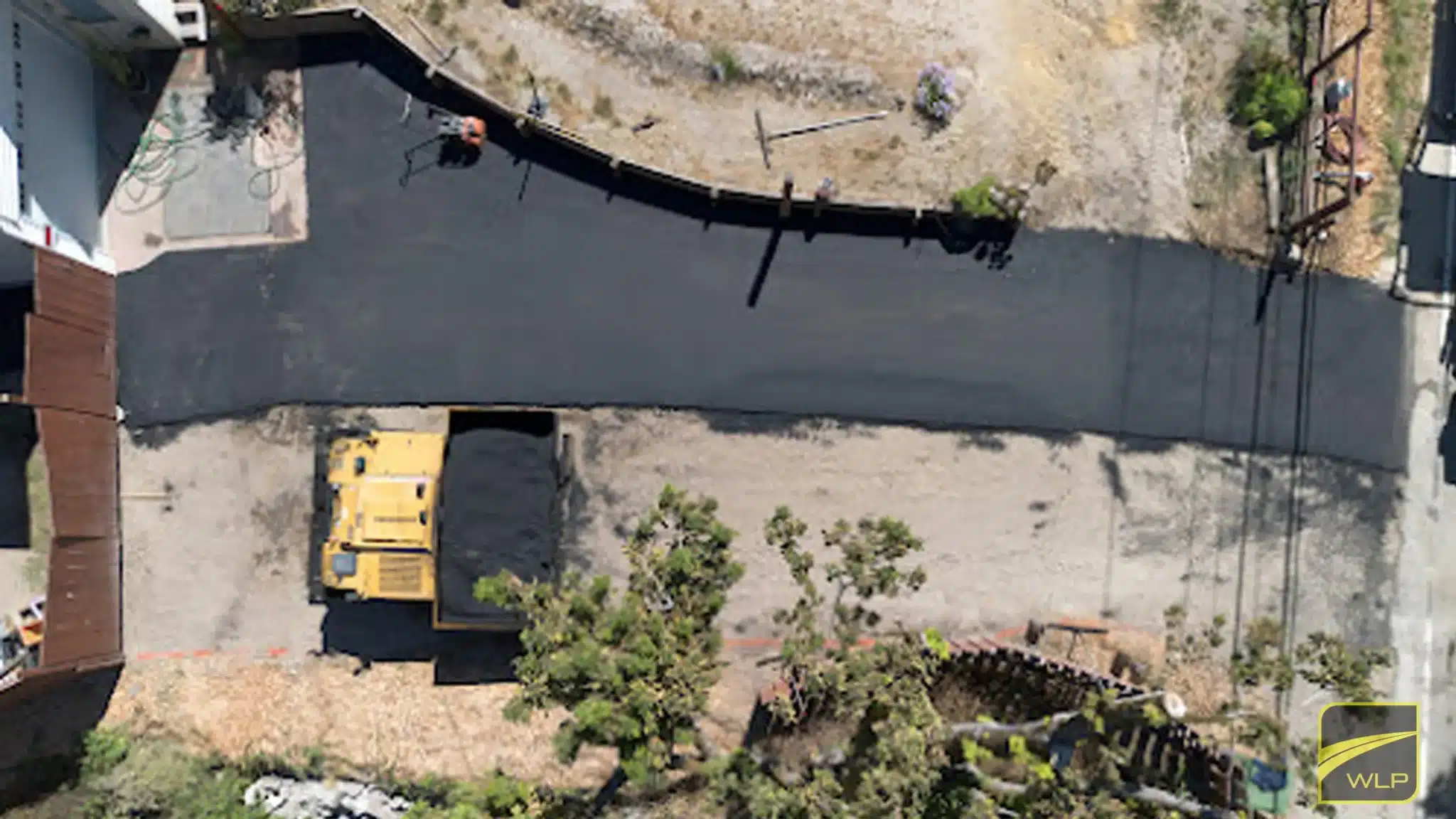
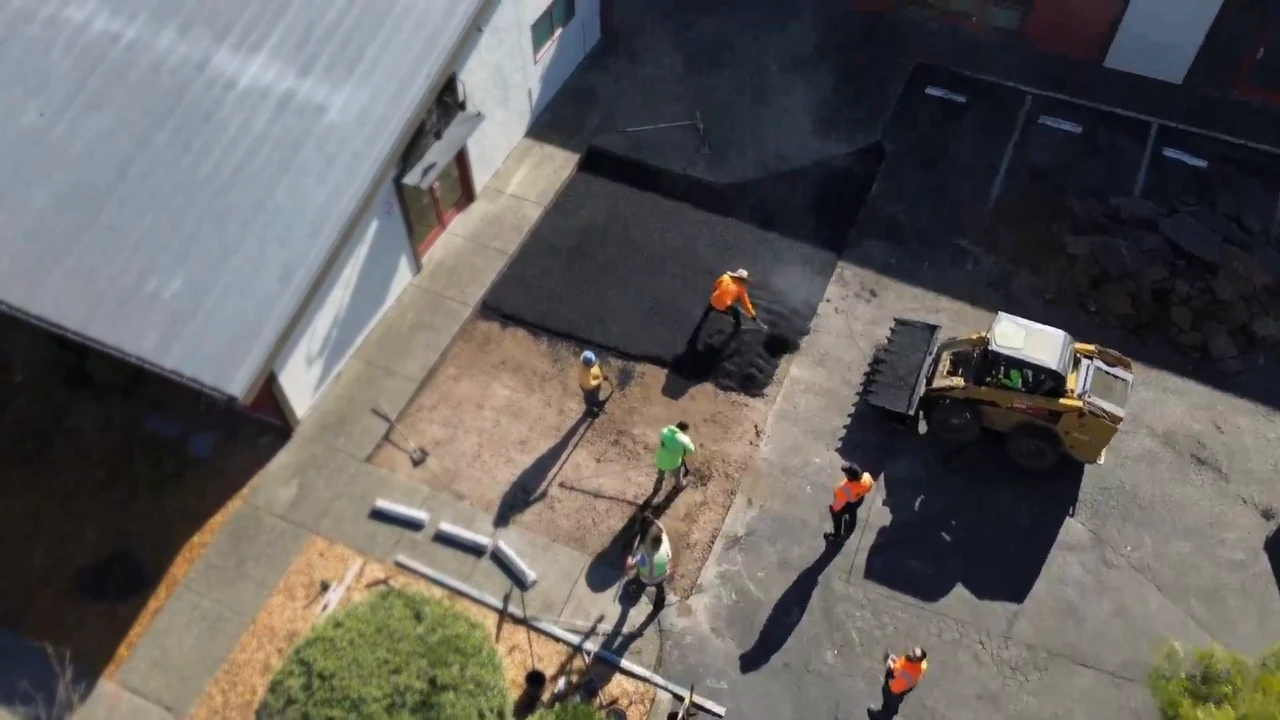
  • Caltrans-approved hot mix asphalt (HMA)

  • Installed in 2–3 lifts depending on thickness

  • Compacted to 92–96% relative density

  • Mix design tailored to project type (e.g., commercial vs. residential)

We also use PG binders suited for local climate zones and aggregate gradation matched to expected traffic.


♿ 5. ADA Compliance Built Into Geometry

Proper slope, grade breaks, and transitions are essential for both safety and ADA compliance.

WLP ADA Engineering Includes:

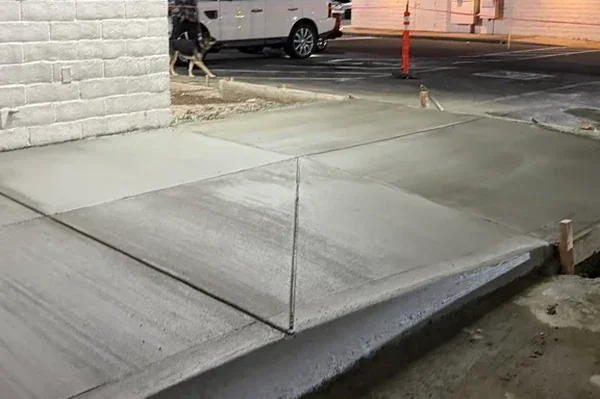
  • Max 2% cross slope on accessible routes

  • Proper placement of truncated domes and curb ramps

  • ADA stall layout according to Title 24 and federal specs

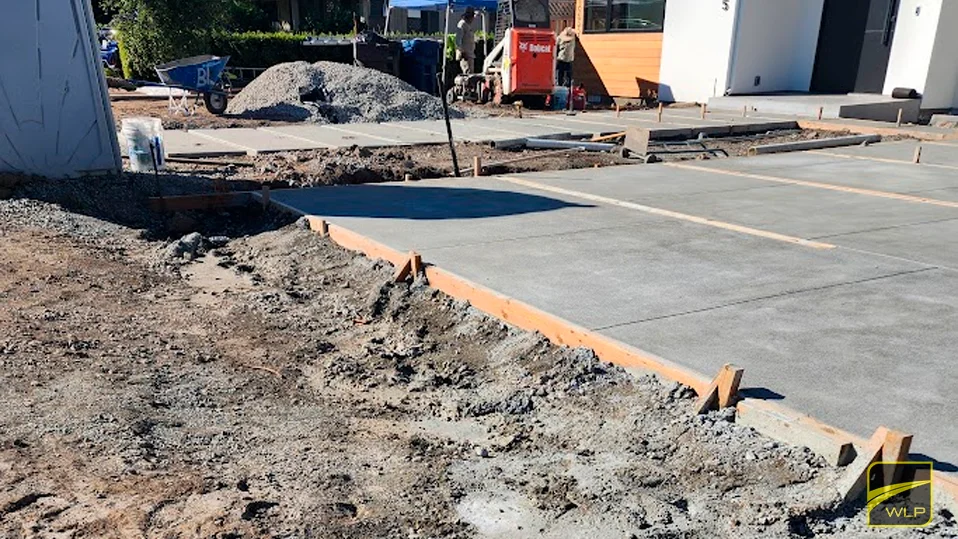
  • Formwork, elevation checks, and signage during final walkthrough

We design ADA compliance into the plan set—not after the pour.


🔁 6. Post-Construction Maintenance Strategy

Even well-built pavement needs a lifecycle plan. Without sealcoating, crack repair, and re-striping, environmental exposure will degrade your surface.

WLP Maintenance Plans:

  • Sealcoat every 2–3 years

  • Crack sealing annually (or as needed)

  • Surface inspections at 6–12 month intervals

  • Refresh ADA markings and signage


🧠 Final Word: Durable Pavement Is Engineered—Not Estimated

A pavement’s longevity is not about the thickness of asphalt alone. It’s about the entire system: soil, base, drainage, slope, materials, and long-term planning.

At We Love Paving, we bring engineering precision to every inch—so your pavement performs like it should.


📞 Need a technically sound quote?

Let our team walk your site and develop a custom pavement design based on soil conditions, traffic loads, compliance needs, and your budget.

👉 Request your free evaluation today at welovepaving.com
Or call (888) 273-0077

Need Immediate Help?

Let's Talk About Your Project

Don't wait until minor damage turns into major expenses. Our team of experts is ready to provide you with guaranteed solutions. Contact us now for direct advice from a professional.

Frequently Asked Questions (FAQ)

Got Questions? Find Your Answers Here!!

What primary factors determine the long-term durability of asphalt pavement?

Pavement durability depends on an integrated system featuring subgrade stabilization to 95% Proctor compaction, a Class II aggregate base installed at 4–12 inches, and precision drainage with 1% minimum slopes. This engineering prevents base erosion and moisture saturation, which are the leading causes of premature "alligator cracking" and structural failure.

Why is subgrade evaluation critical before asphalt installation begins?

The subgrade is the native soil supporting the entire structural load; weak or expansive soils cause the surface to fail regardless of asphalt thickness. We Love Paving utilizes Proctor compaction tests to reach 95% density and stabilizes unstable ground with lime or geogrid fabric to ensure a rigid, permanent foundation.

How does drainage design impact the lifecycle of commercial pavement?

Water is the primary threat to pavement integrity because it erodes base layers and saturates the subgrade. Effective engineering implements 1% to 2% cross-slopes, trench drains, and curb tie-ins. These systems redirect surface water rapidly, preventing the hydraulic pressure that leads to potholes and costly sub-base deterioration.

What are the technical specifications for a high-quality asphalt mix?

Superior pavement utilizes Caltrans-approved Hot Mix Asphalt (HMA) applied in multiple lifts and compacted to 92%–96% relative density. The design incorporates specific PG binders tailored to local climate zones and aggregate gradations matched to traffic volume, ensuring the surface balances flexibility with high-load-bearing strength for heavy vehicles.

What ADA requirements must be engineered into the pavement geometry?

ADA compliance requires precision engineering where accessible routes never exceed a 2% cross-slope and ramps include detectable truncated domes. We Love Paving integrates these Title 24 federal specifications directly into the initial plan set, utilizing elevation checks during formwork to prevent non-compliant transitions that require expensive post-construction removal.

Professional customer review project by We Love Paving in Northern California, California. Verified local construction quality.

Fred / Founder

Fred, Founder and Regional Operations Manager at We Love Paving, comes from a family that values hard work and discipline. Growing up watching his parents work long hours with integrity and dedication, Fred learned early on that quality paving isn’t just about asphalt, it’s about consistency, accountability, and doing the job right.

Share

Posts That Might Interest You

What is Driveway Resurfacing? Expert Technical Guide to Asphalt Overlay and When to Use It

What is Driveway Resurfacing? Expert Technical Guide to Asphalt Overlay and When to Use It

April 15, 2026

THE BENEFITS OF RESURFACING In the world of driveway maintenance and improvement, asphalt resurfacing has emerged as a popular and effective solution. As time passes, even the most durable asphalt driveways can succumb to wear and tear, displaying cracks, potholes, and a worn-out appearance. However, instead of tearing up the entire driveway and starting from

Paving Technical Audit: Cost of Driveway Analysis

Paving Technical Audit: Cost of Driveway Analysis

April 14, 2026

A Comprehensive Guide For Homeowners Paving a driveway is a substantial undertaking for any homeowner. Beyond just enhancing curb appeal, it adds value and utility to the property. However, before diving into such a project, it’s crucial to grasp the diverse factors influencing the overall cost. This guide explores these elements, offering insights to empower

Why is Asphalt So Expensive? A 2026 Audit of Paving Costs and Market Dynamics

Why is Asphalt So Expensive? A 2026 Audit of Paving Costs and Market Dynamics

April 2, 2026

Paving costs have experienced a significant upward trend in recent years, leaving property owners questioning the reasons behind this surge. In this detailed exploration, we delve into the multifaceted factors contributing to the escalating costs of paving in 2026 and beyond. Material Costs and Market Dynamics The cornerstone of any paving project lies in its

What is the Square Foot Price for Asphalt?

What is the Square Foot Price for Asphalt?

April 2, 2026

Asphalt is a popular paving material used for driveways, parking lots, and roads due to its durability, affordability, and ease of installation. However, the cost of asphalt can vary significantly depending on several factors. In this blog post, we will explore the factors that influence the square foot price of asphalt, typical price ranges, and

Next

Estimation Tools

Calculate costs in seconds

Fast, accurate estimates that help you close more jobs. Less guesswork, more profit.