The Concrete Chronicles: When Pavement Fails Go Viral (and How to Avoid Them)

We Love Paving services in Mountain View. Professional paving contractor serving Mountain View and South Bay areas.
Estimation Tools

Calculate costs in seconds

Fast, accurate estimates that help you close more jobs. Less guesswork, more profit.

Concrete. It’s the silent hero of our roads, parking lots, and driveways until it’s not. When concrete fails, it’s like a bad haircut: everyone notices, and it’s impossible to hide. But fear not! We’re here to walk you through some epic concrete fails (and how to avoid becoming the next viral sensation).

Pavement Engineering: Assessing Structural vs. Functional Failures

To mitigate a pavement failure, modern road engineering relies on the Pavement Condition Index (PCI) an international ASTM standard that scores infrastructure health on a 0-to-100 scale. A professional diagnosis requires a critical separation between functional and structural failures. Functional failures alter surface roughness, aesthetics, and ride quality without compromising the deep integrity of the design (such as surface stains or minor scaling). Conversely, Structural failures indicate that the load-bearing capacity of the pavement structure has been exceeded. Phenomena like subgrade settlement or accelerated fatigue denote internal collapse within the asphalt or concrete layers. Identifying this difference determines whether the asset requires a simple cosmetic rehabilitation or a deep structural reconstruction.


1. Pavement Collapse: From Severe Alligator Cracking to Potholes

A massive pothole does not appear overnight; it is the terminal phase of untreated load fatigue, technically known as alligator cracking. When heavy traffic loads exceed the flexible limits of the surface layer, a network of interconnected fissures forms. Once confinement fails, aggregate displacement becomes inevitable, creating destructive craters.

  • Avoid It: Execute early crack sealing and deep patching with high-stability mixes before the base structure loses its mechanical cohesion.

2. Slab Faulting and Expansive Clays (The Geo-Climatic Factor)

The shifting or misalignment of slabs in sidewalks and rigid pavements is commonly a response to unreleased flexural stress or the presence of local South Bay expansive clay soils, which expand and contract drastically with moisture.

  • Avoid It: Design expansion joints with load-transfer dowels calculated according to local Caltrans standards, while controlling the root growth of invasive tree species.

3. The Mystery Stain Saga

Is it oil? Is it gum? Is it…something we don’t want to know? Concrete stains can turn a clean parking lot into a crime scene.

Avoid It:

  • Apply a protective sealant to keep stains from seeping in.
  • Schedule regular power washing. (It’s oddly satisfying and keeps your concrete looking fresh.)

4. The Swamp Thing Parking Lot

Pooling water isn’t just annoying; it’s a sign your concrete has drainage issues. Plus, it’s a breeding ground for mosquitoes, and no one likes those guys.

Avoid It:

  • Ensure proper slope and grading during installation. Concrete isn’t supposed to double as a kiddie pool.
  • Inspect and clear drainage systems regularly.

Water as a Catalyst for Collapse: Bottom-Up Failures

In road infrastructure engineering, water is recognized as the most destructive element to a pavement structure. Uncontrolled stormwater infiltration triggers bottom-up failures. As moisture penetrates the surface through micro-fissures, it saturates the subgrade and granular base courses. This saturated state drastically reduces the soil’s resilient modulus, wiping out its capacity to dissipate mechanical stress. Under dynamic traffic loading, the trapped water generates hydrostatic pore pressures that force out soil fines (pumping), creating subsurface voids that lead the pavement into definitive structural collapse. To mitigate this physical degradation, modern designs incorporate high-engineering solutions, such as the deployment of mechanical stabilization geogrids (which distribute tensile stress) and the application of nanopolymer additives to waterproof and chemically stabilize bearing soils.


5. The Crack That Ate the World

A tiny crack might seem harmless, but leave it alone long enough, and it’ll grow faster than your weekend to-do list.

Avoid It:

  • Fill small cracks as soon as you spot them. It’s cheaper than waiting until they’re big enough to have their own zip code.
  • Use high-quality concrete. Bargain materials might save you money now, but you’ll pay for it later.

6. The Color Surprise

Nothing’s more shocking than pouring a brand-new concrete patio only for it to dry a completely different color. Hello, 50 shades of gray!

Avoid It:

  • Test your mix before committing. It’s like trying a paint swatch before painting your whole house.
  • Hire pros who know their stuff (hint: like us at We Love Paving!).

The Bottom Line: Your Pavement Doesn’t Have to Go Viral

Concrete and asphalt might seem boring until they fail and take center stage. The good news is that both structural and functional pavement failures are entirely preventable. With proactive monitoring of your Pavement Condition Index (PCI), smart moisture control, and the backing of true road engineering expertise, you can keep your infrastructure pristine, safe, and built to last.
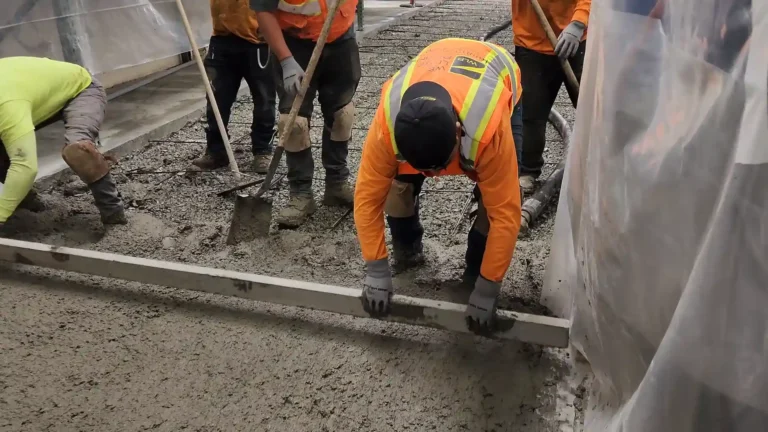
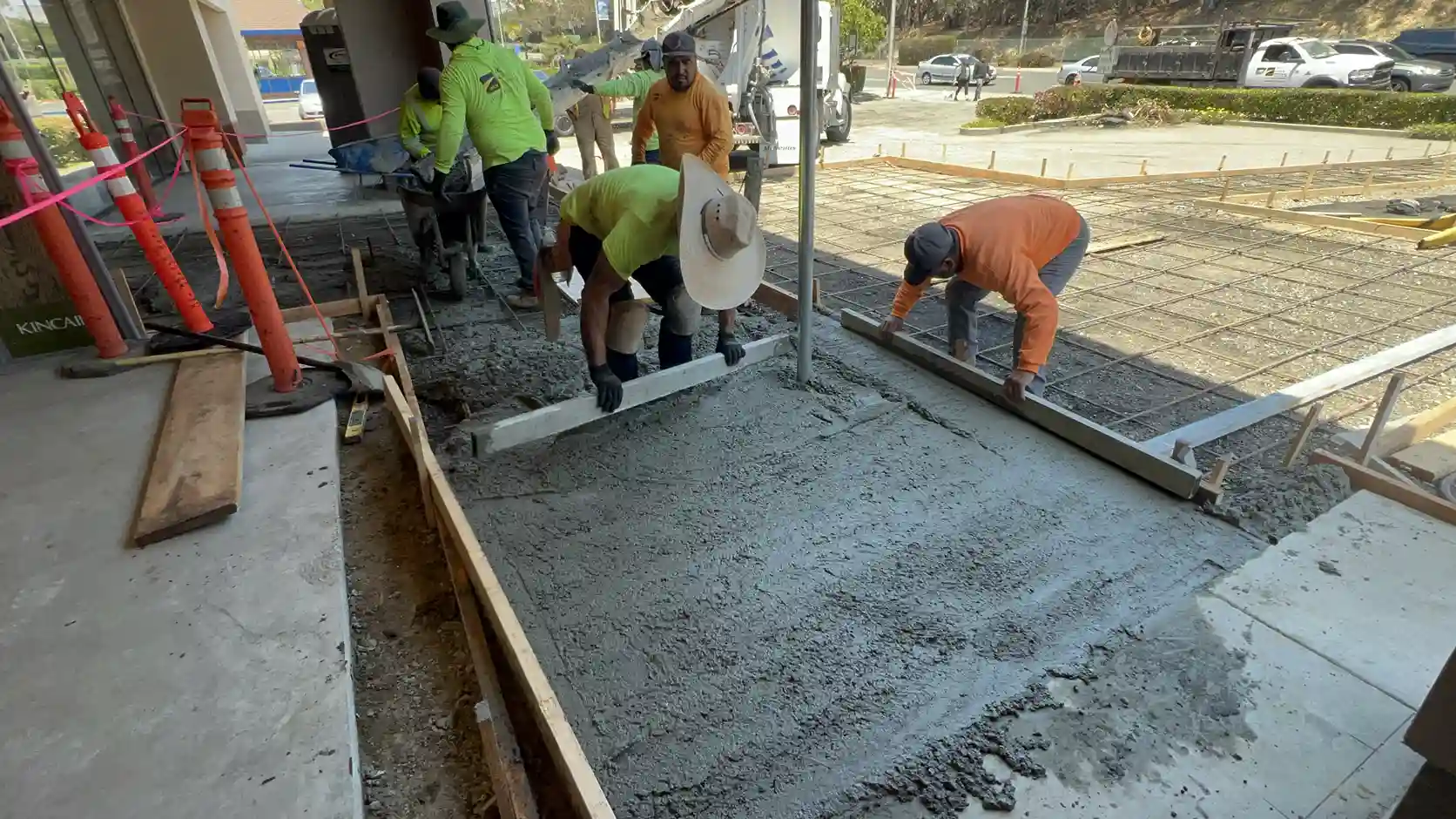
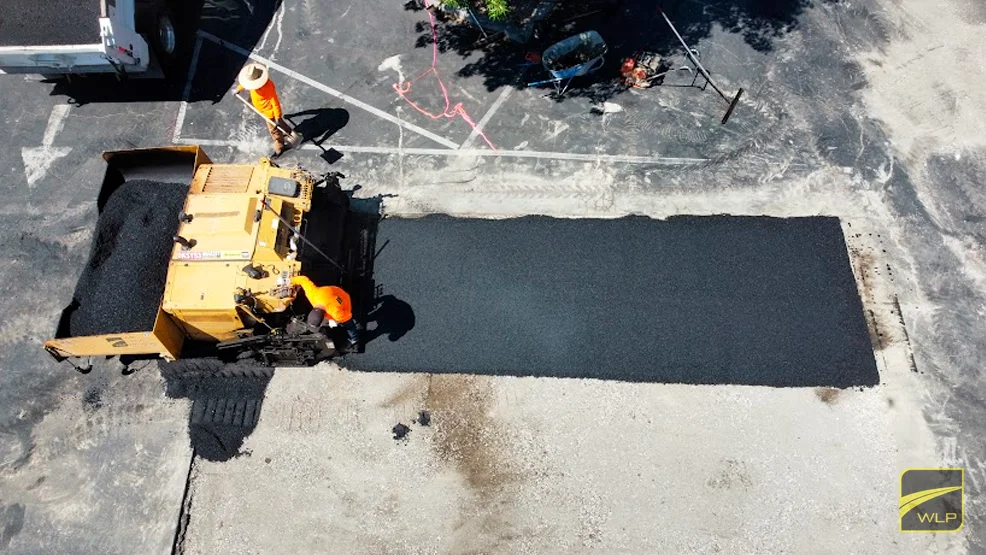
Workers Concrete Paving in California, leveling freshly poured concrete

If you’re ready to give your surfaces the predictive maintenance and technical care they truly deserve, We Love Paving is here to help. Let’s make your pavement the durable, unsung hero your property needs!

Need Immediate Help?

Let's Talk About Your Project

Don't wait until minor damage turns into major expenses. Our team of experts is ready to provide you with guaranteed solutions. Contact us now for direct advice from a professional.

Frequently Asked Questions (FAQ)

Got Questions? Find Your Answers Here!!

How do you prevent potholes from ruining a commercial parking lot?

To prevent potholes in commercial parking lots, implement a maintenance schedule including sealcoating every 24 to 36 months and immediate crack patching. These actions prevent water infiltration into the sub-base, stopping the freeze-thaw cycles that create craters and protecting the property owner from costly vehicle damage claims and reputation loss.

What causes sidewalk slabs to lift and create tripping hazards?

Sidewalk lifting is primarily caused by invasive tree root growth and the absence of technical expansion joints. To prevent this displacement, install flexible joints that accommodate thermal expansion and monitor root systems annually. Maintaining a level surface is critical to eliminate trip hazards and avoid potential premises liability lawsuits for owners.

Why is applying a professional sealant necessary for concrete driveways?

Applying a high-grade professional sealant is necessary because it creates a hydrophobic barrier that prevents oil, grease, and chemicals from penetrating porous concrete. Regular power washing combined with sealing every three years maintains aesthetic integrity and prevents chemical erosion, ensuring the pavement does not become a permanent, viral eyesore.

How can property owners fix standing water issues on concrete pavement?

Fixing standing water requires ensuring a minimum 2% slope during installation and maintaining clear drainage systems. Pooling water indicates poor grading, which leads to structural sub-grade erosion and mosquito breeding grounds. Proper topographical assessment and regular debris removal from drains are essential to keep the concrete surface dry and functional.

Why do small concrete cracks grow rapidly and how are they stopped?

Small concrete cracks grow rapidly due to moisture penetration and soil shifting, eventually compromising the entire slab's structural integrity. Stop this progression by filling fissures immediately with high-quality polymer-modified fillers. Using premium 4,000 PSI concrete mixes during initial construction significantly reduces the likelihood of these viral-worthy structural failures.

Professional customer review project by We Love Paving in Northern California, California. Verified local construction quality.

Fred / Founder

Fred, Founder and Regional Operations Manager at We Love Paving, comes from a family that values hard work and discipline. Growing up watching his parents work long hours with integrity and dedication, Fred learned early on that quality paving isn’t just about asphalt, it’s about consistency, accountability, and doing the job right.

Share

Posts That Might Interest You

The Cost of Asphalt Cutting Per Linear Foot: What to Expect

The Cost of Asphalt Cutting Per Linear Foot: What to Expect

May 28, 2026

When it comes to construction and repair projects, asphalt cutting is often a necessary task, whether for roadworks, driveways, or other paved surfaces. Understanding the cost involved in asphalt cutting per linear foot can help you budget more accurately for your project. This article will break down the factors affecting these costs and provide a

Parking Lot Maintenance Checklist by Season

Parking Lot Maintenance Checklist by Season

May 27, 2026

A checklist earns its place when it helps a manager make a decision later. For a Northern California retail center, that decision might come after the first winter storm, when water still sits along the curb near the front stalls. For an office property, it might come in late summer, when the exposed drive aisle

Does Asphalt Need to Be Sealed? Read the Surface Before You Decide

Does Asphalt Need to Be Sealed? Read the Surface Before You Decide

May 27, 2026

A parking lot can look ready for sealcoating from the sidewalk and still be a poor candidate up close. The color has faded. The asphalt has turned gray. The owner wants a cleaner surface before tenants complain or customers notice the lot looking tired. Then someone walks the drive aisle and finds a different story:

Pavement Asset Management for Property Managers

Pavement Asset Management for Property Managers

May 27, 2026

A parking lot budget usually becomes uncomfortable long before the asphalt fails completely. The entrance patch is still holding, but the edge is separating again. The back drive aisle looks rough, yet tenants rarely use it. The front visitor stalls are faded enough to draw complaints. A low area near the drain stayed wet after

Next

Estimation Tools

Calculate costs in seconds

Fast, accurate estimates that help you close more jobs. Less guesswork, more profit.