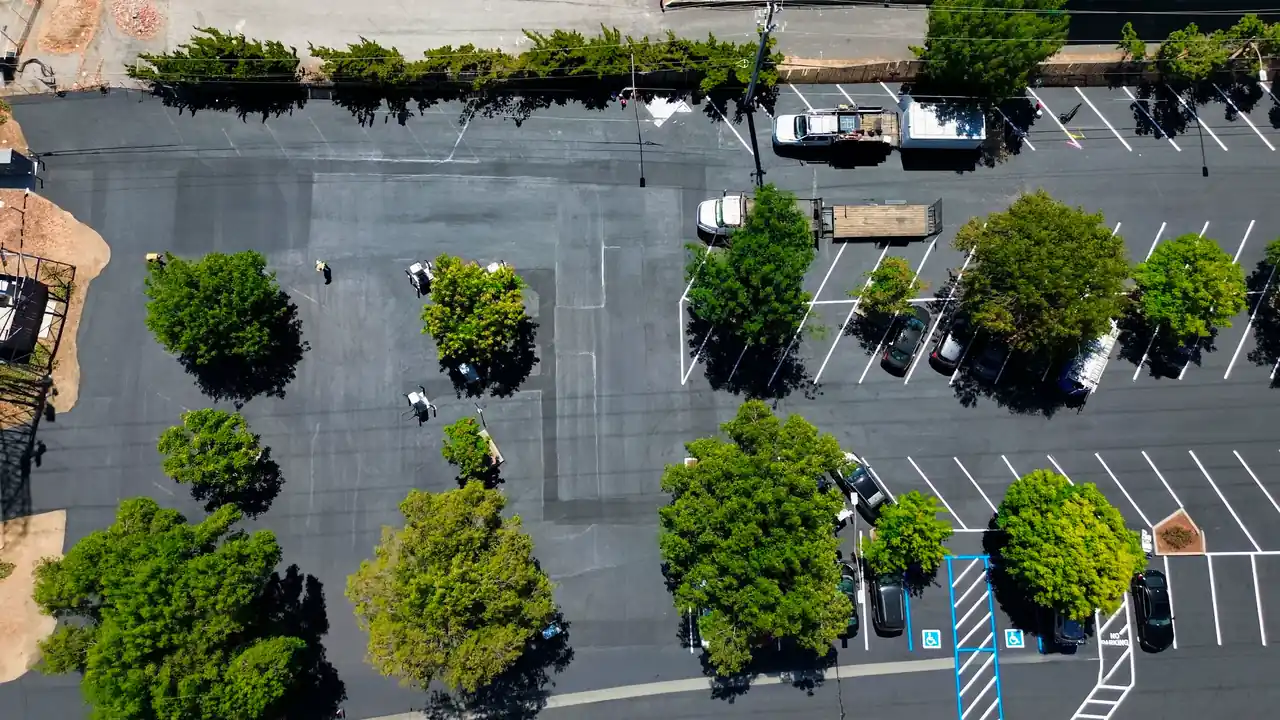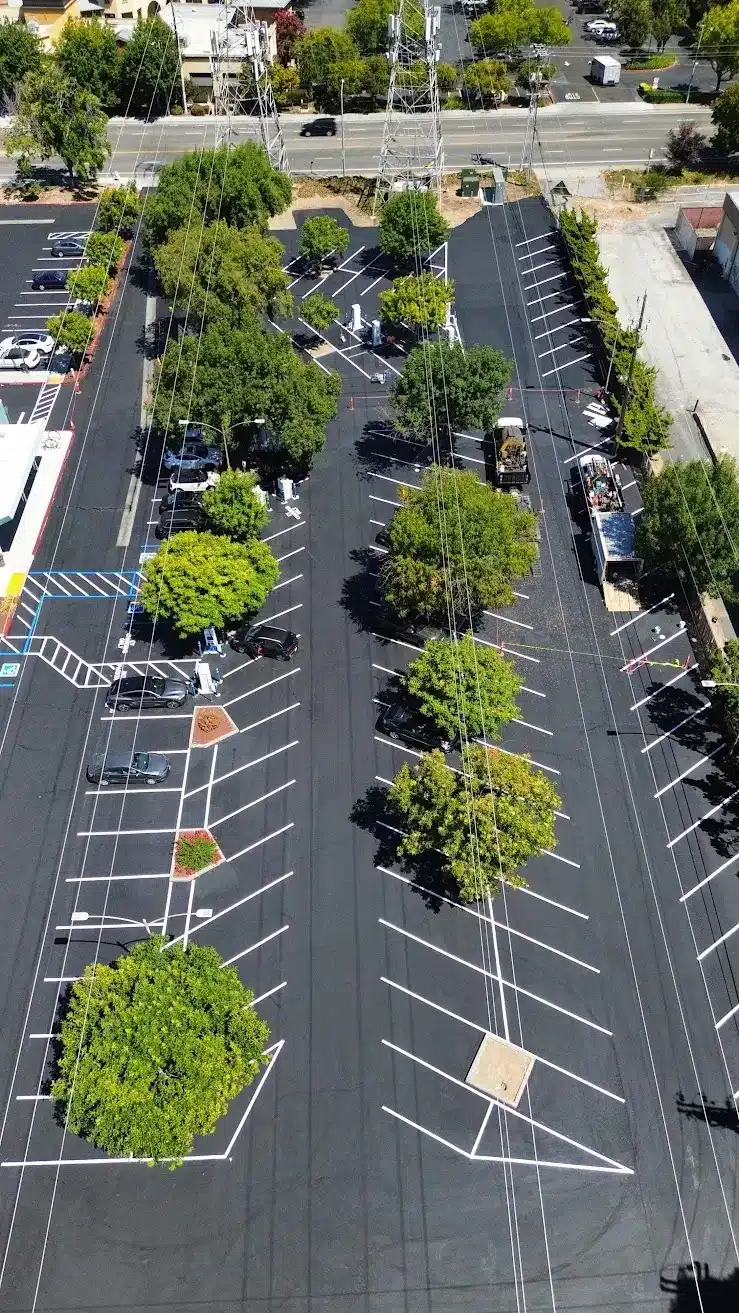
Maintaining your paving in Sacramento, California, is crucial for preserving its integrity against the region’s unique climate challenges. From scorching summers to occasional rain and winter frost, Sacramento’s weather can take a toll on your pavement. Sealcoating offers an effective solution to protect your pavement and extend its lifespan. In this guide, we’ll delve into the importance of seal-coating and provide a step-by-step process tailored to Sacramento’s specific conditions.
Understanding Sealcoating
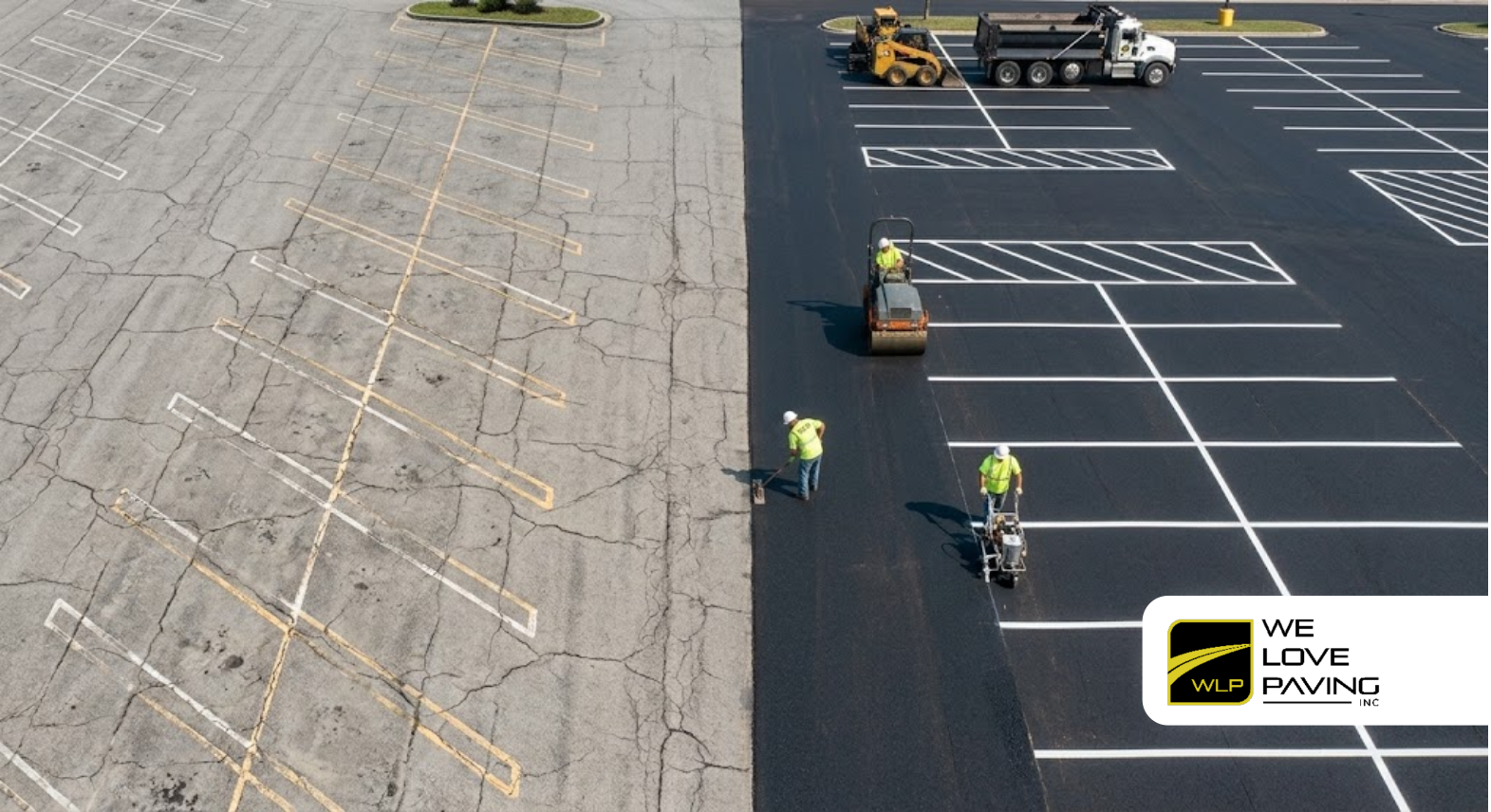
Seal-coating involves applying a protective layer to the surface of your pavement, typically composed of asphalt emulsion or coal tar pitch. This layer serves as a barrier, shielding your pavement from harmful UV rays, water penetration, oil spills, and other environmental factors that contribute to deterioration. By seal-coating your paving, you can prevent cracks, potholes, and premature wear, ultimately saving on costly repairs and prolonging the life of your pavement.
The Science of Durability: Oxidation and UV Radiation
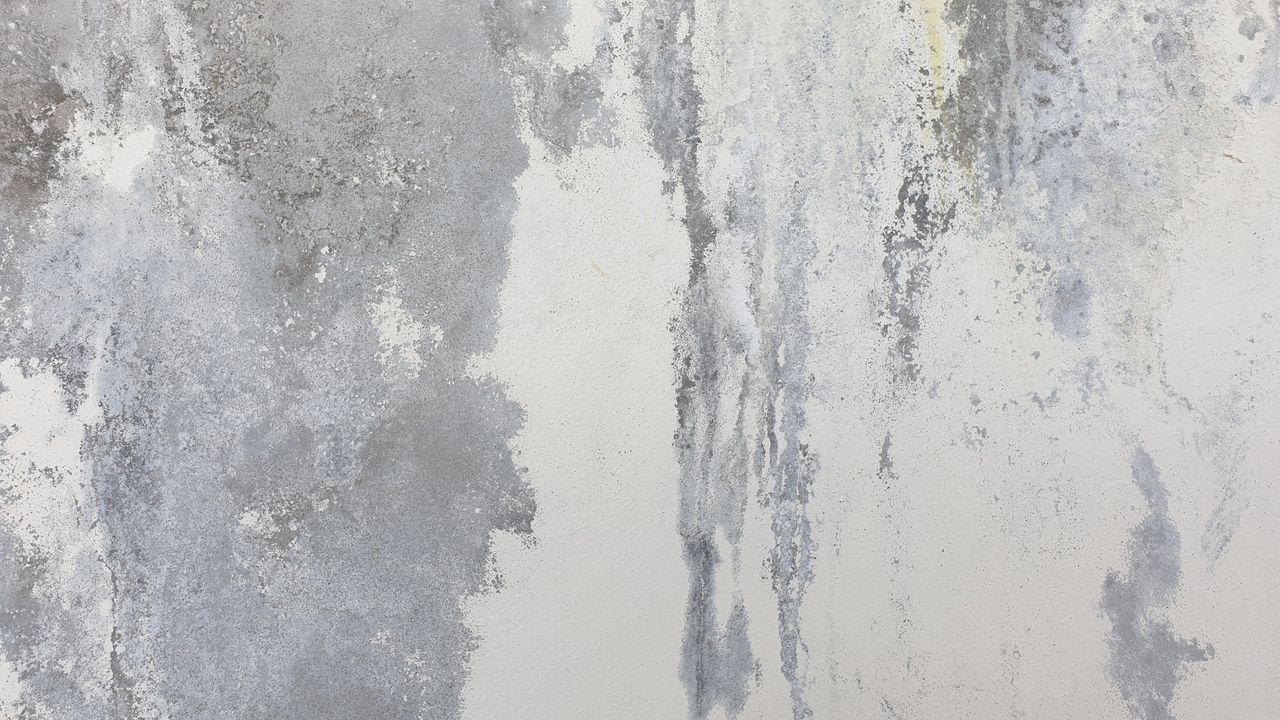
The key to achieving genuine Durability to Improve Pavement Performance in the Central Valley lies in combating the chemical degradation of asphalt. In Sacramento, prolonged exposure to intense ultraviolet radiation triggers a photo-oxidation process within the bituminous binder. This phenomenon breaks down the asphalt’s molecular chains, causing it to lose flexibility and become brittle. Without a protective layer, the pavement’s essential oils evaporate, accelerating the onset of thermal fatigue cracking. Sealcoating acts as a technical sacrificial barrier that blocks the UV spectrum and halts oxygen infiltration. By mitigating binder oxidation, we not only preserve the pavement’s dark aesthetic but also maintain the structural integrity required to withstand heavy traffic loads, ensuring the surface retains its viscoelastic properties against the region’s extreme temperature fluctuations.
Benefits of Sealcoating
- Enhanced Durability: Seal-coating forms a protective shield that strengthens the surface of your pavement, making it more resistant to damage from traffic and weather.
- Prevents Water Damage: Sacramento’s occasional rain can seep into pavement cracks, leading to water damage and erosion. Seal-coating creates a waterproof barrier, preventing moisture penetration and preserving the structural integrity of your pavement.
- UV Protection: The intense sunlight in Sacramento can cause asphalt to fade and become brittle over time. Sealcoating provides UV protection, maintaining the rich, dark color of your pavement and preventing premature aging.
- Easier Maintenance: A sealed pavement is smoother and easier to clean, reducing the accumulation of dirt, debris, and oil stains. Regular maintenance tasks such as sweeping and washing become more efficient, saving you time and effort in the long run.
Sealcoating Process for Sacramento
- Assessment: Begin by inspecting your pavement for existing cracks, potholes, and other damage. Address any repairs needed before proceeding with sealcoating.
- Cleaning: Thoroughly clean the surface of your pavement to remove dirt, debris, and vegetation. Use a power washer or stiff broom to ensure a clean and smooth surface.
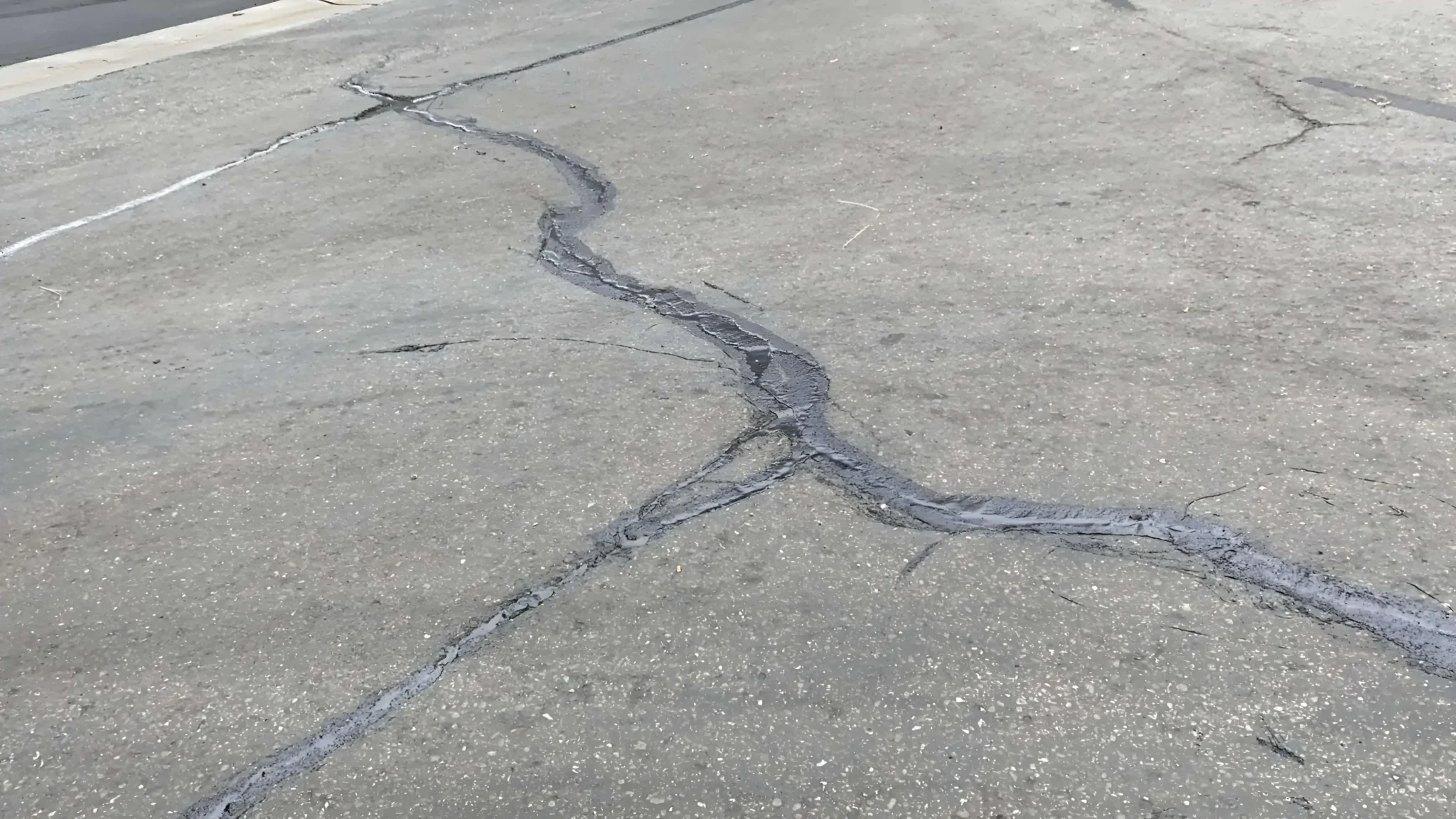
- Repair: Fill any cracks or potholes with an appropriate asphalt patching material. Allow the patches to cure completely before proceeding to the next step.
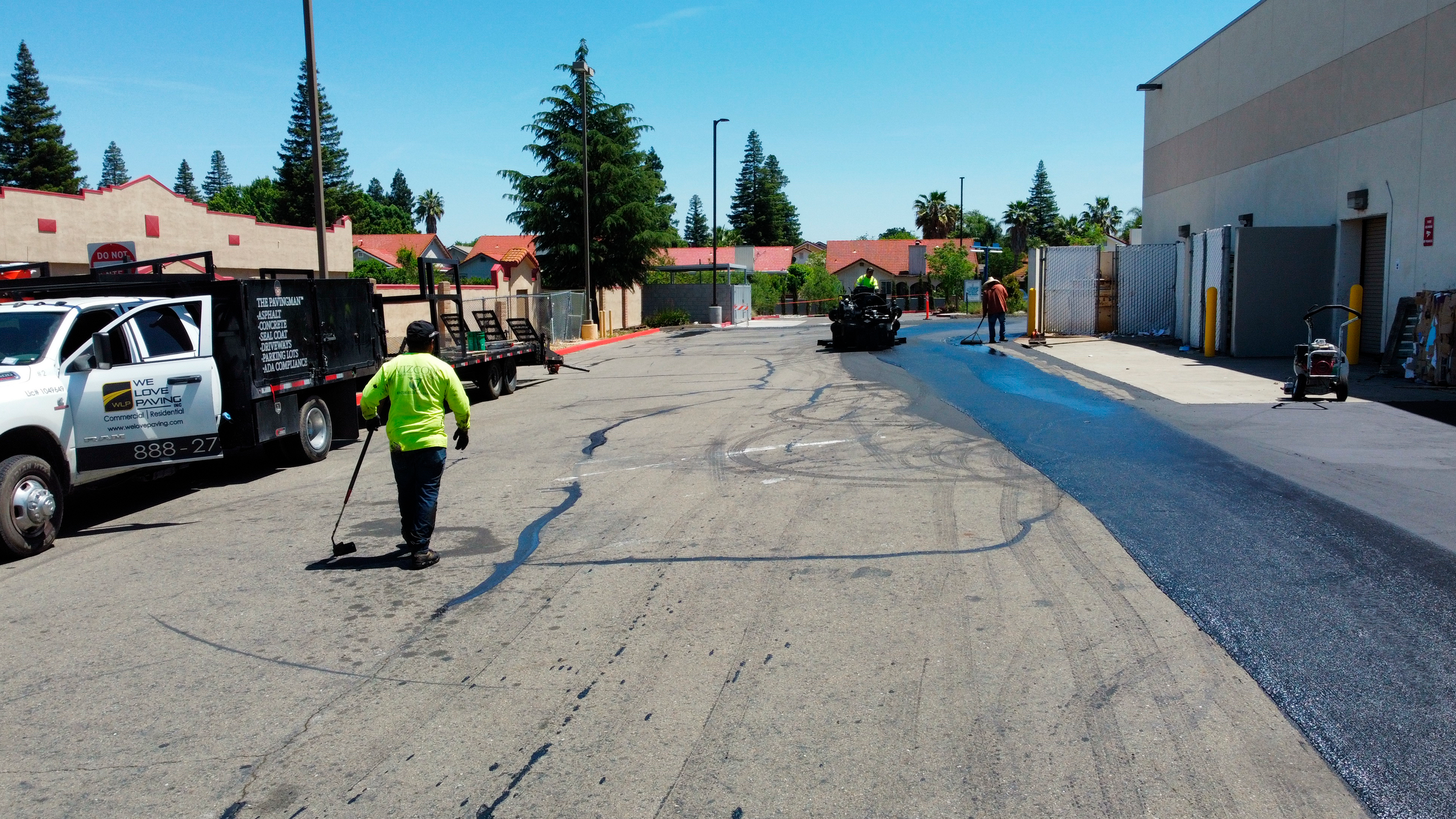
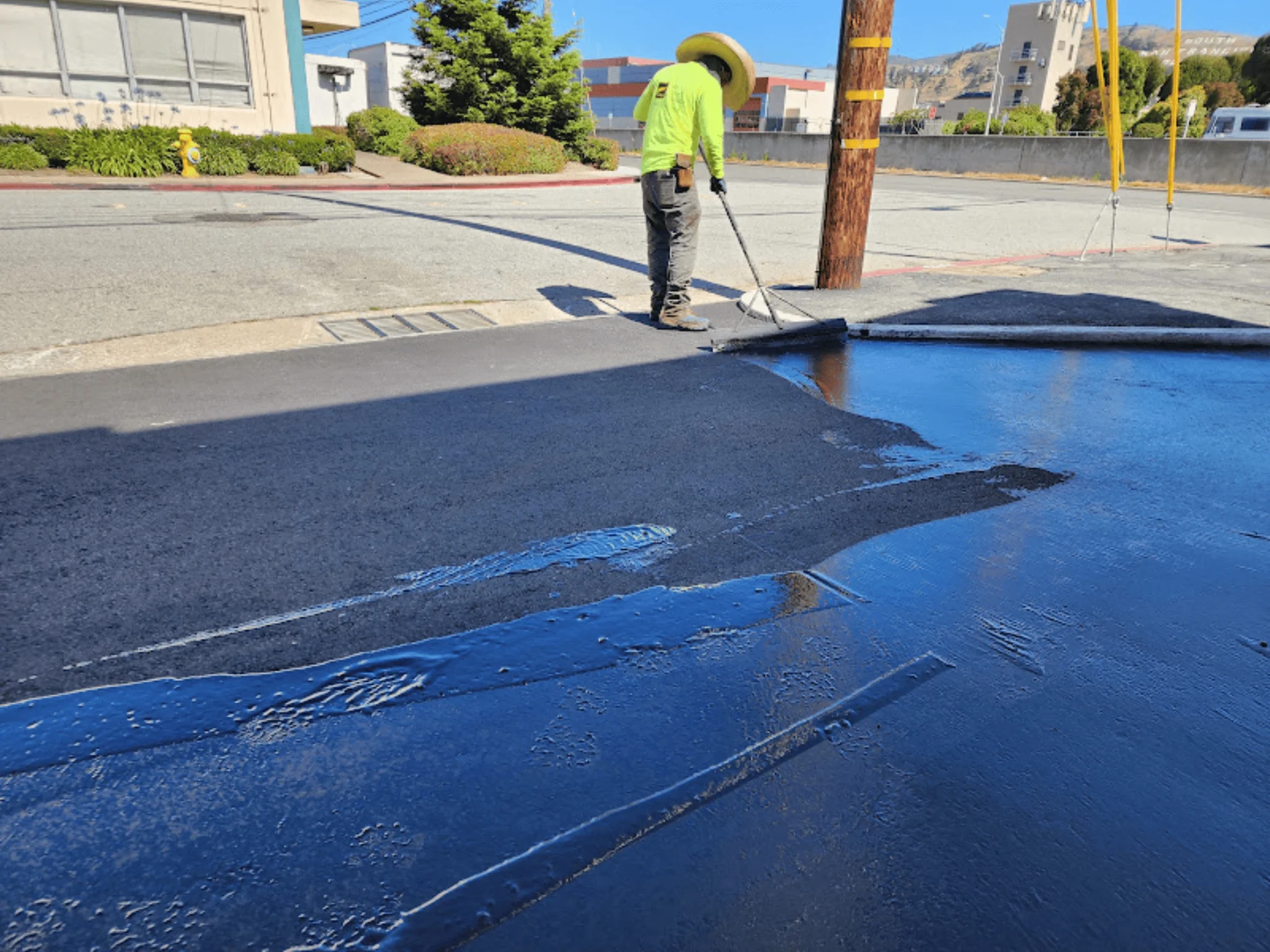
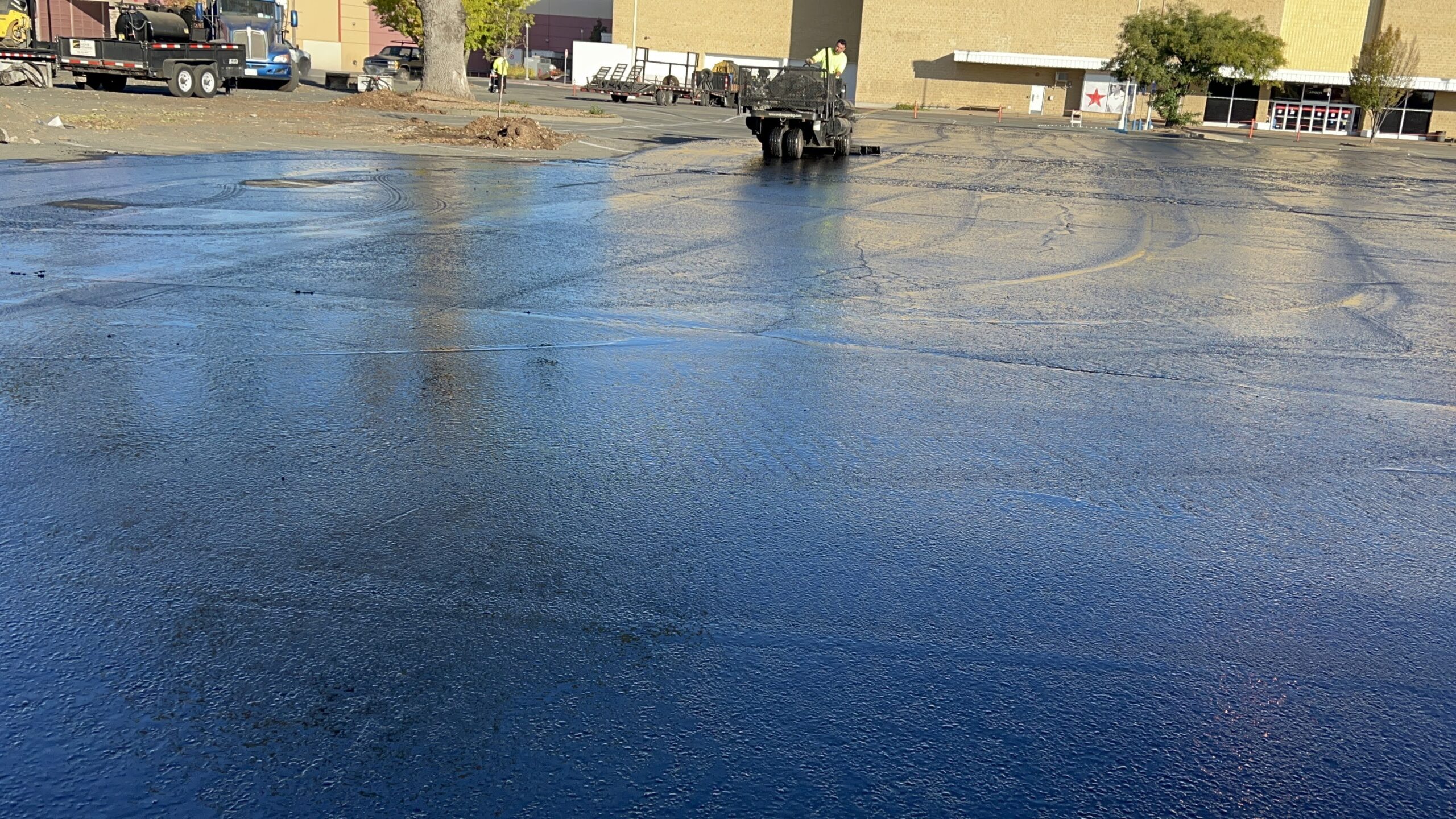
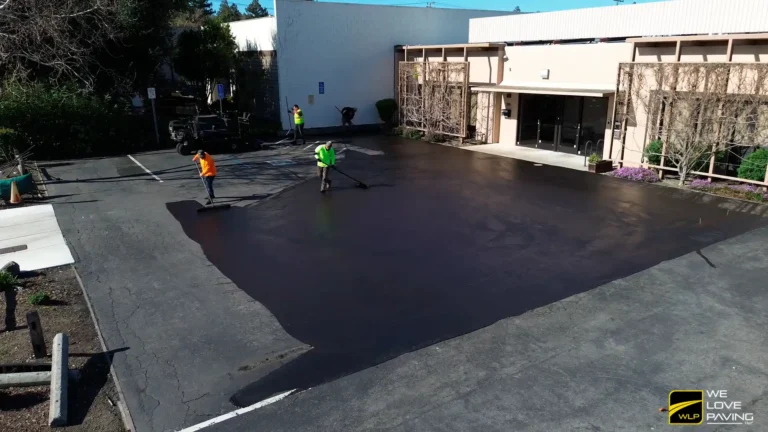
- Seal-Coating Application: Choose a suitable seal-coating material for Sacramento’s climate. Asphalt emulsion sealers are commonly used in this region due to their flexibility and resistance to temperature fluctuations. Apply the sealer evenly using a squeegee, brush, or spray system, following the manufacturer’s instructions.
- Drying Time: Allow the seal-coating to dry completely before allowing any traffic on the pavement. Drying times may vary depending on weather conditions, so be sure to plan accordingly.
- Routine Maintenance: Regularly inspect your seal-coated pavement for signs of wear and damage. Perform minor touch-ups as needed and schedule periodic reapplications to maintain optimal protection.
Life Cycle Analysis: Cost Efficiency and Longevity Extension
Implementing a preventive maintenance program through seal-coating radically transforms the life cycle of road infrastructure. While untreated asphalt pavement typically exhibits critical structural failures between 12 and 15 years, the strategic application of high-quality sealants can extend this service life from 15 to 30 years or more. From a cost-efficiency perspective, the expenditure per square foot for preventive maintenance represents only a fraction of the cost of a full reconstruction or mill-and-overlay. Performing periodic applications every 3 to 5 years allows Sacramento property owners to avoid expensive repairs to the base and sub-base layers. This strategy not only maximizes Return on Investment (ROI) but also enhances the asset’s sustainability profile by reducing the carbon footprint associated with new asphalt mix production, ensuring optimal long-term performance.
The Future of Your Pavement: Support and Guaranteed Durability
Achieving true Durability to Improve Pavement Performance in Sacramento requires more than a standard application; it demands a technical commitment to quality. At We Love Paving, we understand that seal-coating is your property’s first line of defense against California’s harsh climate. Therefore, we don’t just deliver aesthetically superior results; we back every project with our We Love Paving Satisfaction Guarantee.