San Jose, California, often referred to as the heart of Silicon Valley, boasts a vibrant community and a bustling urban landscape. Amidst the city’s modern skyline and tech-savvy atmosphere, the infrastructure that underpins daily life often goes unnoticed. Yet, one crucial aspect of urban infrastructure that impacts every resident and visitor alike is the condition of its streets. Who bears the responsibility for maintaining and paving these vital thoroughfares in San Jose? Let’s delve into the intricacies of street paving in this dynamic city.
The City of San Jose’s Department of Transportation
At the forefront of street maintenance and paving initiatives in San Jose stands the City’s Department of Transportation (DOT). Tasked with managing the city’s extensive network of streets and roadways, the DOT plays a pivotal role in ensuring safe and efficient transportation for residents and commuters. Under its jurisdiction falls a spectrum of responsibilities, ranging from routine maintenance tasks like pothole repairs to large-scale projects such as street resurfacing and reconstruction.
Technical Anatomy of a Paved Road
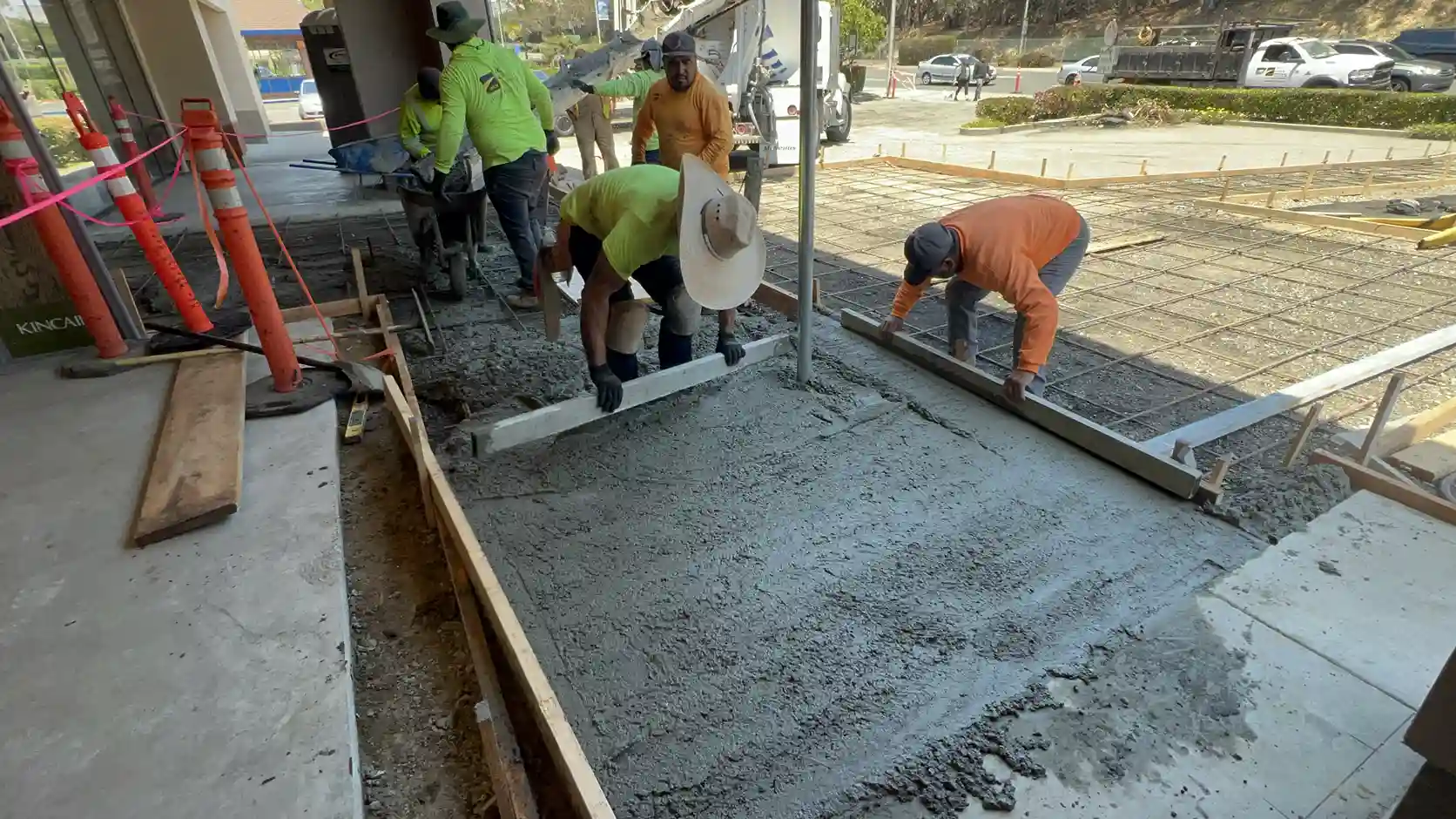
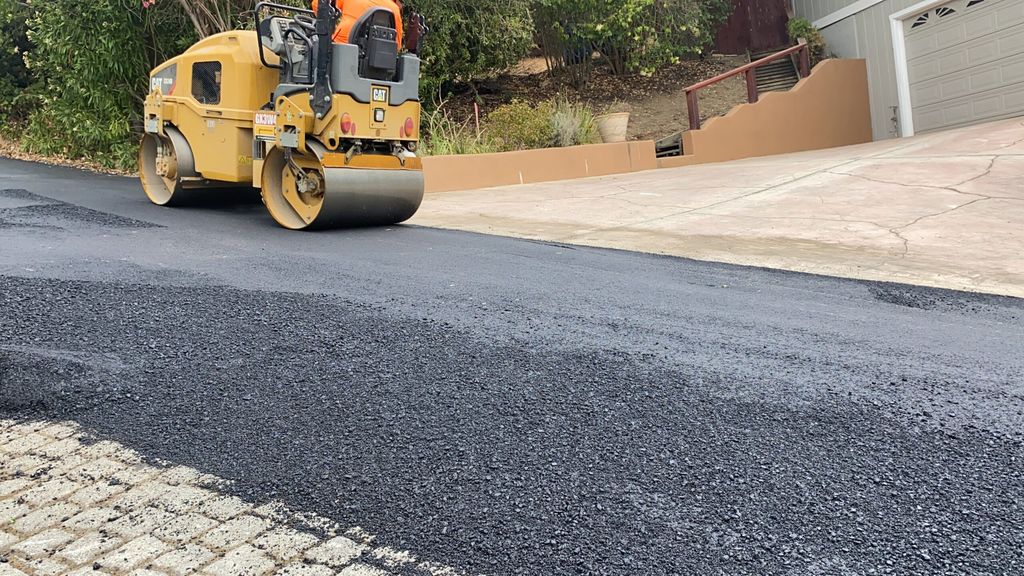
To meet San Jose’s standards, a paved road must be a multi-layered structure engineered for durability. According to road engineering criteria, the process begins with the subgrade (compacted native soil), followed by an aggregate sub-base providing structural stability. Above this sits the granular base, essential for distributing heavy loads. Finally, the wearing course (surface) is composed of Hot Mix Asphalt (HMA) or concrete, sealed to resist water infiltration. In San Jose, the DOT prioritizes high-quality materials to boost the Pavement Condition Index (PCI). Understanding this composition is crucial: a roadway is not just “asphalt,” but an engineered system ensuring that traction and fatigue resistance meet state and local safety regulations.
The Infrastructure Challenge in the Heart of Silicon Valley
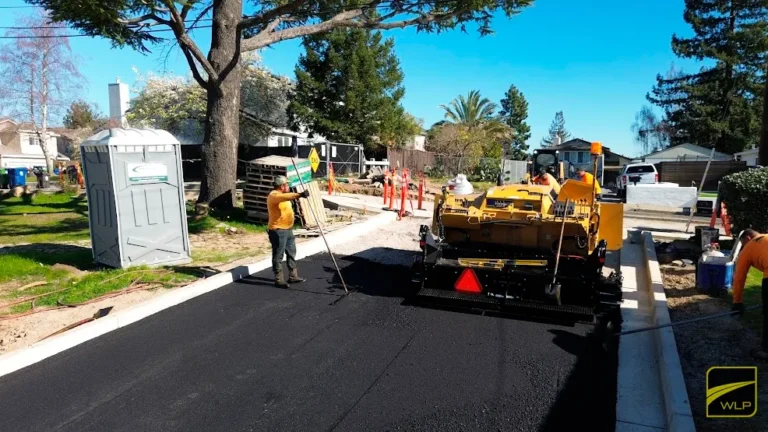
San Jose, California, is not only the global tech epicenter but also a metropolis with a massive road network exceeding 2,400 lane miles. Unlike smaller Bay Area towns, San Jose’s scale demands unprecedented logistical precision. The integrity of its paved roads serves as the circulatory system that allows talent to flow toward leading enterprises. However, maintaining this “paved road” standard in such a dense urban environment presents unique challenges, from pavement management in high-congestion districts to adapting to Northern California’s climate variations. Correctively identifying those responsible for this infrastructure is vital for public safety and property value, ensuring the capital of Silicon Valley remains competitive through efficient and modern mobility.
Collaboration with Public Works Department
While the DOT spearheads street paving efforts, it collaborates closely with the Public Works Department to streamline operations and maximize efficiency. The Public Works Department oversees various aspects of infrastructure maintenance, including sewer systems, public buildings, and, crucially, the city’s street infrastructure. This collaboration ensures a coordinated approach to street paving projects, leveraging resources and expertise from both departments for optimal results.
Funding Mechanisms: A critical aspect of street paving in San Jose, like in any city, is funding. Sourcing the necessary finances to undertake paving projects requires a delicate balance of budget allocation, grant procurement, and strategic planning. The city often relies on a combination of local taxes, state and federal grants, and dedicated funding initiatives to support its street paving endeavors. These funds are allocated based on factors such as pavement condition assessments, traffic volume, and community priorities.
Community Engagement and Feedback
In a city as diverse and dynamic as San Jose, community engagement plays a vital role in shaping street paving priorities. The city regularly solicits feedback from residents, businesses, and community stakeholders to identify areas in need of improvement and prioritize paving projects accordingly. Public input helps ensure that street paving initiatives align with the needs and preferences of the communities they serve, fostering a sense of ownership and collaboration.
Private Sector Involvement
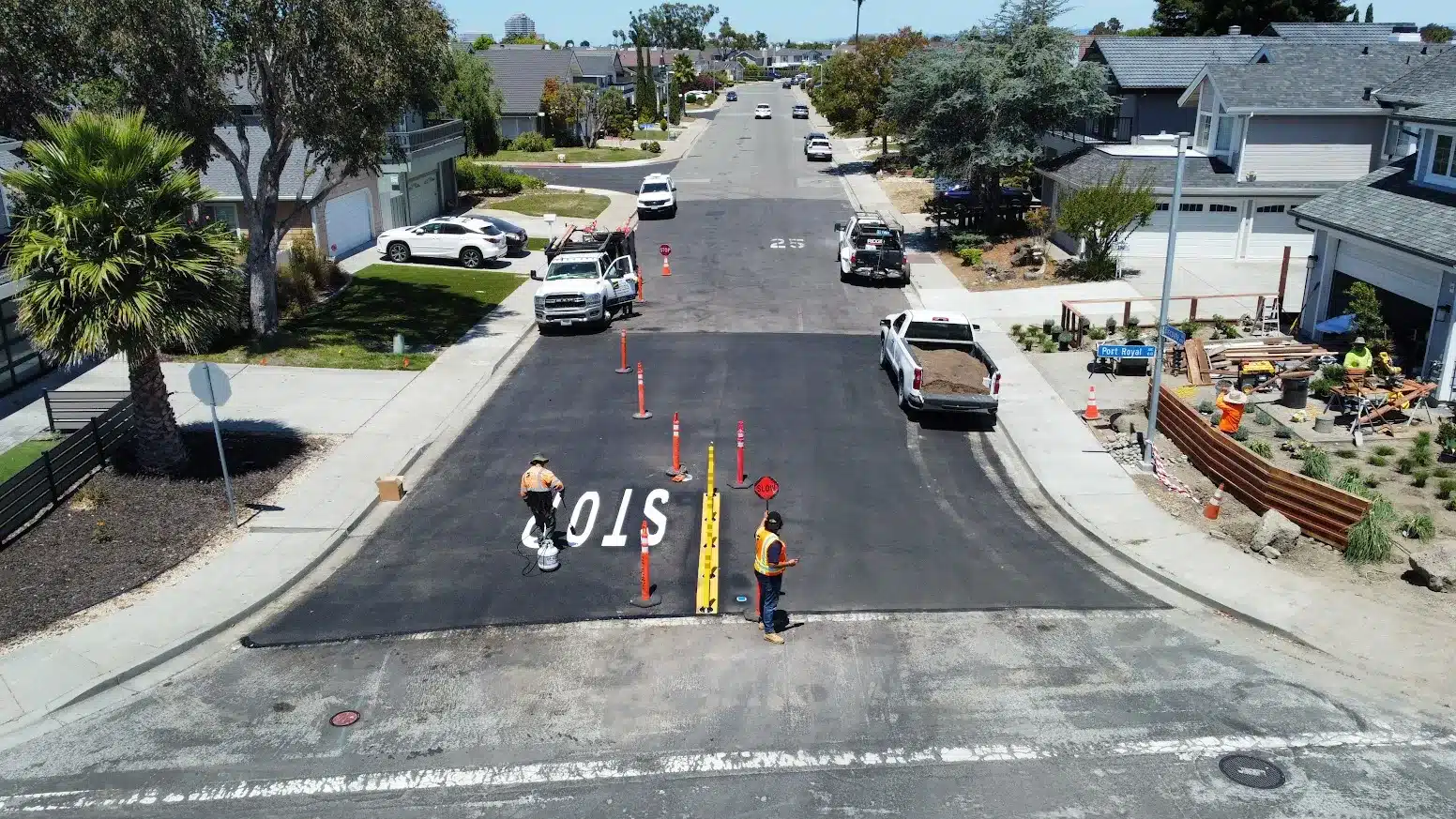
Beyond governmental agencies, the private sector also plays a significant role in street paving efforts in San Jose. Contractors and construction firms are often enlisted to carry out paving projects, leveraging their expertise and resources to execute projects efficiently. Public-private partnerships may also come into play, particularly for larger-scale initiatives that require substantial investment and specialized capabilities.
The Road Ahead: Building a Smoother San Jose Together
Navigating the complexities of urban infrastructure management in San Jose is about more than just pouring asphalt, it’s about a shared commitment to excellence that we live and breathe. Maintaining our city’s streets isn’t a solo act; it’s a synchronized effort between the Department of Transportation, Public Works, and private sector experts who, like all of us at We Love Paving, know that every lane mile matters. From strategic funding to community feedback, every pothole filled and every street resurfaced is a milestone toward a safer, more connected community. Ultimately, our goal is clear: ensuring the heart of Silicon Valley has the rock-solid foundation its residents deserve to keep moving forward, one smooth road at a time.