San Francisco’s unique Mediterranean climate—cool, foggy summers and mild, rainy winters—poses specific challenges for paving. From moisture management to seismic considerations, choosing the right material is key to durability and aesthetics. Here’s your guide to the best paving options for SF homes and businesses, tailored to local weather, terrain, and sustainability goals.
Key Climate Challenges for Paving in SF
- Moisture & Fog: Persistent dampness promotes mold, algae, and erosion.
- Mild Temperatures: Less thermal expansion than hotter regions, but freeze-thaw cycles are rare.
- Hilly Terrain: Slopes require slip-resistant surfaces and proper drainage.
- Seismic Activity: Materials must withstand minor shifts without cracking.
Top Paving Materials for San Francisco
1. Permeable Pavers
- Why They Shine:
- Combat SF’s rainy winters by allowing water to seep through, reducing runoff and flooding.
- Prevent algae buildup (common in foggy areas) with better drainage.
- Eco-friendly—ideal for meeting SF’s strict stormwater regulations.
- Best Uses: Driveways, walkways, patios.
- Material Options: Concrete grid pavers, porous brick, or gravel-filled systems.
2. Natural Stone (Flagstone, Bluestone)
- Why They Shine:
- Naturally slip-resistant, perfect for hilly or shaded areas prone to dampness.
- Durable and timeless, blending with SF’s historic or modern architecture.
- Low maintenance—resists mold and stains.
- Best Uses: Garden paths, courtyards, pool surrounds.
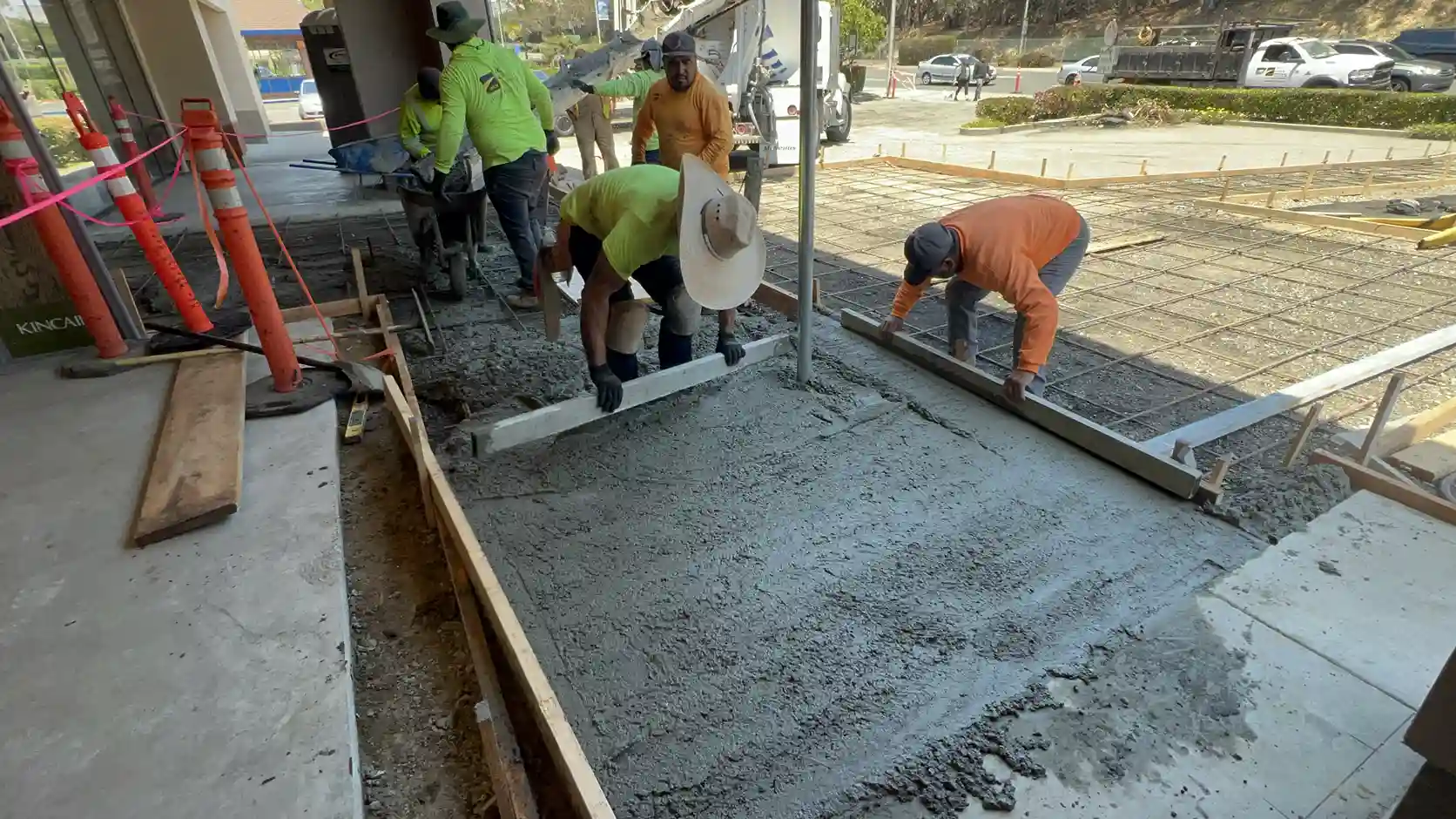
3. Concrete (Stamped or Textured)
- Why It Shines:
- Customizable with textures to improve traction on slopes.
- Affordable and long-lasting in SF’s mild climate.
- Opt for stained or stamped concrete to mimic pricier materials like stone.
- Watch Out: Seal regularly to prevent moisture absorption in rainy months.
4. Interlocking Concrete Pavers
- Why They Shine:
- Flexible design: Handle ground shifts (hello, earthquakes!) without cracking.
- Replace individual units if damaged—cost-effective for SF’s compact properties.
- Choose darker tones to hide algae stains from fog.
- Best Uses: Driveways, patios, public pathways.
5. Recycled Materials (Rubber Pavers, Glass Aggregates)
- Why They Shine:
- Eco-conscious choice for SF’s sustainability-focused residents.
- Rubber pavers are slip-resistant and cushiony—great for play areas.
- Glass aggregates add a unique, modern look to pathways.
- Best Uses: Eco-friendly projects, rooftop decks, garden accents.
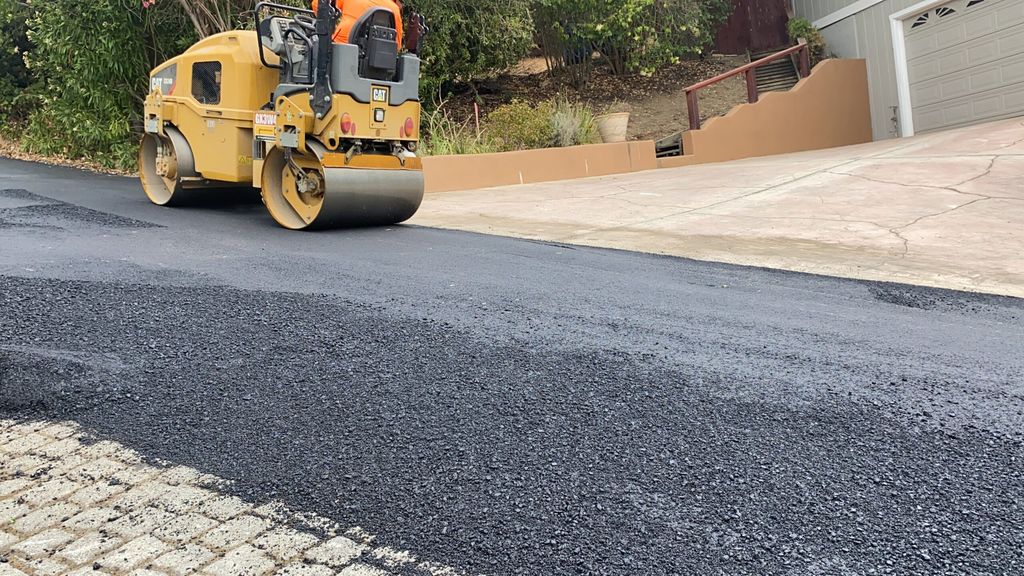
6. Asphalt (For Budget-Friendly Driveways)
- Why It Shines:
- Affordable for large areas like driveways.
- Holds up well in SF’s moderate temperatures.
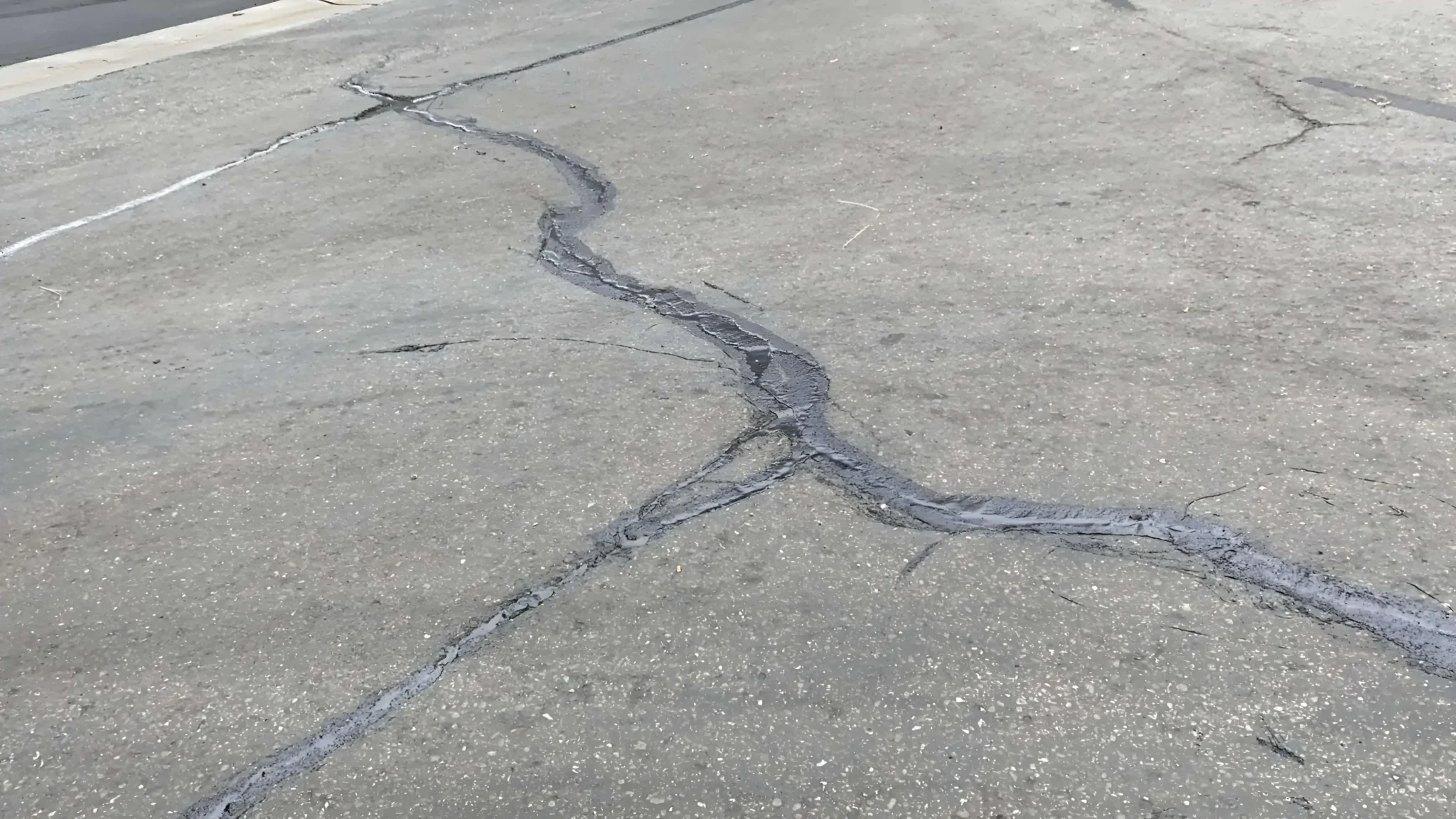
- Watch Out: Prone to oil stains and cracks over time; requires resealing every 2–3 years.
Materials to Avoid in SF
- Solid Non-Permeable Concrete: Traps water, increasing runoff and violating local stormwater codes.
- Untreated Wood Decking: Rot-prone in damp conditions.
- Smooth Tile or Polished Stone: Slippery when wet—dangerous on hills.
Local Tips for San Francisco Paving Projects
- Prioritize Drainage:
- Use permeable materials or install French drains to handle winter rains.
- Slope Solutions:
- Opt for textured pavers or stamped concrete with grip patterns for hilly driveways.
- Seismic Prep:
- Choose flexible materials (like interlocking pavers) and ensure proper sub-base compaction.
- Fog & Mold Defense:
- Clean surfaces annually with a vinegar-water mix to prevent algae.
- Avoid light-colored materials that show stains.
Sustainability & Local Regulations
- SF Stormwater Requirements: Permeable paving may be mandatory for new projects to reduce runoff.
- Rebates: Check SF Public Utilities Commission for incentives on permeable installations.
- Local Suppliers: Source recycled materials from Bay Area companies like Urban Ashes or Fireclay Tile.
Case Study: A Noe Valley Home’s Permeable Paver Transformation
- Challenge: A steep driveway causing erosion and neighborhood runoff.
- Solution: Interlocking permeable pavers with a gravel sub-base for drainage.
- Result: Reduced flooding, improved curb appeal, and compliance with SF codes.
FAQ: San Francisco Paving
Q: Do I need a permit for a new driveway in SF?
A: Yes! Most paving projects require permits, especially if altering drainage.
Q: What’s the average cost of a paver patio in SF?
A:
15–30/sq.ft., depending on materials and slope complexity.
Q: How do I prevent earthquake damage to my pavement?
A: Use flexible materials (pavers) and ensure a professionally compacted base.
Final Takeaway
San Francisco’s climate demands paving materials that balance beauty, durability, and eco-smart function. Permeable pavers and natural stone are top picks for moisture management, while interlocking concrete offers seismic resilience. Always work with a local contractor familiar with SF’s codes and microclimates!
Need Help? Contact We Love Paving for a free consultation tailored to your SF property!