Asphalt vs. Concrete: Choosing the Best Paving Solution for Your Property

ASPHALT VS. CONCRETE: CHOOSING THE BEST PAVING SOLUTION FOR YOUR PROPERTY

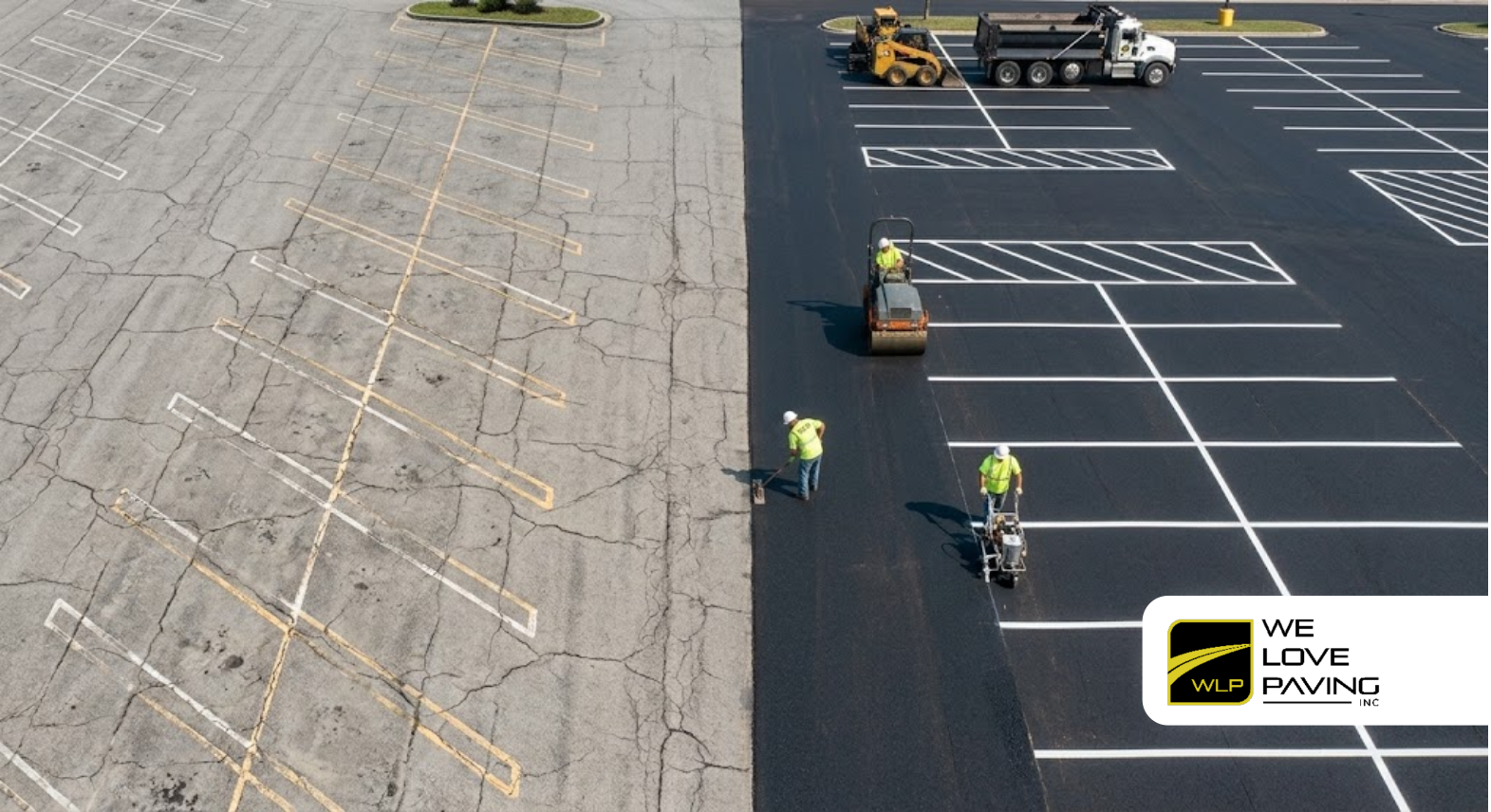
When it comes to paving solutions for your property, two primary materials stand out: asphalt and concrete. Both offer distinct advantages and potential drawbacks, depending on factors such as climate, budget, durability, and maintenance. Understanding these differences will help you make an informed decision that best suits your needs.

1. Cost Comparison

  • Asphalt: Generally, asphalt is more affordable upfront, making it a popular choice for large projects like parking lots, driveways, and roads.
  • Concrete: Costs more initially, but its longer lifespan may make it a better investment over time.

2. Durability & Longevity

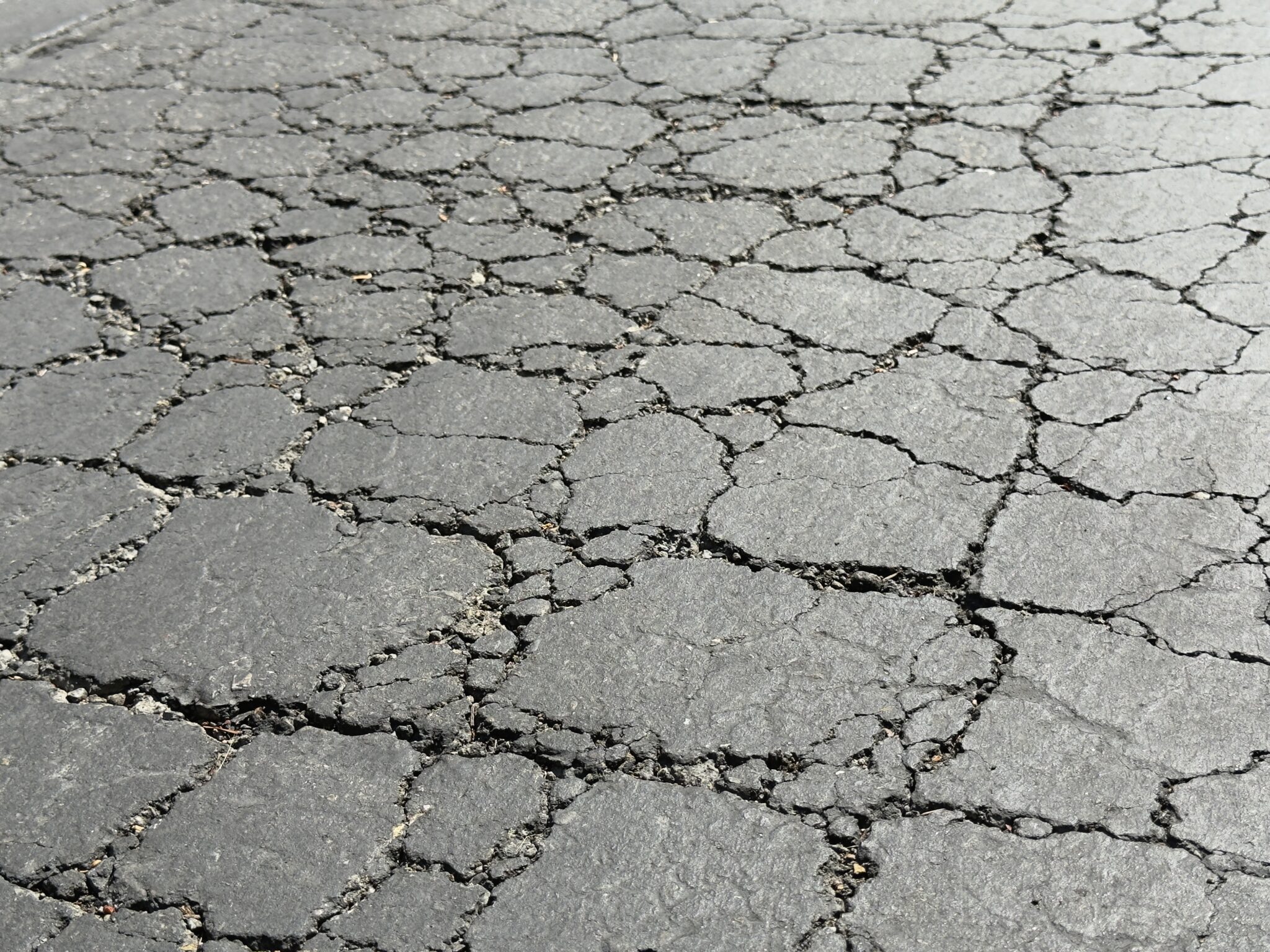
  • Asphalt: Typically lasts 15-20 years with proper maintenance. It’s more flexible, which makes it resistant to cracking in cold climates. However, it does require sealcoating every few years.
  • Concrete: Can last 30-40 years but is more prone to cracking due to freeze-thaw cycles. However, it is more resistant to heavy loads and extreme heat.

3. Maintenance Requirements

  • Asphalt: Needs periodic resealing and is more susceptible to oil spills and potholes. However, repairs are generally easier and less expensive.
  • Concrete: Requires less frequent maintenance, but when cracks or damage occur, repairs can be costly and more visible.

4. Climate Considerations

  • Asphalt: Performs better in cold climates because it can flex with temperature changes, reducing the likelihood of cracking.
  • Concrete: Holds up well in hot climates, as it does not soften like asphalt under extreme heat.

5. Aesthetic & Customization

  • Asphalt: Offers a sleek, black surface, commonly used for roads and parking lots.
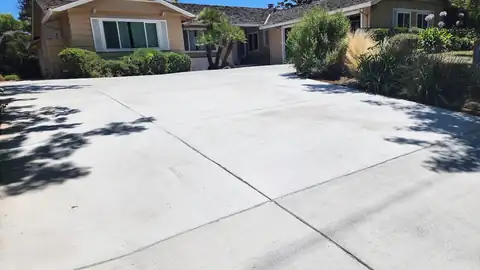
  • Concrete: Can be stamped, colored, or textured, providing more aesthetic options for decorative driveways and patios.

6. Environmental Impact

  • Asphalt: Can be recycled and reused, making it a more sustainable option in some cases.
  • Concrete: Has a higher carbon footprint in production but requires less maintenance over its lifetime.

Conclusion: Which One Is Best for You?

  • If you need an affordable and easily repairable solution, asphalt may be the best option.
  • If you prefer a long-lasting, low-maintenance, and more customizable option, concrete is the way to go.

Still unsure which paving solution fits your property best? Contact us today for a professional consultation!

Share

WHO IS FRED?

Fred, Regional Operations Manager, comes from a family of immigrant roots and a story built on sacrifice, discipline, and hard work. Growing up, Fred watched his parents work long hours and weekends to create a better future teaching him the values of perseverance, determination, and doing things the right way every single time.
We Love Paving began with Fred’s father, who started doing what he knew best: paving. Over the years, he built experience alongside respected professionals in the industry, refining his methods and developing a reputation for quality work that speaks for itself. As his clientele grew, so did the vision one built not only on skill, but on integrity and pride in every job.

Posts that might interest you

How Asphalt Actually Handles Weight

How Asphalt Actually Handles Weight

December 26, 2025

sphalt doesn’t fail because vehicles are heavy. It fails when weight is applied in ways the pavement system can no longer manage. Understanding how asphalt handles weight — and why it eventually struggles — explains most premature pavement failures far better than surface appearance ever will. Asphalt Is Designed to Flex, Not Resist Asphalt pavement

Why Appearance Doesn’t Equal Performance

Why Appearance Doesn’t Equal Performance

December 26, 2025

A parking lot can look fine and still be failing. Smooth asphalt, clean edges, and orderly striping often create a sense of confidence. If it looks good, it must be performing well — that assumption is common, and it’s also one of the most costly mistakes property owners make. Performance and appearance are not the

Why Standing Water Is a Structural Warning Sign

Why Standing Water Is a Structural Warning Sign

December 26, 2025

how Poor Water Runoff Creates Structural Stress

how Poor Water Runoff Creates Structural Stress

December 23, 2025

How Improper Slopes Create Long-Term Pavement Damage

How Improper Slopes Create Long-Term Pavement Damage

December 23, 2025

Why Standing Water Shortens Parking Lot Lifespan

Why Standing Water Shortens Parking Lot Lifespan

December 23, 2025

Why New Asphalt Can Still Fail Early

Why New Asphalt Can Still Fail Early

December 23, 2025

Why Parking Lots Fail Faster Than Property Owners Expect

Why Parking Lots Fail Faster Than Property Owners Expect

December 23, 2025

The Hidden Costs of Hiring the Wrong Paving Contractor

The Hidden Costs of Hiring the Wrong Paving Contractor

December 23, 2025

Why Cracks in Your Community Driveways Shouldn’t Be Ignored

Why Cracks in Your Community Driveways Shouldn’t Be Ignored

December 19, 2025

Next