When it comes to creating durable, aesthetically pleasing outdoor surfaces such as driveways, walkways, and patios, many homeowners and landscapers are turning to pavers as a superior alternative to concrete. While both materials have their merits, pavers offer several advantages that make them stand out. In this guide, we’ll explore the reasons why pavers are often preferred over concrete.
Design Versatility
Pavers: One of the primary benefits of using pavers is their versatility in design. Pavers come in a wide array of shapes, sizes, colors, and textures, allowing for endless design possibilities. Whether you’re aiming for a classic, contemporary, or rustic look, there’s a paver option to suit your aesthetic preferences.
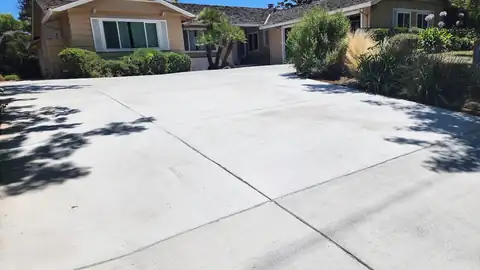
Concrete: While concrete can be colored and stamped to mimic the appearance of natural stone or brick, its design options are more limited compared to pavers. Concrete tends to have a uniform appearance, which may not offer the same level of visual interest as pavers.
Ease of Repair
Pavers: In the event of damage, such as cracking or staining, individual pavers can be easily replaced without disturbing the surrounding area. This makes repairs quick, cost-effective, and minimally disruptive. Additionally, pavers are less prone to cracking than concrete due to their flexible interlocking system, which allows for slight movement without structural damage.
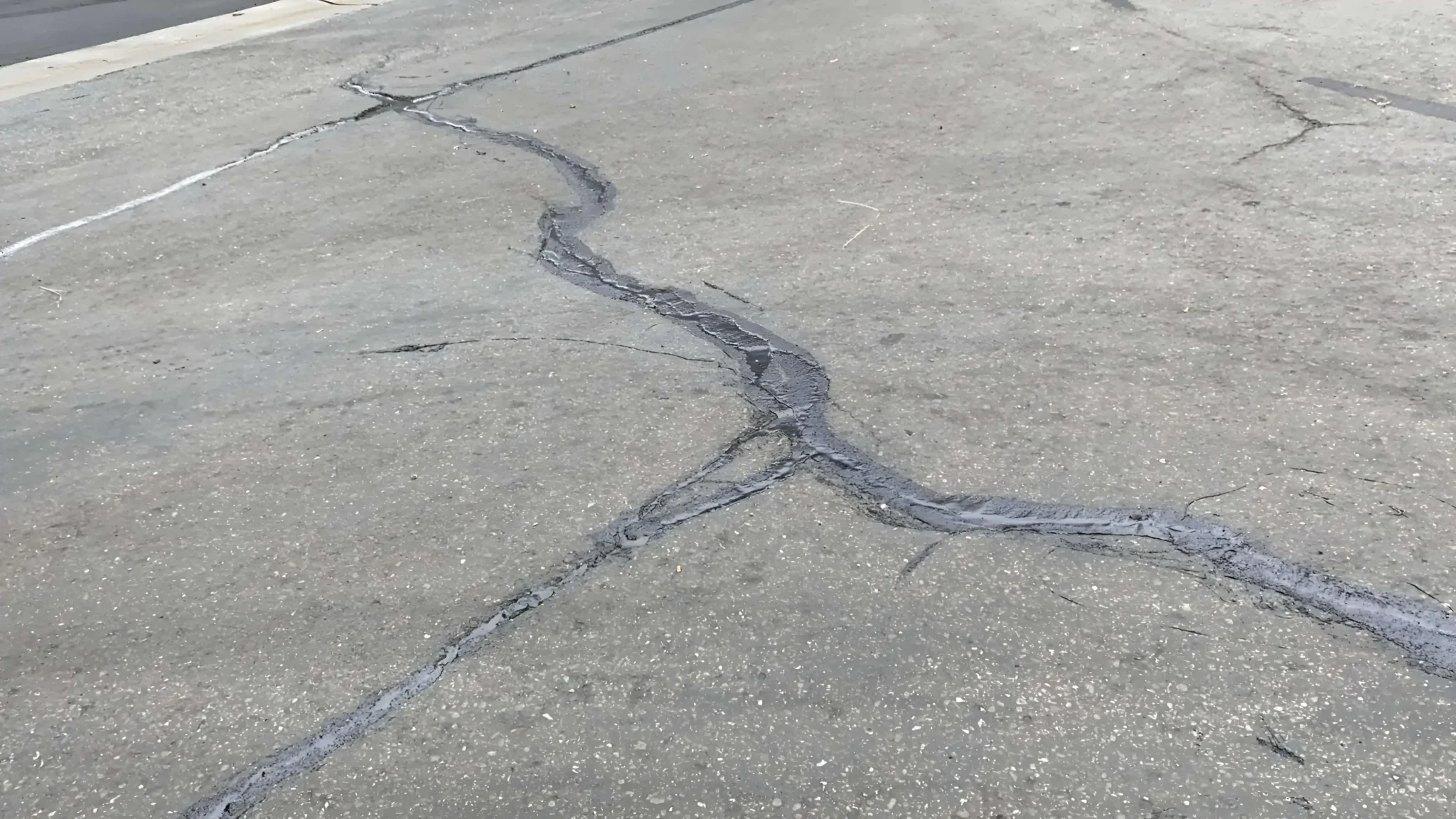
Concrete: Repairing cracked or damaged concrete can be more challenging and labor-intensive. Repouring or resurfacing large sections of concrete may be necessary, resulting in higher costs and longer downtime.
Durability
Pavers: Pavers are renowned for their durability and longevity. Made from materials such as concrete, clay, or natural stone, pavers can withstand heavy foot traffic, vehicular loads, and harsh weather conditions without deteriorating. Properly installed paver surfaces can last for decades with minimal maintenance.
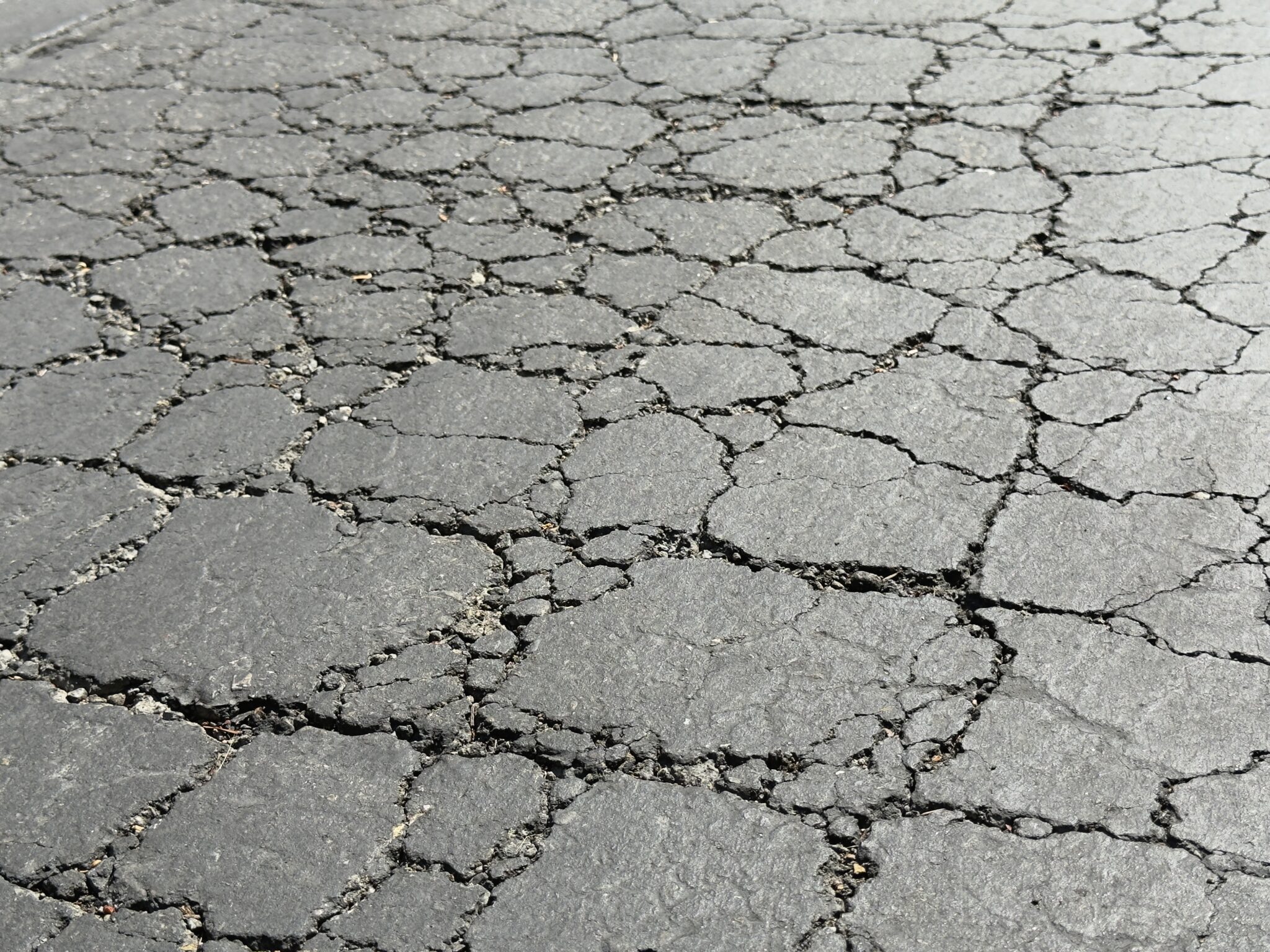
Concrete: While concrete is durable, it is susceptible to cracking over time, especially in areas with freeze-thaw cycles or heavy loads. Without proper maintenance and sealing, concrete surfaces may develop cracks, spalling, or surface discoloration.
Drainage
Pavers: Paver installations typically feature permeable joints that allow water to infiltrate the surface and drain naturally into the underlying soil. This helps prevent water pooling, erosion, and runoff, making pavers an eco-friendly choice that promotes sustainable drainage practices.
Concrete: Traditional concrete surfaces are non-permeable, meaning water cannot penetrate the surface and is more likely to pool or runoff, leading to potential drainage issues and water damage.
Cost-effectiveness
Pavers: While the upfront cost of pavers may be higher than concrete, their long-term value and lower maintenance requirements can make them a cost-effective investment over time. Additionally, the ability to replace individual pavers means you can address issues as they arise, potentially saving on repair costs down the line.
Concrete: Concrete is generally less expensive upfront than pavers, but ongoing maintenance and repair costs should be taken into account when comparing long-term expenses. Cracked or damaged concrete can be costly to repair and may require more frequent maintenance to preserve its appearance and structural integrity.
In conclusion
while both pavers and concrete have their place in outdoor hardscaping projects, pavers offer distinct advantages in terms of design flexibility, ease of repair, durability, drainage, and long-term cost-effectiveness. By weighing these factors and considering your specific needs and preferences, you can make an informed decision on whether pavers are the right choice for your next outdoor project.