Small asphalt cracks are easy to overlook until they appear in the wrong part of a property. A thin crack in a remote parking stall may look like ordinary surface aging. That same crack near accessible parking, an access aisle, a curb ramp, or a pedestrian route can carry a different level of concern for property owners.
That does not mean every crack creates an ADA compliance problem. It also does not mean a paving contractor can determine legal liability from a visual walk-through alone. But from a practical property maintenance standpoint, cracks near accessibility-related areas deserve closer attention because they may affect how people move through the site.
For property owners, ADA compliance liability is not only about signs, painted symbols, or stall counts. Parking lot conditions, pavement transitions, surface stability, access aisles, and routes to the entrance can all influence whether a property remains usable for visitors. Small asphalt cracks matter because they are often early signs that the surface is starting to change in places where access should remain predictable.
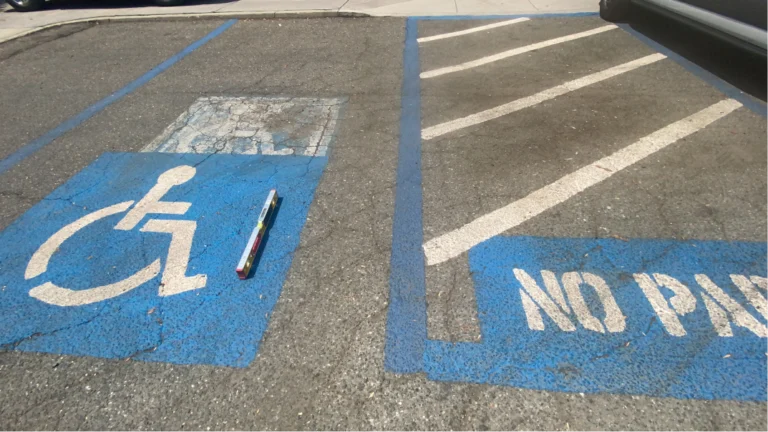
Where Small Cracks Become Accessibility Risk Signals
A crack is not just a line in the asphalt. It is a break in a surface that people drive across, walk across, roll across, or use to move between parking and the building entrance.
In a general parking area, small cracking may be a maintenance concern. Near accessible stalls, curb ramps, loading zones, access aisles, or pedestrian routes, the same cracking can become more sensitive. Property owners should pay attention to whether the crack is affecting surface stability, creating loose edges, holding water, or changing the smoothness of the route.
This matters because accessible areas are expected to function as a connected system. A stall can be properly marked, but if the surrounding pavement is breaking down, the property may still create usability concerns. An access aisle can be visible, but if cracks are widening across the area where someone exits a vehicle, the surface condition deserves review.
For owners who need a broader overview of how parking layout and accessibility connect, this guide on ADA parking lot compliance provides useful background. In this article, the focus is narrower: how small asphalt cracks can become risk signals when they appear near areas that support accessible movement.
Why Property Owners Should Watch Accessible Parking Areas Closely
Accessible parking areas work as a sequence. The driver enters the lot, identifies the stall, parks, exits into an access aisle, reaches a route, moves toward the entrance, and crosses any pavement transitions along the way. If pavement deterioration interrupts that sequence, the issue becomes more than cosmetic.
Cracks commonly deserve closer review when they appear near:
- accessible parking stalls
- access aisles
- curb ramps
- building entrance routes
- marked pedestrian paths
- low points where water collects
- pavement transitions between asphalt and concrete
- faded or confusing striping
This does not automatically establish ADA liability. The better question is whether the crack affects how someone enters, exits, or moves through the accessible portion of the property.
If accessible parking markings are fading while cracks are also appearing nearby, parking lot striping may need to be reviewed alongside the pavement condition. Treating striping as purely cosmetic can miss the bigger operational issue: markings and surface conditions often work together to guide movement through the lot.
Property owners should also recognize that ADA-related concerns are often missed because each issue looks small in isolation. A faded line, a minor crack, a small depression, or a slightly rough transition may not seem urgent. The risk grows when those small conditions overlap in the same access area.
How Cracks, Water, and Surface Movement Can Increase Risk
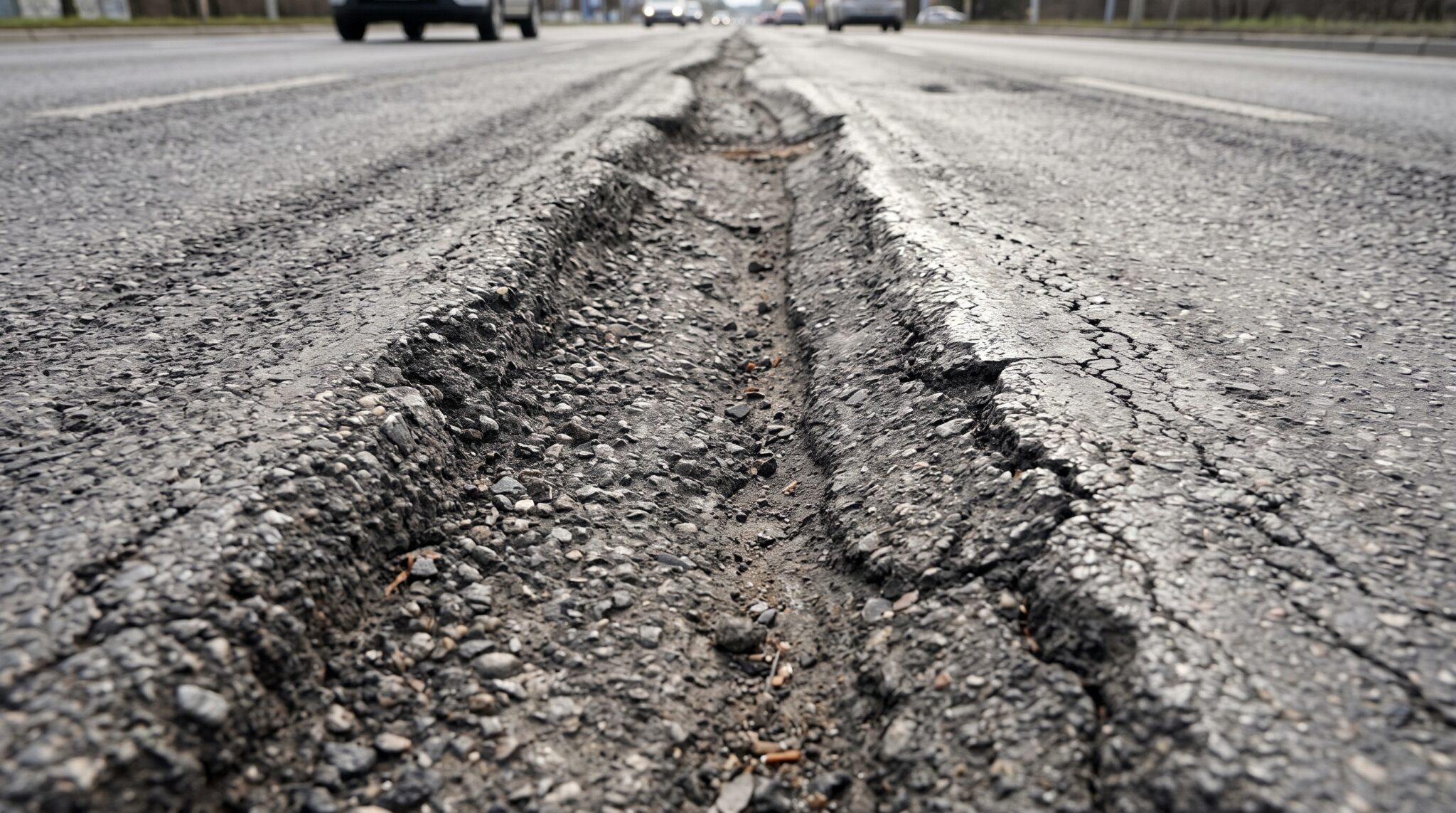
Water often turns a small asphalt crack into a larger pavement problem. Once the surface opens, moisture can reach the materials below the asphalt. Over time, that can weaken the surrounding area, loosen crack edges, and create uneven surface movement.
Near accessible routes, this matters because surface stability affects usability. A crack that holds water, widens, ravels at the edges, or begins forming a shallow depression may affect the route differently than a stable crack in a low-traffic corner of the lot.
Commercial properties often see this pattern near curb lines, catch basins, shaded areas, older patch seams, and transitions between paving materials. Those are also the areas where visitors may cross from vehicle zones into pedestrian zones.
Pavement Conditions Near Accessible Routes: What to Review
A crack does not automatically establish ADA liability or non-compliance. However, when pavement deterioration appears near accessible parking, access aisles, curb ramps, or entrance routes, property owners may need to review how the condition affects surface stability and usable access.
| Pavement Condition | Why Property Owners Should Notice It | What to Review |
|---|---|---|
| Thin crack near an accessible parking stall | A small surface opening can worsen where visitors enter or exit vehicles. | Check whether edges are loosening, widening, or collecting water. |
| Crack crossing an access aisle | The condition appears in an area people may use to move between a vehicle and the accessible route. | Review surface stability, uneven edges, and whether the crack is changing over time. |
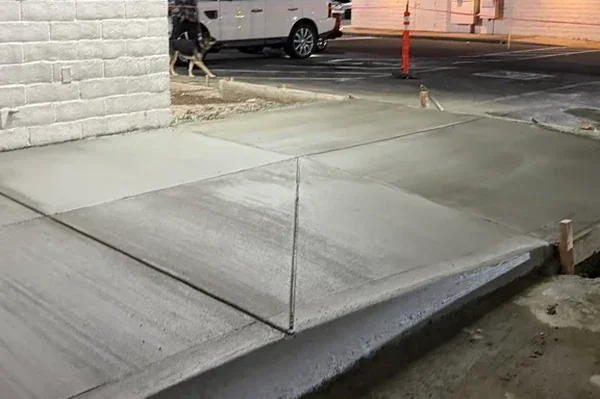
| Crack near a curb ramp or pavement transition | Transitions are already sensitive parts of the path between parking and the building entrance. | Look for settling, rough edges, or a change in how smoothly the route can be crossed. |
| Crack or depression that holds water | Recurring moisture can accelerate pavement deterioration and make surface changes more difficult to manage. | Document the area after rain and evaluate whether drainage contributes to the condition. |
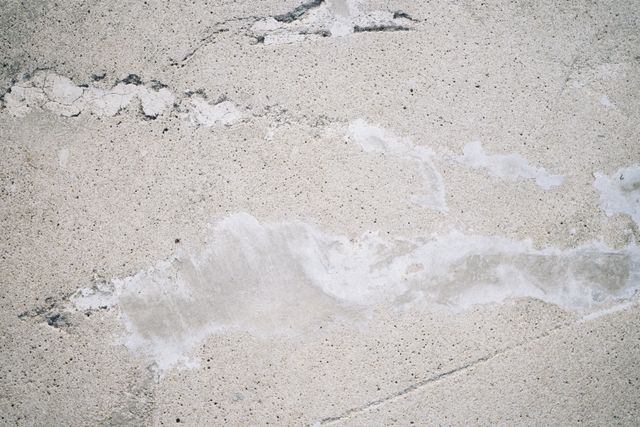
| Crumbling crack edges or raveling asphalt | It can indicate that the pavement surface is losing stability beyond a simple hairline crack. | Determine whether maintenance can address the opening before deeper deterioration develops. |
| Faded striping next to pavement deterioration | Surface condition and visible markings work together to help people understand the parking layout and route. | Review pavement repair and striping as related scope items, not as isolated cosmetic tasks. |
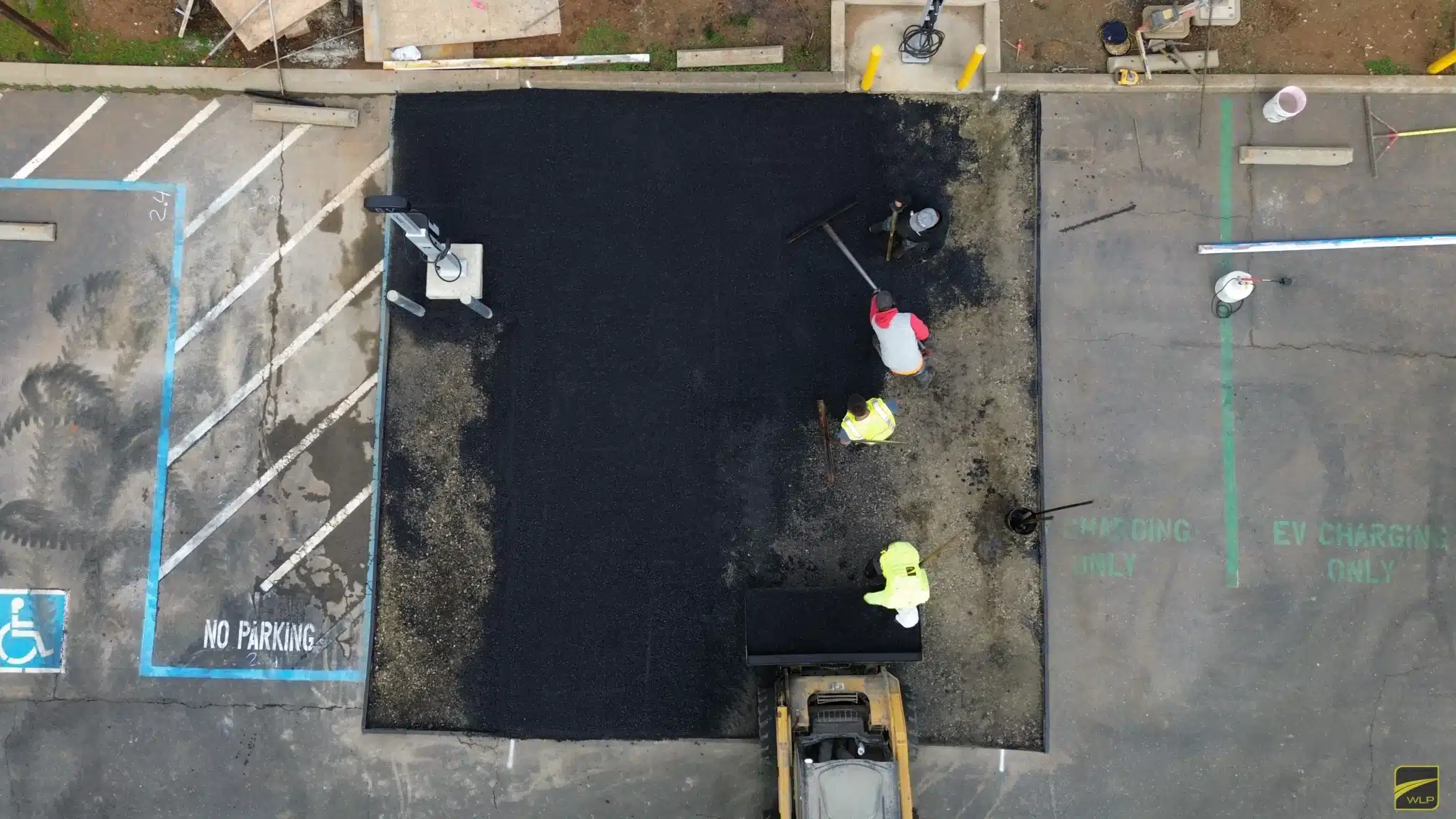
When cracks are still narrow and the surrounding pavement remains stable, asphalt crack filling may be part of a preventive maintenance plan. That does not guarantee ADA compliance, but it can help address early pavement openings before water intrusion creates deeper deterioration.
For more context on why cracks appear in the first place, this article on asphalt crack causes can help property teams understand whether cracking is tied to age, drainage, traffic stress, or pavement movement.
When Crack Maintenance Connects to ADA Planning
Property owners often think about cracks and ADA compliance as separate issues. One belongs to pavement maintenance. The other belongs to accessibility. In practice, they can overlap when surface deterioration appears in areas people depend on for accessible movement.
A small crack in an unused corner of the lot may stay low priority. A small crack crossing an access aisle may deserve faster review. A crack beside a curb ramp may need to be watched more closely than a crack in a standard parking row. A crack near a drainage low point may require attention before water makes the surface less stable.
This is where property owners need to avoid two mistakes. The first is overreacting and treating every crack as a legal emergency. The second is underreacting and assuming that cracks near accessible routes are no different from cracks anywhere else on the lot.
If the concern involves stall layout, access aisles, signage placement, curb ramps, or broader movement through the property, ADA upgrades may become part of a larger planning conversation. That should be handled carefully because practical paving upgrades are not the same thing as legal ADA certification.
A useful way to think about it is this: crack maintenance protects the pavement surface, while ADA planning protects the usability of the route. When those two overlap, property owners should evaluate the area more carefully.
Why Waiting Can Make Liability Questions Harder
The longer visible deterioration sits near accessible areas, the harder it becomes for property owners to treat it as background wear. A crack that widens over time, collects water after storms, or creates uneven pavement near an access route can raise more questions than a small isolated crack that is being monitored.
Documentation matters. Property managers should know when cracks first appeared, whether they are changing, whether water collects nearby, and whether the affected area is part of an accessible route. Photos after rain, notes from site walks, and routine pavement reviews can help owners make better maintenance decisions.
Waiting too long also reduces flexibility. Early cracks can often be reviewed during normal maintenance planning. More advanced deterioration may require faster coordination, traffic control, tenant communication, or broader repair planning.
For owners trying to understand common blind spots, this article on ADA compliance issues is relevant because many accessibility concerns become visible only after several small site conditions begin working together.
For ADA compliance liability for property owners, the issue is not only whether a problem exists today. It is whether visible warning signs are being ignored in areas where access matters most.
A Practical Way to Review Cracks Near Accessible Routes
The most useful review starts from the visitor’s point of view. Begin where someone enters the property, then follow the path to accessible parking, the access aisle, the curb ramp, and the building entrance. Look at how the pavement behaves in the places people actually use.
Pay attention to cracks that cross a route, sit near transitions, collect water, loosen at the edges, or appear next to faded markings. Review whether the surface still feels stable and readable, not just whether the asphalt is technically passable.
A property owner does not need to treat every crack as a crisis. But cracks near accessible routes should not be dismissed as ordinary background wear. Their location changes the context.
At We Love Paving, we look at pavement conditions through a practical property maintenance lens: where access depends on surface stability, where water is changing the lot, where markings and pavement condition overlap, and where small cracks may become bigger operational concerns.