Commercial asphalt paving projects often look straightforward once the finished surface is in place. What many property owners and facility managers do not see is how much of the pavement’s long-term performance depends on the preparation underneath it.
The asphalt process is not simply about laying black material across a parking lot. Drainage planning, grading accuracy, compaction quality, traffic expectations, and sequencing all influence how the pavement will behave over time. Problems such as early cracking, rutting near loading zones, standing water, or edge failure frequently begin long before the final asphalt layer is installed.
For commercial properties, understanding the paving sequence helps owners make better maintenance decisions, coordinate site operations more effectively, and recognize where shortcuts can create larger repair costs later.
Site Evaluation Happens Before Any Asphalt Arrives
One of the most important phases of the asphalt process happens before paving equipment even reaches the property.
Commercial paving crews typically begin by evaluating:
- Existing pavement condition
- Drainage behavior
- Soil stability
- Traffic patterns
- Loading areas
- Elevation transitions
- Pedestrian circulation
- Access points for deliveries and emergency vehicles
Older commercial lots often reveal underlying problems during this stage. Areas with recurring ponding, repeated patching, or edge deterioration may indicate base instability rather than simple surface wear.
When pavement replacement is connected to broader circulation upgrades, issues involving markings, access aisles, or pedestrian movement may also overlap with broader discussions around parking lot striping and site usability.
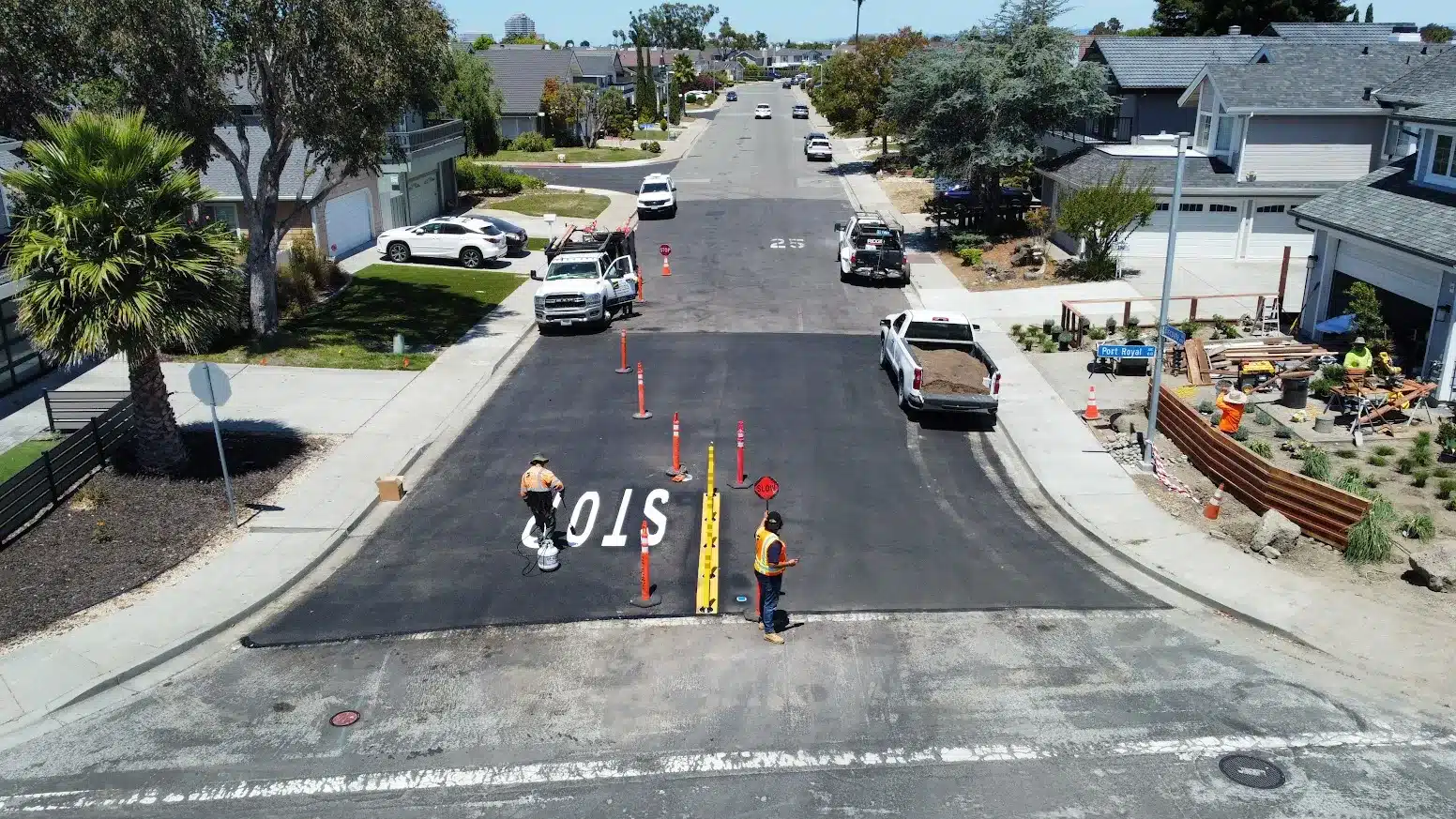
For larger commercial properties, staging and traffic management can become just as important as the paving itself. Retail centers, HOAs, warehouses, and medical facilities frequently require phased work so sections of the property remain operational during construction.
Demolition and Surface Removal Set the Foundation
If the existing pavement has widespread structural deterioration, crews may remove the damaged asphalt before rebuilding begins.
This phase can involve:
| Asphalt Removal Stage | Purpose |
|---|---|
| Milling damaged asphalt | Removes deteriorated surface layers |
| Full-depth removal | Addresses deeper pavement failure |
| Base inspection | Identifies unstable or saturated areas |
| Regrading | Restores proper drainage flow |
| Edge rebuilding | Strengthens perimeter pavement areas |
Not every project requires full reconstruction. Some parking lots only need resurfacing, while others need extensive base repair beneath high-stress traffic areas.
This distinction matters because cosmetic improvements alone rarely solve structural issues underneath the surface. A freshly paved lot may still deteriorate prematurely if unstable subgrade conditions remain unresolved.
In commercial environments with delivery traffic or heavy turning movement, sub-base performance becomes especially important near entrances, dumpsters, loading areas, and drive aisles.
Where pavement fatigue appears alongside recurring cracking and oxidation, conversations about long-term surface protection often extend into broader sealcoating planning rather than isolated patch repairs.
Base Preparation Often Determines Pavement Lifespan
Base preparation is one of the least visible but most important parts of the asphalt process.
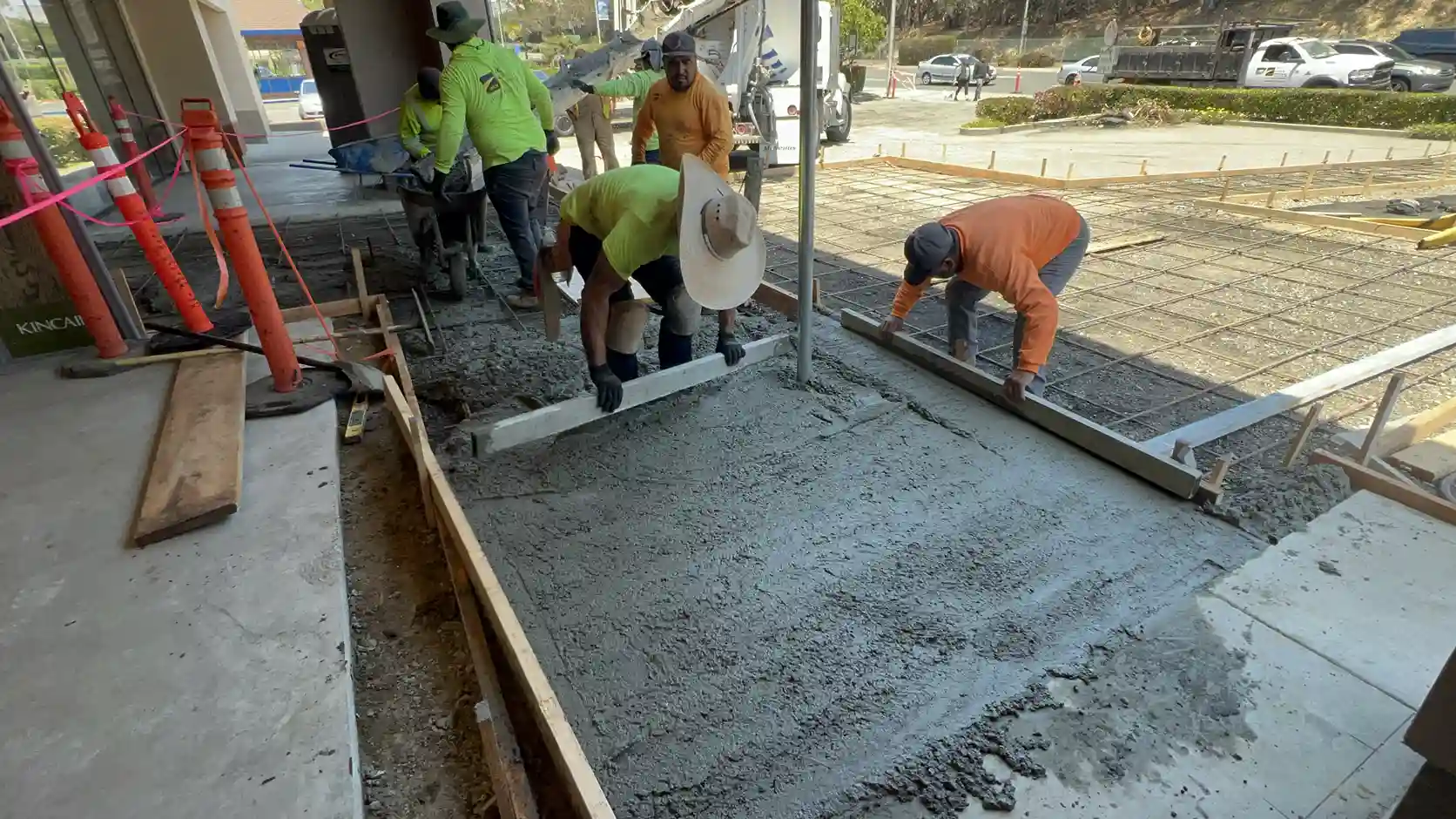
After demolition and grading, crews typically install or repair aggregate base material that supports the asphalt above it. Proper compaction helps reduce future shifting, settlement, and surface deformation.
Poor drainage is one of the biggest threats during this stage. Water infiltration beneath asphalt can weaken support layers over time, particularly in parking lots exposed to irrigation runoff, stormwater concentration, or repeated vehicle loading.
For commercial property managers, drainage-related pavement problems often appear gradually:
- Water collecting near curbs
- Surface depressions near catch basins
- Cracking at pavement edges
- Settlement around utility areas
- Uneven transitions between asphalt and concrete
These issues may not immediately require full replacement, but they can indicate that portions of the pavement structure should be reviewed before resurfacing occurs.
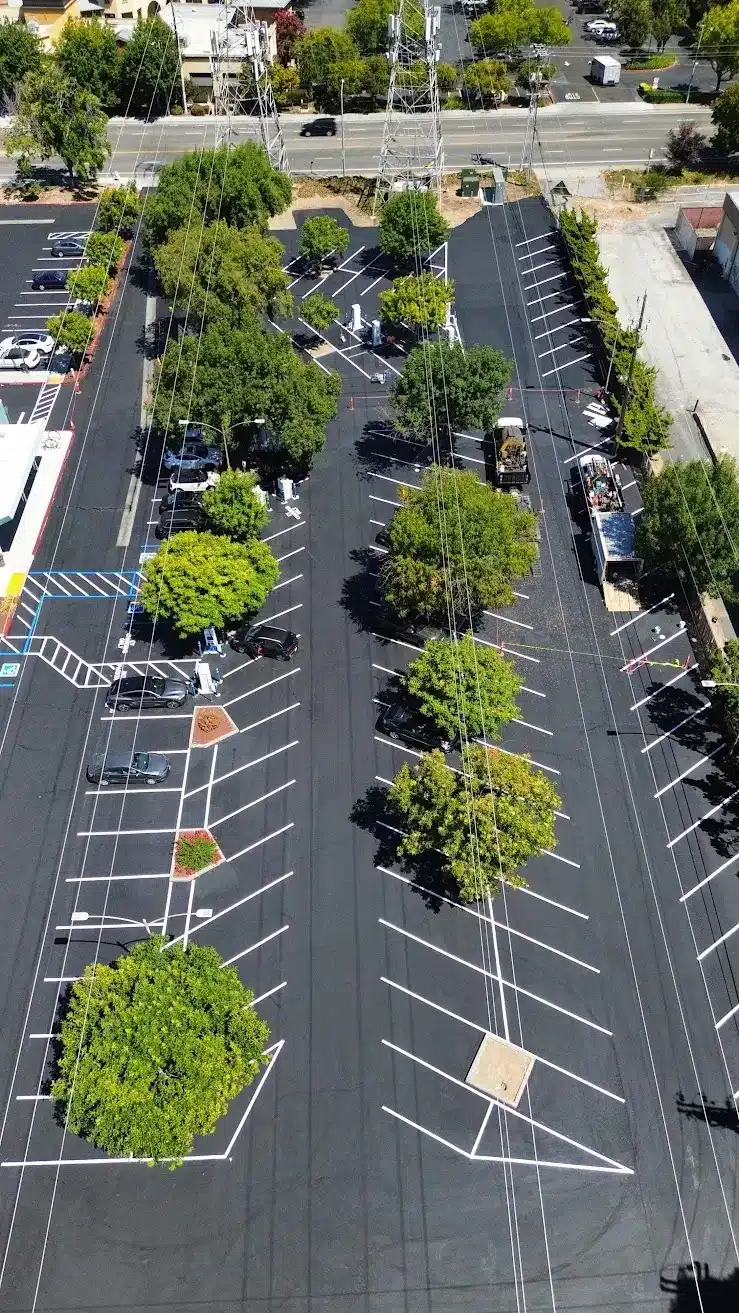
During larger commercial parking lot paving projects, grading adjustments sometimes become necessary to improve traffic flow, drainage direction, and long-term surface performance across the property.
Asphalt Installation Requires Temperature and Timing Control
Once the base is properly prepared, asphalt installation begins.
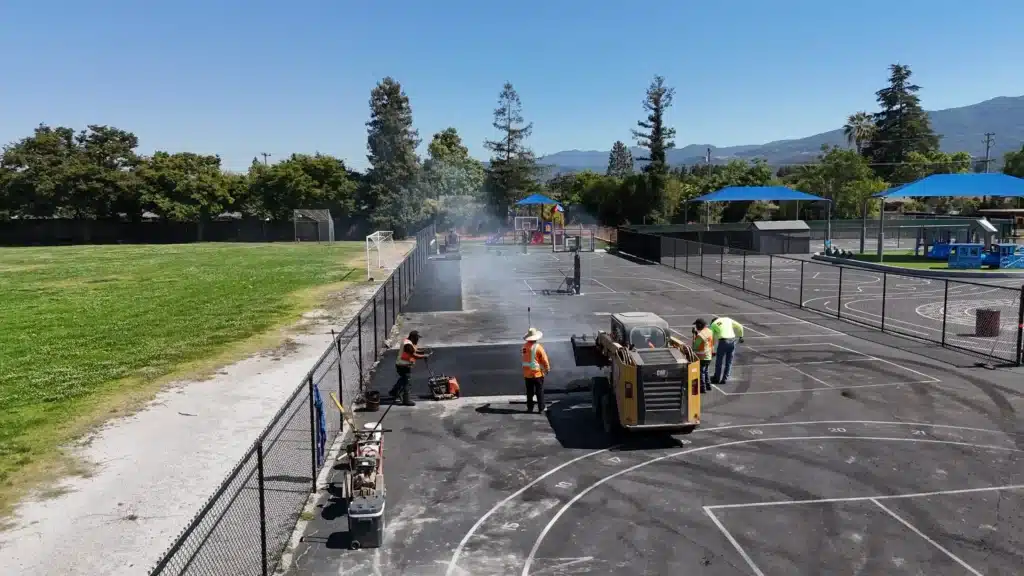
Hot mix asphalt is delivered from the plant and placed using paving equipment designed to maintain consistent thickness and surface smoothness. Timing matters during this phase because asphalt temperature affects workability and compaction quality.
Commercial paving crews typically coordinate:
- Delivery sequencing
- Paver speed
- Roller timing
- Joint alignment
- Traffic isolation
- Weather conditions
Temperature changes, excessive delays, or improper compaction can affect how well the pavement performs later under traffic loads.
Properties with continuous vehicle movement may require carefully phased paving operations. Shopping centers, apartment complexes, medical offices, and industrial facilities often cannot fully close during construction, which makes coordination especially important.
In many cases, the finished surface appearance receives most of the attention from property owners. However, smooth visual appearance alone does not necessarily reflect proper density or structural quality underneath.
That distinction becomes important when evaluating long-term pavement durability rather than short-term curb appeal.
Compaction and Finishing Influence Long-Term Performance
Compaction is one of the final critical stages in the asphalt process.
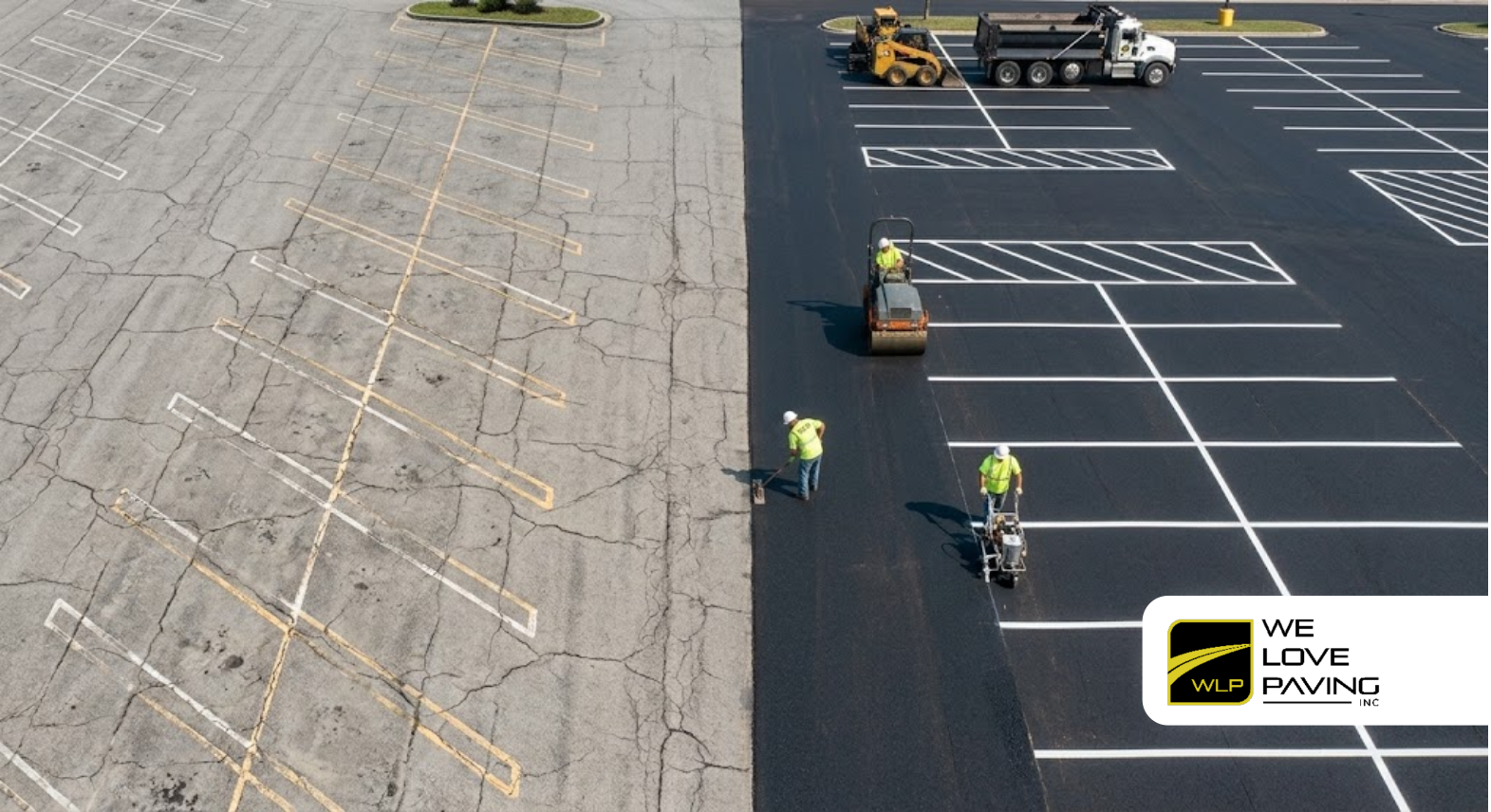
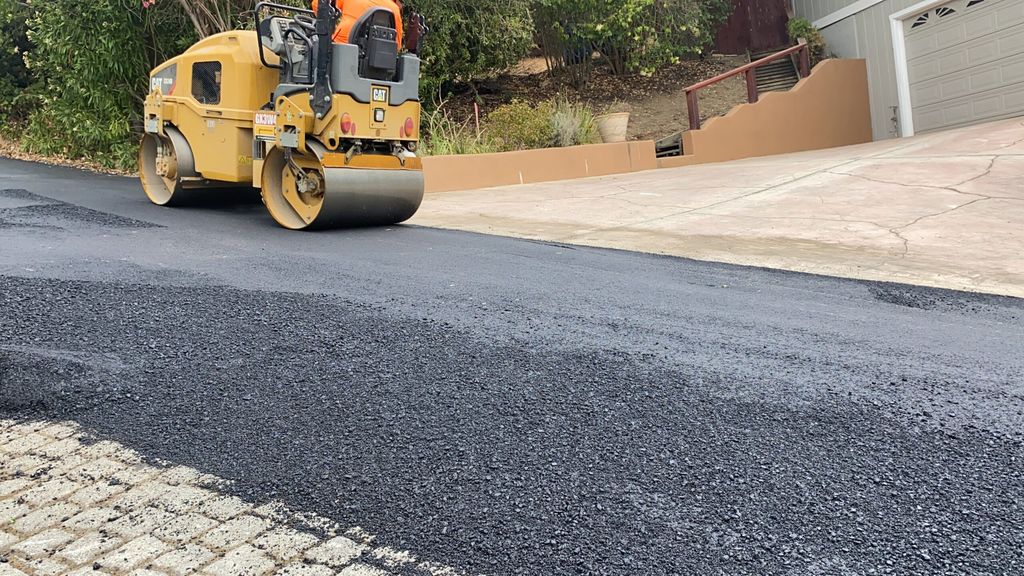
Rollers compact the asphalt to improve density, reduce air voids, and strengthen the pavement structure. Inconsistent compaction can contribute to premature cracking, water penetration, or rutting under repeated traffic loads.
High-stress commercial areas deserve particular attention during finishing operations, including:
- Loading zones
- Delivery entrances
- Drive-through lanes
- Sharp turning areas
- Bus or service vehicle paths
These sections experience concentrated stress that can accelerate deterioration if the pavement structure is insufficient.
After compaction, crews may complete additional finishing work such as:
- Striping
- Pavement markings
- Bollard installation
- Wheel stops
- Drainage adjustments
- Accessible parking markings
Where pedestrian routes, access aisles, and surface transitions intersect with circulation planning, broader conversations around ADA parking lot compliance may become part of evaluating overall site functionality.
The final appearance of a parking lot often receives immediate attention from tenants and visitors, but long-term durability depends more heavily on the hidden preparation stages completed earlier in the project.
Asphalt Maintenance Begins Soon After Installation
New asphalt is not maintenance-free simply because it is newly installed.
Commercial pavement begins aging immediately through exposure to:
- UV radiation
- Water infiltration
- Oil and fuel exposure
- Tire friction
- Heavy vehicle loading
- Seasonal temperature changes
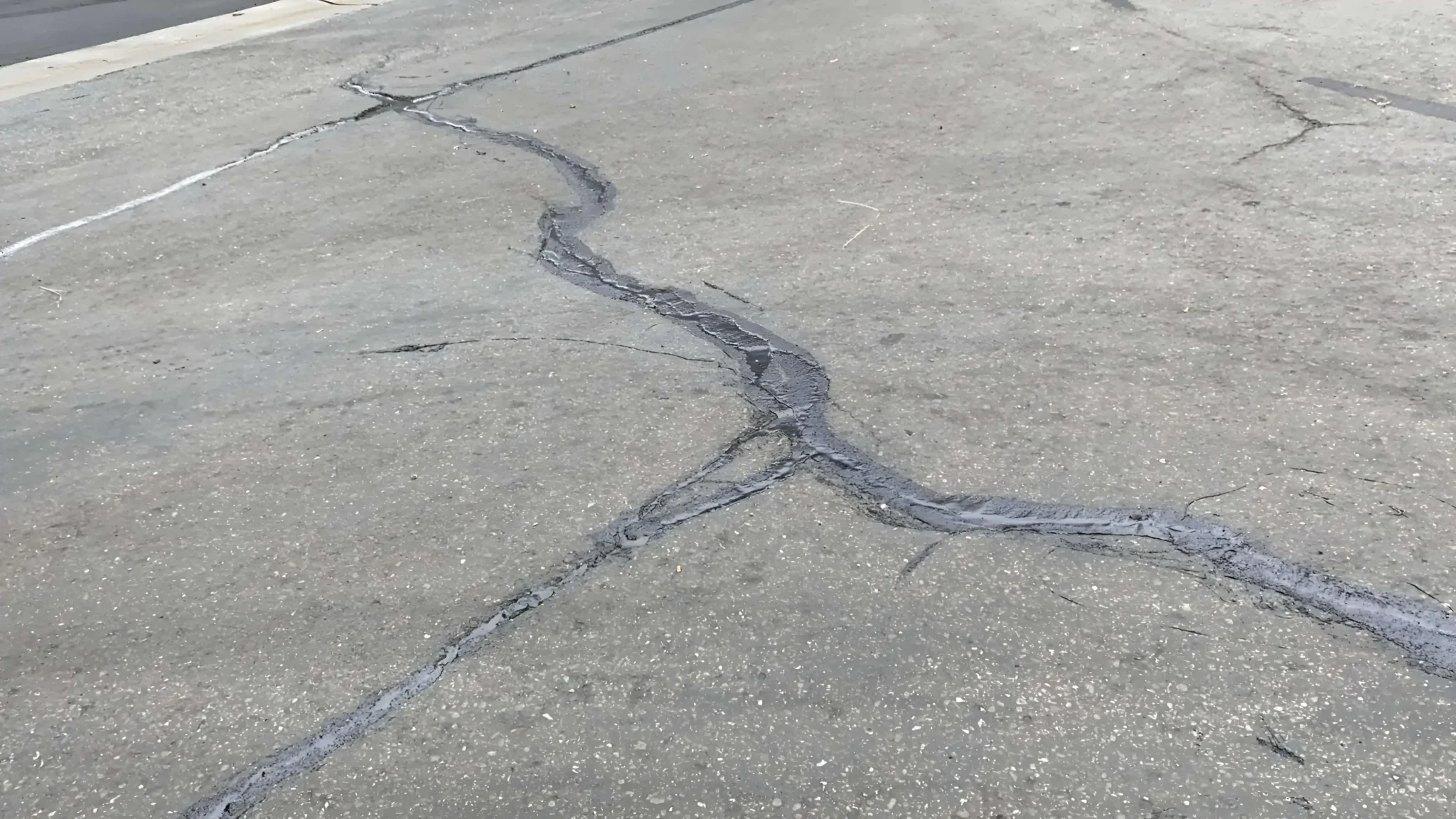
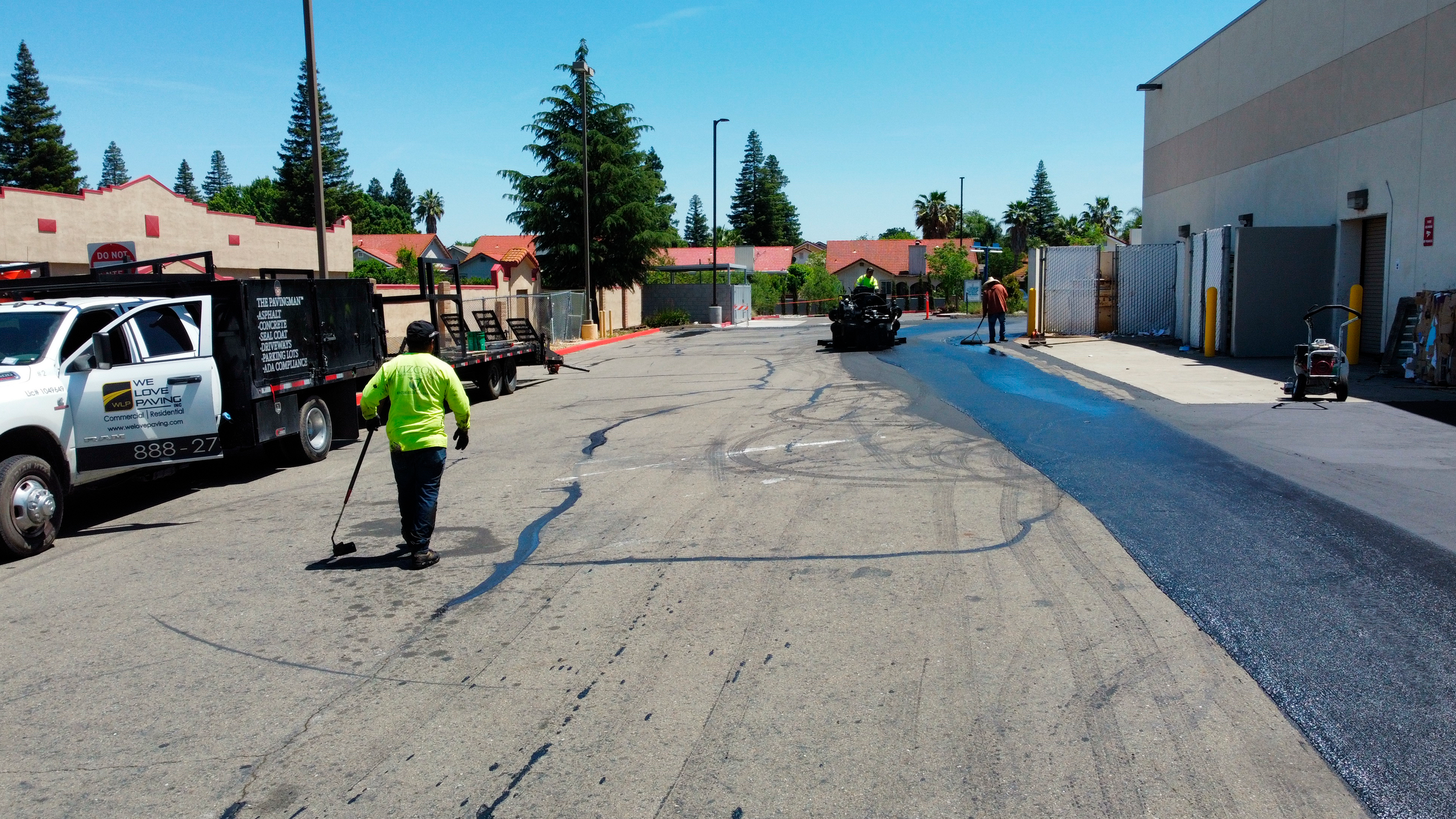
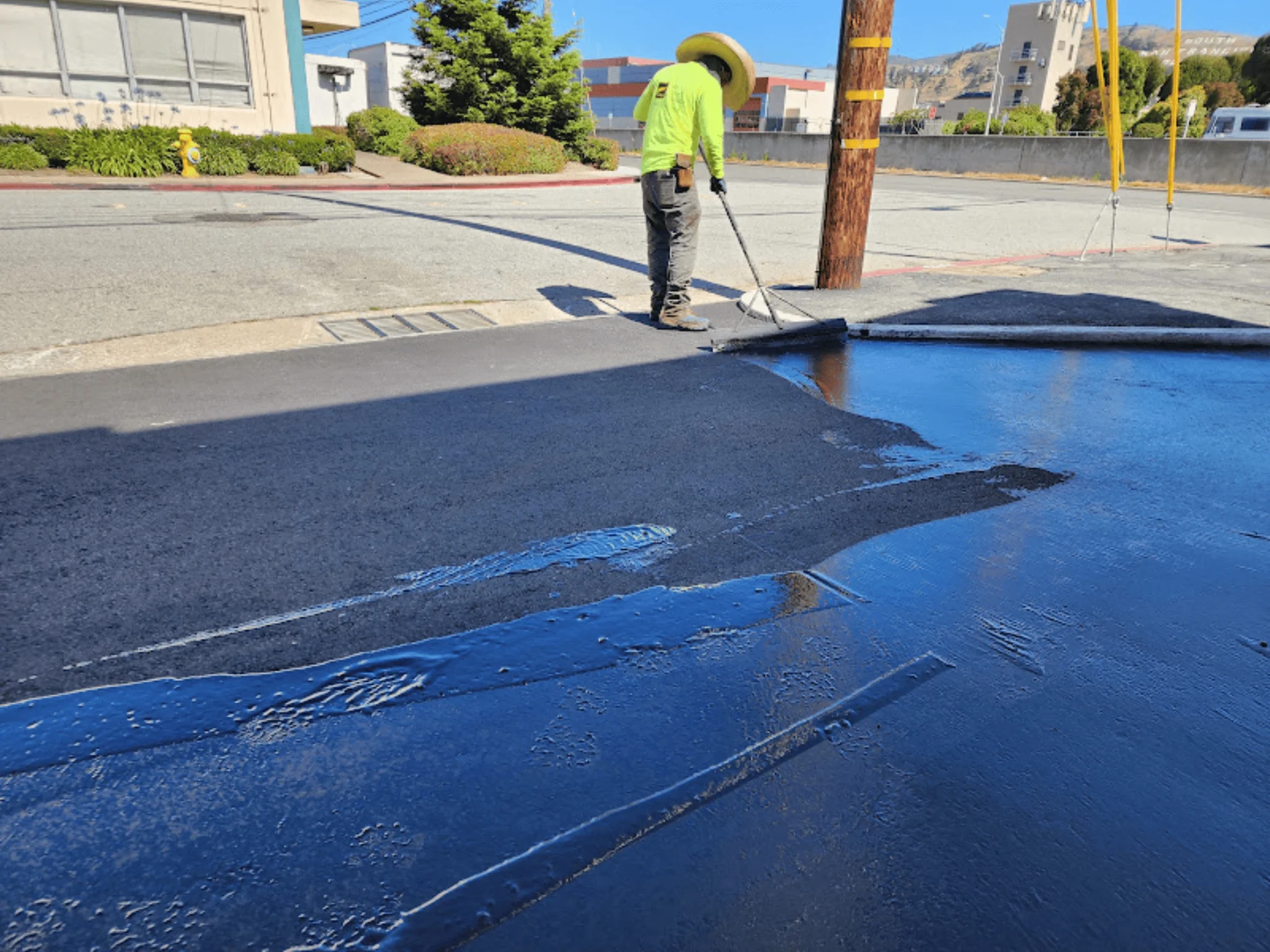
Preventive maintenance planning usually starts shortly after installation. Crack sealing, surface cleaning, and periodic protective treatments can help slow deterioration before structural damage develops.
Properties that postpone maintenance too long often move from manageable surface preservation into larger repair cycles involving patching, resurfacing, or reconstruction.
This is one reason many property managers view pavement as a long-term asset rather than a one-time construction expense.
For owners evaluating pavement lifespan expectations, understanding how asphalt paving connects with maintenance timing can provide a more realistic picture of long-term operating costs.
Operational durability also depends on how the pavement interacts with traffic circulation, drainage behavior, markings, and routine property maintenance practices across the site.
Looking Beyond the Surface Appearance
A commercial asphalt project involves far more than the final blacktop surface drivers see after construction ends.
Drainage preparation, grading accuracy, compaction quality, traffic planning, and long-term maintenance strategy all shape how the pavement performs over time. Small shortcuts during early stages of the asphalt process can eventually become expensive operational problems for property owners and facility managers.
At We Love Paving, we approach commercial paving projects with attention to the full pavement lifecycle from base preparation and drainage behavior to surface usability, traffic exposure, and long-term maintenance planning. Well-performing pavement is usually the result of careful preparation, not just the final layer of asphalt.