The Tax Benefits of Updating Your Parking Lot Pavement: What You Need to Know

Concrete and ada compliance South San Francisco, CA
Estimation Tools

Calculate costs in seconds

Fast, accurate estimates that help you close more jobs. Less guesswork, more profit.

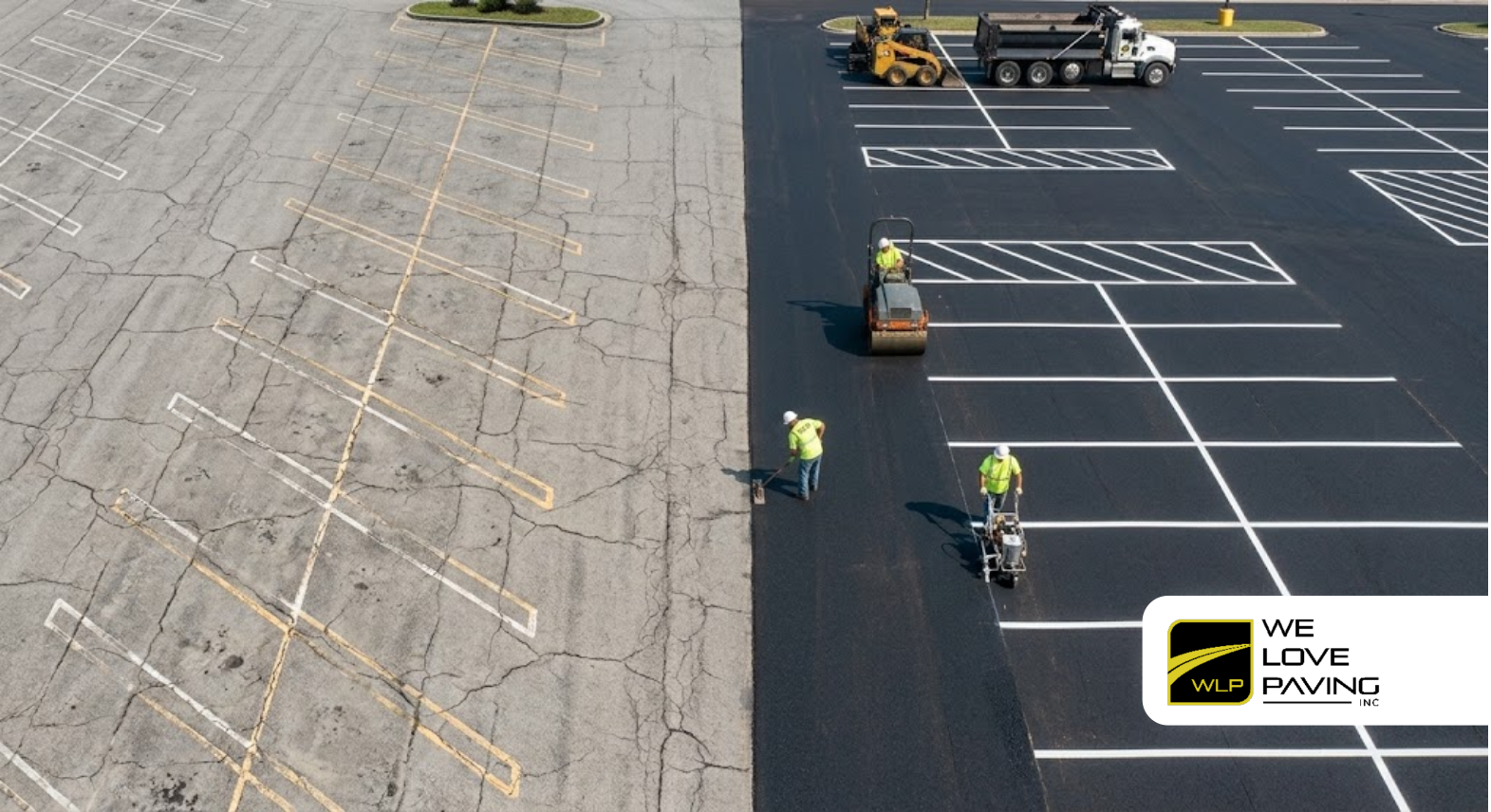
With the current economic climate, businesses are looking for every possible way to save money and improve their bottom line. One often overlooked avenue for cost savings is the tax benefits of updating your parking lot pavement. Investing in this essential infrastructure can yield significant financial advantages immediately and in the long term.

The first and perhaps most compelling reason to consider updating your parking lot pavement is the potential for tax deductions. Under Section 179 of the IRS tax code, businesses can deduct the full purchase price of qualifying equipment and software purchased or financed during the tax year. This means that expenses related to the paving, repaving, or significant improvement of your parking lot can often be written off, reducing your taxable income for the year in which the expenses occurred.

Moreover, improvements to parking lots can also qualify for bonus depreciation. This allows businesses to depreciate a percentage of the cost of the improvements in the first year. Since the tax laws are designed to encourage businesses to invest in their infrastructure, this bonus depreciation can make a substantial difference in the overall cost of your paving project.

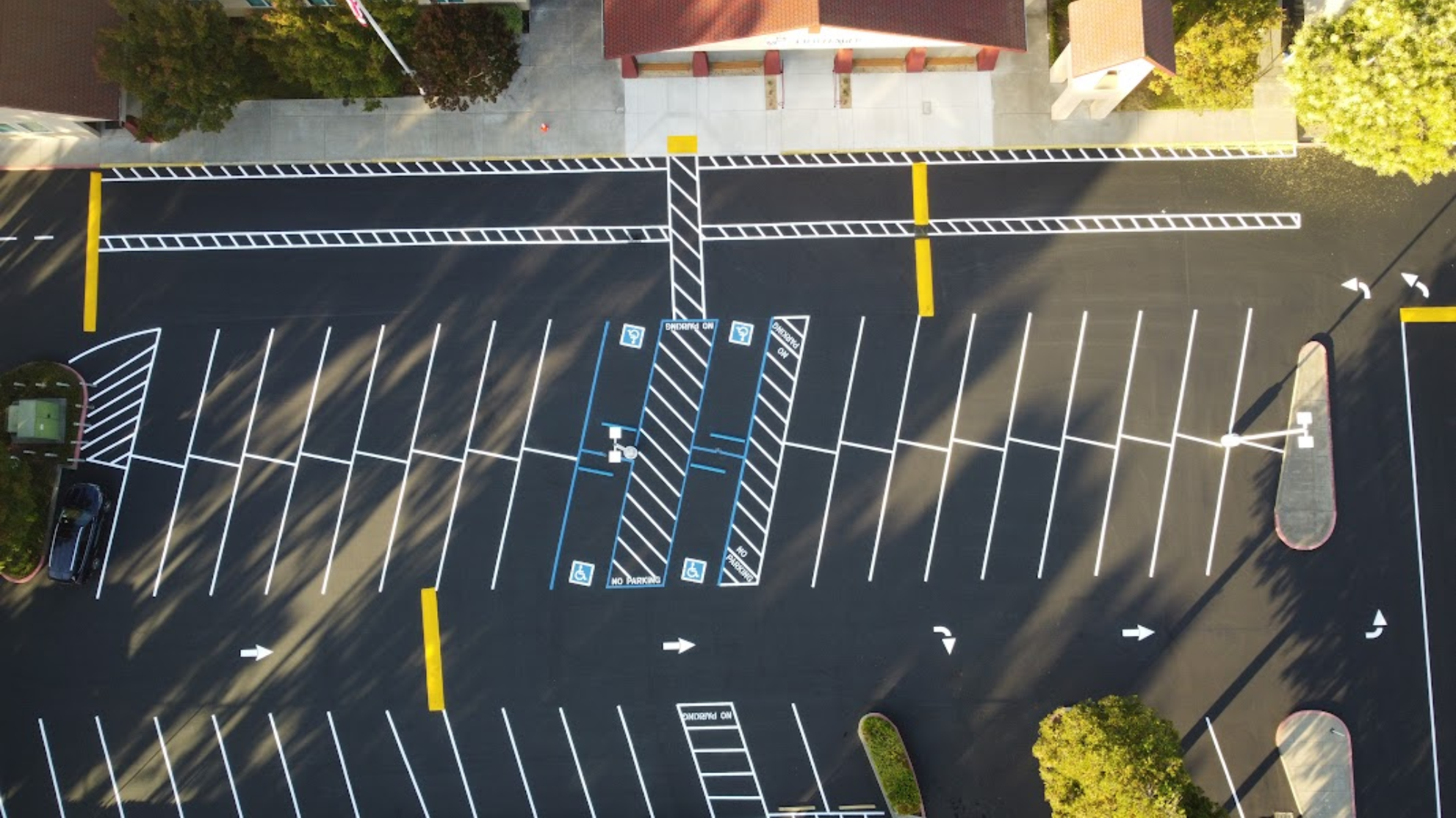
Freshly painted blue and white ADA handicap parking stall and access aisle in a Napa parking lot. Project by We Love Paving in Northern California, CA.

Beyond the immediate tax benefits, there are other financial incentives to consider. For instance, maintaining a well-paved parking lot can help prevent costly lawsuits. A deteriorating parking lot can lead to accidents and injuries, resulting in potential legal claims against your business. By investing in a quality paving job, you are not only enhancing the safety of your premises but also potentially avoiding hefty legal fees and settlements.

Another aspect to consider is the increased property value of a well-maintained parking lot. An updated, attractive parking area can significantly boost the curb appeal of your property, making it more appealing to tenants, customers, and potential buyers. This increased value can be a crucial factor if you plan to sell your property or seek refinancing in the future.

Updating your parking lot pavement also supports your business’s operational efficiency. A smooth, well-marked parking lot can improve traffic flow, reduce congestion, and enhance the overall customer experience. This is particularly important for businesses in the retail and hospitality sectors, where first impressions can make a significant difference in customer satisfaction and repeat business.

In addition to these direct financial benefits, there are environmental and social considerations. Many modern paving materials and techniques are designed to be more environmentally friendly, reducing the heat island effect and improving stormwater management. Businesses can contribute to environmental conservation by choosing sustainable paving options, which can be a valuable selling point to eco-conscious consumers and stakeholders.

It’s also worth noting that updating your parking lot to comply with the Americans with Disabilities Act (ADA) can open up your business to a broader customer base. Ensuring that your parking lot is accessible to all individuals, including those with disabilities, is not just a legal requirement but also a moral imperative. This inclusivity can enhance your business’s reputation and attract a more diverse clientele. On the contrary, leaving your parking lot in shambles opens the door for devious people to take one step in and file a lawsuit.

While the immediate tax benefits are significant, the long-term advantages of updating your parking lot pavement are equally compelling. From enhancing property value and operational efficiency to improving safety and customer satisfaction, the decision to invest in your parking lot pays dividends well into the future. The tax benefits overcome any hesitation in doing the paving work.

Need Immediate Help?

Let's Talk About Your Project

Don't wait until minor damage turns into major expenses. Our team of experts is ready to provide you with guaranteed solutions. Contact us now for direct advice from a professional.

Frequently Asked Questions (FAQ)

Got Questions? Find Your Answers Here!!

Can businesses deduct the full cost of parking lot paving in 2026?

Yes, businesses can deduct the full cost of parking lot paving in 2026 by utilizing Section 179 or 100% bonus depreciation. Under current tax laws, the maximum Section 179 deduction has increased to $2,560,000. This allows companies to write off the entire expense in the first year, significantly reducing their total taxable income immediately.

What is the Section 179 limit for parking lot improvements in 2026?

The Section 179 deduction limit for parking lot improvements in 2026 is $2,560,000, with a phase-out threshold starting at $4,090,000. These inflation-adjusted limits provide substantial tax relief for commercial property owners. Businesses must place the pavement into service by December 31 to qualify for this immediate expensing of qualified land improvement assets.

Does bonus depreciation apply to asphalt paving projects in 2026?

Bonus depreciation applies to asphalt paving projects in 2026 at a 100% rate for qualified property placed in service after January 19, 2025. This incentive allows for the complete deduction of capital investments in the first year. Paving is classified as a fifteen-year land improvement, making the asset eligible for these accelerated depreciation benefits under federal tax code Section 168(k).

What is the difference between a deductible paving repair and a capitalized improvement?

A deductible paving repair involves minor maintenance like sealcoating or crack filling that preserves the current condition without extending the asset's life. Capitalized improvements, such as a complete asphalt overlay, significantly enhance the parking lot's longevity or functionality. Improvements must be depreciated over fifteen years unless the business utilizes Section 179 for immediate first-year expensing of the total project cost.

Why should commercial owners use cost segregation for parking lot paving?

Commercial owners should use cost segregation to identify parking lot components that qualify as five or fifteen-year property instead of thirty-nine-year structures. This strategic reclassification allows for 100% bonus depreciation on asphalt, drainage, and lighting. Correct asset identification can double first-year tax savings by accelerating the recovery of investment capital through specialized depreciation schedules and IRS-approved land improvement categories.

Professional customer review project by We Love Paving in Northern California, California. Verified local construction quality.

Fred / Founder

Fred, Founder and Regional Operations Manager at We Love Paving, comes from a family that values hard work and discipline. Growing up watching his parents work long hours with integrity and dedication, Fred learned early on that quality paving isn’t just about asphalt, it’s about consistency, accountability, and doing the job right.

Share

Posts That Might Interest You

Why Is Parking So Expensive for Property Owners?

May 15, 2026

Many commercial property owners underestimate how expensive parking areas become once maintenance, accessibility, and pavement deterioration start overlapping at the same time. At first, parking lot costs usually appear manageable. Small cracks, faded striping, drainage problems, or isolated surface wear may not seem urgent while the property continues operating normally. Over time, however, those smaller

ADA Compliant Checklist for Parking Lots

ADA Compliant Checklist for Parking Lots

May 15, 2026

Many commercial properties develop accessibility problems gradually without property owners realizing how much conditions have changed over time. Parking lots, sidewalks, ramps, and pedestrian access routes constantly experience wear from traffic movement, weather exposure, drainage shifts, and surface aging. Because these changes happen slowly, accessibility concerns are often overlooked until inspections, complaints, or liability risks

Biggest Mistakes Made by a Landlord With Parking Lots

Biggest Mistakes Made by a Landlord With Parking Lots

May 15, 2026

Many property owners focus heavily on tenant spaces, landscaping, and building appearance while overlooking one of the most heavily used parts of the property: the parking lot. The problem is that pavement deterioration rarely stays cosmetic for long. Small surface issues gradually begin affecting traffic flow, drainage behavior, pedestrian safety, tenant perception, and operational costs

Parking Lot Snow Removal and Winter Pavement Damage

Parking Lot Snow Removal and Winter Pavement Damage

May 15, 2026

Winter weather places commercial parking lots under far more stress than many property owners realize. Snow accumulation, freezing temperatures, ice formation, and repeated plowing activity gradually affect asphalt surfaces throughout the season. Even parking lots that appear stable during warmer months often begin developing new wear patterns once winter conditions repeatedly impact traffic areas, drainage

Next

Estimation Tools

Calculate costs in seconds

Fast, accurate estimates that help you close more jobs. Less guesswork, more profit.