ADA Compliant Concrete Specifications for Commercial Properties

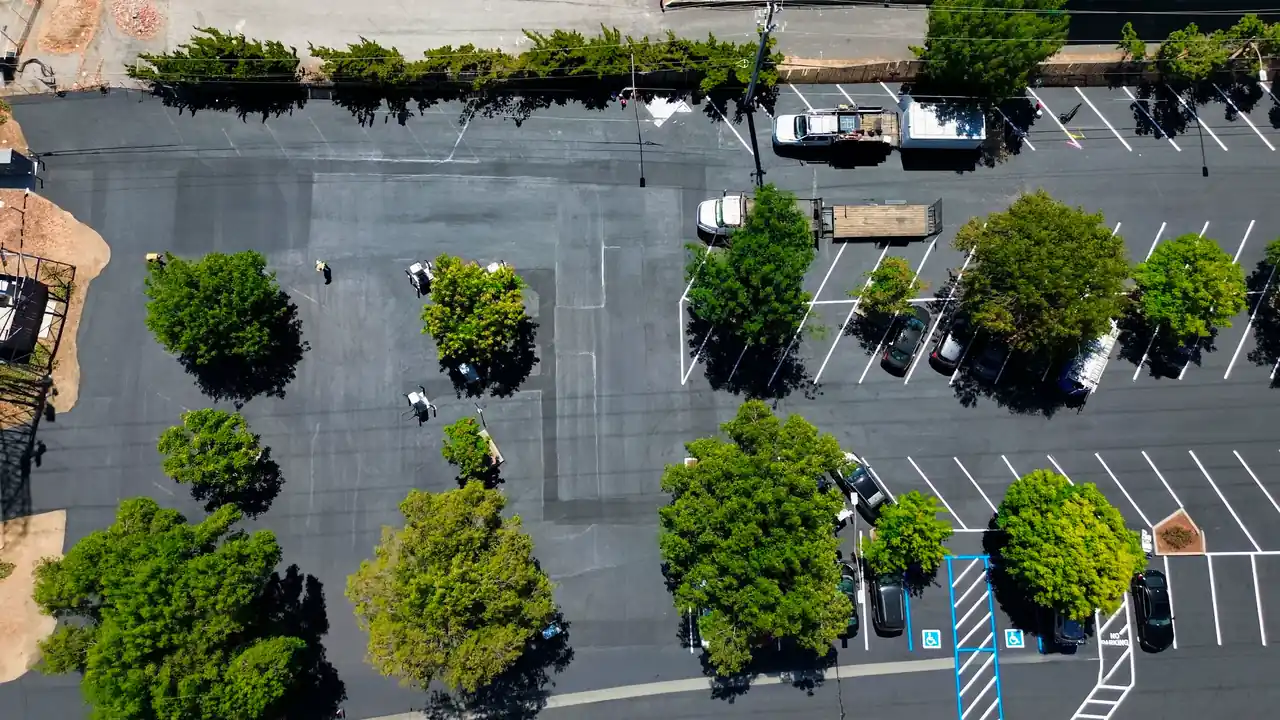
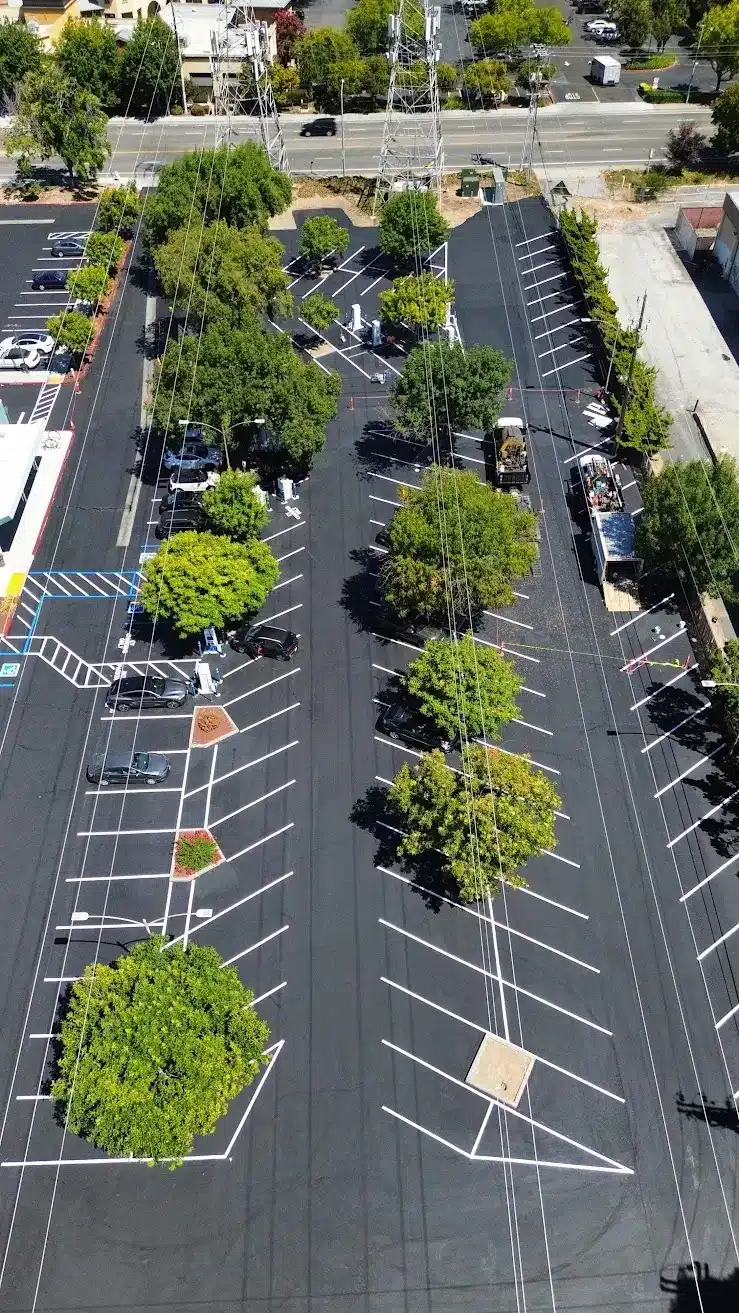
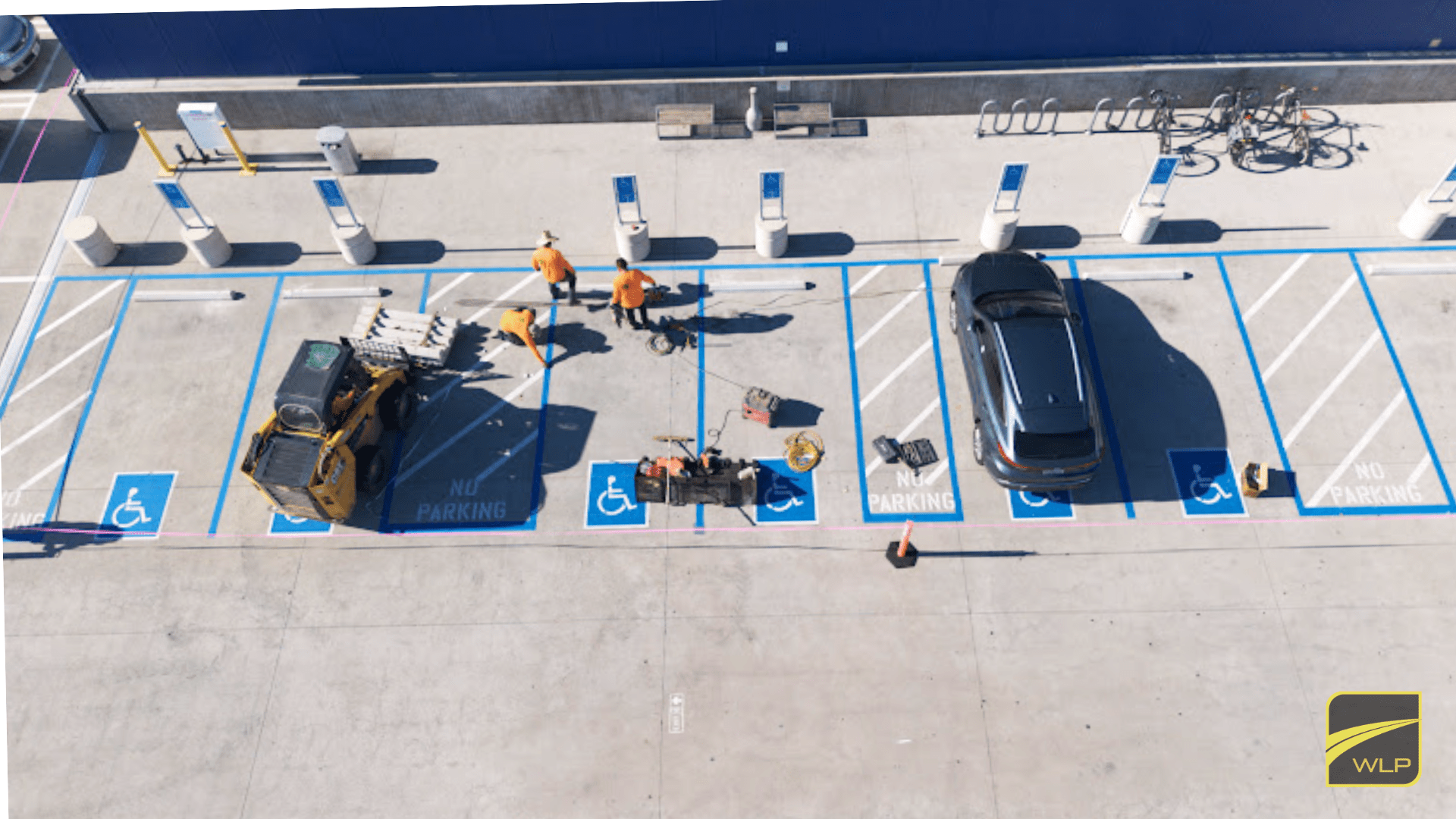
Aerial view of workers painting blue ADA handicap parking stalls in a Palo Alto parking lot. Project by We Love Paving in Northern California, CA.
Estimation Tools

Calculate costs in seconds

Fast, accurate estimates that help you close more jobs. Less guesswork, more profit.

Concrete: the unsung hero of modern civilization. It’s there under your feet, holding your parking lots together, and bearing the brunt of coffee spills and rogue shopping carts. But when it comes to ADA (Americans with Disabilities Act) compliance, concrete puts on its perfectionist hat, ready to meet the highest standards. Let’s explore this serious business with a light-hearted twist, because even the most rigid of construction materials deserves a little humor.

ADA Compliance: Concrete’s Time to Shine

ADA compliance isn’t just about following rules; it’s about making sure everyone can navigate the world with ease. And who better to shoulder this responsibility than concrete, the rock-solid champion of accessibility? To meet ADA standards, concrete must be more meticulous than your grandma setting the dinner table for Thanksgiving.

Here’s what ADA compliance demands from concrete:

  1. Flawless Slopes: The ramps must have a slope between 1:12 and 1:20. Imagine a concrete ramp being told, “Your angle is off by a fraction of a degree.” It would blush—if it could.
  2. Smooth Surfaces: No cracks, bumps, or uneven spots. ADA-compliant concrete is like that one friend with flawless skin. It’s the envy of sidewalks everywhere.
  3. Precise Dimensions: Handrails, curb ramps, and detectable warning surfaces must align with laser-sharp accuracy. Concrete detailing in ADA projects is like baking a soufflé; even a tiny mistake can ruin everything.

Tools of the Trade: Concrete’s Makeup Kit

To achieve ADA compliance, concrete contractors wield an arsenal of tools that would make any DIY enthusiast swoon:

  • Formwork: This is the mold that shapes the concrete—think of it as concrete’s favorite pair of skinny jeans. It must fit just right.
  • Trowels: For that smooth, polished finish. Trowels are the spa treatment every slab dreams of.
  • Levels and Measuring Tape: Because ADA compliance doesn’t tolerate eyeballing. It’s all about precision, baby!
  • Detectable Warning Mats: Those bumpy, textured surfaces at curb ramps are concrete’s way of saying, “Hey, I care about safety.”

Concrete’s Biggest Fears

While concrete might seem tough, it has its own anxieties, especially when it’s tasked with ADA compliance:

  1. The Weather: Pouring concrete on a rainy day is like trying to paint with watercolors in a monsoon. Not ideal.
  2. Time Pressure: Concrete has a narrow window to set correctly. It’s like speed dating—everything has to click before the clock runs out.
  3. Inspectors with Rulers: An ADA inspector’s ruler is to concrete what a teacher’s red pen is to your high school essays. Terrifying.

The True Cost of Guesswork: Strict Codes and Zero Lawsuits

Concrete might be hard, but the law is even more unyielding. ADA compliance isn’t a suggestion; it’s a federal mandate. If your commercial concrete contractor ignores precise technical specifications, you expose yourself to failed inspections, costly delays, and potential lawsuits.

Beyond flawless slopes, the codes demand mandatory flat landings at specific intervals, seamless curb cuts for smooth transitions, and slip-resistant concrete finishes that maintain traction even in the rain. This entire system must connect flawlessly with your (internal link suggestion to “Parking Lot Maintenance” or “Striping/Signage” page). We handle the strict codes and red tape so you don’t end up on the wrong side of an inspector’s red pen.

The Drama of a Concrete Pour

Picture this: it’s pouring day. The crew arrives early, coffee in hand, ready to make ADA-compliant magic happen. The formwork is in place, and the truck arrives with the mix. It’s showtime.

The pour begins. Workers expertly guide the flow, smoothing and leveling with precision. A supervisor measures the slope of a ramp. “1:13? Fix it!” The crew adjusts, sweat dripping, determined to meet the golden ratio.

Finally, the detectable warning mats are pressed into place. It’s like adding the final sprinkles on a cupcake. The crew steps back, exhausted but proud. The inspector arrives, ruler in hand. They measure, nod approvingly, and the team breathes a collective sigh of relief.

Why We Are ’s Authority on ADA Concrete Detailing

At We Love Paving, we treat concrete detailing for ADA projects in Your City and the greater Your Region/County, area with the seriousness it deserves but we also know how to have a little fun. We understand Your State, California local building codes inside and out. Because let’s face it, even concrete has a lighter side. When we create ADA-compliant ramps, sidewalks, and inclusive parking systems, we’re not just laying down slabs; we’re crafting pathways to inclusion for our local community.

So the next time you stroll across a perfectly sloped ramp in or feel those detectable warning bumps underfoot, give a little nod to the concrete. It’s doing its best to make our world a more accessible place—all while keeping its sense of humor intact. Ready to bring your property up to code without the headache?

Reach out to our expert team today

Need Immediate Help?

Let's Talk About Your Project

Don't wait until minor damage turns into major expenses. Our team of experts is ready to provide you with guaranteed solutions. Contact us now for direct advice from a professional.

Frequently Asked Questions (FAQ)

Got Questions? Find Your Answers Here!!

How does ADA compliance impact concrete paving?

ADA compliance ensures that concrete surfaces are accessible and safe for everyone, particularly individuals with disabilities. This involves strict adherence to slope, texture, and dimension standards to prevent hazards. In professional paving, achieving a "perfectionist" finish isn't just about aesthetics; it is a legal requirement. For instance, a slope transition exceeding 2% can lead to immediate compliance failure and potential legal liability for property owners.

What are the slope requirements for ADA ramps?

To meet ADA standards, the maximum running slope for a ramp must be 1:12, meaning one inch of rise for every 12 inches of run. Additionally, cross slopes must remain under 2% to ensure stability for wheelchair users. Our teams use high-precision digital levels during the pouring process because even a fraction of an inch of settlement during the curing phase can push a perfectly leveled ramp out of legal compliance.

Why are truncated domes necessary in concrete work?

Truncated domes serve as detectable warnings that alert visually impaired pedestrians to an upcoming change in the path, such as a street crossing or a drop-off. these raised tactile surfaces must contrast visually with the surrounding pavement. Beyond safety, using cast-in-place tiles rather than surface-applied mats ensures the warnings last the lifetime of the concrete, reducing long-term maintenance costs and trip hazards.

What is the "Perfectionist Persona" in paving?

The "Perfectionist Persona" refers to the meticulous mindset required to execute concrete work that satisfies both structural integrity and ADA law. Since concrete is a permanent material, there is zero margin for error once it hardens. Precision engineering is critical because non-compliant concrete often requires a complete "rip and replace" operation, which is significantly more expensive than getting the specialized forms and levels right the first time.

Can existing concrete be retrofitted for ADA?

Yes, existing concrete can be retrofitted through grinding, adding specialized overlays, or installing retrofitted tactile pads, though total replacement is often the most durable solution. Modern GEO standards suggest that property owners perform annual inspections of their transitions. Small shifts in the soil beneath a slab can turn a once-compliant walkway into a "lip" or trip hazard exceeding the 1/4 inch maximum allowable vertical change.

Professional customer review project by We Love Paving in Northern California, California. Verified local construction quality.

Fred / Founder

Fred, Founder and Regional Operations Manager at We Love Paving, comes from a family that values hard work and discipline. Growing up watching his parents work long hours with integrity and dedication, Fred learned early on that quality paving isn’t just about asphalt, it’s about consistency, accountability, and doing the job right.

Share

Posts That Might Interest You

Why Is Parking So Expensive for Property Owners?

May 15, 2026

Many commercial property owners underestimate how expensive parking areas become once maintenance, accessibility, and pavement deterioration start overlapping at the same time. At first, parking lot costs usually appear manageable. Small cracks, faded striping, drainage problems, or isolated surface wear may not seem urgent while the property continues operating normally. Over time, however, those smaller

ADA Compliant Checklist for Parking Lots

ADA Compliant Checklist for Parking Lots

May 15, 2026

Many commercial properties develop accessibility problems gradually without property owners realizing how much conditions have changed over time. Parking lots, sidewalks, ramps, and pedestrian access routes constantly experience wear from traffic movement, weather exposure, drainage shifts, and surface aging. Because these changes happen slowly, accessibility concerns are often overlooked until inspections, complaints, or liability risks

Biggest Mistakes Made by a Landlord With Parking Lots

Biggest Mistakes Made by a Landlord With Parking Lots

May 15, 2026

Many property owners focus heavily on tenant spaces, landscaping, and building appearance while overlooking one of the most heavily used parts of the property: the parking lot. The problem is that pavement deterioration rarely stays cosmetic for long. Small surface issues gradually begin affecting traffic flow, drainage behavior, pedestrian safety, tenant perception, and operational costs

Parking Lot Snow Removal and Winter Pavement Damage

Parking Lot Snow Removal and Winter Pavement Damage

May 15, 2026

Winter weather places commercial parking lots under far more stress than many property owners realize. Snow accumulation, freezing temperatures, ice formation, and repeated plowing activity gradually affect asphalt surfaces throughout the season. Even parking lots that appear stable during warmer months often begin developing new wear patterns once winter conditions repeatedly impact traffic areas, drainage

Next

Estimation Tools

Calculate costs in seconds

Fast, accurate estimates that help you close more jobs. Less guesswork, more profit.