Asphalt driveway are a popular choice for many homeowners and businesses due to their durability, cost-effectiveness, and sleek appearance. However, one crucial aspect often overlooked during installation and maintenance is proper edging. Driveway edging is not just about aesthetics; it plays a vital role in ensuring the longevity and structural integrity of your asphalt driveway. Below, we explore why proper edging matters and how it benefits your property and we give you some recomendations where to buy the proper materials to your asphalt driveway.
Edging a driveway refers to creating a defined border or boundary along the sides of the driveway. This process enhances both the functionality and aesthetics of your asphalt driveway. Here are some key aspects of driveway edging:
Functionality:
- Prevents Erosion: Edging helps keep the driveway material, such as gravel or asphalt, contained, reducing the risk of spreading onto surrounding areas.
- Improves Stability: It supports the edges of the driveway, reducing the likelihood of cracks or crumbling, particularly in asphalt or concrete driveways.
- Guides Water Drainage: Proper edging can channel water away from the driveway, minimizing pooling and potential damage.
Aesthetic Appeal:
- Neat Appearance: Edging gives the driveway a clean, finished look, which enhances the curb appeal of the property.
- Landscaping Integration: It allows for a seamless transition between the driveway and garden beds, lawn, or other landscaping elements.
Materials for ASphalt Driveway Edging:
- Pavers or Bricks: Classic and versatile, these provide a polished look.
- Concrete: Durable and customizable, concrete can be shaped or colored to match the driveway.
- Metal Edging: Minimalistic and modern, metal strips offer a sleek boundary.
- Wood: Often used in rustic settings, though less durable over time.
- Rocks or Stones: Natural and cost-effective, stones add a touch of organic charm.
Technical Asphalt Edging Installation Process
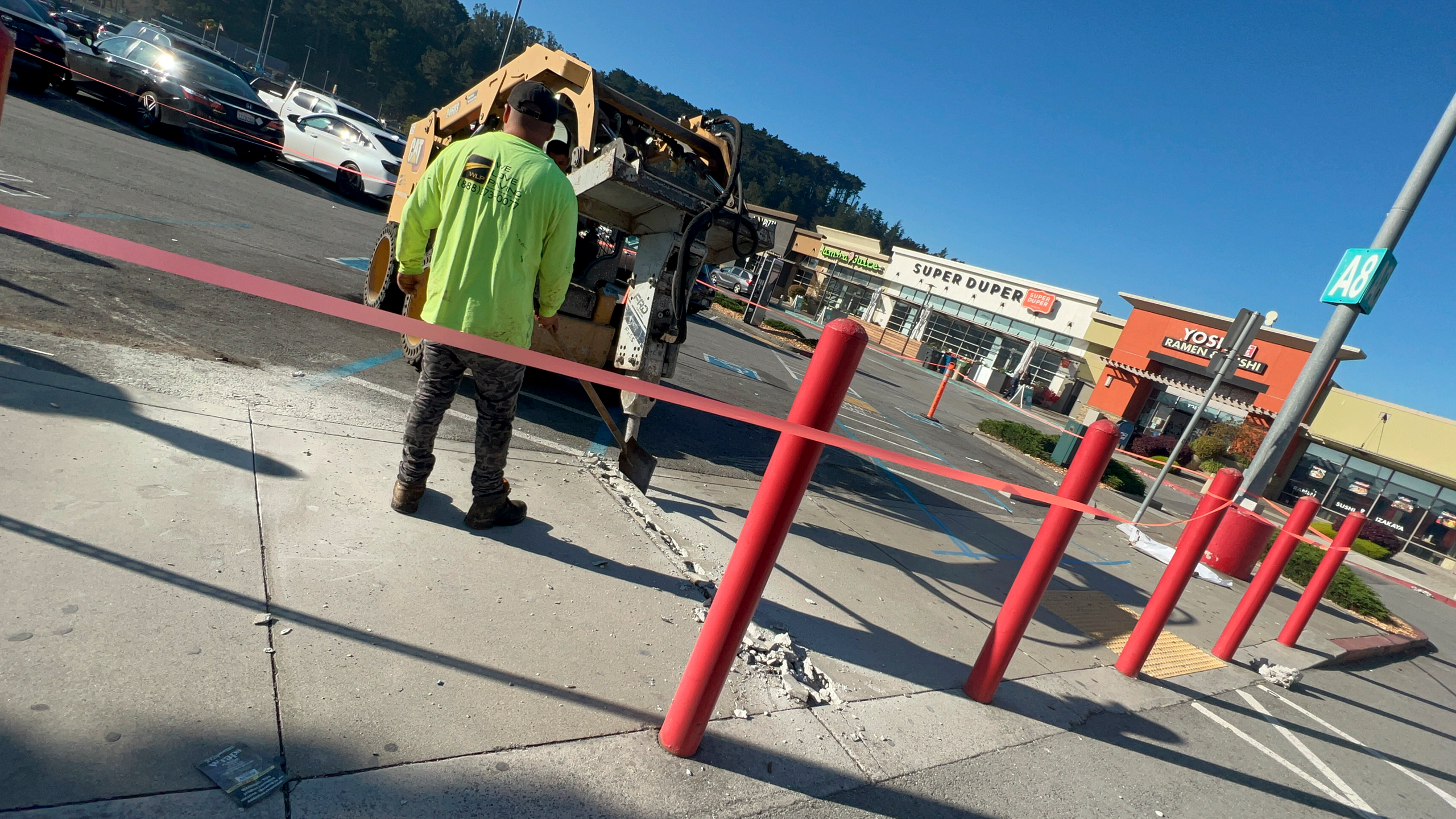
Installing a perimeter edge is not just a simple landscaping job; it is a road engineering effort that protects your investment. At WELOVEPAVING, we follow a rigorous protocol that exceeds local building standards. First, we perform a Structural Trench Excavation, digging 4 to 6 inches below the subgrade level to ensure proper anchoring. Next, we install a compacted Class II gravel base, which is essential for weight distribution. Once the edging material is in place (whether poured-in-place concrete or interlocking pavers), we apply mechanical compaction to prevent separation between the edge and the Hot Mix Asphalt (HMA). To learn more about our base installation specifications, visit our Asphalt Paving Services page.
This are the benefits of edgind your asphalt driveway:
1. Prevents Cracking and Edge Deterioration
Without proper edging, the sides of your asphalt driveway are more prone to cracking and breaking under pressure. Vehicles driving too close to the edge or heavy equipment resting on unreinforced areas can cause the asphalt to crumble. Edging provides the necessary support to keep the sides intact, reducing the likelihood of damage over time.
2. Enhances Aesthetic Appeal
A well-defined edge gives your driveway a polished and professional look. Whether bordered by concrete, bricks, or stone, the contrast and neat lines create a visually appealing entrance to your property. This is especially important for businesses where curb appeal can influence customer impressions.
3. Improves Drainage
Proper edging can guide water runoff away from your driveway, preventing pooling and potential damage caused by water infiltration. Combined with a well-designed slope, edging ensures that rainwater flows into designated drainage areas, protecting the foundation and reducing erosion.
4. Increases Longevity Against Climate Challenges
A properly constructed edge acts as a retaining wall against severe local weather variations and moisture intrusion, which are pavement’s primary enemies. During peak heat, asphalt undergoes thermal expansion; without a rigid containment edge, the sides will lose their structural integrity (a phenomenon known as edge raveling). Likewise, during the rainy season, the edge prevents the erosion of the underlying soil and the water infiltration that causes potholes and shrinkage cracks. We design our perimeter solutions to withstand these specific conditions across all our Local Service Areas, ensuring your driveway stands the test of the seasons.
5. Facilitates Maintenance
Driveways with proper edging are easier to clean and maintain. The clear boundary makes it simple to sweep debris and prevents dirt or gravel from spilling onto the asphalt surface. Additionally, edged driveways are less likely to develop weeds along the margins, saving you time and effort in upkeep.
How to Ensure Proper Edging
To reap these benefits, it’s crucial to invest in professional installation and maintenance. Here are some key considerations:
- Material Choice: The material used for edging should complement your driveway and withstand environmental conditions. Options include concrete curbs, stone pavers, or metal strips.
- Installation: Proper installation involves digging a trench along the driveway’s edge, placing the edging material securely, and backfilling with soil or gravel to ensure stability.
- Maintenance: Regular inspections can help identify issues like shifting edges or cracks. Prompt repairs will keep your driveway in optimal condition.
Partner with WELOVEPAVING for Expert Driveway Solutions
At We Love Paving, we specialize in creating durable and aesthetically pleasing asphalt driveways with proper edging. Our team of professionals ensures every aspect of your driveway, from foundation to finishing touches, is built to last. Contact us today to discuss your project and experience the difference that proper edging can make.