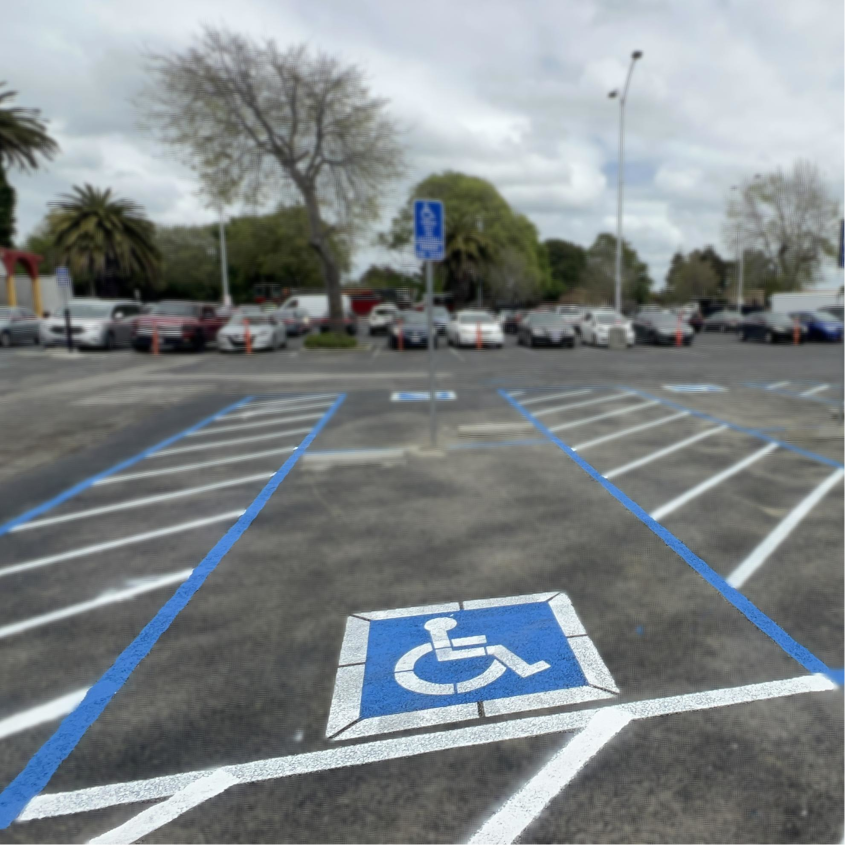
ADA-related parking lot problems can create more than one type of financial exposure. Depending on the circumstances, a property owner may face required corrective work, legal expenses, settlement obligations, operational disruption, and in some enforcement actions civil penalties.
The exact consequences depend on the applicable federal, state, and local rules, the condition of the property, and the facts of the case. A faded line or surface defect does not automatically create the same outcome in every situation.
For property owners, the practical point is simple: accessibility issues become more expensive when they are ignored until they affect how visitors move through the property.
The mistake is thinking of ADA non-compliance as a single ticket.
That is too simple.
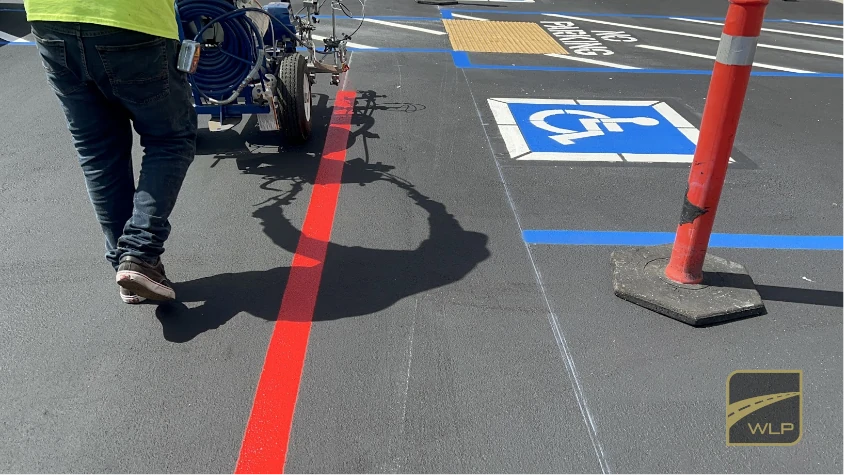
A parking lot issue may start with faded accessible parking markings, a blocked access aisle, a missing or unclear sign, uneven pavement near an accessible route, poor drainage where people need stable movement, or a layout that no longer matches how the property is used. Those conditions may look like maintenance details. But when they affect access, they can become more serious.
This article is not legal advice. It does not certify whether a parking lot is compliant. ADA obligations can depend on federal law, state or local rules, site conditions, measurements, construction history, and professional review. The practical purpose here is to explain the types of penalties and costs that may result from ADA violations so property owners understand why parking lot accessibility should not be treated as a last-minute striping task.
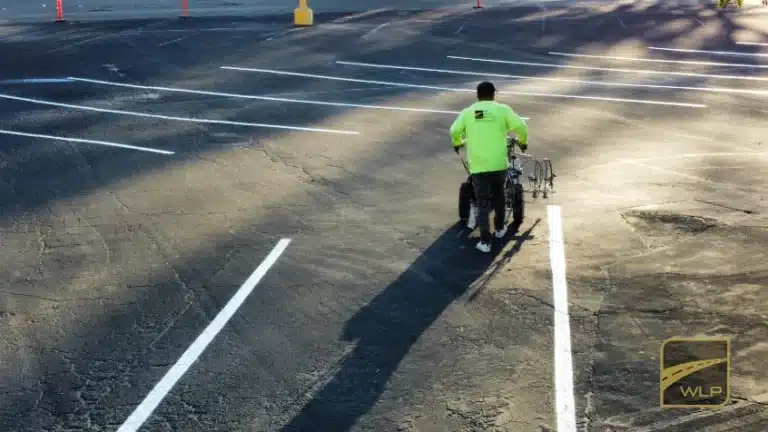
Civil Penalties Are Only One Part of the Cost
Under ADA Title III enforcement, civil monetary penalties can apply in regulatory actions involving places of public accommodation. However, focusing solely on maximum federal figures misses the everyday exposure faced by commercial sites.
In California, state accessibility framework under the Unruh Civil Rights Act and the California Building Code (Title 24) introduces additional legal exposure. Compliance disputes may involve statutory damages or claims for attorney’s fees depending on how the matter proceeds.
A property owner should not assume every minor pavement wear triggers maximum penalties, but assuming these issues carry zero risk is equally unsafe. The fine is merely one component of overall compliance exposure.
Required Corrections Can Cost More Than the Penalty
One of the significant financial outcomes of an accessibility issue is the obligation to perform structural corrections. When a parking facility presents compliance issues, repainting may not be sufficient if the underlying physical layout or slope is incorrect.
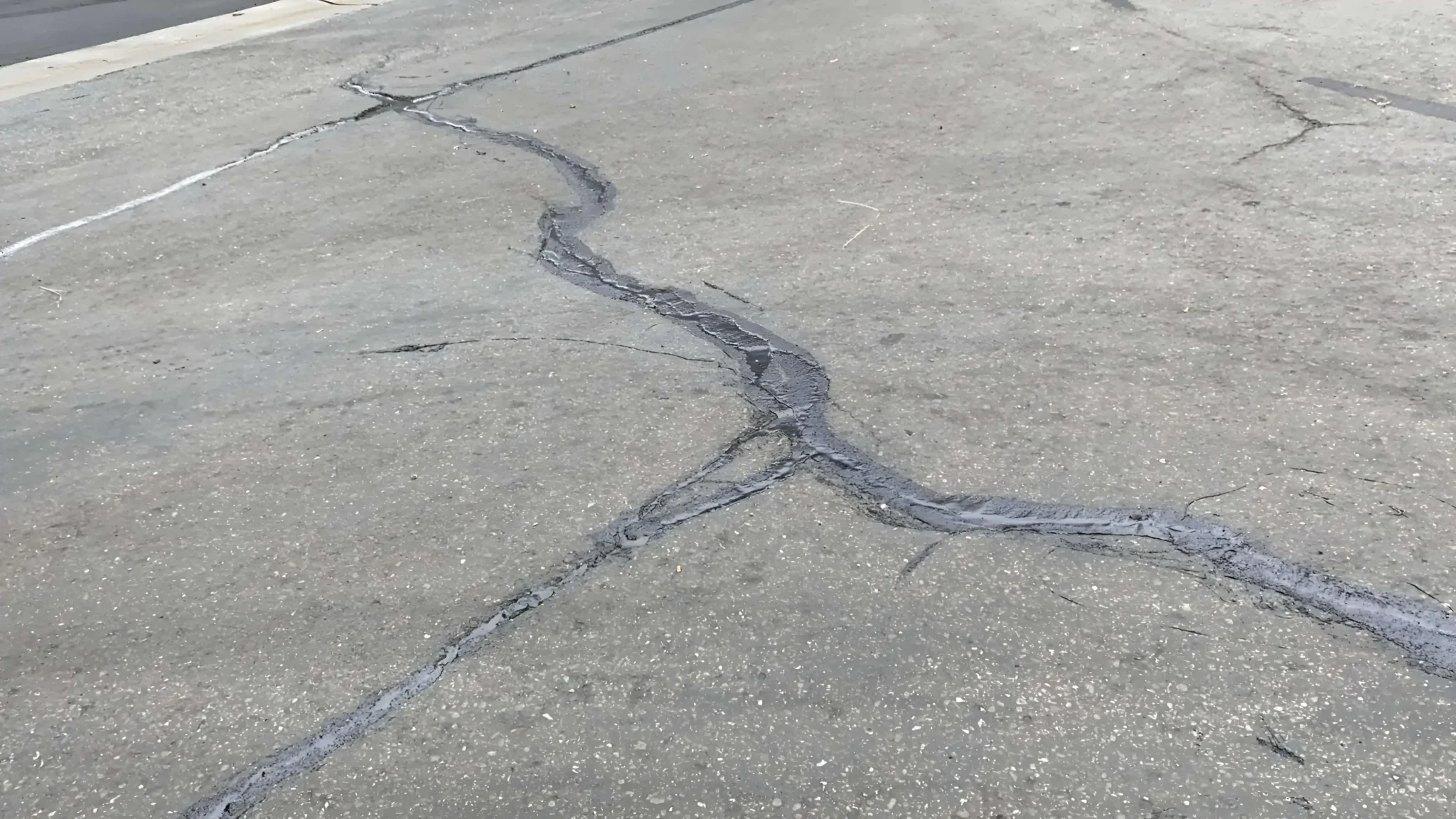
Remediation can require layout adjustments, slope corrections, curb ramp modifications, and updated directional signage. If asphalt deterioration creates uneven slope transitions along an accessible path, resurfacing or regrading may be necessary. Planning ADA upgrades California based on actual site measurements helps address underlying surface conditions before formal enforcement arises.
Legal Costs and Settlements Can Become Part of the Damage
Legal exposure in accessibility disputes extends beyond statutory fines. Disputes can involve legal defense expenses, technical site assessments, and settlement agreements that establish specific remediation schedules.
Legal claims may address more than isolated parking stalls…, evaluating connected elements such as cross-slopes, access aisles, and main entrance routes. Attempting quick visual fixes without evaluating the full path can leave other surface conditions unresolved. Following an ADA compliance California guide helps management review the connected path of travel alongside qualified professionals.
Why Delayed Corrections Cost More
Accessibility problems are often more expensive when they are handled one issue at a time. A property owner may repaint faded markings, patch a cracked area, or replace a sign without reviewing how the accessible parking area, route, drainage, and surface condition work together.
When these conditions overlap, the project may require coordinated paving, striping, drainage, signage, and accessibility work. Reviewing local requirements within a California framework early in project planning helps property managers address connected surface issues in a single phase.
Addressing structural issues early also prevents compounding property management costs associated with repeated repairs, emergency mobilization, and ongoing site disruption.
When Should Property Owners Review an ADA Parking Area?
A civil penalty is serious. Legal costs are serious. Required corrections are serious.
But for many property owners, the most immediate damage is losing control of timing.
If ADA-related parking lot issues are found during a complaint, property sale, tenant dispute, inspection, refinancing, renovation, or construction project, the owner may have to respond under pressure. That is when costs rise. Work may need to be scheduled quickly. Tenants may need to be notified. Access may need to be maintained while repairs happen. A simple maintenance issue may now involve legal review, documentation, contractor coordination, and urgent decision-making.
That is not strategic property management.
A better approach is to review accessible parking areas before they become a crisis point. Walk the route from the parking space to the entrance. Look at markings, signs, pavement surface, drainage, access aisles, curb transitions, pedestrian visibility, and any changes to tenant layout or building access. Document what looks worn, unclear, damaged, or outdated.
This does not replace a qualified ADA review. It helps owners identify where that review may be needed.
ADA Parking Lot Costs Are Best Controlled Before Enforcement
The best way to manage ADA violation risk is not panic. It is disciplined maintenance.
Property owners should avoid two extremes. One extreme is assuming every issue means immediate legal disaster. The other is assuming accessibility problems can wait because no one has complained yet. Both are bad.
A smarter approach treats ADA-related parking lot conditions as part of regular property maintenance.
That means reviewing accessible spaces, access aisles, signs, routes, striping, surface condition, drainage, and route connections before small problems become expensive corrections. It also means avoiding false confidence. Blue paint, a sign, or an old layout does not prove that the parking lot still functions correctly.
At We Love Paving, we look at ADA-related parking lot costs through a practical property-maintenance lens: where access may be affected, which visible conditions deserve closer review, how pavement and striping interact with accessibility, and how early correction can help owners avoid paying for the same problem under worse circumstances.