ADA Compliance Parking Lot Issues Cost More Than You Think

We Love Paving services in Livermore. Professional paving contractor serving Livermore and Mission District areas.
Estimation Tools

Calculate costs in seconds

Fast, accurate estimates that help you close more jobs. Less guesswork, more profit.

Many commercial properties assume their parking lot remains ADA compliant because accessible spaces already exist on the property.

The problem is that parking lot accessibility changes gradually over time. Pavement settles, striping fades, sidewalks shift slightly, and drainage problems begin affecting pedestrian movement without creating immediate operational failures. Because these changes happen slowly, many owners do not recognize accessibility concerns until complaints, inspections, or liability issues begin surfacing.

For commercial properties, ADA compliance is not limited to painted symbols or reserved parking spaces alone. The condition of the pavement itself often determines whether accessible routes remain functional and safe for daily use.

That is why ADA compliance parking lot issues frequently become more expensive than property owners initially expect.

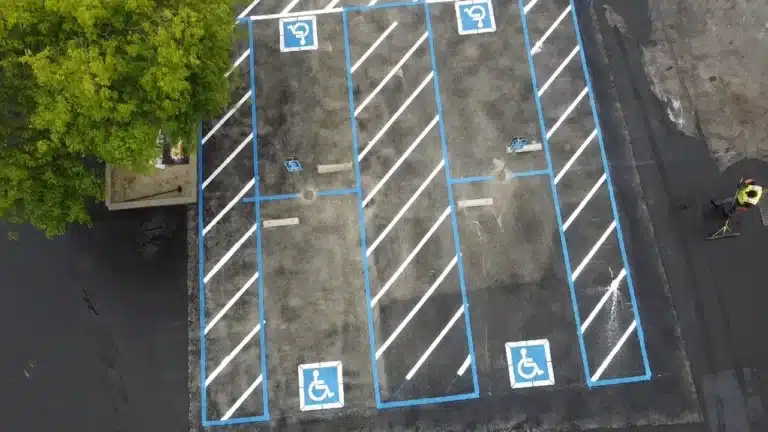
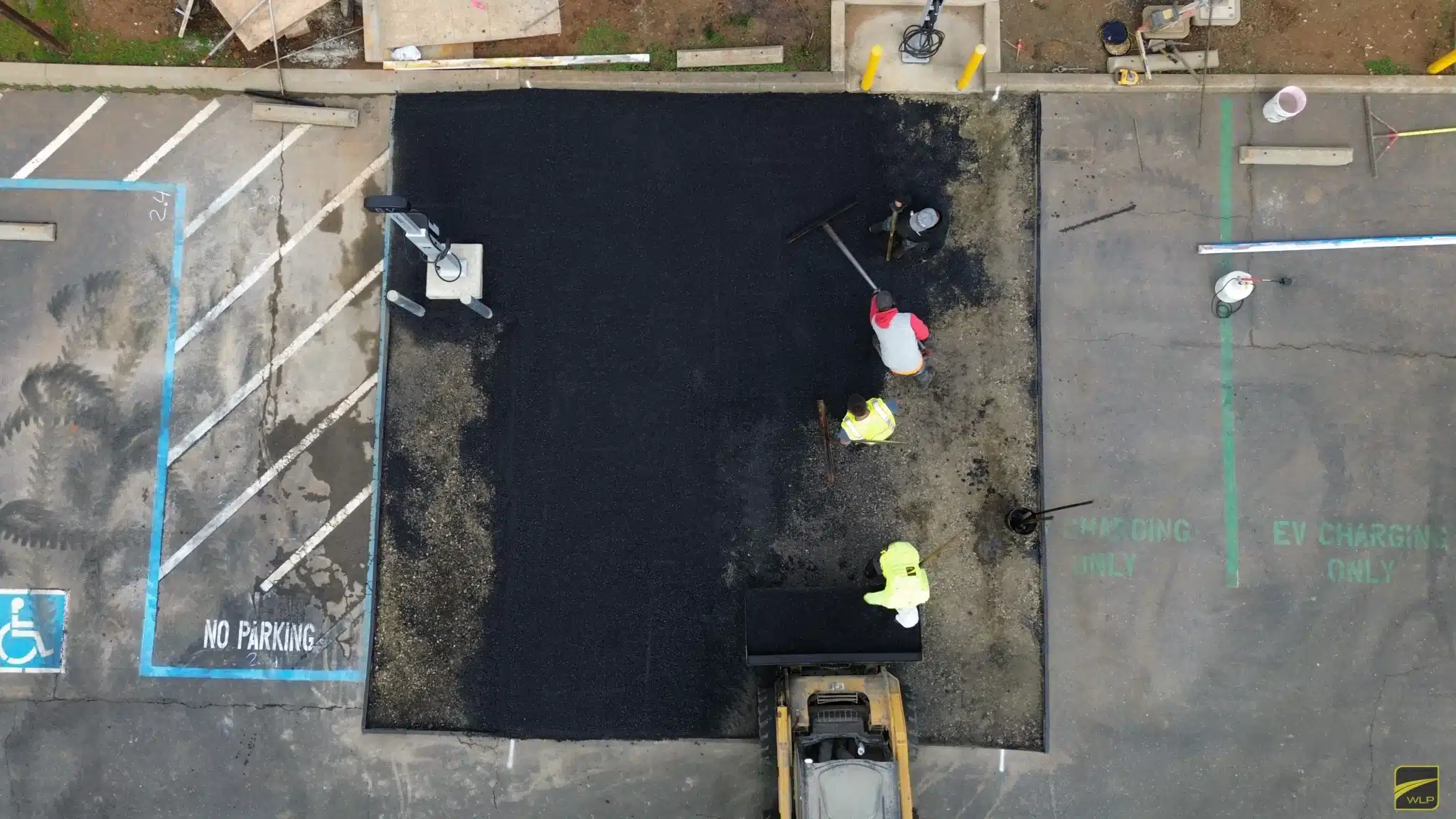
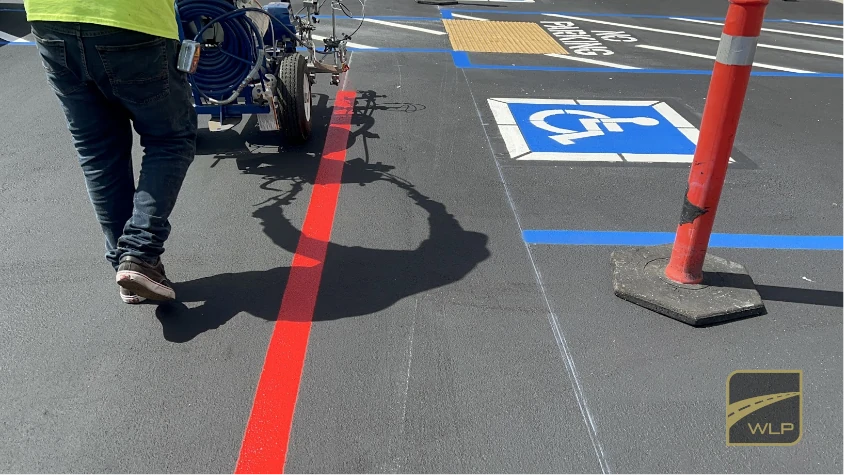
Damaged handicap parking space markings

Accessibility Problems Usually Start With Surface Wear

Many ADA-related parking lot issues begin with ordinary deterioration that gradually affects pedestrian access.

Commercial pavement constantly changes because of weather exposure, vehicle traffic, long-term settlement, and repeated surface movement. Over time, even relatively small changes in pavement elevation or striping visibility can interfere with accessibility throughout the property.

Property managers commonly notice warning signs such as:

  • faded ADA parking markings,
  • uneven access aisles,
  • damaged curb ramps,
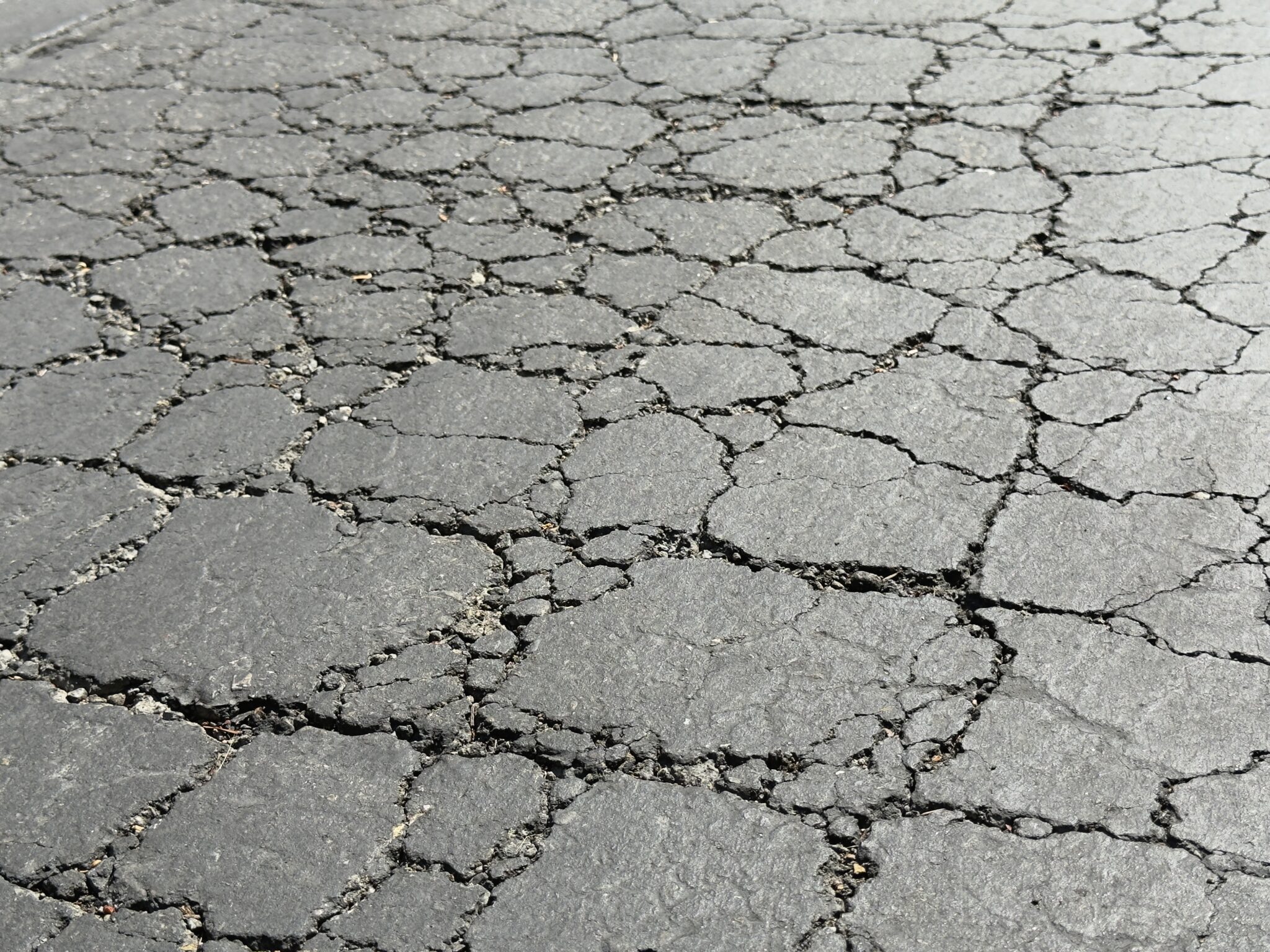
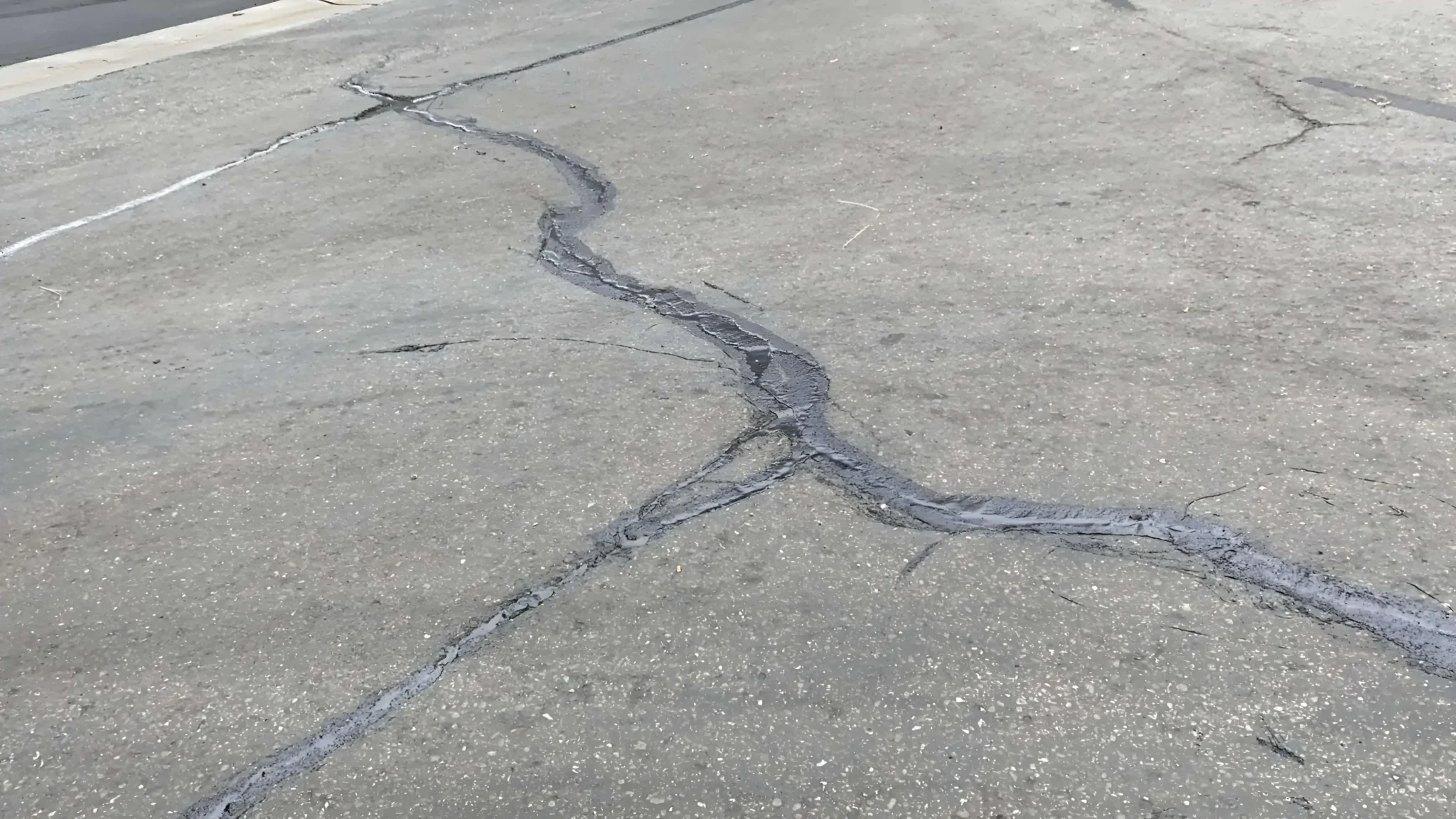
  • cracked pedestrian routes,
  • and standing water near accessible spaces.

These conditions often remain ignored because vehicles can still move through the property normally. The problem is that accessibility standards are heavily affected by how pedestrians safely navigate the parking lot environment itself.

For many commercial sites, recurring accessibility concerns eventually lead owners to schedule professional ADA inspections before conditions worsen further.


Small Accessibility Issues Can Become Expensive Problems

One of the most overlooked ADA compliance parking lot problems is gradual surface inconsistency.

Parking lots rarely fail evenly. Certain areas shift or deteriorate faster than others, especially near entrances, ramps, loading areas, and drainage zones. As pavement settles over time, pedestrian routes often become rougher, less stable, and harder to navigate safely.

This becomes particularly noticeable in older commercial properties where surface wear has accumulated over many years.

Parking Lot ConditionAccessibility ConcernPotential Property Impact
Faded ADA stripingUnclear parking designationImproper parking usage
Uneven access aislesDifficult wheelchair movementSafety complaints
Damaged curb rampsRestricted pedestrian accessLiability exposure
Standing waterUnsafe walking conditionsSlip risks
Surface cracking near walkwaysUnstable pedestrian routesAccessibility concerns

Many owners underestimate how quickly multiple small accessibility problems can overlap across active parking areas. Once pedestrian movement becomes visibly difficult or unsafe, correcting the issues often requires more extensive pavement and site adjustments than expected initially.

For many commercial properties, recurring surface deterioration eventually becomes part of broader paving maintenance planning as accessibility concerns spread throughout the site.


Accessibility Conditions Affect Daily Property Experience

ADA compliance parking lot issues affect more than inspections alone.

Accessible parking areas, sidewalks, ramps, and pedestrian routes influence how visitors, tenants, and customers experience the property every day. When those areas become difficult to navigate, the property itself often feels less organized and less professionally maintained overall.

Property managers frequently notice operational concerns through:
tenant complaints,
confusing parking behavior,
pedestrian congestion,
or recurring drainage issues near accessible areas.

In some properties, faded striping and deteriorating pavement also create uncertainty about whether accessible parking spaces still meet current layout expectations.

That uncertainty tends to increase risk exposure because accessibility concerns attract far more attention once pedestrian movement becomes visibly inconsistent or unsafe.

For many commercial properties, recurring pavement deterioration eventually overlaps with larger parking lot paving planning once accessibility conditions begin affecting broader sections of the parking lot.


Delaying Accessibility Maintenance Usually Increases Costs

Many owners treat ADA-related pavement issues as isolated cosmetic concerns until larger corrections become necessary.

The reality is that accessibility problems often worsen gradually as parking lot conditions continue changing season after season. Surface movement, drainage shifts, fading markings, and pavement wear tend to spread across multiple pedestrian areas over time.

Commercial properties that evaluate accessibility conditions regularly usually identify problems earlier, before:
surface instability,
unsafe walking conditions,
or parking configuration concerns begin affecting daily operations.

That approach typically reduces operational disruption while helping maintain safer and more functional parking environments throughout the property.


Why ADA Compliance Parking Lot Conditions Matter

ADA compliance is not static.

Parking lots continue changing because of traffic exposure, pavement aging, drainage movement, and long-term settlement. Without periodic evaluation, commercial properties can gradually develop accessibility issues that become significantly more difficult and expensive to correct later.

For many property owners, maintaining ADA compliance parking lot conditions helps reduce liability exposure while supporting safer pedestrian access, better property organization, and more consistent long-term site maintenance.

Need Immediate Help?

Let's Talk About Your Project

Don't wait until minor damage turns into major expenses. Our team of experts is ready to provide you with guaranteed solutions. Contact us now for direct advice from a professional.

Frequently Asked Questions (FAQ)

Got Questions? Find Your Answers Here!!

What causes ADA compliance parking lot problems?

Most ADA compliance parking lot problems develop gradually because of pavement wear, surface movement, fading striping, drainage issues, and long-term property aging.

Can faded ADA striping create compliance concerns?

Yes. Faded striping can make accessible parking spaces and access aisles difficult to identify clearly, which may create parking confusion and accessibility concerns.

Why are uneven pavement surfaces a problem for ADA accessibility?

Uneven pavement can interfere with wheelchair movement, create trip hazards, and make pedestrian access routes more difficult to navigate safely.

How often should commercial parking lots be evaluated for ADA compliance?

Commercial properties should evaluate accessibility conditions regularly, especially after visible pavement deterioration, resurfacing work, or major seasonal weather changes.

Do ADA parking lot issues affect liability exposure?

Yes. Damaged pedestrian routes, unstable pavement, and unsafe accessibility areas can increase safety concerns and operational risk throughout commercial properties.

Professional customer review project by We Love Paving in Northern California, California. Verified local construction quality.

Fred / Founder

Fred, Founder and Regional Operations Manager at We Love Paving, comes from a family that values hard work and discipline. Growing up watching his parents work long hours with integrity and dedication, Fred learned early on that quality paving isn’t just about asphalt, it’s about consistency, accountability, and doing the job right.

Share

Posts That Might Interest You

The Great Debate: Is 2 Inches of Gravel Enough for a Driveway?

The Great Debate: Is 2 Inches of Gravel Enough for a Driveway?

May 16, 2026

When it comes to building a driveway, one of the key decisions homeowners face is determining the appropriate thickness of the gravel base layer. While some may argue that 2 inches of gravel is sufficient to support the weight of vehicles and provide a stable foundation, others advocate for thicker layers to ensure long-term durability

Why Is Parking So Expensive for Property Owners?

May 15, 2026

Many commercial property owners underestimate how expensive parking areas become once maintenance, accessibility, and pavement deterioration start overlapping at the same time. At first, parking lot costs usually appear manageable. Small cracks, faded striping, drainage problems, or isolated surface wear may not seem urgent while the property continues operating normally. Over time, however, those smaller

ADA Compliant Checklist for Parking Lots

ADA Compliant Checklist for Parking Lots

May 15, 2026

Many commercial properties develop accessibility problems gradually without property owners realizing how much conditions have changed over time. Parking lots, sidewalks, ramps, and pedestrian access routes constantly experience wear from traffic movement, weather exposure, drainage shifts, and surface aging. Because these changes happen slowly, accessibility concerns are often overlooked until inspections, complaints, or liability risks

Biggest Mistakes Made by a Landlord With Parking Lots

Biggest Mistakes Made by a Landlord With Parking Lots

May 15, 2026

Many property owners focus heavily on tenant spaces, landscaping, and building appearance while overlooking one of the most heavily used parts of the property: the parking lot. The problem is that pavement deterioration rarely stays cosmetic for long. Small surface issues gradually begin affecting traffic flow, drainage behavior, pedestrian safety, tenant perception, and operational costs

Next

Estimation Tools

Calculate costs in seconds

Fast, accurate estimates that help you close more jobs. Less guesswork, more profit.