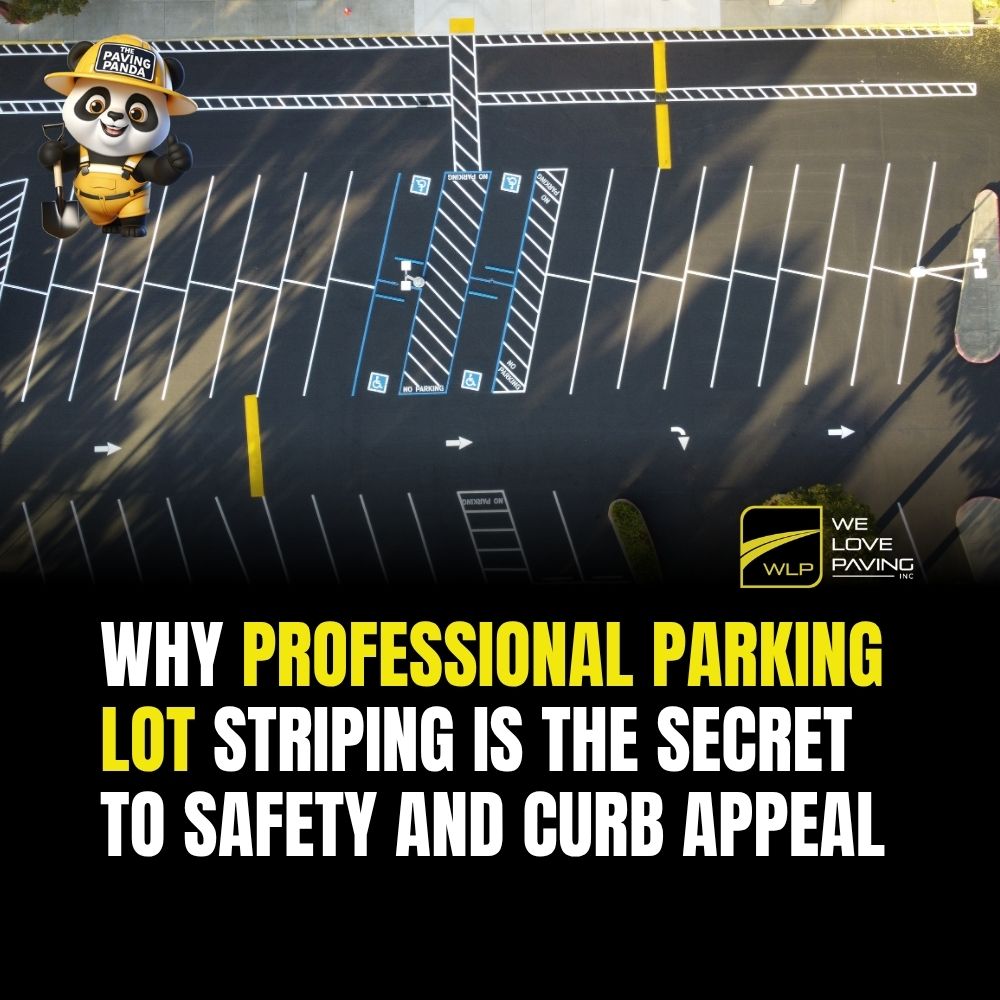
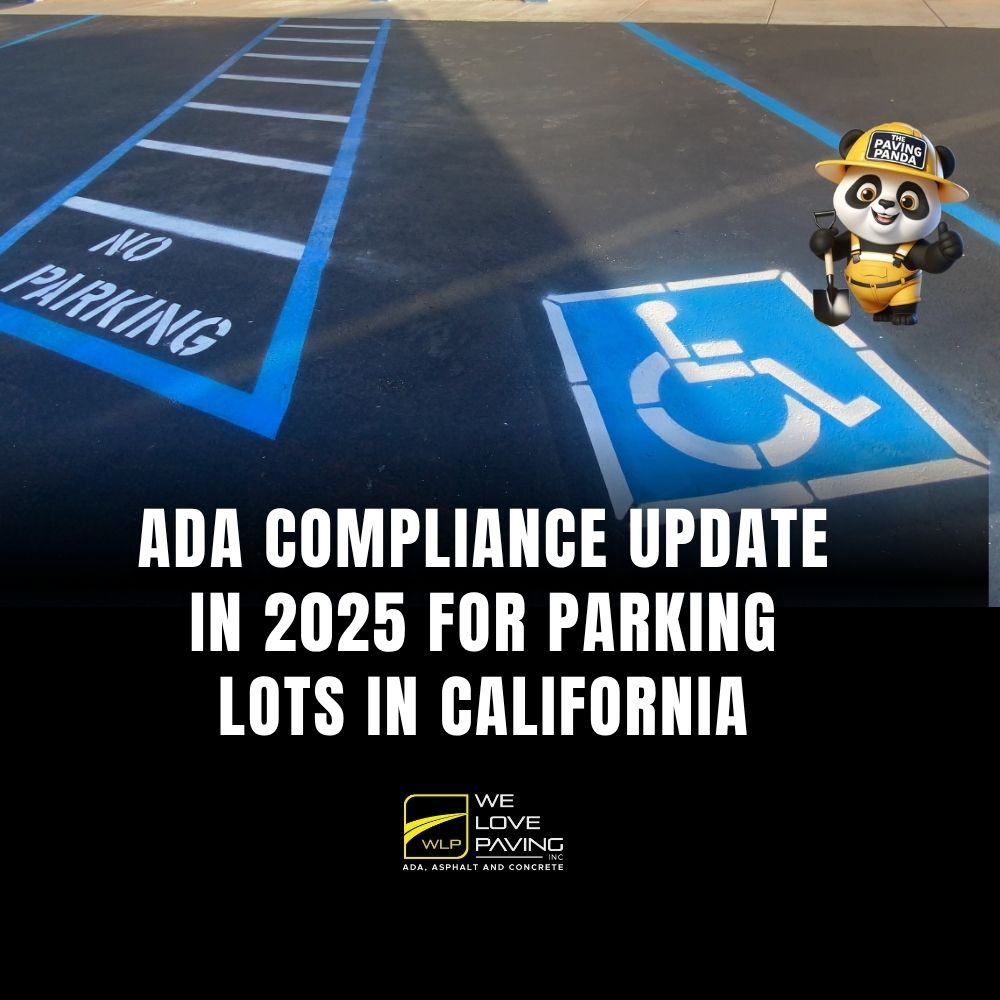
In California, accessibility isn’t just a legal requirement—it’s a core value. The state is known for its progressive approach to inclusivity, and this extends to paving projects for homes, businesses, and public spaces. Whether you’re installing a new driveway, updating a parking lot, or constructing a walkway, ensuring ADA compliance is essential. At We Love Paving, we specialize in creating paving solutions that meet California’s stringent accessibility standards while enhancing the beauty and functionality of your property. Here’s everything you need to know about ADA compliance for paving in California.
What is ADA Compliance and Why Does It Matter in California?
The Americans with Disabilities Act (ADA) is a federal law that prohibits discrimination against individuals with disabilities. It sets specific standards for accessible design, including requirements for paved surfaces like sidewalks, parking lots, ramps, and pathways. These standards ensure that people with disabilities can navigate spaces safely and independently.
In California, ADA compliance is taken a step further. The state has its own accessibility laws, such as the California Building Code (CBC) and the Unruh Civil Rights Act, which often exceed federal ADA requirements. For property owners and businesses, this means adhering to some of the most rigorous accessibility standards in the country. Non-compliance can result in costly lawsuits, fines, and reputational damage. More importantly, creating accessible spaces reflects a commitment to inclusivity and ensures that everyone, regardless of ability, can enjoy your property.
Key ADA Requirements for Paving Projects in California
Here are the essential ADA requirements to keep in mind for your paving projects in California:
1. Accessible Pathways
-
Width: Pathways must be at least 36 inches wide to accommodate wheelchairs and mobility devices. In high-traffic areas, a width of 48 inches is recommended.
-
Slope: The maximum slope for pathways is 1:20 (5%). For ramps, the slope must not exceed 1:12 (8.33%).
-
Surface: Paved surfaces must be stable, firm, and slip-resistant. Materials like textured concrete or asphalt are ideal for meeting these requirements.
2. Parking Lot Accessibility
-
Accessible Parking Spaces: California requires at least one accessible parking space for every 25 spaces in a parking lot. These spaces must be at least 8 feet wide with an adjacent 5-foot access aisle.
-
Van-Accessible Spaces: For every six accessible spaces, one must be van-accessible, with an 8-foot-wide space and an 8-foot-wide access aisle.
-
Signage: Accessible spaces must be marked with the International Symbol of Accessibility and located close to building entrances.
3. Curb Ramps
-
Location: Curb ramps must be installed wherever a sidewalk crosses a curb.
-
Width: Ramps should be at least 36 inches wide.
-
Detectable Warnings: California requires truncated dome surfaces at curb ramps to alert visually impaired individuals of potential hazards.
4. Crosswalks and Pedestrian Pathways
-
Contrasting Colors: Crosswalks and pedestrian pathways must use contrasting colors or textures to help visually impaired individuals identify safe walking areas.
-
Smooth Transitions: Ensure there are no abrupt changes in elevation, as these can create tripping hazards.
5. Maintenance and Repairs
-
Even minor issues like cracks, potholes, or uneven surfaces can create barriers for individuals with disabilities. Regular maintenance is critical to maintaining compliance and ensuring safety.
Why ADA Compliance is Especially Important in California
California is a leader in accessibility and inclusivity, and the state’s laws reflect this commitment. For businesses, ADA-compliant paving is not just about avoiding legal issues—it’s about creating a welcoming environment for all customers. For homeowners, it ensures that your property is accessible to family members, friends, and visitors with disabilities.
In addition to state and federal laws, many California cities have their own accessibility requirements. For example, San Francisco, Los Angeles, and San Diego have specific guidelines for public and private properties. Working with a paving company that understands these local regulations is essential.
How We Love Paving Ensures ADA Compliance in California
At We Love Paving, we’re passionate about creating accessible, durable, and beautiful paved surfaces. Here’s how we help our clients in California achieve ADA compliance:
-
Expert Consultation: We assess your property and provide tailored recommendations to meet ADA and California Building Code requirements.
-
Custom Design: Whether you need an accessible driveway, parking lot, or walkway, we design solutions that blend functionality with aesthetic appeal.
-
Quality Materials: We use high-quality, slip-resistant materials that meet California’s rigorous standards for durability and safety.
-
Local Expertise: Our team is familiar with California’s accessibility laws, including city-specific requirements, ensuring your project is fully compliant.
-
Ongoing Maintenance: We offer maintenance services to keep your paved surfaces in top condition and prevent compliance issues.
Conclusion
In California, ADA compliance is more than just a legal obligation—it’s an opportunity to create spaces that are inclusive, safe, and welcoming for everyone. Whether you’re a business owner, property manager, or homeowner, ensuring your paving projects meet ADA standards is a smart investment in your property’s value and your community’s well-being.
At We Love Paving, we’re proud to serve California with ADA-compliant paving solutions that combine functionality, durability, and beauty. Ready to make your property more accessible? Contact us today for a free consultation and let us help you create a paving solution that meets your needs and exceeds your expectations.