Why Commercial Asphalt Needs More Than Just Sealcoating

Many property owners think that a fresh coat of sealant is all it takes to keep asphalt looking new.
But here’s the truth: sealcoating alone won’t save a failing parking lot.

In Northern California’s tough climate — where UV exposure, heavy traffic, and rainfall take a toll — commercial asphalt needs more than a shiny surface treatment. It needs a full maintenance strategy built on inspection, repair, and protection.

At We Love Paving, we’ve seen too many businesses lose thousands of dollars because they treated sealcoating as a fix, not as part of a system.


1. Sealcoating Is Protection — Not Repair

Sealcoating creates a thin, protective layer that blocks UV rays, water, and chemicals. It’s excellent for preventing damage, but it can’t fix cracks, holes, or structural issues.

If your asphalt has potholes, rutting, or drainage problems, sealcoating just covers them up — like putting wax on a rusted car.
The underlying damage keeps growing, only now you can’t see it.

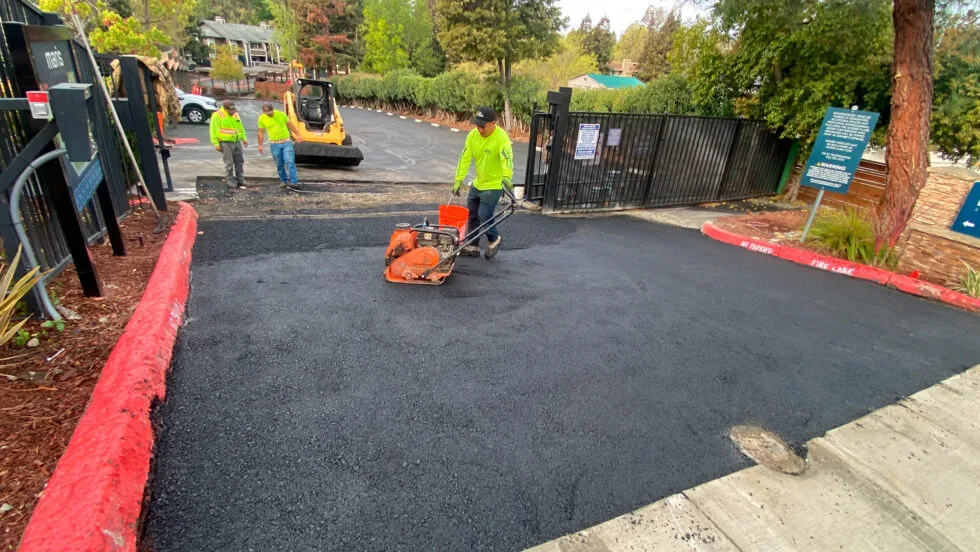
Before applying sealcoat, our team inspects the surface, fills cracks, repairs potholes, and restores the base integrity. That’s how you actually extend the pavement’s life.


2. The Enemies of Asphalt: Water, Oil, and Sun

Asphalt’s worst enemies are the elements — especially in Northern California’s mix of hot summers and wet winters.

  • Water seeps into cracks and erodes the subbase.

  • Oil and fuel leaks soften the surface, leading to ruts.

  • UV rays oxidize the asphalt, turning it gray and brittle.

Sealcoating slows this damage, but without regular inspections, crackfilling, and patching, those forces will still win.


3. Crackfilling and Patching: The Unsung Heroes

Cracks start small — hairline, almost invisible. But once they open, water gets in and the damage accelerates.
That’s why routine crackfilling is one of the smartest, most cost-effective steps you can take.

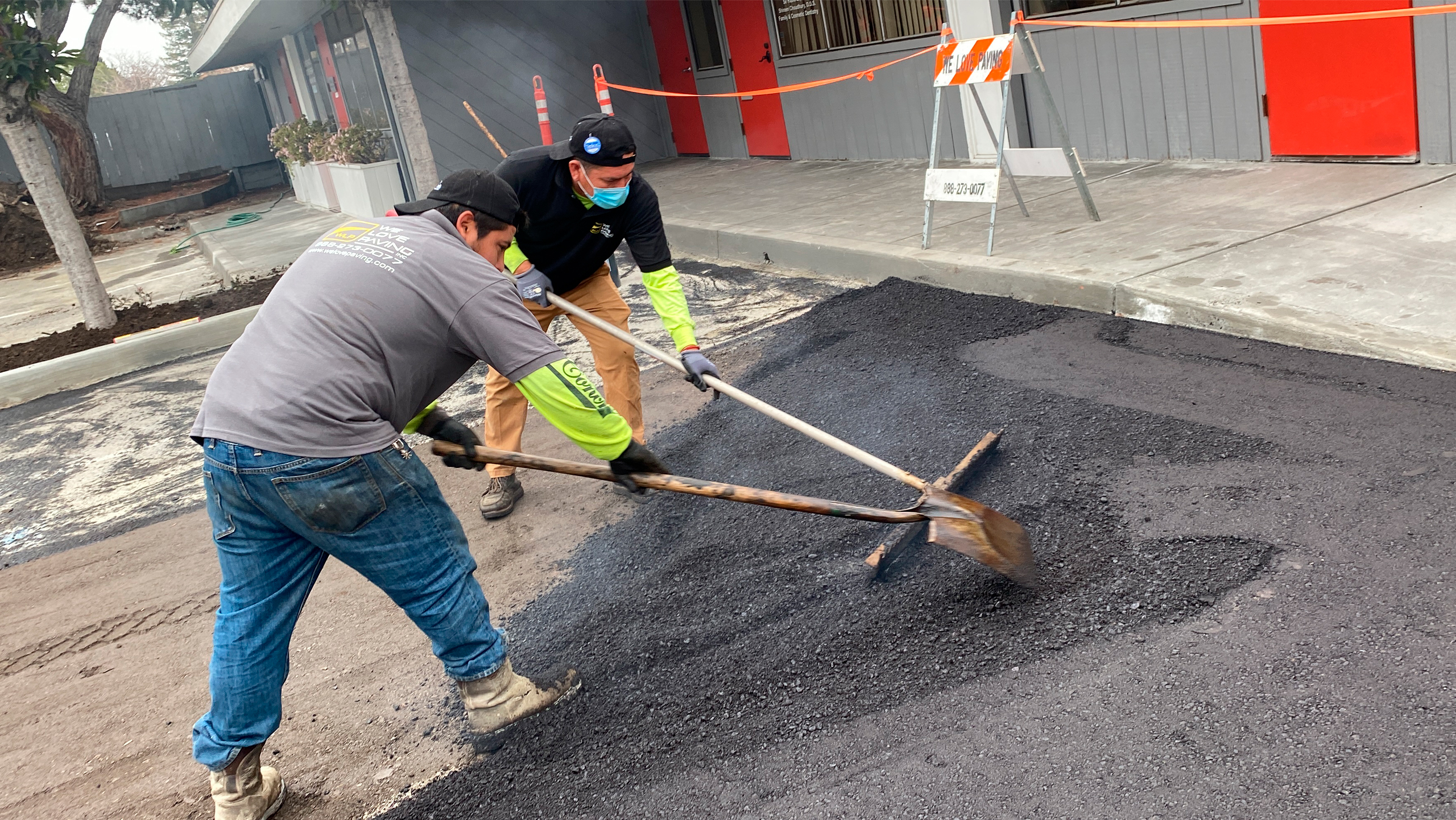
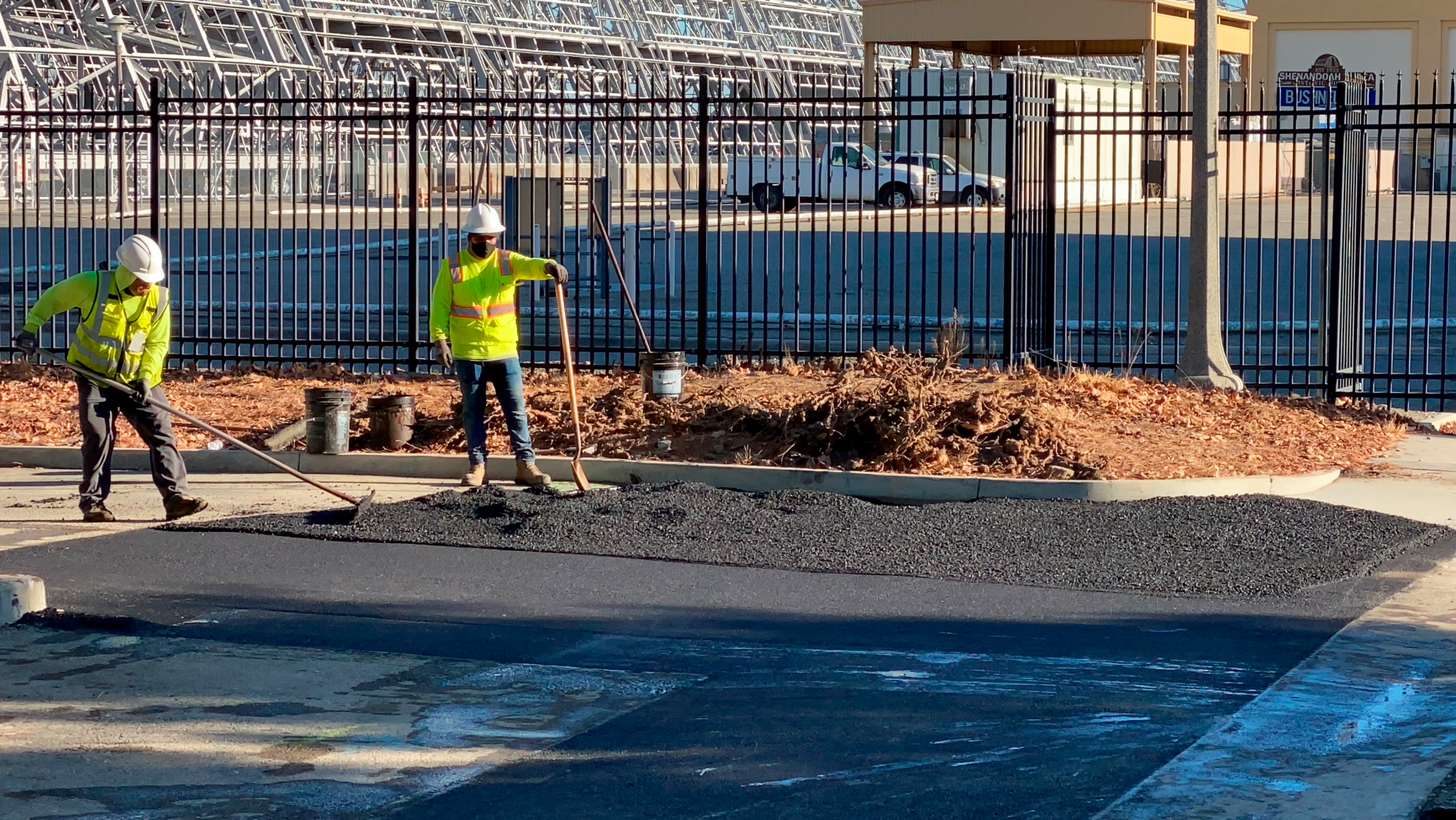
For areas already showing wear, hot asphalt patching restores strength and prevents further spread. Combined with sealcoating, it keeps your lot performing like new for years instead of months.


4. Drainage: The Overlooked Factor

Even perfect sealcoating can’t stop water from pooling.
Standing water weakens asphalt over time and creates potholes.

That’s why every We Love Paving project starts with a drainage check — ensuring your lot is sloped, graded, and sealed the right way to let water flow where it should.


5. The Long-Term Plan That Saves You Money

For commercial properties, asphalt maintenance should be scheduled like HVAC or landscaping — not handled reactively.
We recommend:

  • Annual inspections for cracks and base shifts.

  • Crackfilling every 12–18 months.

  • Sealcoating every 2–3 years.

  • Overlay or mill & pave every 8–10 years, depending on traffic.

This proactive plan reduces long-term costs by up to 50%, compared to waiting for major failure.


6. The We Love Paving Difference

At We Love Paving, we don’t sell quick fixes — we build long-term pavement strategies.
Our crews combine precision repair, drainage correction, sealcoating, and professional striping into one seamless service.

From Sacramento to the Bay Area, commercial clients trust us to keep their lots strong, safe, and looking brand new.

Because sealcoating alone is just maintenance —
but full-service paving is protection that pays for itself.


📞 Ready to Protect Your Investment?

Get a free inspection and see how our comprehensive asphalt maintenance plans can save you thousands in future repairs.

Share

WHO IS FRED?

Fred, Regional Operations Manager, comes from a family of immigrant roots and a story built on sacrifice, discipline, and hard work. Growing up, Fred watched his parents work long hours and weekends to create a better future teaching him the values of perseverance, determination, and doing things the right way every single time.
We Love Paving began with Fred’s father, who started doing what he knew best: paving. Over the years, he built experience alongside respected professionals in the industry, refining his methods and developing a reputation for quality work that speaks for itself. As his clientele grew, so did the vision one built not only on skill, but on integrity and pride in every job.

Posts that might interest you

How Close to My Property Line Can I Pour Concrete?

How Close to My Property Line Can I Pour Concrete?

June 28, 2024

Pouring concrete close to your property line is a common issue for homeowners looking to enhance their outdoor spaces. Whether it’s for a driveway, patio, or walkway, understanding the legal and practical considerations is crucial to avoid disputes with neighbors and comply with local regulations. This guide explores the key factors influencing how close you

How to Fix a Crumbling Concrete Driveway: The Ultimate Repair Guide

How to Fix a Crumbling Concrete Driveway: The Ultimate Repair Guide

June 27, 2024

When a concrete driveway starts to crumble, it’s more than a cosmetic issue—it’s a warning sign that the surface is losing its structural integrity. Left untreated, it can lead to major damage, higher repair costs, and safety hazards. Whether you’re a homeowner or manage a commercial property, this guide will show you how to restore

Do You Need a Permit to Replace a Driveway? A Comprehensive Guide

Do You Need a Permit to Replace a Driveway? A Comprehensive Guide

June 25, 2024

Replacing a driveway is a significant home improvement project that can enhance curb appeal, increase property value, and improve functionality. However, before you start tearing up your old driveway and pouring new concrete or laying pavers, it’s crucial to understand the legal and regulatory requirements involved. One of the most common questions homeowners have is

Steps Involved in Asphalt Paving

Steps Involved in Asphalt Paving

June 25, 2024

Asphalt paving is a necessary part of the construction industry. It’s a versatile material used to build roads, parking lots, and driveways. Understanding the steps involved in asphalt paving will help you choose the right pavement for your needs. Asphalt is an extremely durable material that withstands traffic and the elements. It is also environmentally

The Cost of Asphalt Cutting Per Linear Foot: What to Expect

The Cost of Asphalt Cutting Per Linear Foot: What to Expect

June 24, 2024

When it comes to construction and repair projects, asphalt cutting is often a necessary task, whether for roadworks, driveways, or other paved surfaces. Understanding the cost involved in asphalt cutting per linear foot can help you budget more accurately for your project. This article will break down the factors affecting these costs and provide a

The Best Base for an Asphalt Driveway: A Comprehensive Guide

The Best Base for an Asphalt Driveway: A Comprehensive Guide

June 24, 2024

What Do You Lay Under Asphalt?

What Do You Lay Under Asphalt?

June 24, 2024

The Process of Asphalt Paving

The Process of Asphalt Paving

June 19, 2024

Asphalt Paving is a complex process that involves numerous stages. A good paving contractor will be willing to walk you through their work processes and answer any questions. Inquire about an asphalt paving contractor’s license, worker’s compensation, and liability insurance. Ask them to provide references and project examples. Also, ask about their education and training.

Understanding the Concrete Business: A Comprehensive Overview

Understanding the Concrete Business: A Comprehensive Overview

June 18, 2024

The term “concrete business” encompasses a wide range of activities within the construction industry. From the production and delivery of ready-mixed concrete to the construction of roads, buildings, and other infrastructure projects, businesses involved in concrete play a crucial role in shaping the built environment. This article delves into the definition of a concrete business,

How Much Does it Cost to Pave One Mile of Road in California?

How Much Does it Cost to Pave One Mile of Road in California?

June 17, 2024

Paving a mile of road in California is a complex process influenced by various factors, including materials, labor, equipment, environmental regulations, and the geographical characteristics of the area. Understanding the costs involved requires breaking down these factors and examining them in detail. This blog delves into the intricacies of road paving in California, providing a

Previous Next