Why Commercial Asphalt Needs More Than Just Sealcoating

Many property owners think that a fresh coat of sealant is all it takes to keep asphalt looking new.
But here’s the truth: sealcoating alone won’t save a failing parking lot.

In Northern California’s tough climate — where UV exposure, heavy traffic, and rainfall take a toll — commercial asphalt needs more than a shiny surface treatment. It needs a full maintenance strategy built on inspection, repair, and protection.

At We Love Paving, we’ve seen too many businesses lose thousands of dollars because they treated sealcoating as a fix, not as part of a system.


1. Sealcoating Is Protection — Not Repair

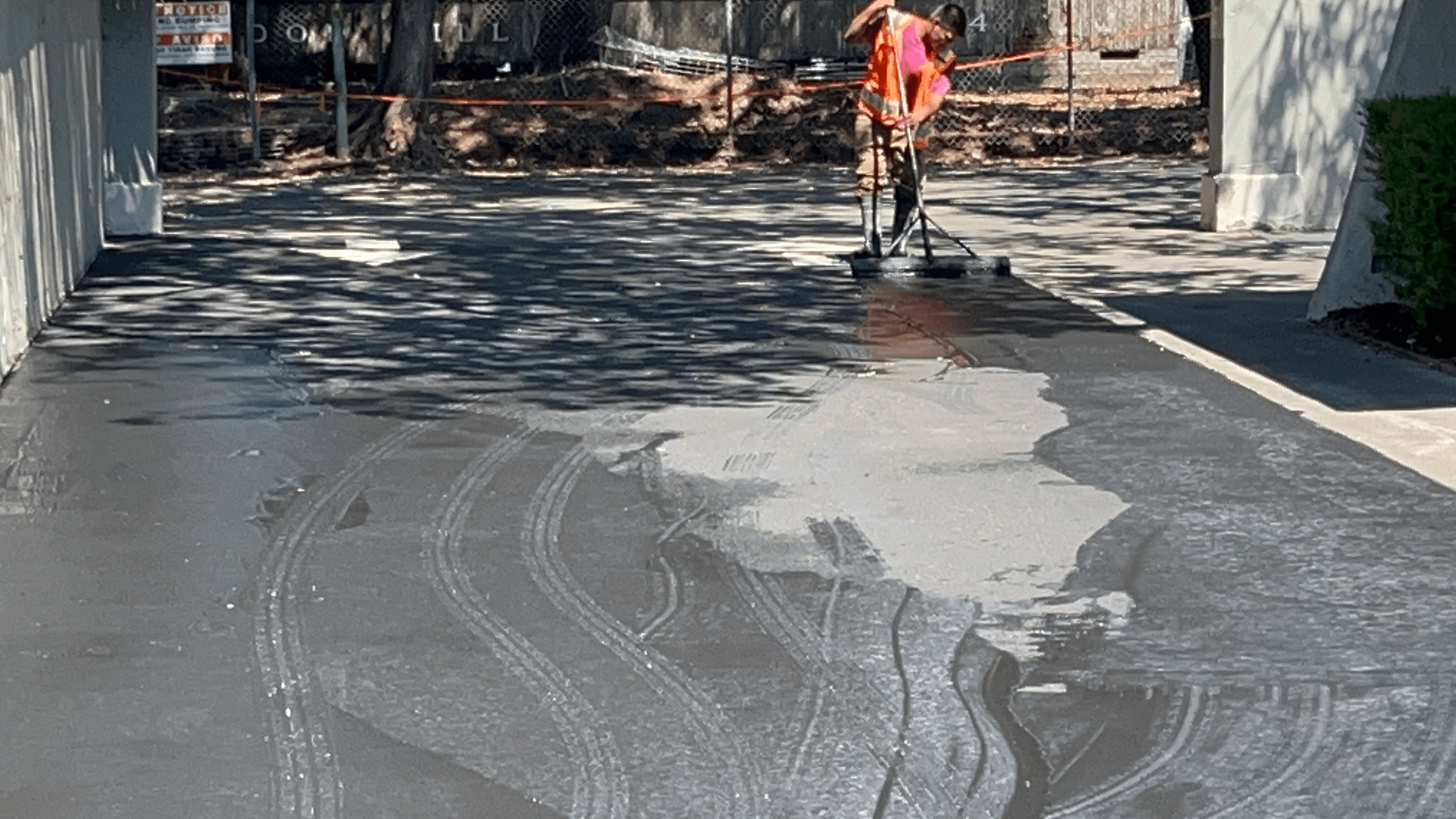
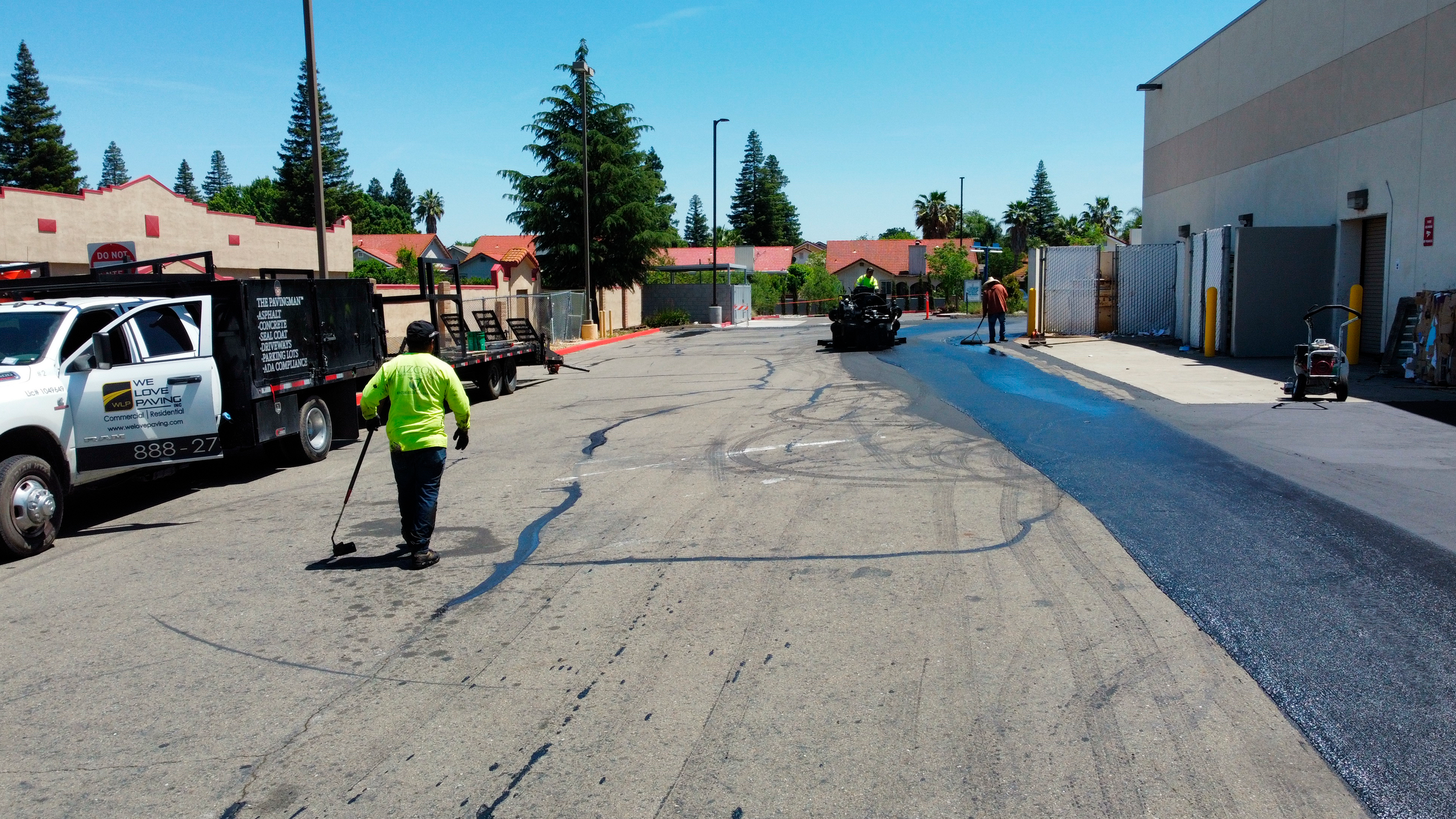
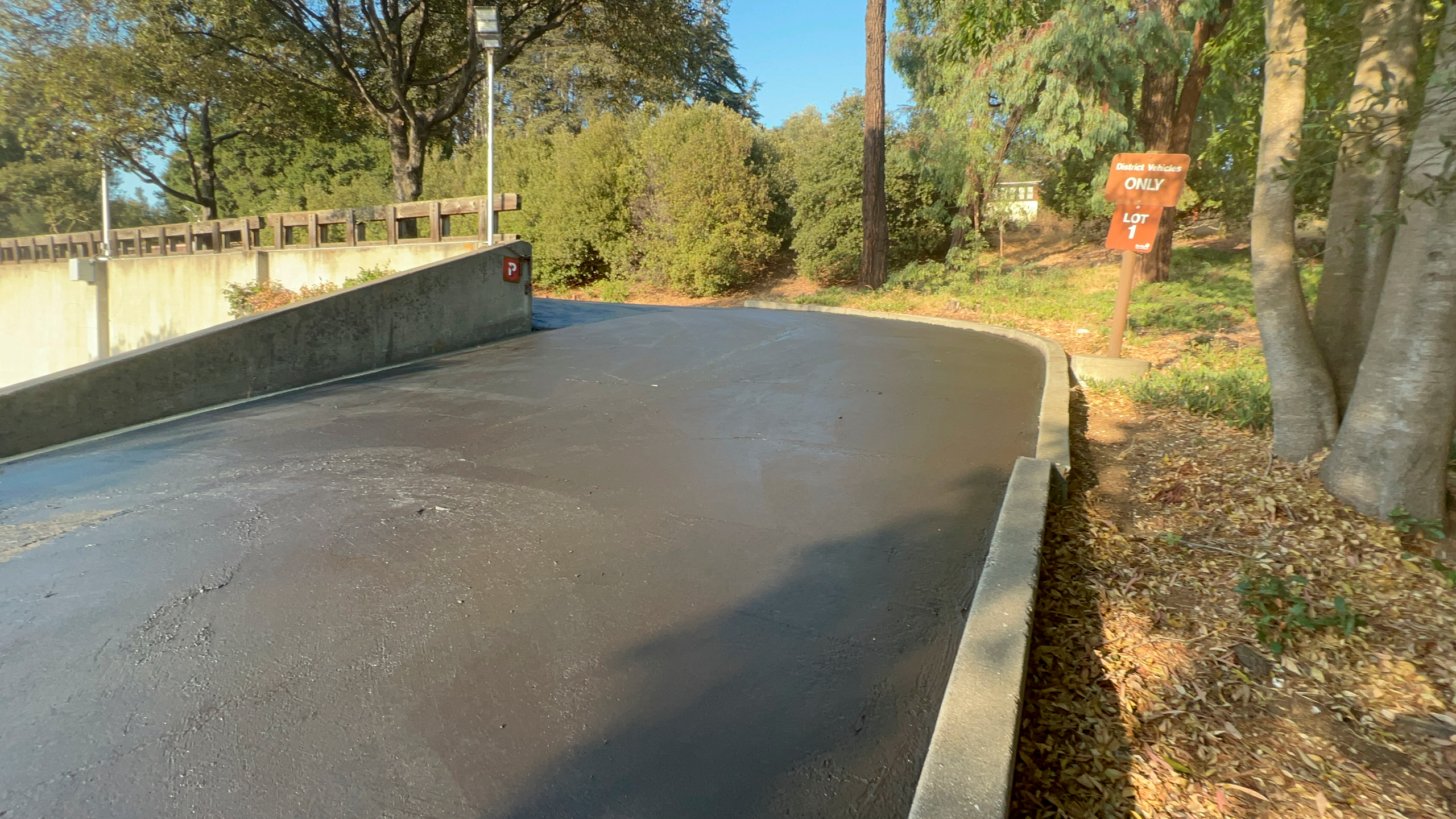
Sealcoating creates a thin, protective layer that blocks UV rays, water, and chemicals. It’s excellent for preventing damage, but it can’t fix cracks, holes, or structural issues.

If your asphalt has potholes, rutting, or drainage problems, sealcoating just covers them up — like putting wax on a rusted car.
The underlying damage keeps growing, only now you can’t see it.

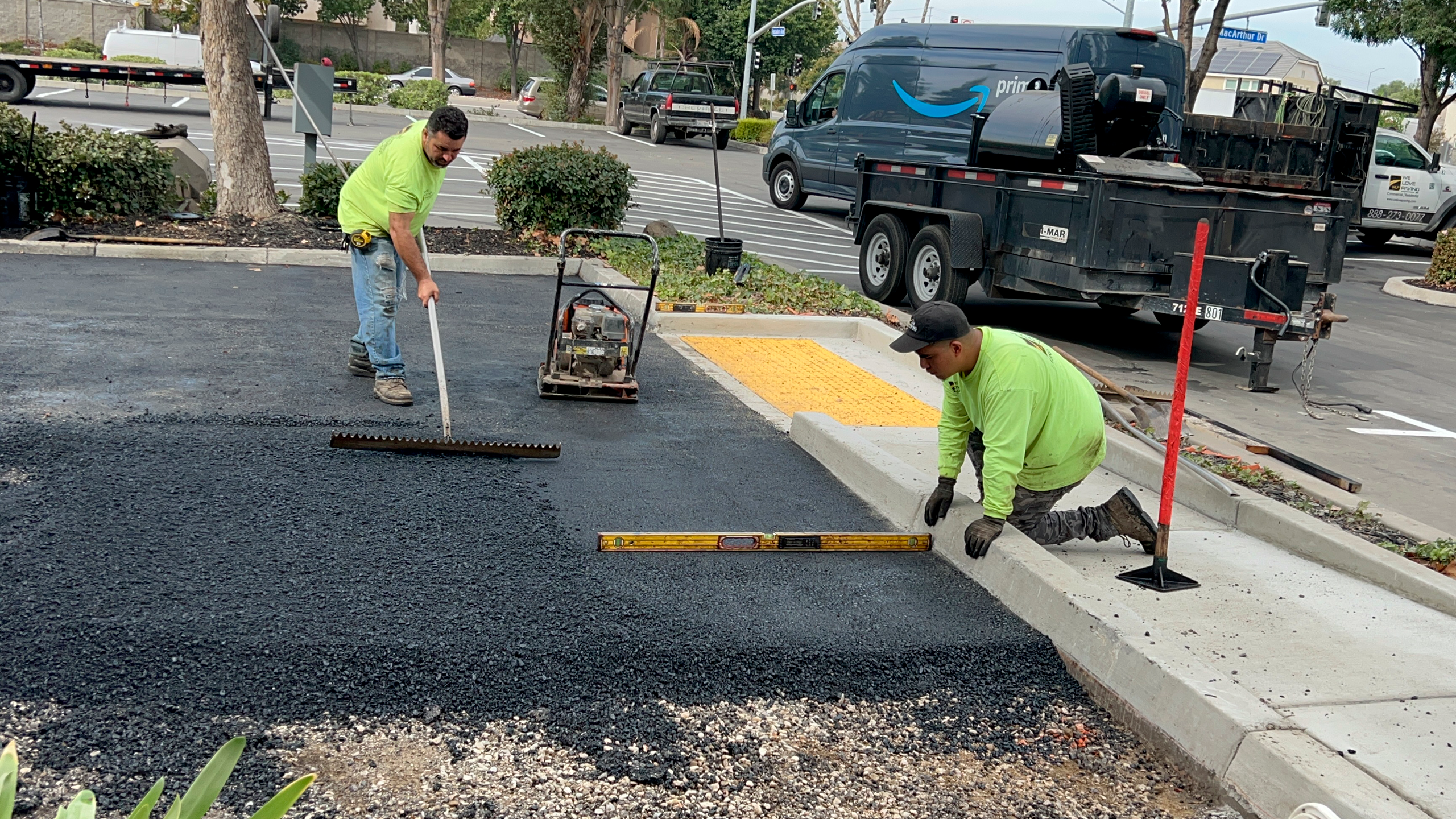
Before applying sealcoat, our team inspects the surface, fills cracks, repairs potholes, and restores the base integrity. That’s how you actually extend the pavement’s life.


2. The Enemies of Asphalt: Water, Oil, and Sun

Asphalt’s worst enemies are the elements — especially in Northern California’s mix of hot summers and wet winters.

  • Water seeps into cracks and erodes the subbase.

  • Oil and fuel leaks soften the surface, leading to ruts.

  • UV rays oxidize the asphalt, turning it gray and brittle.

Sealcoating slows this damage, but without regular inspections, crackfilling, and patching, those forces will still win.


3. Crackfilling and Patching: The Unsung Heroes

Cracks start small — hairline, almost invisible. But once they open, water gets in and the damage accelerates.
That’s why routine crackfilling is one of the smartest, most cost-effective steps you can take.

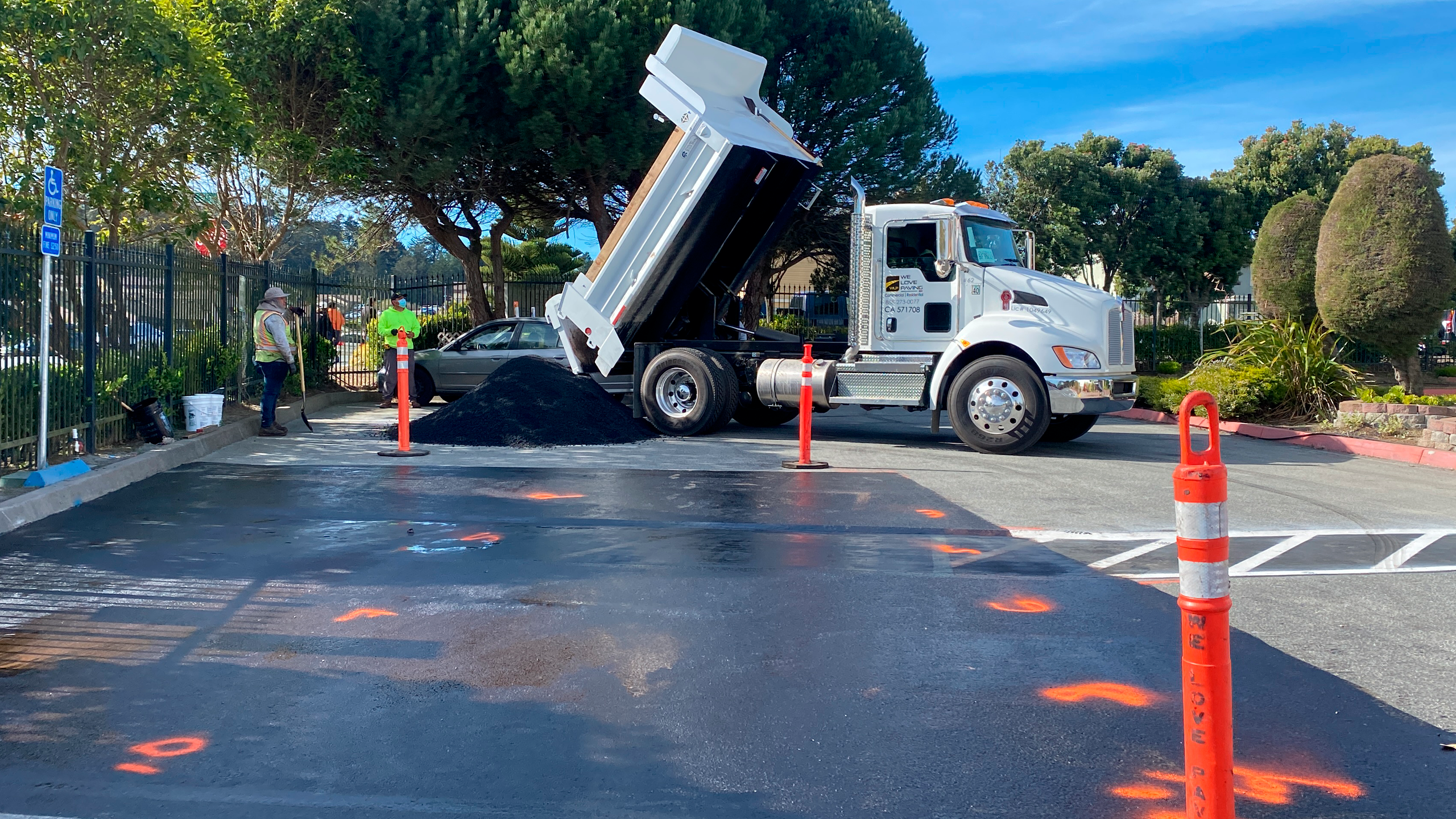
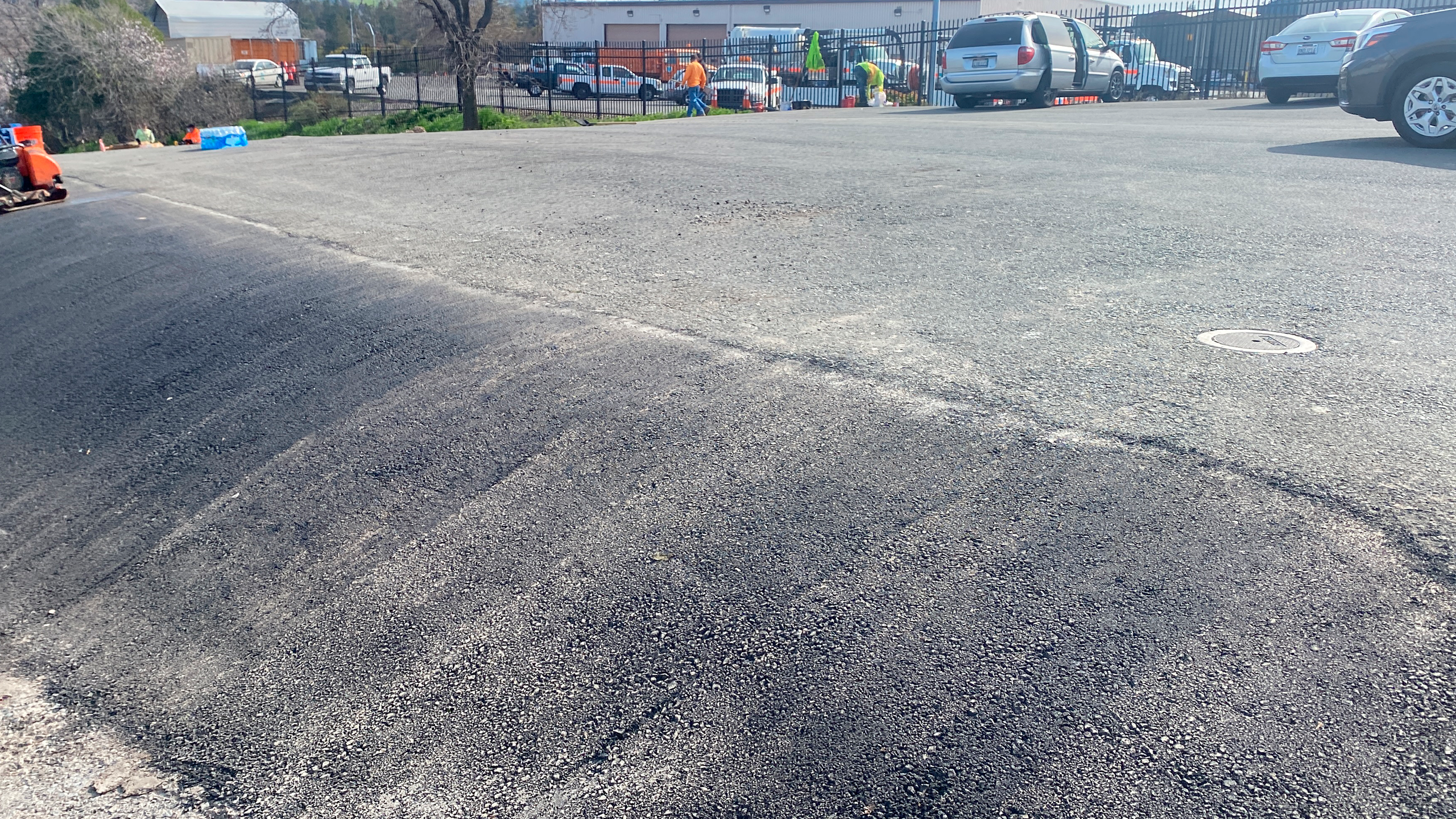
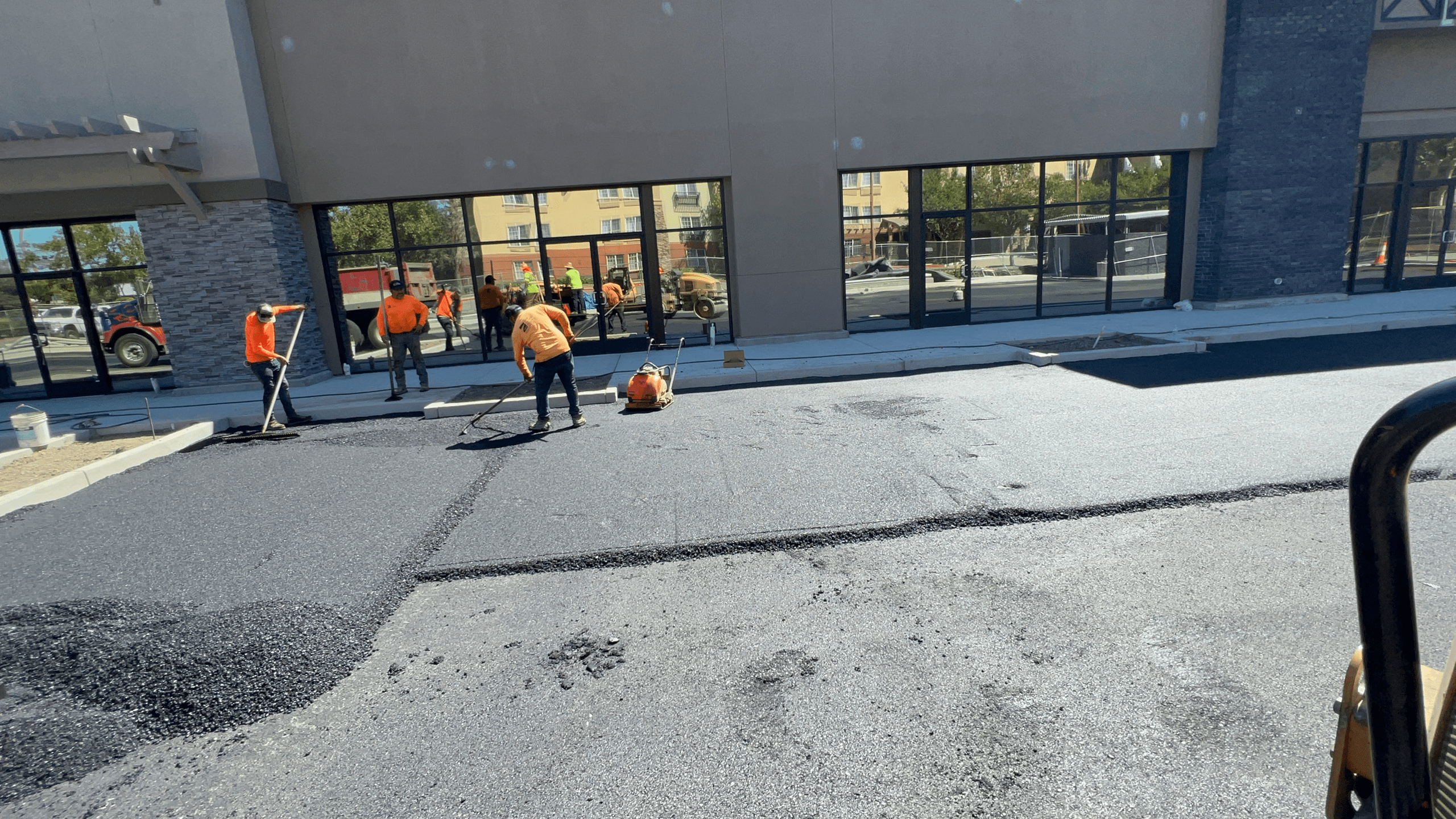
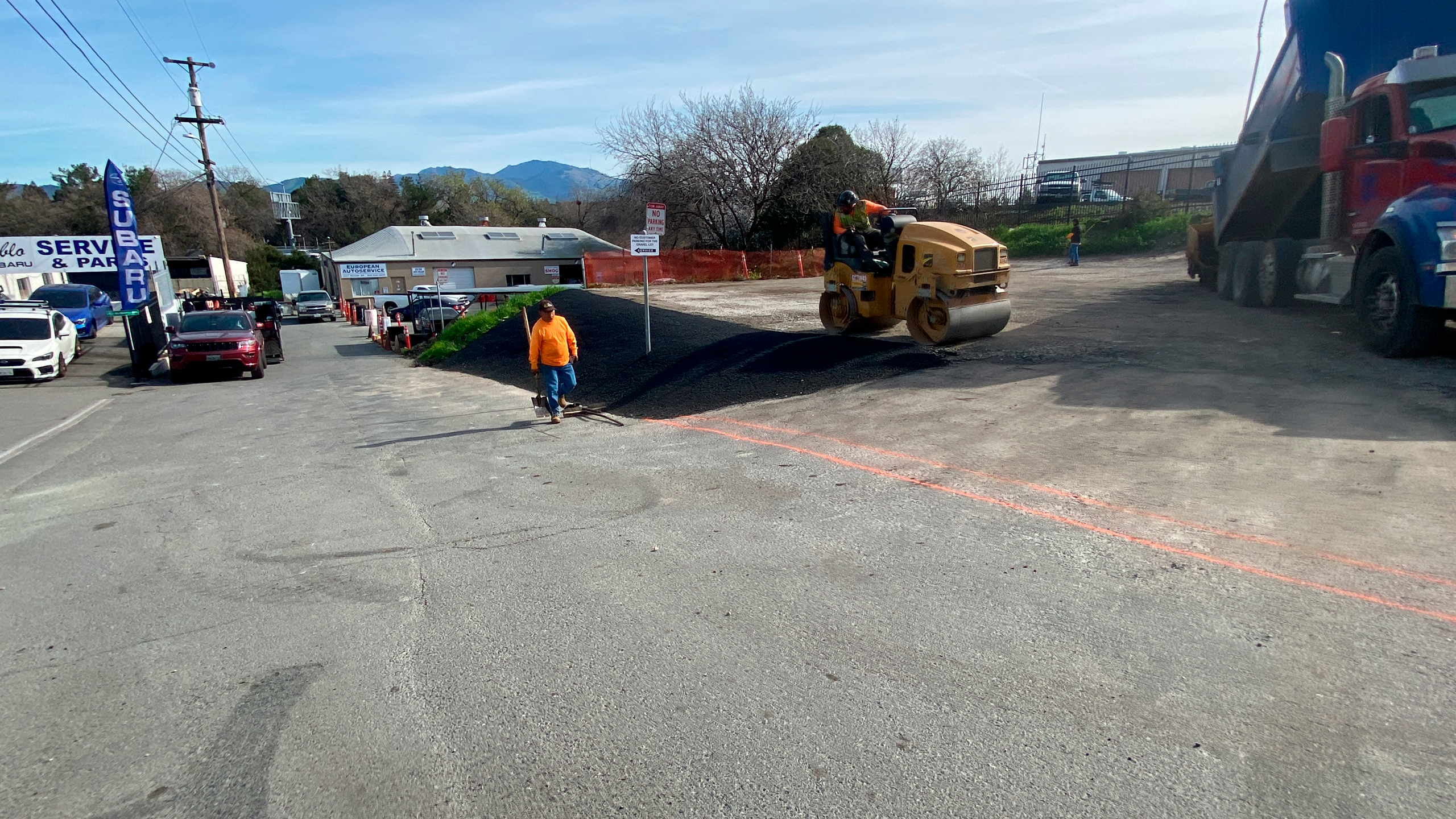
For areas already showing wear, hot asphalt patching restores strength and prevents further spread. Combined with sealcoating, it keeps your lot performing like new for years instead of months.


4. Drainage: The Overlooked Factor

Even perfect sealcoating can’t stop water from pooling.
Standing water weakens asphalt over time and creates potholes.

That’s why every We Love Paving project starts with a drainage check — ensuring your lot is sloped, graded, and sealed the right way to let water flow where it should.


5. The Long-Term Plan That Saves You Money

For commercial properties, asphalt maintenance should be scheduled like HVAC or landscaping — not handled reactively.
We recommend:

  • Annual inspections for cracks and base shifts.

  • Crackfilling every 12–18 months.

  • Sealcoating every 2–3 years.

  • Overlay or mill & pave every 8–10 years, depending on traffic.

This proactive plan reduces long-term costs by up to 50%, compared to waiting for major failure.


6. The We Love Paving Difference

At We Love Paving, we don’t sell quick fixes — we build long-term pavement strategies.
Our crews combine precision repair, drainage correction, sealcoating, and professional striping into one seamless service.

From Sacramento to the Bay Area, commercial clients trust us to keep their lots strong, safe, and looking brand new.

Because sealcoating alone is just maintenance —
but full-service paving is protection that pays for itself.


📞 Ready to Protect Your Investment?

Get a free inspection and see how our comprehensive asphalt maintenance plans can save you thousands in future repairs.

Share

WHO IS FRED?

Fred, Regional Operations Manager, comes from a family of immigrant roots and a story built on sacrifice, discipline, and hard work. Growing up, Fred watched his parents work long hours and weekends to create a better future teaching him the values of perseverance, determination, and doing things the right way every single time.
We Love Paving began with Fred’s father, who started doing what he knew best: paving. Over the years, he built experience alongside respected professionals in the industry, refining his methods and developing a reputation for quality work that speaks for itself. As his clientele grew, so did the vision one built not only on skill, but on integrity and pride in every job.

Posts that might interest you

How Long Should an Asphalt Driveway Last Before Cracking?

How Long Should an Asphalt Driveway Last Before Cracking?

July 5, 2024

When investing in an asphalt driveway, homeowners often wonder about its longevity and durability. Asphalt driveways are popular due to their affordability, aesthetic appeal, and resilience. However, like any material, asphalt is not immune to wear and tear, and over time, cracking can occur. This article explores the lifespan of asphalt driveways before cracking, with

What Temperature Should Asphalt Be Between Lifts? Insights from Sacramento, California

What Temperature Should Asphalt Be Between Lifts? Insights from Sacramento, California

July 5, 2024

Asphalt paving is a precise and methodical process where temperature plays a critical role in ensuring the durability and quality of the pavement. This is particularly true for the placement of multiple lifts or layers of asphalt. In Sacramento, California, with its distinctive climate, understanding the optimal temperature for asphalt between lifts is essential for

How Long Does an Asphalt Overlay Last? A Focus on Sacramento, California

How Long Does an Asphalt Overlay Last? A Focus on Sacramento, California

July 4, 2024

Asphalt overlays are a crucial component of road maintenance and construction, offering a cost-effective solution for renewing and extending the life of existing pavements. In Sacramento, California, where urban expansion and infrastructural development are ongoing, understanding the longevity of asphalt overlays is vital for city planners, construction companies, and residents. This article delves into the

How Much Asphalt Can Be Laid in a Day?

How Much Asphalt Can Be Laid in a Day?

July 3, 2024

Asphalt paving is a critical component of many construction projects, from residential driveways to major highways. One of the most important considerations for project managers and homeowners alike is understanding how much asphalt can be laid in a day. This not only impacts the timeline of a project but also its overall cost and logistical

How Steep Can an Asphalt Driveway Be?

How Steep Can an Asphalt Driveway Be?

July 3, 2024

Asphalt driveways are a popular choice for homeowners due to their durability, cost-effectiveness, and ease of installation. However, one critical factor to consider when planning an asphalt driveway is its slope. The steepness of a driveway can significantly impact its functionality, safety, and longevity. In this article, we will explore how steep an asphalt driveway

What is the Life Expectancy of Asphalt Paving in Sacramento, California?

What is the Life Expectancy of Asphalt Paving in Sacramento, California?

July 2, 2024

Asphalt paving is a critical component of urban infrastructure, serving as the backbone of city streets, highways, and parking lots. Its durability, cost-effectiveness, and ease of maintenance make it a popular choice for municipalities worldwide. In Sacramento, California, where urban development and traffic demand are continually increasing, understanding the life expectancy of asphalt paving is

What is the Minimum Thickness of Asphalt Pavement?

What is the Minimum Thickness of Asphalt Pavement?

July 2, 2024

The minimum thickness for asphalt pavement depends on the project: residential driveways require at least 2 inches, while commercial parking lots often start at 4 inches for durability. Factors Influencing Asphalt Pavement Thickness Traffic Load: The volume and weight of traffic that the pavement will support is a primary consideration. Heavier loads, such as those

What is the Tolerance for Asphalt Thickness?

What is the Tolerance for Asphalt Thickness?

July 1, 2024

Asphalt pavement quality is crucial for the longevity and durability of roads, driveways, and parking lots. One key aspect that affects the performance of asphalt surfaces is the thickness tolerance. This detailed guide will explore the importance of asphalt thickness tolerance, the factors that influence it, measurement techniques, and best practices for maintaining accurate thickness

What is the Best Quality Asphalt for Driveways?

What is the Best Quality Asphalt for Driveways?

June 28, 2024

Choosing the best quality asphalt for your driveway is essential to ensure durability, aesthetic appeal, and cost-effectiveness. This guide explores the types of asphalt, their benefits, and how to select the best option for your driveway needs. Understanding Asphalt Factors to Consider When Choosing Asphalt Types of Asphalt for Driveways Comparing Asphalt to Other Materials

How Thick Should Asphalt Paving Be?

How Thick Should Asphalt Paving Be?

June 28, 2024

Choosing the right thickness for asphalt paving is crucial for the longevity and durability of the surface, whether it’s a driveway, parking lot, or roadway. The thickness of asphalt paving affects its ability to withstand traffic loads, weather conditions, and overall wear and tear. This article will explore the factors influencing asphalt thickness and provide

Previous Next