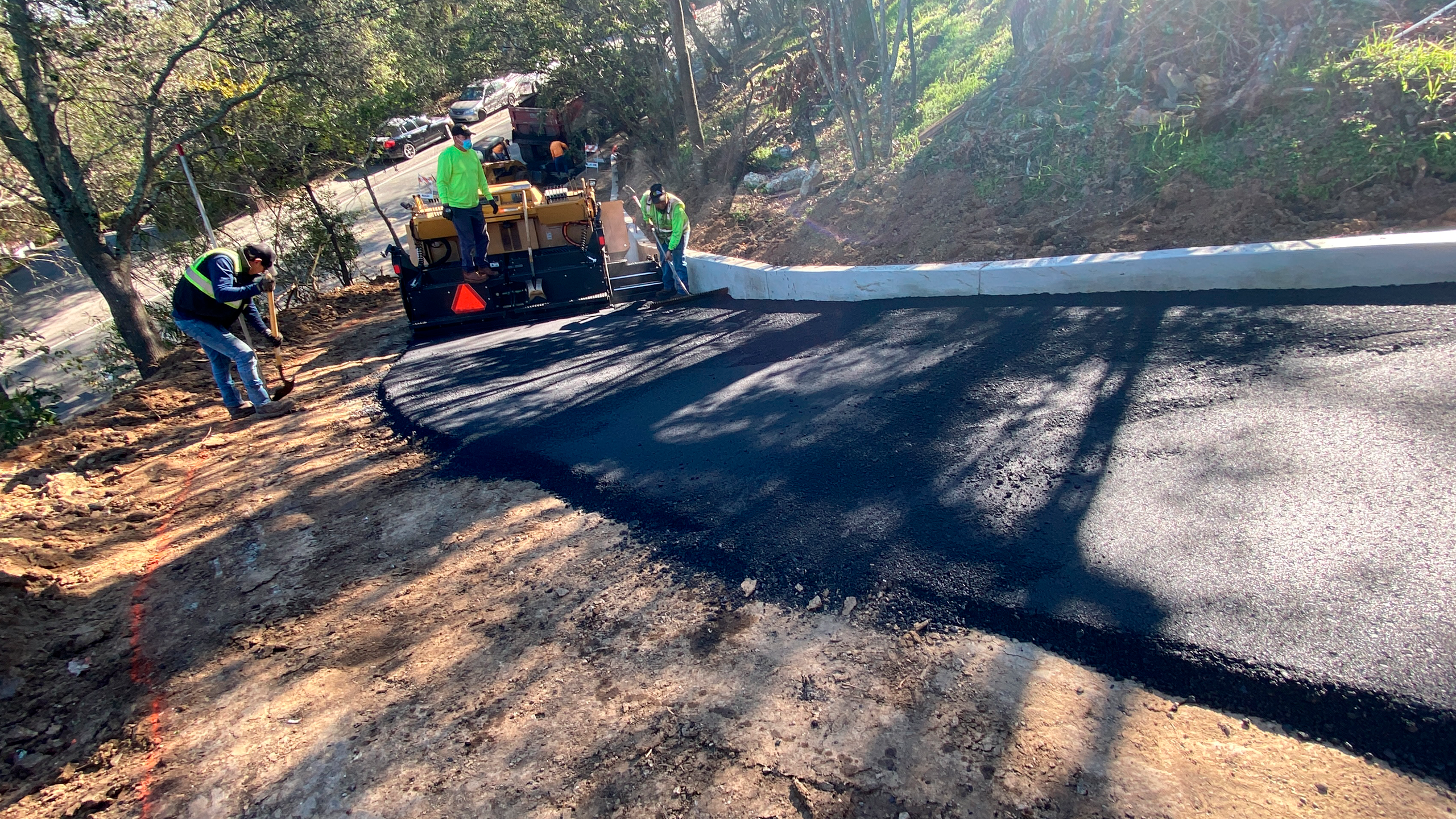
Asphalt pavement quality is crucial for the longevity and durability of roads, driveways, and parking lots. One key aspect that affects the performance of asphalt surfaces is the thickness tolerance. This detailed guide will explore the importance of asphalt thickness tolerance, the factors that influence it, measurement techniques, and best practices for maintaining accurate thickness throughout the paving process.
Understanding Asphalt Thickness Tolerance
Definition and Importance
Asphalt thickness tolerance refers to the allowable variation in the thickness of an asphalt layer from the specified design thickness. Ensuring precise thickness is crucial for several reasons:
- Structural Integrity: Proper thickness ensures that the pavement can withstand the loads and stresses it will encounter.
- Durability: Adequate thickness contributes to the long-term durability and resistance to wear and tear.
- Performance: Consistent thickness helps maintain smoothness and performance, reducing the risk of premature failures such as rutting or cracking.
Standard Tolerances
Thickness tolerances are typically specified in construction standards and guidelines provided by organizations such as the American Society for Testing and Materials (ASTM) and the American Association of State Highway and Transportation Officials (AASHTO). Commonly accepted tolerances for asphalt paving are usually within ±¼ inch (±6 mm) of the specified thickness. However, these tolerances can vary based on the type of project and local regulations.
Factors Influencing Asphalt Thickness Tolerance
Type of Project
- Residential Projects: Driveways and small parking lots may have different tolerance requirements compared to large-scale roadways.
- Commercial Projects: High-traffic areas such as highways and commercial parking lots often demand stricter thickness tolerances to ensure longevity and performance.
Material Composition
- Asphalt Mix: The composition of the asphalt mix, including the size of the aggregate and the binder content, can impact the final thickness. Different mixes may compact differently, affecting the tolerance.
- Additives: The use of additives like polymers or fibers can influence the compaction and, consequently, the thickness tolerance.
Environmental Conditions
- Temperature: Asphalt needs to be laid and compacted at specific temperatures. Deviations can affect the density and thickness.
- Humidity: Moisture levels can impact compaction and final thickness.
- Weather: Adverse weather conditions can lead to variations in thickness. For instance, cold weather can cause asphalt to cool too quickly, preventing proper compaction.
Construction Techniques
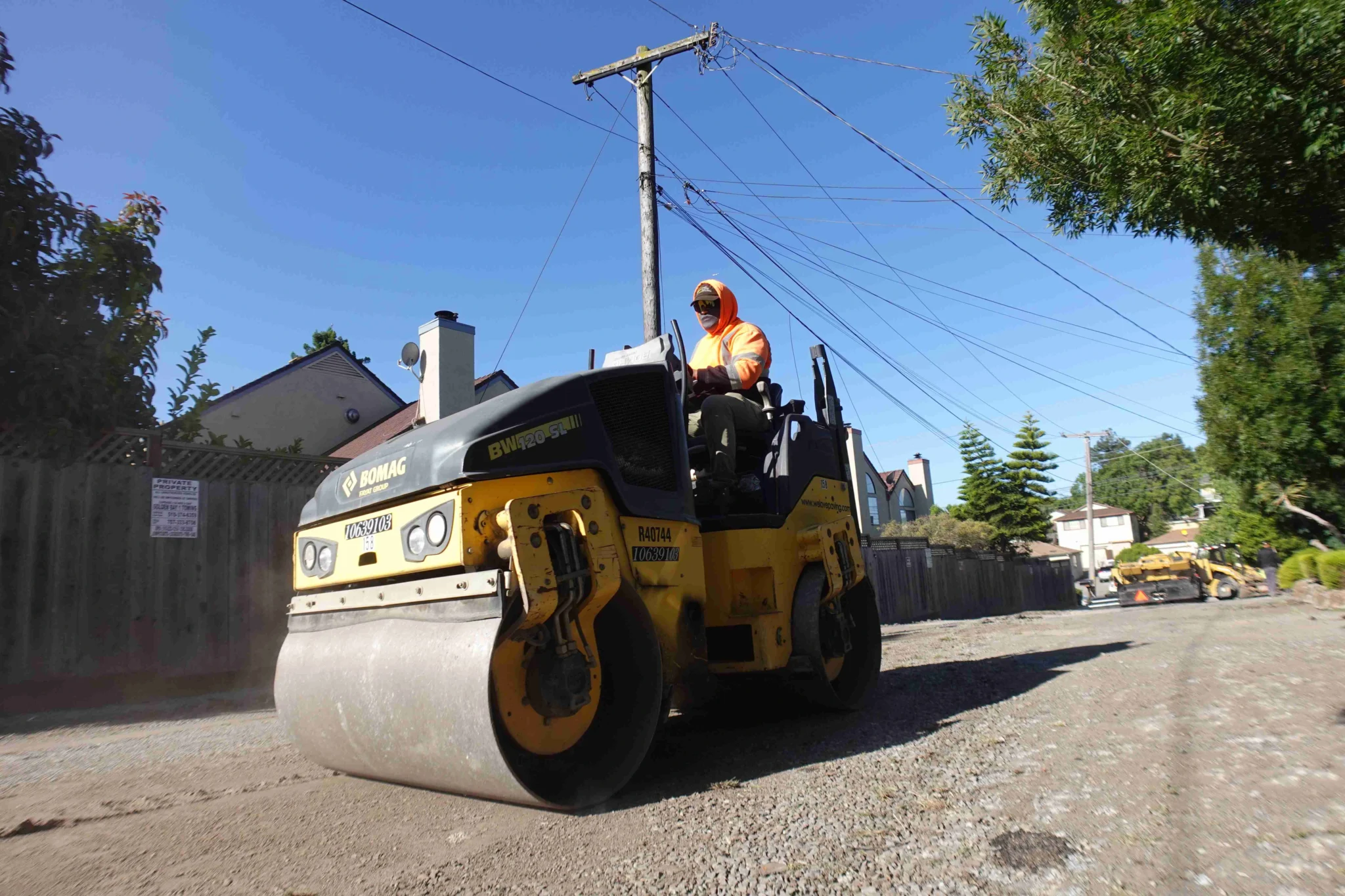
- Equipment Calibration: Proper calibration of paving equipment is essential for maintaining the desired thickness.
- Operator Skill: The experience and skill of the paving crew can significantly influence the consistency of the asphalt layer.
- Paving Speed: Consistent paving speed helps achieve uniform thickness. Variations in speed can lead to thickness deviations.
Measuring Asphalt Thickness
Pre-Paving Measurements
- Subgrade Preparation: Ensuring the subgrade is uniformly prepared and compacted is crucial for achieving the desired asphalt thickness. Variations in the subgrade can lead to inconsistent thickness.
- Base Layer: The base layer should be evenly spread and compacted. Any inconsistencies in the base layer will reflect in the asphalt thickness.
During Paving
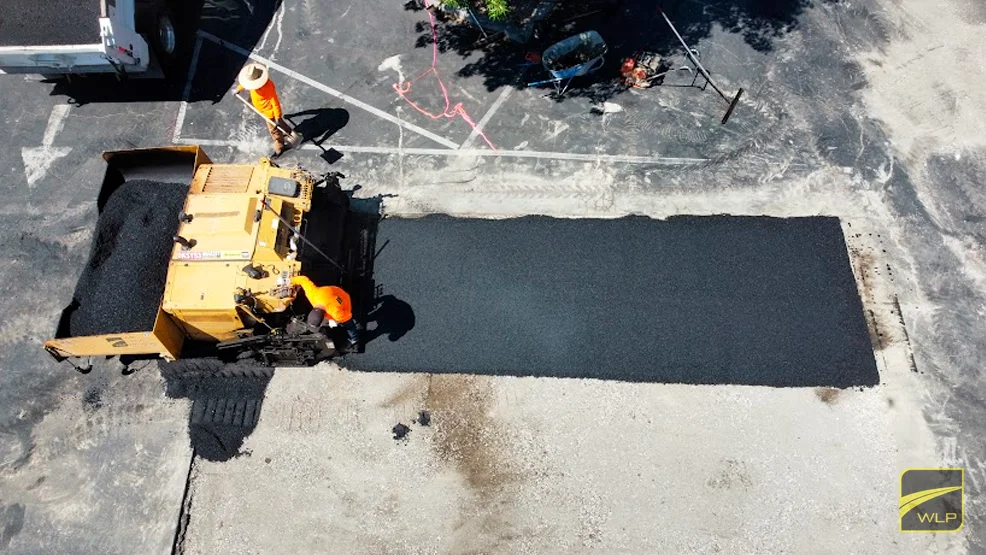
- Real-Time Measurement: Using automatic grade control systems and screed controls can help maintain consistent thickness during paving.
- Manual Checks: Periodic manual checks using thickness gauges can help verify that the asphalt is being laid to the correct thickness.
Post-Paving Verification
- Core Sampling: Extracting core samples from the finished pavement is a reliable method for measuring thickness. These samples are analyzed to determine the actual thickness and compare it to the specified design.
- Ground-Penetrating Radar (GPR): GPR is a non-destructive method that uses radar pulses to measure the thickness of asphalt layers. It provides accurate and real-time data.
- Laser Measurement: Laser-based systems can scan the pavement surface to measure thickness. These systems are highly accurate and can cover large areas quickly.
Ensuring Compliance with Tolerances
Quality Control Practices
- Regular Inspections: Conducting regular inspections during the paving process helps identify and correct deviations early.
- Testing Protocols: Implementing standardized testing protocols ensures consistency and accuracy in thickness measurements.
- Training: Ensuring that all personnel involved in the paving process are properly trained in best practices for achieving and measuring thickness.
Correcting Deviations
- Under-Thickness: If the asphalt layer is thinner than specified, additional material may need to be applied and compacted. This can be costly and time-consuming, so it’s best to prevent it through careful planning and monitoring.
- Over-Thickness: Excess thickness can lead to wasted materials and potential issues with compaction. In some cases, the excess material may need to be milled off and the surface re-compacted.
Documentation and Reporting
- Measurement Records: Keeping detailed records of all thickness measurements, including the date, location, and results, helps ensure compliance with specifications.
- Deviation Reports: Documenting any deviations from the specified thickness and the corrective actions taken is essential for maintaining quality control.
Case Studies and Examples
Real-Life Scenarios
- Highway Projects: Case studies of highway projects that achieved precise thickness tolerances, highlighting the techniques and equipment used.
- Residential Driveways: Examples of residential projects where maintaining thickness tolerance was critical to preventing future maintenance issues.
Lessons Learned
- Common Mistakes: Analysis of common mistakes made in asphalt thickness control and how they were addressed.
- Best Practices: Insights from successful projects, emphasizing the importance of proper planning, skilled labor, and quality control measures.
Expert Insights
Contractor Perspectives
- Paving Contractors: Interviews with experienced paving contractors on their approaches to maintaining thickness tolerance and overcoming challenges.
- Project Managers: Insights from project managers on coordinating large paving projects and ensuring adherence to specifications.
Industry Experts
- Engineers and Consultants: Opinions from civil engineers and industry consultants on the latest technologies and methods for achieving accurate asphalt thickness.
- Equipment Manufacturers: Perspectives from manufacturers of paving equipment on the advancements in technology that help maintain precise thickness.
Conclusion
Maintaining precise asphalt thickness tolerance is essential for the performance, durability, and longevity of paved surfaces. By understanding the factors influencing thickness, employing accurate measurement techniques, and adhering to rigorous quality control practices, paving professionals can ensure compliance with industry standards and achieve successful outcomes. Regular training, proper equipment calibration, and diligent monitoring are key to preventing thickness deviations and ensuring the quality of asphalt pavements.