In reality, the best asphalt for driveways is usually not defined by a premium label alone. A dense, properly produced hot mix asphalt is a common starting point for residential pavement, but the appropriate mix still depends on vehicle loads, underlying soil, drainage, local climate, and construction quality. A suitable asphalt mix installed over an unstable foundation can fail sooner than a properly selected mix placed on a well-prepared and compacted base.
Start by Looking at How Your Driveway Is Used
Not every residential driveway experiences the same demands. Some support two family sedans and little else. Others regularly carry large pickup trucks, travel trailers, delivery vans, or recreational vehicles that place much greater stress on the pavement.
During residential inspections, crews often notice patterns that reflect these differences:
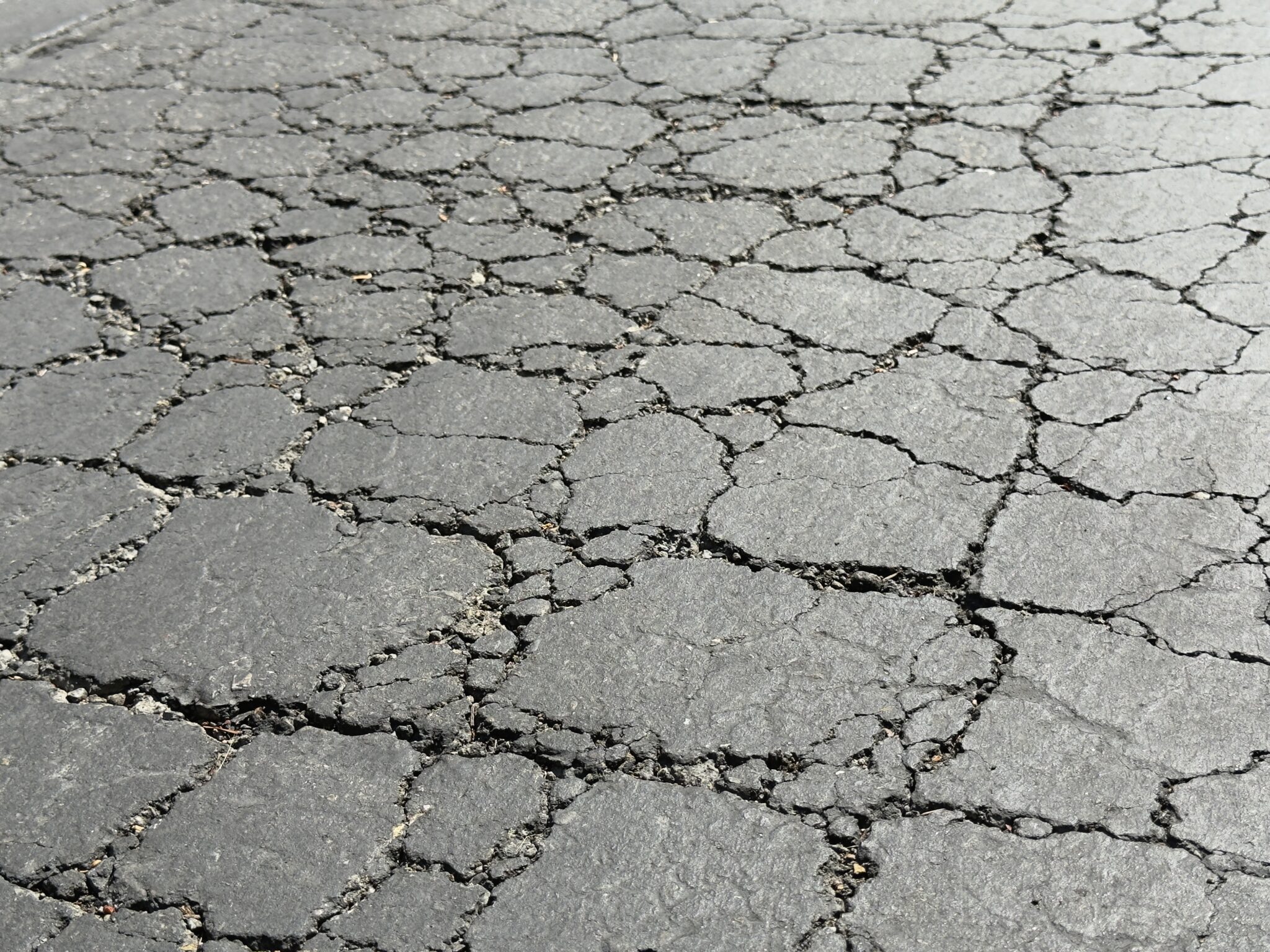
- Small cracks developing where vehicles pause before entering the garage.
- Tire depressions appearing near tight turning areas.
- Surface wear becoming concentrated beside basketball hoops or parked trailers.
- Edge deterioration where drivers consistently leave the paved surface.
In Northern California residential inspections, these conditions aren’t necessarily caused by poor asphalt; they often reflect how vehicles use the driveway every day. Repeated stopping near garage entrances, tight turning movements, heavy pickups or recreational vehicles, and vehicles crossing unsupported pavement edges can concentrate stress in specific areas. Understanding those patterns helps determine whether the driveway needs stronger base support, different edge preparation, or a pavement design better suited to how the property is actually used.
Selecting the right pavement system begins with understanding those usage patterns.
The Base Often Determines How Long Asphalt Lasts
Many homeowners focus almost exclusively on the surface because that’s what they see.
Across Northern California, We Love Paving crews evaluate recurring cracks, settlement near garage approaches, soft areas after seasonal rain, and visible surface movement as possible signs that the problem extends below the asphalt. Base preparation, drainage, and compaction therefore deserve as much attention as the surface mix itself. A properly selected asphalt mix cannot reliably compensate for weak subgrade support or a base that moves when moisture reaches the underlying layers.
This is why experienced paving crews spend considerable time preparing the base before placing new asphalt. The foundation underneath usually has a greater influence on long-term performance.
Climate Changes What “Best” Really Means
California does not have a single pavement climate. Caltrans divides the state into nine pavement climate regions because temperature, precipitation, solar exposure, and freeze-thaw conditions affect pavement differently across the state. In Northern California, a driveway may face intense summer heat, seasonal rainfall, coastal moisture, or colder inland and mountain conditions depending on location. That means the best asphalt for a driveway should be selected together with drainage, base conditions, sun exposure, and the property’s local climate rather than from a universal mix recommendation.
Instead of searching for one universal asphalt formula, homeowners benefit from evaluating several environmental factors before construction.
| Property Condition | What It May Require |
|---|---|
| Passenger vehicles only | Residential pavement design and stable base |
| Frequent pickups, RVs, or delivery trucks | Load capacity, base support, and mix selection |
| Hot inland California climate | Binder and mix suitability for sustained heat |
| Seasonal or concentrated rainfall | Grading, drainage, and base protection |
| Weak or variable soil | Additional subgrade and base preparation |
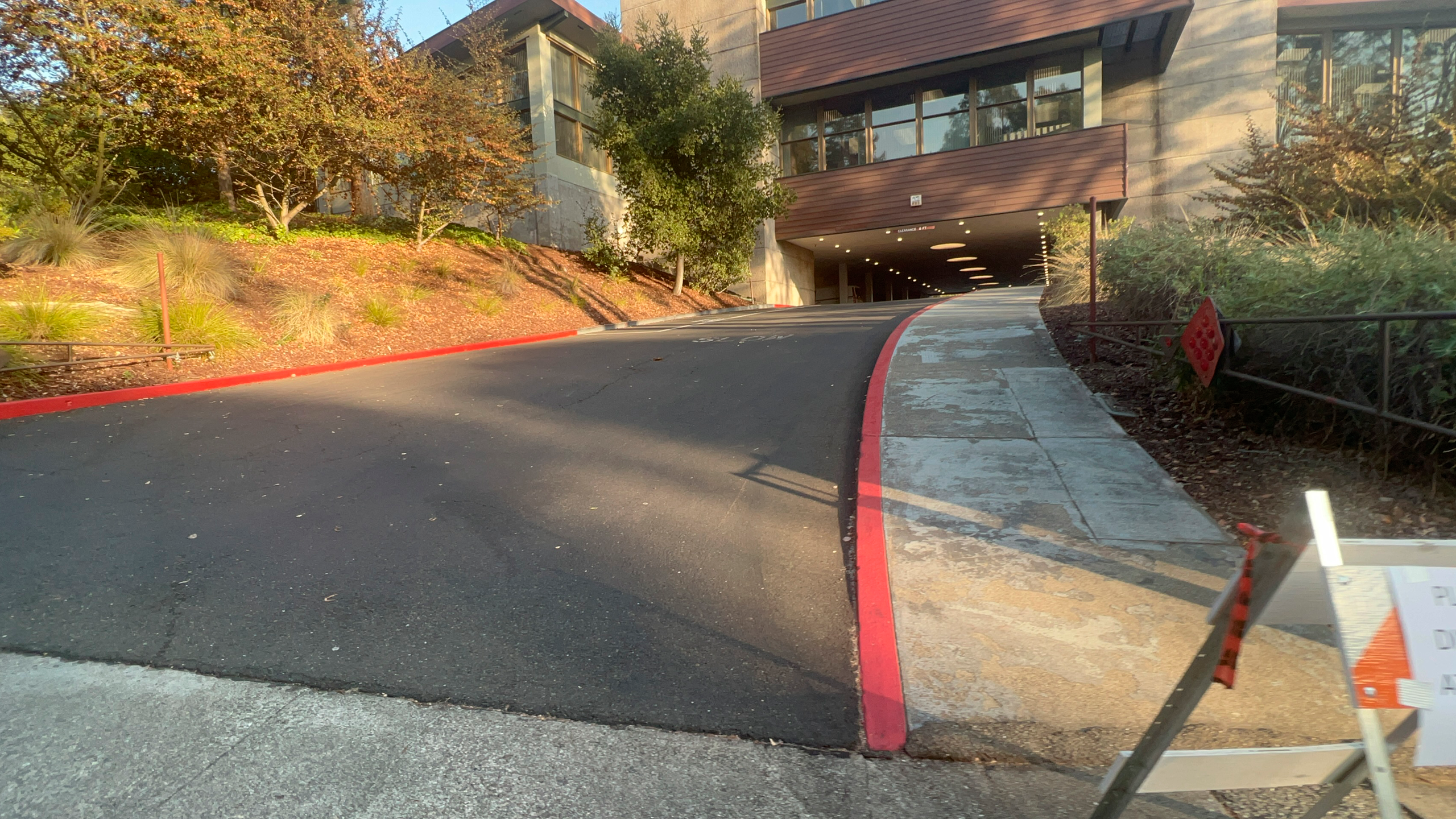
| Sloped driveway | Drainage direction, edge support, and surface stability |
This broader perspective often produces a driveway that performs better over many years than simply choosing the “highest-grade” asphalt available.
Water Is Usually the First Long-Term Test
In Northern California, seasonal rainfall makes drainage one of the clearest tests of how a driveway was designed and built. Water that repeatedly collects near a garage, remains along pavement edges, or follows wheel paths can indicate grading or support conditions that deserve closer evaluation. On properties exposed to greater coastal moisture or concentrated winter rainfall, those drainage patterns can become especially important because repeated moisture intrusion may weaken the layers supporting the asphalt.
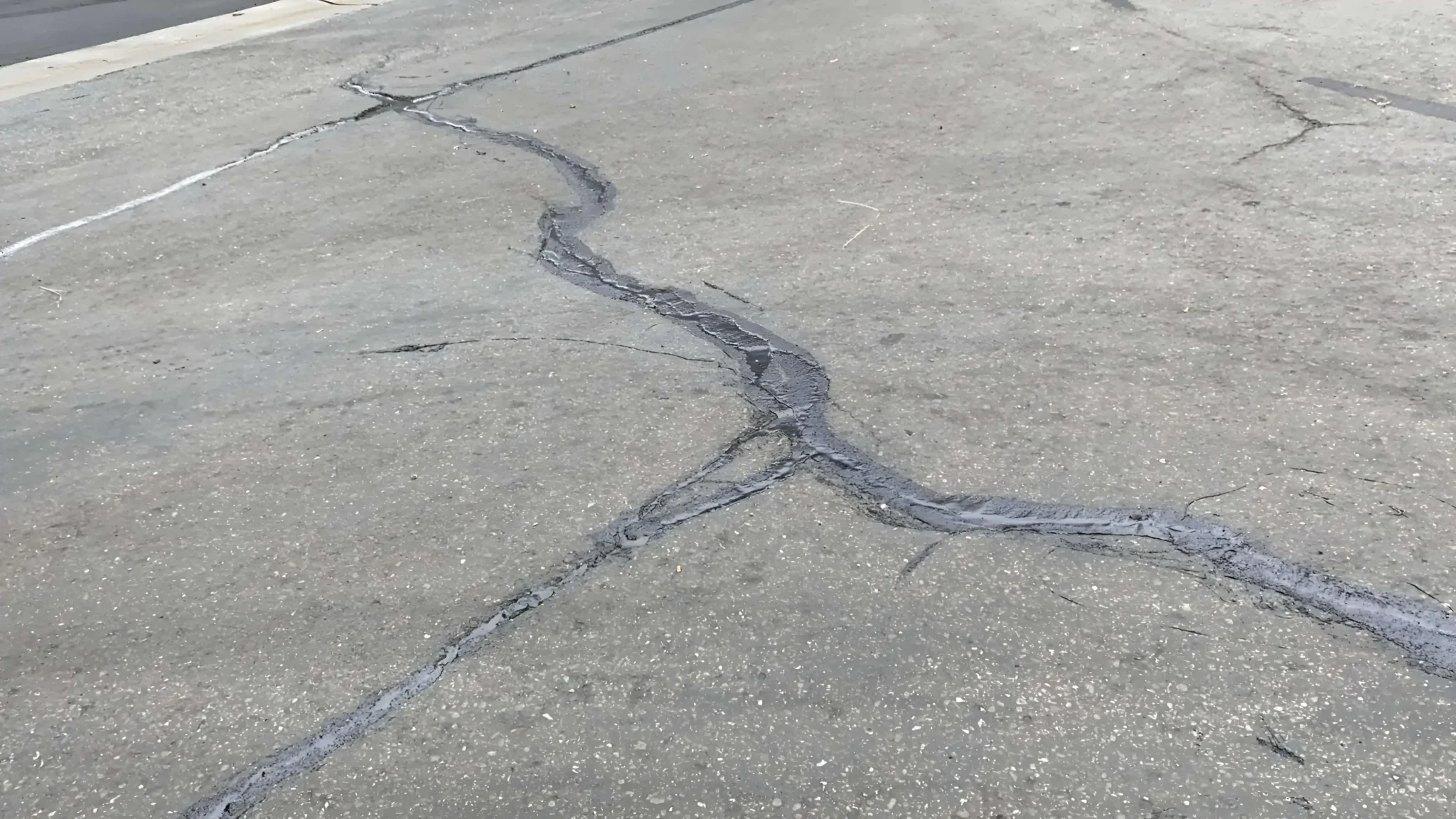
During We Love Paving site evaluations, standing water is only part of what crews look for. Persistent damp areas, fine cracking around low spots, edge deterioration, and settlement along drainage paths can help distinguish a surface-maintenance issue from a problem developing deeper in the pavement system.
Understanding these patterns early may allow asphalt protection before larger repairs become necessary.
Many of the same visual indicators discussed in pavement warning signs apply to residential surfaces as well, even though traffic levels differ significantly.
Construction Quality Outweighs Marketing Labels
Asphalt may be described with labels such as premium, commercial grade, or heavy-duty, but those terms do not explain how the pavement will perform on a specific Northern California property. In We Love Paving’s field work, grading, base preparation, compaction, drainage, transitions near garages, and supported pavement edges are evaluated together because weaknesses in any of those areas can affect the finished driveway regardless of how the mix is marketed.
The same fundamentals used in professional asphalt paving base preparation, grading, placement, and compaction—also influence residential driveway performance. The mix matters, but installation quality determines whether that material is being placed into a pavement system capable of supporting the traffic and site conditions it will actually face.
Likewise, improvements in modern paving technology continue helping contractors produce more consistent results, but they cannot replace proper construction fundamentals.
Think About Future Changes Before Building
Northern California homeowners often design a driveway around today’s vehicles without considering how the property may be used later. Adding a camper, purchasing an electric vehicle, expanding parking space, or remodeling a front entrance can change traffic patterns, pavement loads, and where future utility work may need to cross the driveway.
For example, future EV charging installation may require utility work that interacts with existing pavement. Planning ahead during driveway construction can simplify those upgrades later.
Similarly, if walkway improvements become part of a broader exterior renovation, coordinating them with sidewalk repair may produce a cleaner transition between pedestrian areas and the driveway while minimizing repeated excavation.
Considering future property use before construction can extend the usefulness of the investment beyond its initial purpose.
Choosing Asphalt That Matches Your Property
There isn’t one asphalt mix that qualifies as the best for every Northern California driveway. Homeowners should expect the paving recommendation to explain how the proposed mix relates to vehicle loads, base conditions, drainage, local climate, sun exposure, and how the driveway will actually be used. For many residential applications, dense hot mix asphalt is a practical starting point, but the final pavement design should reflect the conditions found at the property rather than a universal material specification.
Properties with persistent drainage challenges, heavy tree cover, or low-lying grading may instead benefit from a porous asphalt mix, which is designed to let water pass through the surface rather than pool against it. Unusual drainage, traffic, or site conditions may justify a different pavement design altogether. Homeowners planning a full driveway installation from the ground up can walk through base preparation, grading, and material selection in more detail in our driveway paving guide