What is the Life Expectancy of Asphalt Paving in Sacramento, California?

We Love Paving services in Livermore. Professional paving contractor serving Livermore and Peninsula areas.
Estimation Tools

Calculate costs in seconds

Fast, accurate estimates that help you close more jobs. Less guesswork, more profit.

Factors Influencing the Life Expectancy of Asphalt Paving

Climate and Weather Conditions

Temperature Fluctuations: Sacramento experiences hot summers with temperatures often exceeding 90°F and mild, wet winters. These temperature extremes can cause the asphalt to expand and contract, leading to cracks and potholes over time.

Precipitation: Although Sacramento’s rainfall is relatively moderate, averaging about 20 inches per year, the occasional heavy downpour can seep into cracks and cause water damage, undermining the pavement structure.

Traffic Volume and Load

Vehicle Types: The type and volume of traffic significantly affect asphalt’s lifespan. Heavy vehicles, such as trucks and buses, exert more pressure on the pavement, accelerating wear and tear.

Traffic Flow: High-traffic areas, such as downtown Sacramento and major thoroughfares like Interstate 5 and Highway 50, are more prone to faster deterioration due to constant use.

Quality of Materials Used

Aggregate Quality: The type and quality of aggregate (crushed stone, gravel, sand) used in the mix also impact durability. High-quality aggregates provide better support and resistance to wear.

Construction Practices

Proper Installation: Ensuring proper installation practices, such as adequate base preparation, appropriate thickness, and correct compaction, is vital for the pavement’s longevity.

Temperature Control: Asphalt must be laid and compacted at the right temperature to prevent premature aging and cracking.

Maintenance and Repair Practices

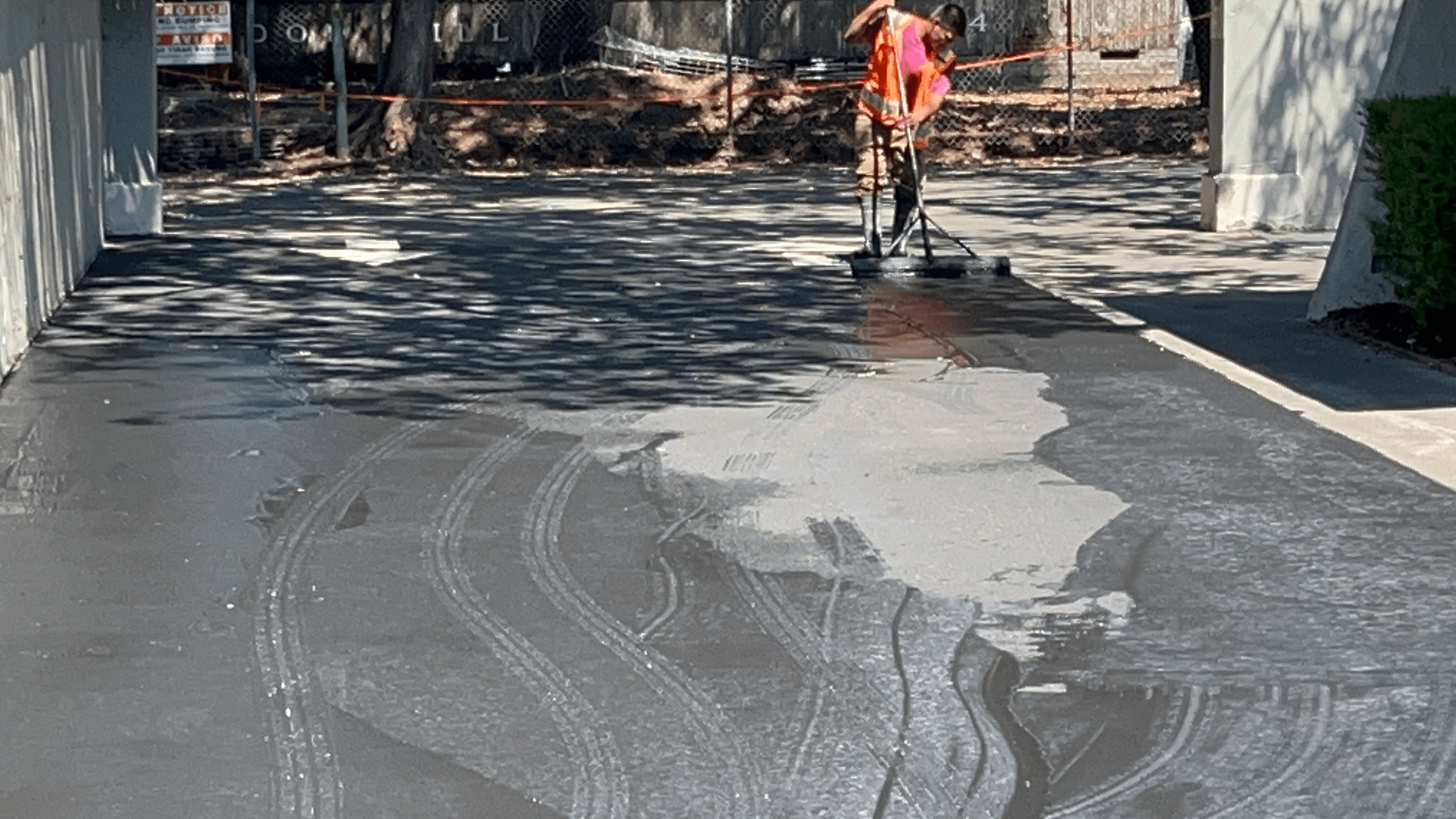
Routine Maintenance: Regular maintenance, such as sealcoating, crack sealing, and patching, can significantly extend the life of asphalt paving by protecting it from the elements and reducing further damage.

Timely Repairs: Promptly addressing minor issues, such as cracks and potholes, prevents them from developing into more extensive and costly problems.

Asphalt Paving in Sacramento

Sacramento’s unique climate and urban environment present specific challenges and considerations for asphalt paving.

Climate Impact

The hot summer temperatures can cause asphalt to soften and become more susceptible to damage from heavy traffic. Conversely, cooler winter temperatures can lead to contraction and cracking. Sacramento’s relatively low humidity levels help mitigate some moisture-related issues but do not eliminate them entirely.

Traffic Patterns

Sacramento’s traffic patterns vary, with downtown areas experiencing heavy congestion and residential neighborhoods seeing lighter traffic. Major highways and arterials, such as Highway 99 and Interstate 80, handle substantial volumes of heavy vehicles, demanding more robust and durable asphalt solutions.

Local Regulations and Standards

Sacramento follows specific regulations and standards for asphalt paving to ensure quality and longevity. These include guidelines on material specifications, construction methods, and maintenance practices. Adherence to these standards is crucial for achieving optimal pavement performance.

Materials and Methods

The materials used for asphalt paving in Sacramento are typically chosen to withstand local climate conditions and traffic demands. This includes high-quality asphalt mixes with additives to enhance durability and resistance to temperature fluctuations.

Case Studies

Examining real-world examples can provide valuable insights into the factors affecting asphalt longevity in Sacramento.

Long-Lasting Pavements

Example 1: A well-maintained residential street in East Sacramento, paved with a high-quality asphalt mix and subjected to routine maintenance, has shown minimal signs of wear after 20 years of service.

Example 2: A section of Highway 50 that underwent extensive rehabilitation and resurfacing with improved materials and techniques has demonstrated excellent durability, withstanding heavy traffic for over 15 years without significant deterioration.

Premature Failures

Example 1: A commercial parking lot in Midtown Sacramento experienced premature cracking and potholing within 5 years due to poor installation practices and substandard materials. Lack of routine maintenance exacerbated the issues.

Example 2: A stretch of Interstate 5 suffered from early wear and tear due to heavy truck traffic and inadequate base support, leading to frequent repairs and resurfacing efforts.

Maintenance and Best Practices

Implementing effective maintenance and best practices is key to maximizing the life expectancy of asphalt paving in Sacramento.

Recommended Maintenance Schedules

Sealcoating: Applying a sealcoat every 3-5 years can protect the asphalt from UV rays, water infiltration, and oxidation.

Crack Sealing: Sealing cracks as soon as they appear prevents water from penetrating the pavement and causing further damage.

Patching and Pothole Repairs: Timely patching of potholes and damaged areas prevents them from expanding and compromising the entire pavement structure.

Effective Repair Techniques

Overlaying: Applying a new layer of asphalt over the existing pavement can extend its life by providing a fresh, smooth surface.

Full-Depth Reclamation: In cases of severe damage, full-depth reclamation involves pulverizing the existing pavement and base materials, mixing them with new asphalt, and compacting to create a durable new surface.

Innovations in Asphalt Technology

Polymer-Modified Asphalt: Adding polymers to the asphalt mix enhances flexibility and resistance to cracking, especially beneficial in Sacramento’s fluctuating temperatures.

Warm Mix Asphalt: Using warm mix asphalt technology reduces the production and placement temperatures, leading to lower emissions and improved workability.

Cost Implications

Understanding the cost implications of asphalt paving is crucial for effective budgeting and decision-making.

Initial Installation vs. Long-Term Maintenance

Initial Costs: High-quality materials and proper installation practices may increase initial costs but result in a more durable pavement with lower long-term maintenance expenses.

Maintenance Savings: Regular maintenance, while incurring ongoing costs, significantly extends pavement life and reduces the frequency and severity of repairs, ultimately saving money in the long run.

Economic Impact

City Budgets: Investing in durable asphalt solutions and proactive maintenance can help municipalities like Sacramento manage their infrastructure budgets more efficiently and reduce the financial burden on taxpayers.

Property Values: Well-maintained streets and pavements contribute to higher property values and improved quality of life for residents.

How to Extend the Life of Asphalt Pavement in Sacramento, California

The life expectancy of asphalt paving in Sacramento, California, is influenced by a combination of climate, traffic, materials, construction practices, and maintenance efforts. By understanding these factors and implementing best practices, the city can maximize the lifespan of its asphalt pavements, ensuring safe and durable roadways for its residents. Investing in quality materials, proper installation, and routine maintenance not only enhances pavement longevity but also delivers long-term economic benefits for the community.

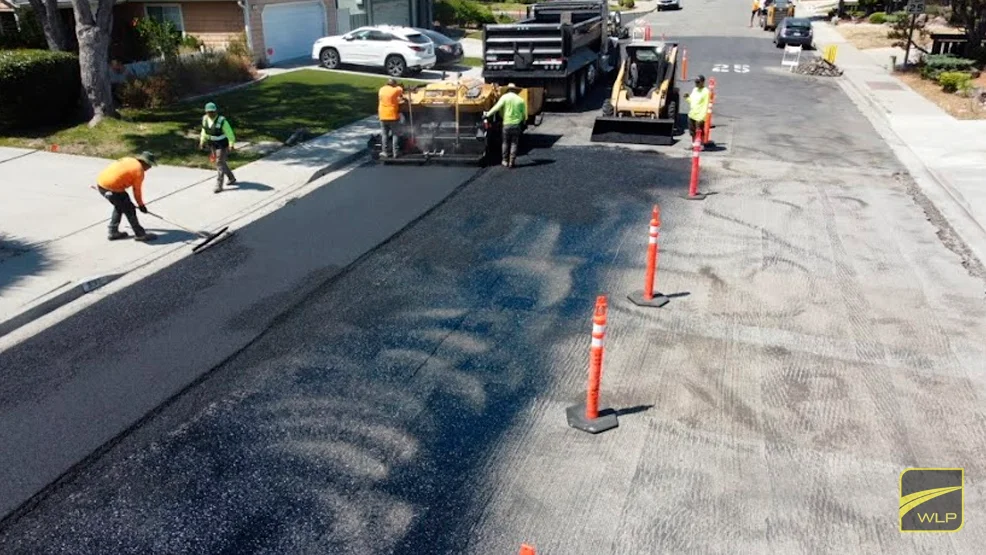
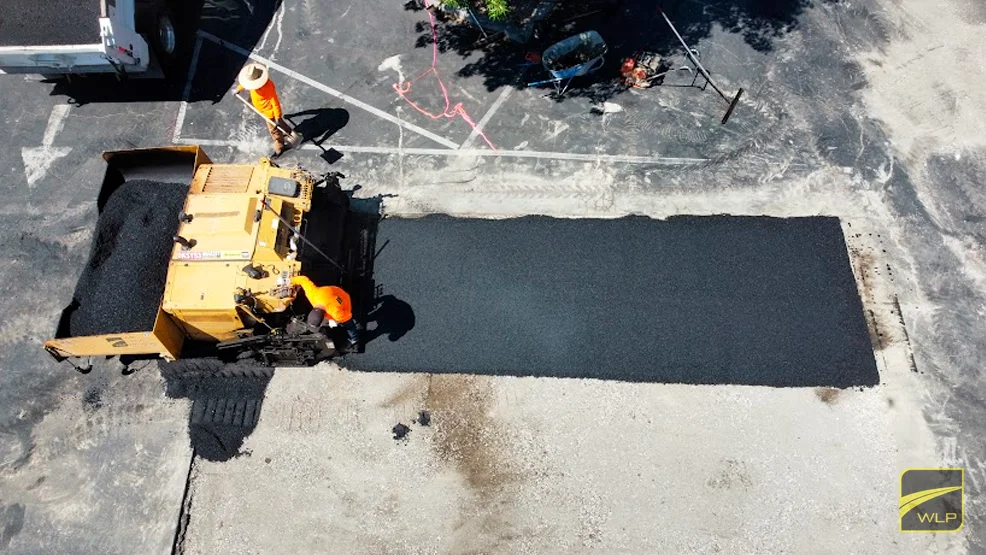
Aerial view of a paving crew and machinery resurfacing a residential road with fresh asphalt. Project by We Love Paving in Northern California, CA.

Need Immediate Help?

Let's Talk About Your Project

Don't wait until minor damage turns into major expenses. Our team of experts is ready to provide you with guaranteed solutions. Contact us now for direct advice from a professional.

Frequently Asked Questions (FAQ)

Got Questions? Find Your Answers Here!!

What is the average life expectancy of asphalt paving in Sacramento?

The average life expectancy of asphalt paving in Sacramento ranges from twenty to twenty-five years with proper maintenance. Sacramento’s extreme summer temperatures and expansive clay soils require specialized hot-mix designs to prevent premature cracking. Implementing professional sealcoating every three years can extend this functional lifespan by up to thirty percent effectively.

How does the Sacramento climate impact asphalt durability?

Sacramento’s climate impacts asphalt durability through intense UV radiation and peak summer temperatures often exceeding one hundred degrees. These conditions cause the asphalt binder to oxidize and become brittle, leading to surface raveling. Utilizing high-albedo sealants helps mitigate thermal absorption, preventing ninety percent of the structural damage caused by excessive heat.

Why is sealcoating essential for Sacramento asphalt pavements?

Sealcoating is essential for Sacramento asphalt because the process shields the surface from oil spills and moisture penetration. In the Central Valley, untreated asphalt loses its flexibility within five years due to oxidation. Applying a coal-tar or asphalt emulsion sealcoat every thirty-six months reduces long-term maintenance costs by sixty percent.

What factors determine the lifespan of a driveway in Sacramento?

Driveway lifespan in Sacramento is determined by subgrade compaction, drainage efficiency, and the quality of the aggregate base. Expansive clay soil requires a six-inch compacted rock base to prevent structural shifting. Proper engineering ensures that ninety-five percent of structural failures are avoided, allowing the pavement to remain functional for decades.

How does drainage influence asphalt longevity in Northern California?

Drainage influences asphalt longevity by preventing water from saturating the aggregate base and weakening the subgrade soil. In Northern California, standing water causes eighty percent of premature pothole formations. Installing a minimum one percent slope ensures that runoff is managed correctly, protecting the asphalt’s structural integrity during heavy winter rains.

Professional customer review project by We Love Paving in Northern California, California. Verified local construction quality.

Fred / Founder

Fred, Founder and Regional Operations Manager at We Love Paving, comes from a family that values hard work and discipline. Growing up watching his parents work long hours with integrity and dedication, Fred learned early on that quality paving isn’t just about asphalt, it’s about consistency, accountability, and doing the job right.

Share

Posts That Might Interest You

The Great Debate: Is 2 Inches of Gravel Enough for a Driveway?

The Great Debate: Is 2 Inches of Gravel Enough for a Driveway?

May 16, 2026

When it comes to building a driveway, one of the key decisions homeowners face is determining the appropriate thickness of the gravel base layer. While some may argue that 2 inches of gravel is sufficient to support the weight of vehicles and provide a stable foundation, others advocate for thicker layers to ensure long-term durability

Why Is Parking So Expensive for Property Owners?

May 15, 2026

Many commercial property owners underestimate how expensive parking areas become once maintenance, accessibility, and pavement deterioration start overlapping at the same time. At first, parking lot costs usually appear manageable. Small cracks, faded striping, drainage problems, or isolated surface wear may not seem urgent while the property continues operating normally. Over time, however, those smaller

ADA Compliant Checklist for Parking Lots

ADA Compliant Checklist for Parking Lots

May 15, 2026

Many commercial properties develop accessibility problems gradually without property owners realizing how much conditions have changed over time. Parking lots, sidewalks, ramps, and pedestrian access routes constantly experience wear from traffic movement, weather exposure, drainage shifts, and surface aging. Because these changes happen slowly, accessibility concerns are often overlooked until inspections, complaints, or liability risks

Biggest Mistakes Made by a Landlord With Parking Lots

Biggest Mistakes Made by a Landlord With Parking Lots

May 15, 2026

Many property owners focus heavily on tenant spaces, landscaping, and building appearance while overlooking one of the most heavily used parts of the property: the parking lot. The problem is that pavement deterioration rarely stays cosmetic for long. Small surface issues gradually begin affecting traffic flow, drainage behavior, pedestrian safety, tenant perception, and operational costs

Next

Estimation Tools

Calculate costs in seconds

Fast, accurate estimates that help you close more jobs. Less guesswork, more profit.

{ "@context": "https://schema.org", "@graph": [ { "@type": "WebPage", "@id": "https://www.welovepaving.com/technical-steps-professional-asphalt-paving/#webpage", "url": "https://www.welovepaving.com/technical-steps-professional-asphalt-paving/", "name": "The Definitive Guide: Critical Steps in Professional Asphalt Paving", "description": "Technical guide and engineering protocol for high-durability asphalt installation, maintenance, and mix specifications.", "datePublished": "2026-04-25" }, { "@type": "FAQPage", "@id": "https://www.welovepaving.com/technical-steps-professional-asphalt-paving/#faq", "mainEntityOfPage": "https://www.welovepaving.com/technical-steps-professional-asphalt-paving/#webpage", "mainEntity": [ { "@type": "Question", "name": "What is the average life expectancy of asphalt paving in Sacramento?", "acceptedAnswer": { "@type": "Answer", "text": "In Sacramento, the average life expectancy of well-constructed asphalt pavement ranges from 15 to 30 years. Longevity depends heavily on climate, traffic volume, material quality, and consistent routine maintenance practices." } }, { "@type": "Question", "name": "How does the Sacramento climate impact asphalt durability?", "acceptedAnswer": { "@type": "Answer", "text": "Sacramento experiences extreme summer heat with temperatures frequently exceeding 90°F, causing asphalt to soften. In the winter, cooler temperatures lead to contraction. This continuous expansion and contraction cycle can result in cracks and potholes over time." } }, { "@type": "Question", "name": "Why is sealcoating essential for Sacramento asphalt pavements?", "acceptedAnswer": { "@type": "Answer", "text": "Sealcoating is essential because it shields the asphalt surface from UV rays, water infiltration, and oxidation. Applying a sealcoat every 3 to 5 years significantly extends the functional lifespan of the pavement and reduces long-term repair costs." } }, { "@type": "Question", "name": "What factors cause premature failure in Sacramento asphalt?", "acceptedAnswer": { "@type": "Answer", "text": "Premature failures, such as cracking and potholes within the first 5 years, are typically caused by inadequate subgrade preparation, substandard materials, or a lack of routine maintenance. Areas with heavy commercial traffic require more robust asphalt solutions." } }, { "@type": "Question", "name": "What technological innovations improve asphalt performance in fluctuating temperatures?", "acceptedAnswer": { "@type": "Answer", "text": "Modern innovations like Polymer-Modified Asphalt enhance flexibility and crack resistance against temperature swings. Additionally, Warm Mix Asphalt (WMA) allows for installation at lower temperatures, leading to reduced emissions and better overall workability." } } ] } ] }