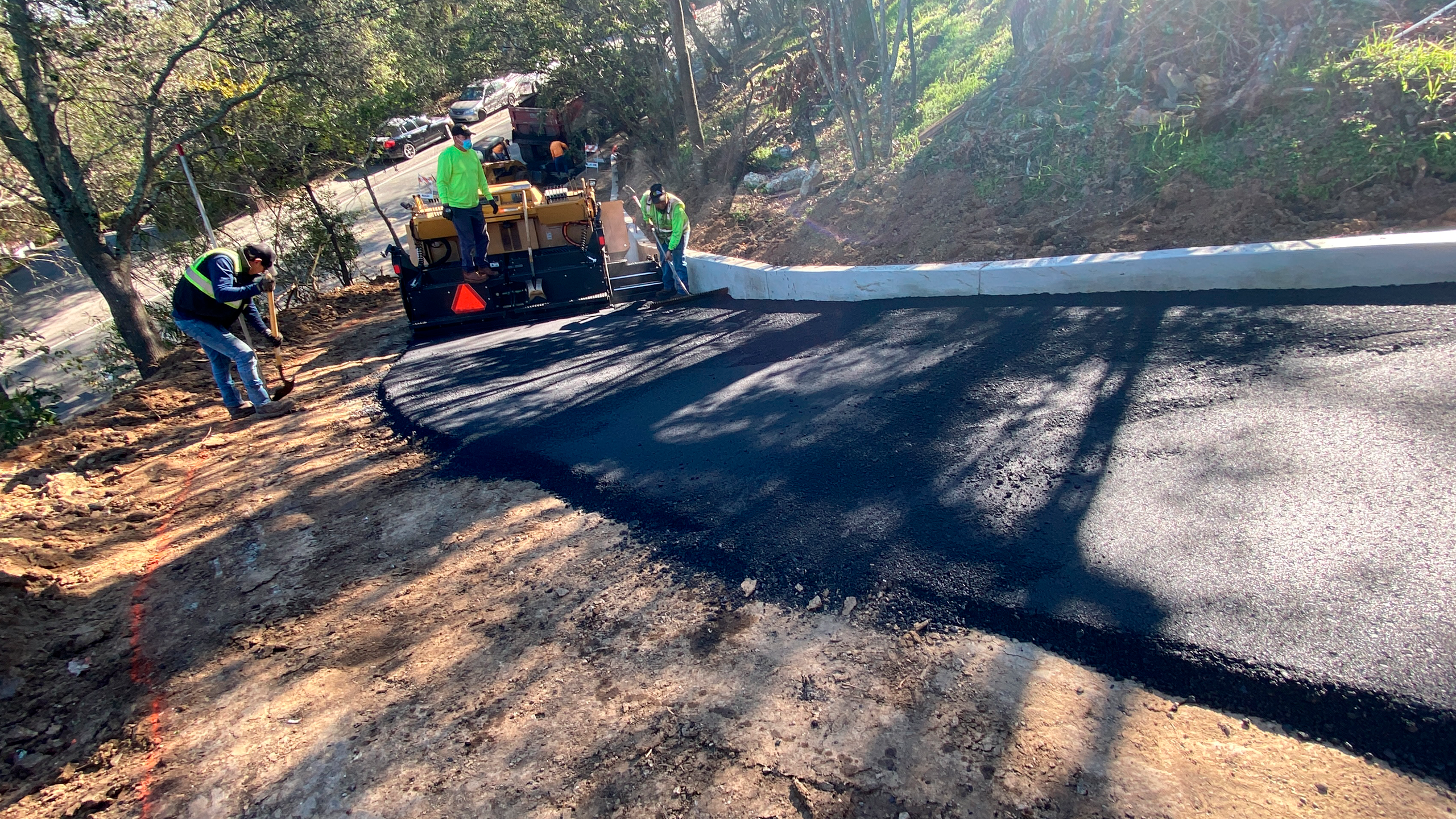
A properly installed asphalt driveway should have a smooth and even surface with no visible bumps, waves, or depressions. The surface should feel consistent when walking or driving over it, without sudden dips or raised areas.
When freshly installed, asphalt typically has a deep black, uniform color, indicating the mix was applied and compacted correctly. Slight color variations may appear over time due to weather exposure, which is normal and expected.
A new asphalt driveway can significantly enhance the curb appeal and functionality of your property. However, understanding what a properly installed asphalt driveway should look like is essential to ensure you get a quality product that will last for years. In this blog post, we’ll explore the key characteristics of a well-installed asphalt driveway, including its appearance, texture, and overall quality. Whether you’re considering installing a new driveway or want to evaluate the work done by a contractor, this guide will help you know what to look for.
Key Characteristics of a New Asphalt Driveway
A properly installed asphalt driveway should exhibit several important characteristics that contribute to its appearance, durability, and functionality:
1. Smooth and Even Surface
One of the most noticeable features of a new asphalt driveway is its smooth and even surface. When asphalt is poured and compacted correctly, it should create a flat and uniform surface without any noticeable bumps, dips, or waves. An even surface is crucial for both aesthetics and functionality, as it ensures proper drainage and provides a comfortable driving and walking experience.
2. Uniform Color
A new asphalt driveway typically has a rich, dark black color. This uniform color is a sign of fresh asphalt and indicates that the mixture was properly prepared and applied. Over time, the color will fade to a lighter gray due to exposure to sunlight and weather, but a freshly installed driveway should have a consistent, deep black appearance across the entire surface.
3. Well-Defined Edges
The edges of a new asphalt driveway should be well-defined and cleanly cut. Sharp, straight edges not only enhance the driveway’s appearance but also contribute to its durability by preventing crumbling and erosion. Properly defined edges are a sign that the contractor took care in the installation process and that the asphalt was compacted properly at the borders.
4. Proper Thickness
The thickness of the asphalt layer is crucial for the driveway’s longevity. A residential asphalt driveway should typically be between 2.5 and 3 inches thick after compaction. Thicker asphalt is required for driveways that will support heavy vehicles or frequent traffic. The thickness should be consistent across the entire surface, with no areas thinner than the others, as this could lead to premature cracking and deterioration.
5. Adequate Drainage
Proper drainage is essential to prevent water from pooling on the surface of the driveway or seeping into the foundation. A new asphalt driveway should have a slight slope, typically around 1/4 inch per foot, to direct water away from the surface and towards appropriate drainage areas like gutters, swales, or the street. The surface should be graded correctly to avoid low spots where water could accumulate, leading to potential damage over time.
6. Compact and Solid Structure
A new asphalt driveway should feel solid and compact underfoot and under the weight of vehicles. There should be no signs of shifting, sinking, or loose materials. The asphalt should be tightly compacted to eliminate air voids, which can weaken the structure and lead to cracks or potholes. The solid feel of the driveway is a good indicator of proper compaction and a stable foundation.
7. Smooth Transitions
If your new asphalt driveway connects to other surfaces, such as a roadway, sidewalk, or garage floor, the transitions between these surfaces should be smooth and seamless. There should be no abrupt changes in height or texture that could create tripping hazards or make it difficult to drive over. The transitions should blend naturally with the surrounding areas, providing a cohesive look.

Drainage and Surface Slope
Signs of Potential Issues
While a new asphalt driveway should exhibit the characteristics mentioned above, there are also some signs of potential issues that you should be aware of. If you notice any of these problems, it may indicate that the driveway was not installed correctly or that additional attention is needed:
1. Visible Cracks or Potholes
Cracks or potholes should not be present on a new asphalt driveway. These issues can indicate that the asphalt mixture was not properly prepared, the base was not adequately compacted, or the surface was subjected to excessive stress before it fully cured. If you notice cracks or potholes shortly after installation, contact your contractor to address the problem.
2. Uneven Surface or Low Spots
An uneven surface or low spots where water pools are signs of poor grading or inadequate compaction. These issues can lead to further deterioration of the driveway and should be corrected as soon as possible. If water is pooling on the surface, it can seep into the asphalt and weaken the structure, leading to cracks and potholes.
3. Soft or Spongy Areas
If any part of the driveway feels soft or spongy underfoot or under vehicle weight, it may indicate that the asphalt was not properly compacted or that the base is unstable. Soft areas can quickly deteriorate, leading to depressions, cracks, and other issues. It’s important to have these areas inspected and repaired promptly.
4. Raveling
Raveling occurs when the surface of the asphalt begins to break apart, with loose gravel or stones appearing on the surface. This can happen if the asphalt was not mixed correctly, the binder was insufficient, or the surface was not adequately compacted. Raveling reduces the driveway’s durability and can lead to more significant problems over time.
5. Improper Drainage
If water is not draining properly from the driveway, it can lead to a range of issues, including surface damage, erosion, and even damage to the foundation of your home. Improper drainage should be addressed immediately to prevent long-term problems.
Signs of Poor Asphalt Installation
Warning signs of a poorly installed asphalt driveway include visible cracks, uneven surfaces, low spots, or areas where water collects shortly after installation. Soft or spongy areas may indicate inadequate compaction or base failure.
What to Expect After Installation
After installation, it’s normal for a new asphalt driveway to go through a curing process. During this time, the surface gradually hardens and the color may lighten slightly. Light vehicle use is usually permitted after a short period, but heavy loads should be avoided until curing is complete.
Maintenance Tips for a New Asphalt Driveway
To keep your new asphalt driveway looking great and performing well for years to come, consider the following maintenance tips:
1. Allow Time to Cure
After installation, give your driveway time to cure properly. Avoid parking heavy vehicles on the surface for at least 24-48 hours, and try to minimize foot traffic for the first few days. Full curing can take several weeks, so be gentle with the surface during this time.
2. Regular Cleaning
Keep your driveway clean by removing debris, leaves, and dirt regularly. This prevents the buildup of organic material that can trap moisture and lead to the growth of weeds or moss.
3. Sealcoating
Sealcoating is a protective layer applied to the surface of the asphalt to shield it from UV rays, water, and chemicals. It’s typically recommended to sealcoat a new driveway after it has fully cured, usually within 6 to 12 months, and then every 2 to 3 years thereafter.
4. Address Cracks and Damage Promptly
If you notice any cracks or damage, address them as soon as possible to prevent further deterioration. Small cracks can be filled with crack sealant, and larger areas may require professional repair.
5. Avoid Heavy Loads
While asphalt driveways are durable, try to avoid parking excessively heavy vehicles or equipment on the surface, especially during the first few months after installation. Heavy loads can cause depressions and weaken the structure.
Understanding what a new asphalt driveway should look like helps homeowners recognize quality work and make informed decisions. A smooth surface, proper drainage, solid edges, and consistent thickness are all signs of a driveway built to last.
A new asphalt driveway should have a smooth, even surface with a uniform color, well-defined edges, proper thickness, and adequate drainage. By understanding what a properly installed asphalt driveway should look like, you can ensure that your investment will provide long-lasting beauty and functionality for your property.