How Improper Slopes Create Long-Term Pavement Damage

We Love Paving services in San Ramon. Professional paving contractor serving San Ramon and Downtown San Jose areas.
Estimation Tools

Calculate costs in seconds

Fast, accurate estimates that help you close more jobs. Less guesswork, more profit.

Surface slopes in parking lots are often treated as a design detail.

As long as water appears to drain and the pavement looks level, slopes rarely receive much attention. In reality, improper slopes are one of the most common contributors to long-term pavement damage — and one of the hardest issues to identify visually.

Even small deviations from proper slope design can quietly shorten the lifespan of a parking lot.


Slopes Control How Water Behaves

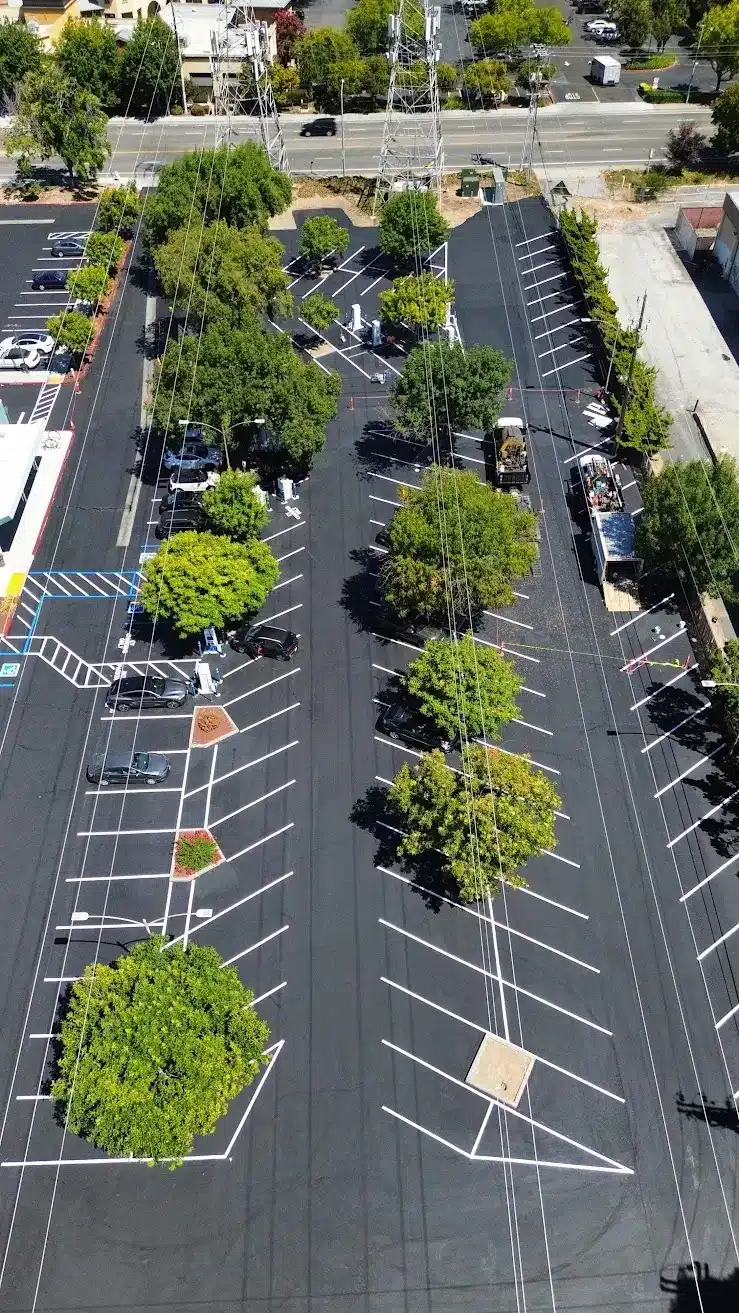
Parking lots rely on precise slopes to move water away from the pavement surface.

When slopes are properly designed, water drains efficiently and minimizes exposure to the pavement structure. When slopes are incorrect, water begins to:

  • Pool in low areas

  • Move slowly across the surface

  • Re-enter the pavement at joints and edges

Water that does not drain as intended almost always finds a way into the pavement system.


Small Slope Deviations Have Large Consequences

Improper slopes are rarely dramatic.

In many cases, the difference between proper drainage and recurring problems is a change of less than a few percentage points. These small deviations:

  • Are difficult to detect visually

  • Often develop gradually due to settlement

  • Can exist even in relatively new pavement

Despite their subtlety, they have a significant impact on pavement performance.


Settlement Often Changes Slopes Over Time

Even when a parking lot is built correctly, slopes are not permanent.

Over time, pavement can:

  • Settle unevenly

  • Compress under repeated traffic loads

  • Shift due to moisture changes in the subgrade

These movements alter surface slopes, creating low spots that were not present when the lot was first constructed.


Improper Slopes Accelerate Water Infiltration

When water remains on the surface or drains slowly, infiltration increases.

This leads to:

  • Base saturation

  • Loss of structural support

  • Increased pavement flexing under traffic

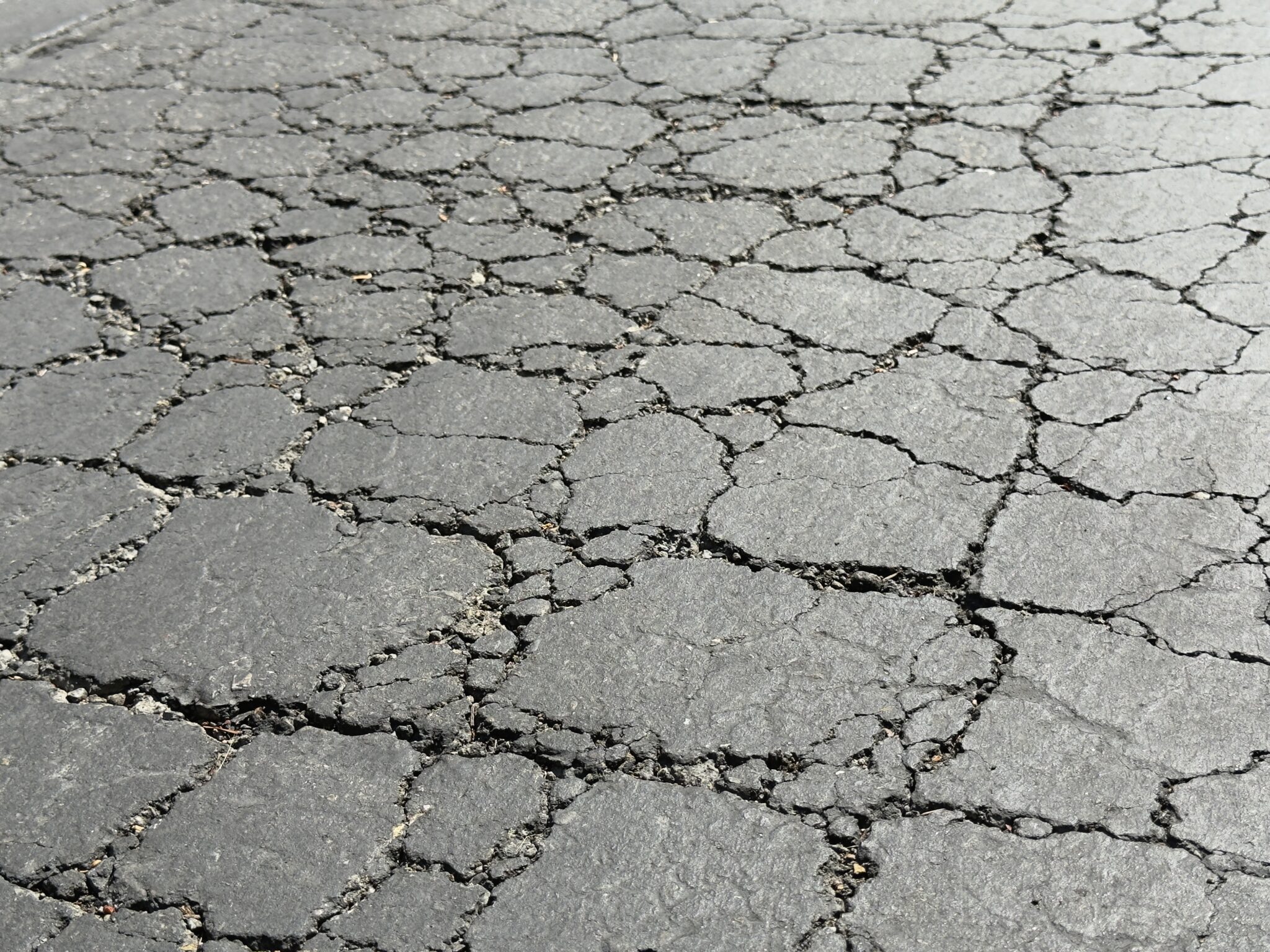
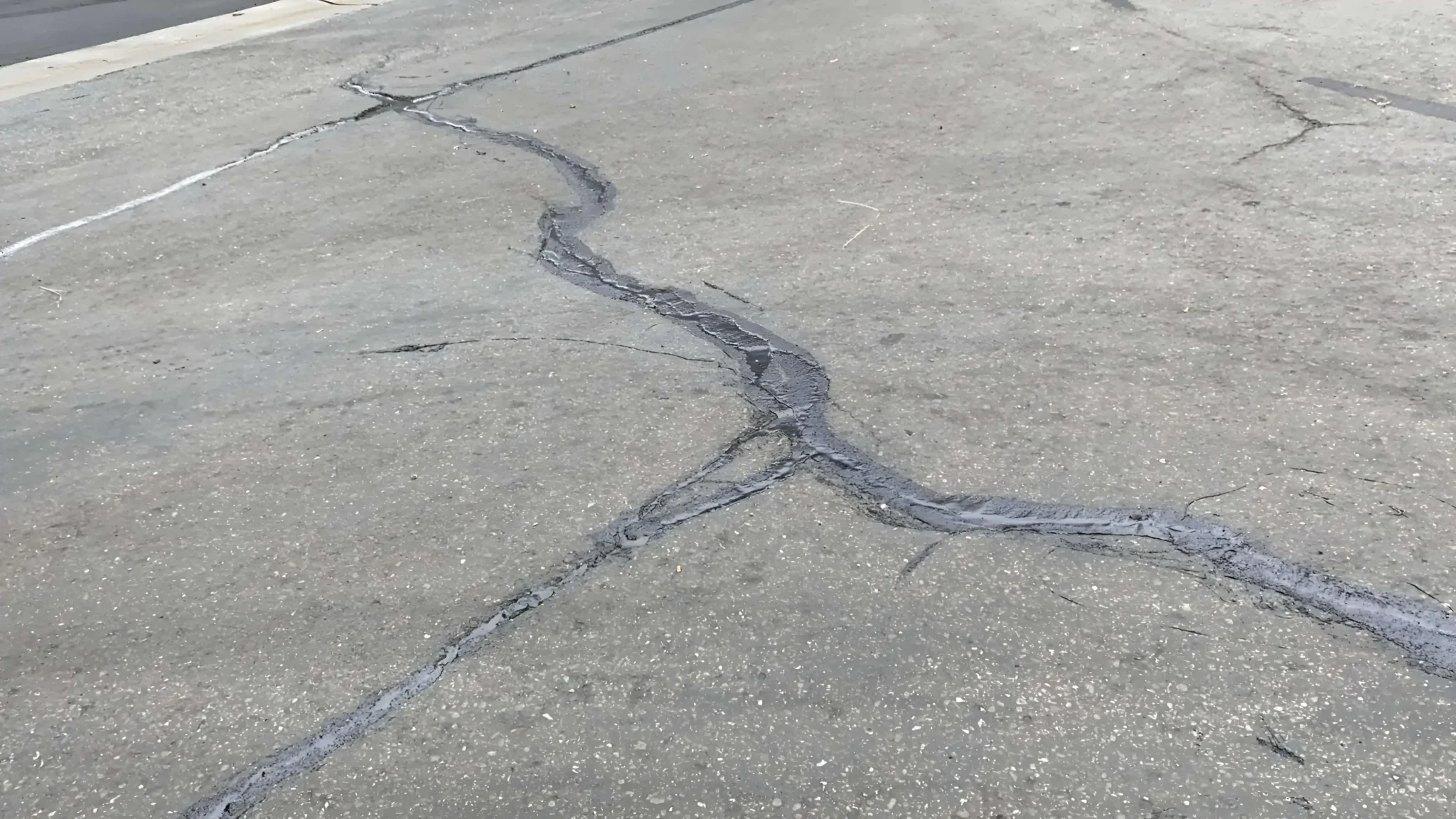
As the pavement moves, cracks begin to form, allowing even more water to enter. This cycle accelerates deterioration.


High-Traffic Areas Are Affected First

Slope-related damage often appears earliest in:

  • Drive lanes

  • Fire lanes

  • Loading and delivery zones

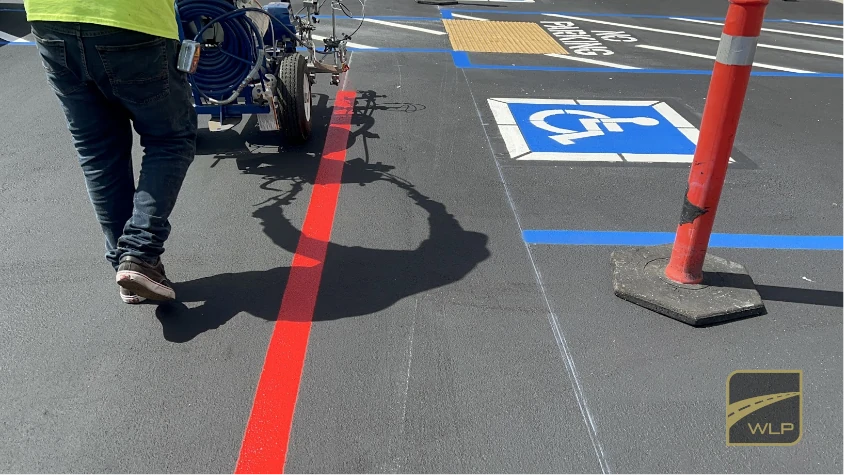
  • Accessible parking areas

These locations experience repeated stress, which magnifies the effects of improper drainage and slope deviation.


Slope Issues Create Safety and Compliance Risk

Improper slopes do not only affect pavement durability.

In accessible areas, slope deviations can:

  • Disrupt accessible routes

  • Interfere with proper drainage

  • Create compliance and liability concerns

In jurisdictions like California, slope limits in accessible areas are strictly regulated and enforceable.


Visual Inspections Rarely Catch Slope Problems

One of the reasons slope-related damage persists is that visual inspections are unreliable.

A surface can appear level while still draining incorrectly. Without measurement:

  • Minor deviations go unnoticed

  • Early warning signs are missed

  • Damage progresses silently

By the time visible distress appears, structural issues are often well established.


Correcting Slopes Early Extends Pavement Life

When slope issues are identified early, corrective actions are typically less invasive.

Early intervention can:

  • Restore proper drainage

  • Prevent base saturation

  • Reduce the need for extensive repairs

Addressing slope problems early protects both pavement performance and long-term maintenance budgets.


The We Love Paving Perspective

At We Love Paving, slopes are viewed as a critical part of pavement performance — not just a design specification.

Understanding how slopes affect drainage, structure, and compliance allows property owners to:

  • Reduce premature pavement failure

  • Minimize water-related damage

  • Maintain safer, more durable parking lots

Parking lots rarely fail because slopes are dramatically wrong.
They fail because small slope issues are allowed to persist.

Need Immediate Help?

Let's Talk About Your Project

Don't wait until minor damage turns into major expenses. Our team of experts is ready to provide you with guaranteed solutions. Contact us now for direct advice from a professional.

Frequently Asked Questions (FAQ)

Got Questions? Find Your Answers Here!!

Why do parking lot slopes fail over time?

Parking lot slopes fail over time because pavement settles unevenly due to repeated traffic loads and moisture changes in the subgrade. These subtle movements create low spots and alter drainage, often by deviations of less than two percentage points, which accelerates base saturation and compromises the entire asphalt structure's integrity.

How does improper drainage affect long-term pavement durability?

Improper drainage affects pavement durability by allowing water to pool or move slowly, leading to base saturation and loss of structural support. When the subgrade weakens, asphalt flexes excessively under traffic loads, creating cracks that allow further water infiltration and accelerating the cycle of pavement deterioration over time.

What are the risks of incorrect slopes in ADA accessible areas?

Incorrect slopes in accessible areas disrupt required pedestrian routes and create significant compliance and liability concerns for property owners. In jurisdictions like California, slope limits for ADA compliance are strictly regulated and enforceable. Even minor deviations interfere with proper drainage and can lead to costly legal penalties and safety hazards.

Can visual inspections detect subtle slope-related pavement issues?

Visual inspections rarely detect slope issues because surfaces often appear level while still draining incorrectly. Without precise measurement, minor deviations go unnoticed until structural damage is well-established. Early warning signs are missed, allowing silent deterioration to progress until visible distress and costly failures appear in high-traffic drive lane zones.

Why do high-traffic areas experience slope-related damage first?

High-traffic areas like drive lanes and delivery zones experience slope-related damage first because they endure repeated mechanical stress. This stress magnifies the effects of improper drainage and slope deviations, leading to rapid base saturation. Consequently, these sections often show premature cracking and structural failure before lower-traffic parking areas.

Professional customer review project by We Love Paving in Northern California, California. Verified local construction quality.

Fred / Founder

Fred, Founder and Regional Operations Manager at We Love Paving, comes from a family that values hard work and discipline. Growing up watching his parents work long hours with integrity and dedication, Fred learned early on that quality paving isn’t just about asphalt, it’s about consistency, accountability, and doing the job right.

Share

Posts That Might Interest You

The Great Debate: Is 2 Inches of Gravel Enough for a Driveway?

The Great Debate: Is 2 Inches of Gravel Enough for a Driveway?

May 16, 2026

When it comes to building a driveway, one of the key decisions homeowners face is determining the appropriate thickness of the gravel base layer. While some may argue that 2 inches of gravel is sufficient to support the weight of vehicles and provide a stable foundation, others advocate for thicker layers to ensure long-term durability

Why Is Parking So Expensive for Property Owners?

May 15, 2026

Many commercial property owners underestimate how expensive parking areas become once maintenance, accessibility, and pavement deterioration start overlapping at the same time. At first, parking lot costs usually appear manageable. Small cracks, faded striping, drainage problems, or isolated surface wear may not seem urgent while the property continues operating normally. Over time, however, those smaller

ADA Compliant Checklist for Parking Lots

ADA Compliant Checklist for Parking Lots

May 15, 2026

Many commercial properties develop accessibility problems gradually without property owners realizing how much conditions have changed over time. Parking lots, sidewalks, ramps, and pedestrian access routes constantly experience wear from traffic movement, weather exposure, drainage shifts, and surface aging. Because these changes happen slowly, accessibility concerns are often overlooked until inspections, complaints, or liability risks

Biggest Mistakes Made by a Landlord With Parking Lots

Biggest Mistakes Made by a Landlord With Parking Lots

May 15, 2026

Many property owners focus heavily on tenant spaces, landscaping, and building appearance while overlooking one of the most heavily used parts of the property: the parking lot. The problem is that pavement deterioration rarely stays cosmetic for long. Small surface issues gradually begin affecting traffic flow, drainage behavior, pedestrian safety, tenant perception, and operational costs

Next

Estimation Tools

Calculate costs in seconds

Fast, accurate estimates that help you close more jobs. Less guesswork, more profit.