Why Appearance Doesn’t Equal Performance

We Love Paving services in Sunnyvale. Professional paving contractor serving Sunnyvale and Stanford areas.
Estimation Tools

Calculate costs in seconds

Fast, accurate estimates that help you close more jobs. Less guesswork, more profit.

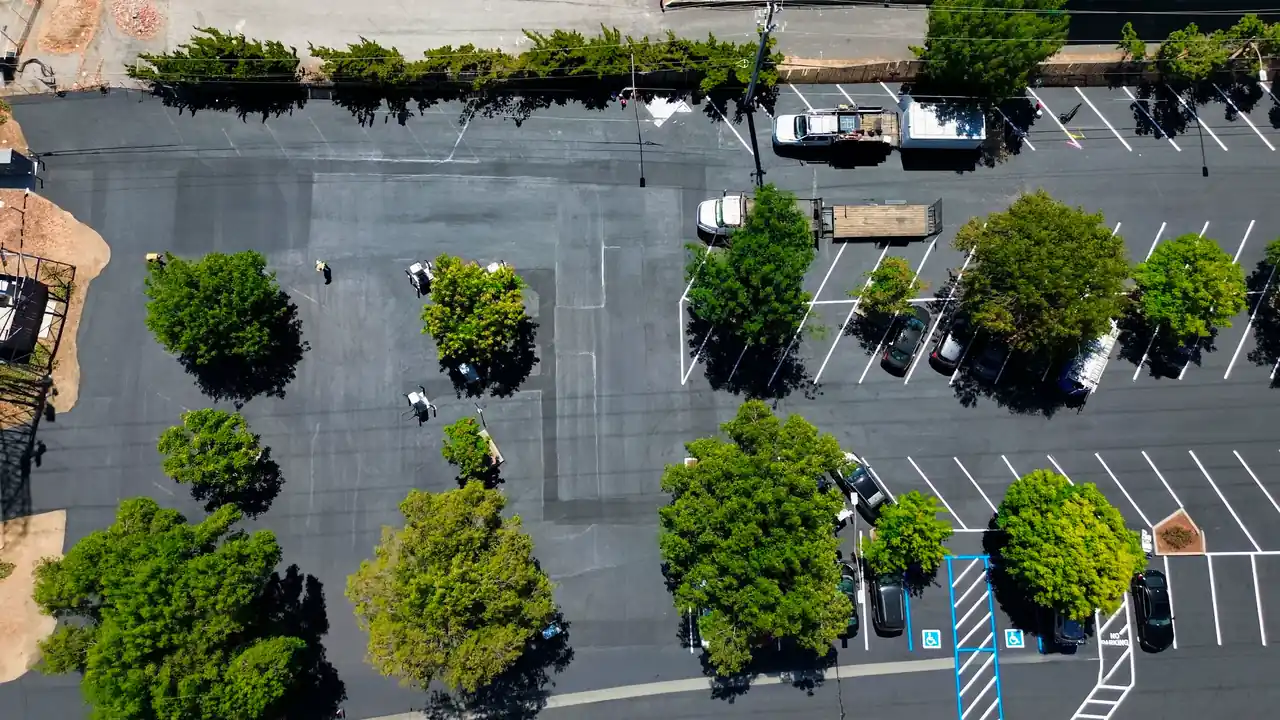
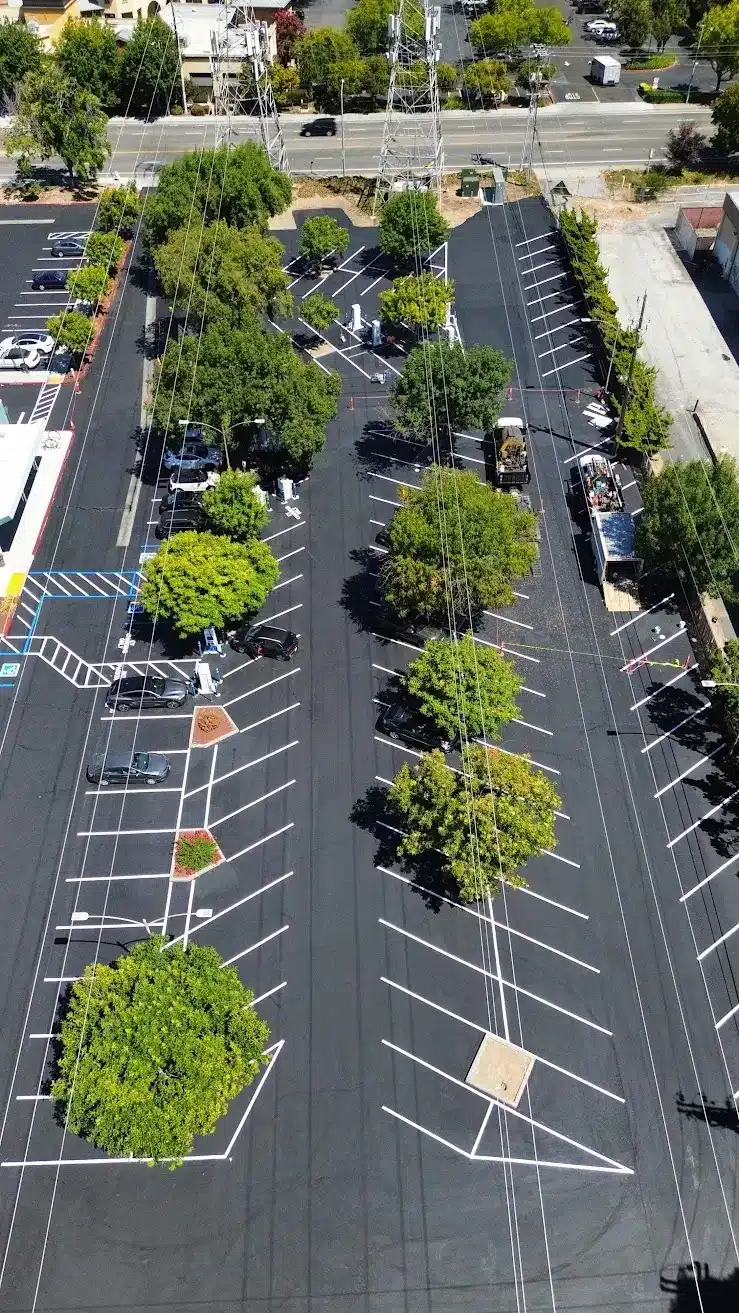
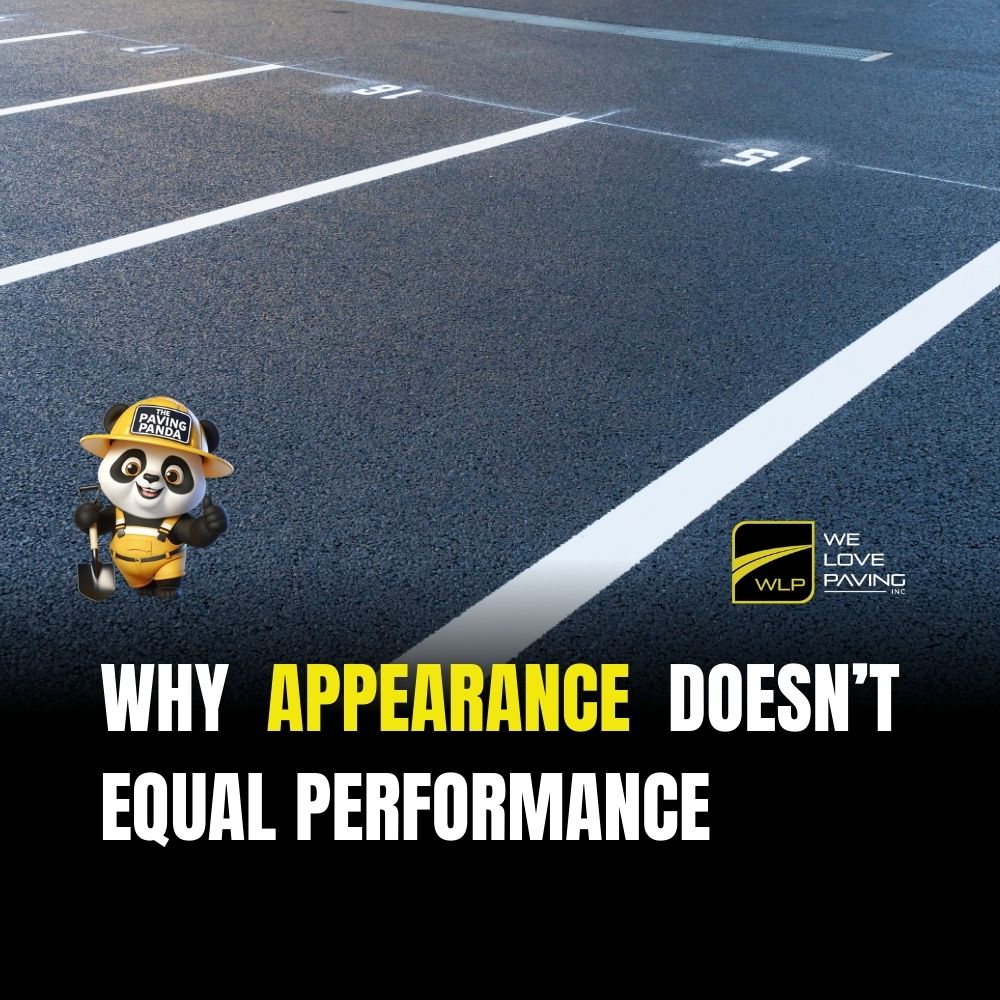
A parking lot can look fine and still be failing.

Smooth asphalt, clean edges, and orderly striping often create a sense of confidence. If it looks good, it must be performing well — that assumption is common, and it’s also one of the most costly mistakes property owners make.

Performance and appearance are not the same thing.


Pavement Performance Is Structural, Not Visual

Asphalt performance depends on how the pavement system behaves under load.

That includes:

  • Base stability
  • Drainage efficiency
  • Surface tolerances
  • Material integrity over time

None of these factors are reliably visible from the surface. A parking lot can meet aesthetic expectations while slowly losing its ability to handle traffic, water, and environmental stress.


Many Failures Begin Below the Surface

Most structural issues develop out of sight.

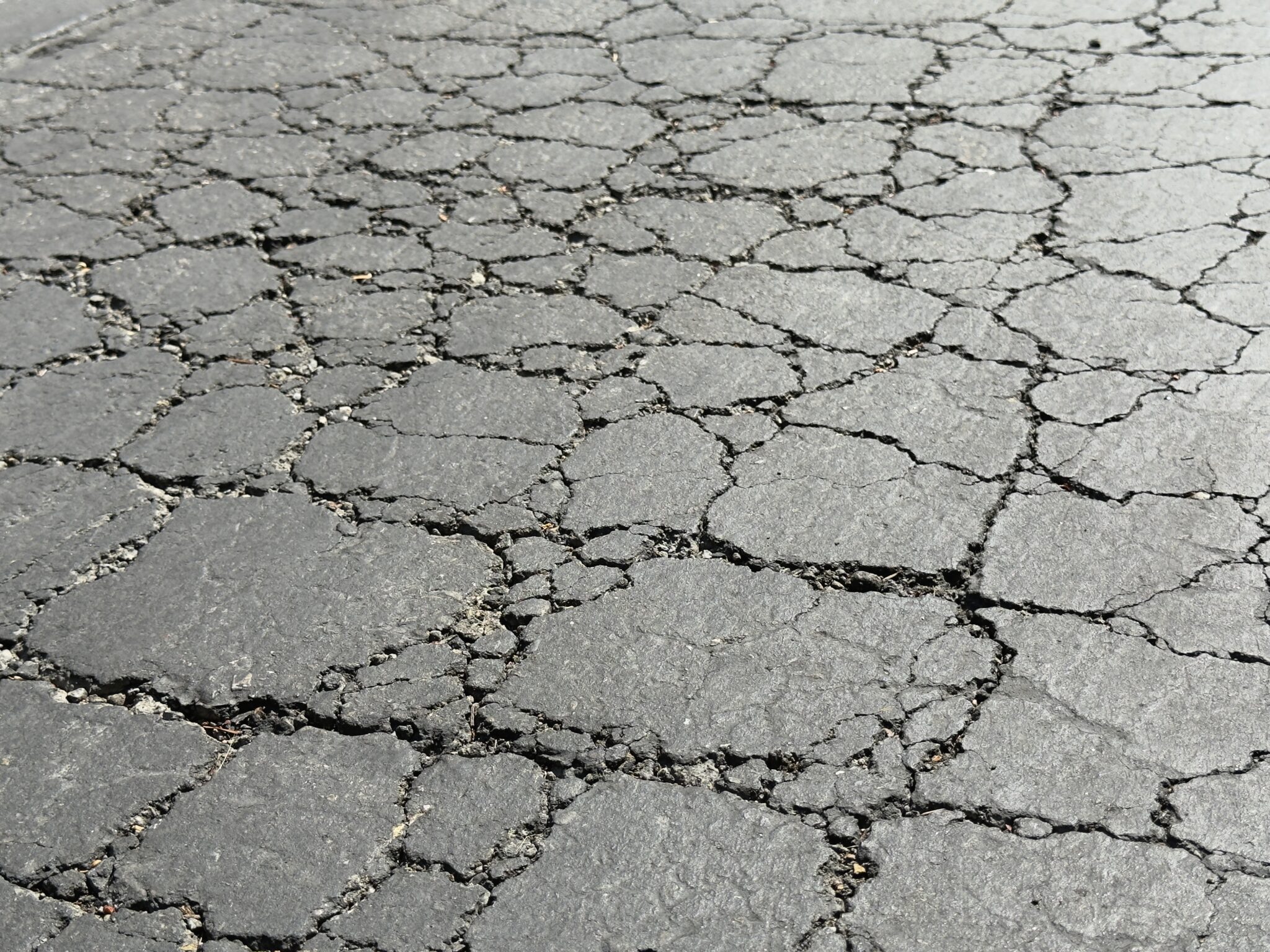
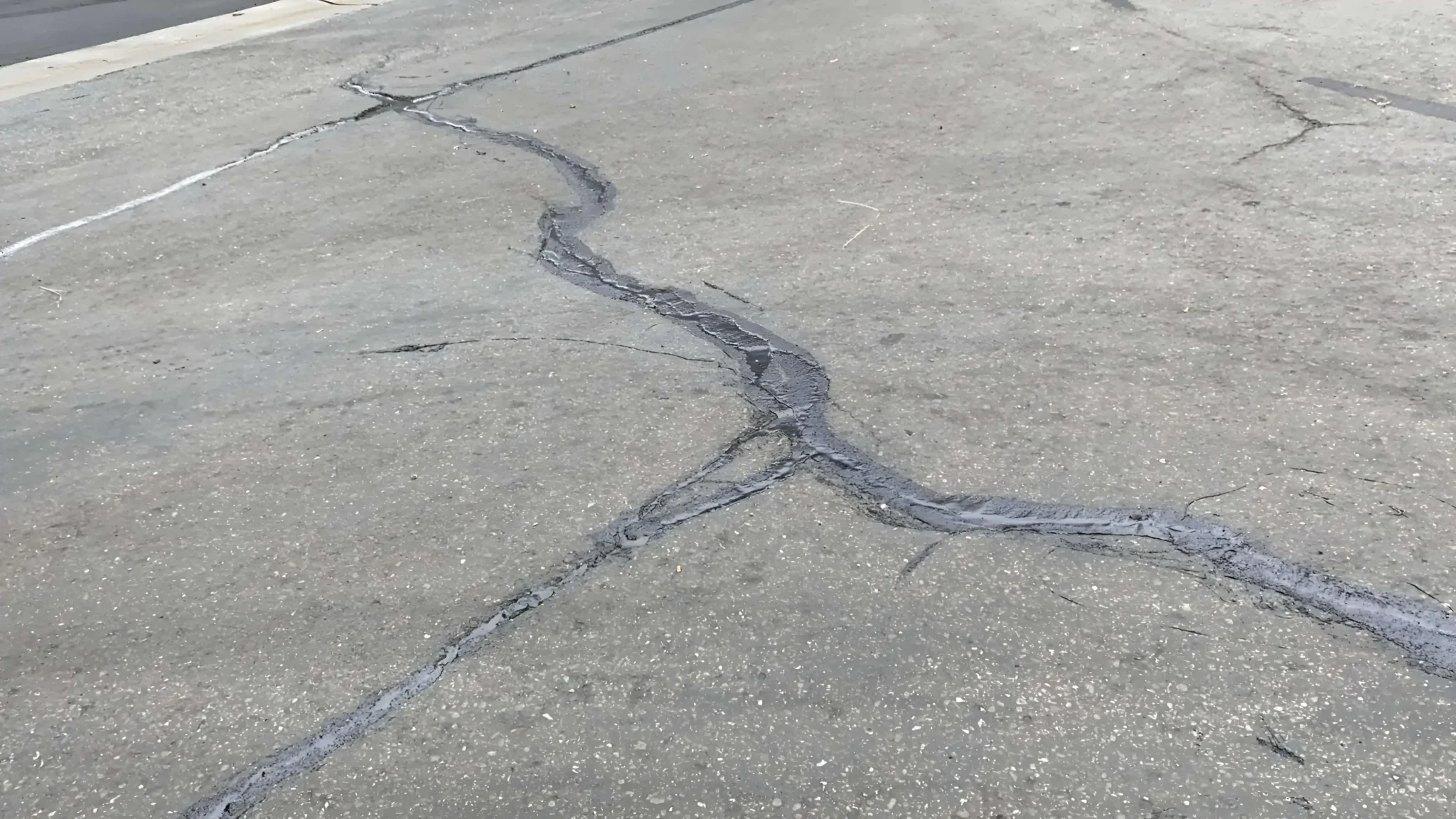
Water infiltration, base softening, and subgrade movement occur beneath the asphalt layer. As long as the surface hasn’t cracked or settled noticeably, these problems often go undetected.

By the time visual signs appear, the underlying performance loss has already progressed.


“It Looks Fine” Masks Gradual Change

Pavement deterioration is incremental.

Slopes change slowly.
Low spots deepen gradually.
Markings fade over time.

Because these changes don’t happen all at once, they’re easy to normalize. The parking lot doesn’t look broken — it just looks slightly worse than before. This gradual decline is exactly why visual checks fail to identify performance risk early.


Surface Appearance Doesn’t Reflect Load Capacity

A clean surface doesn’t mean the pavement can still support traffic as designed.

When the base weakens due to moisture or compaction loss, load distribution becomes uneven. The surface absorbs stress it was never meant to handle, even if it still looks intact.

That mismatch leads to premature cracking, settlement, and repair failure.


Aesthetic Improvements Can Hide Structural Problems

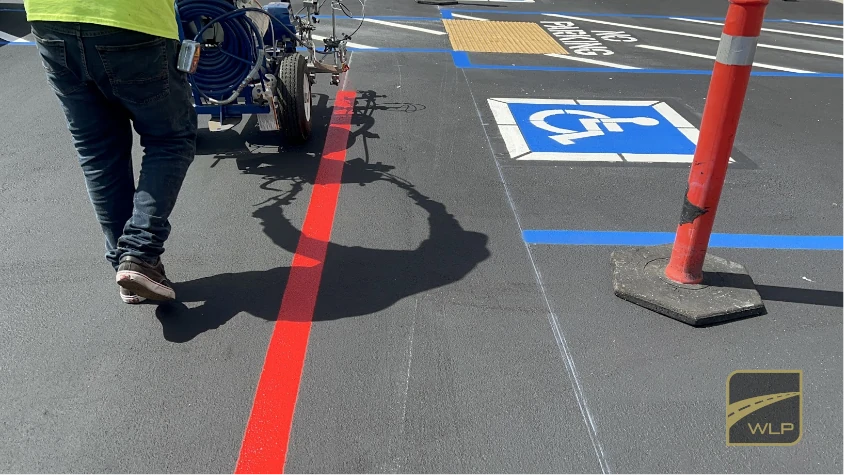
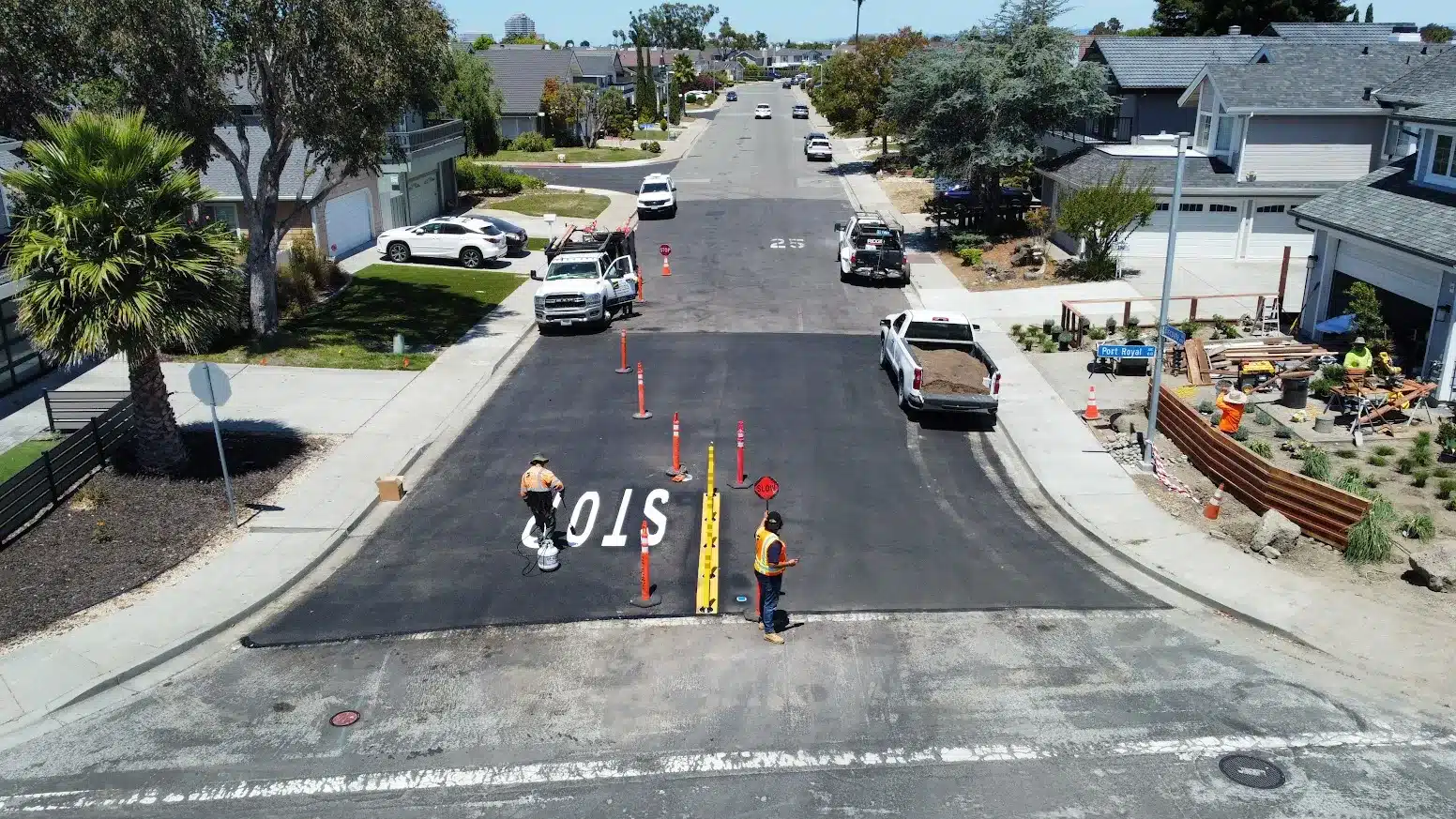
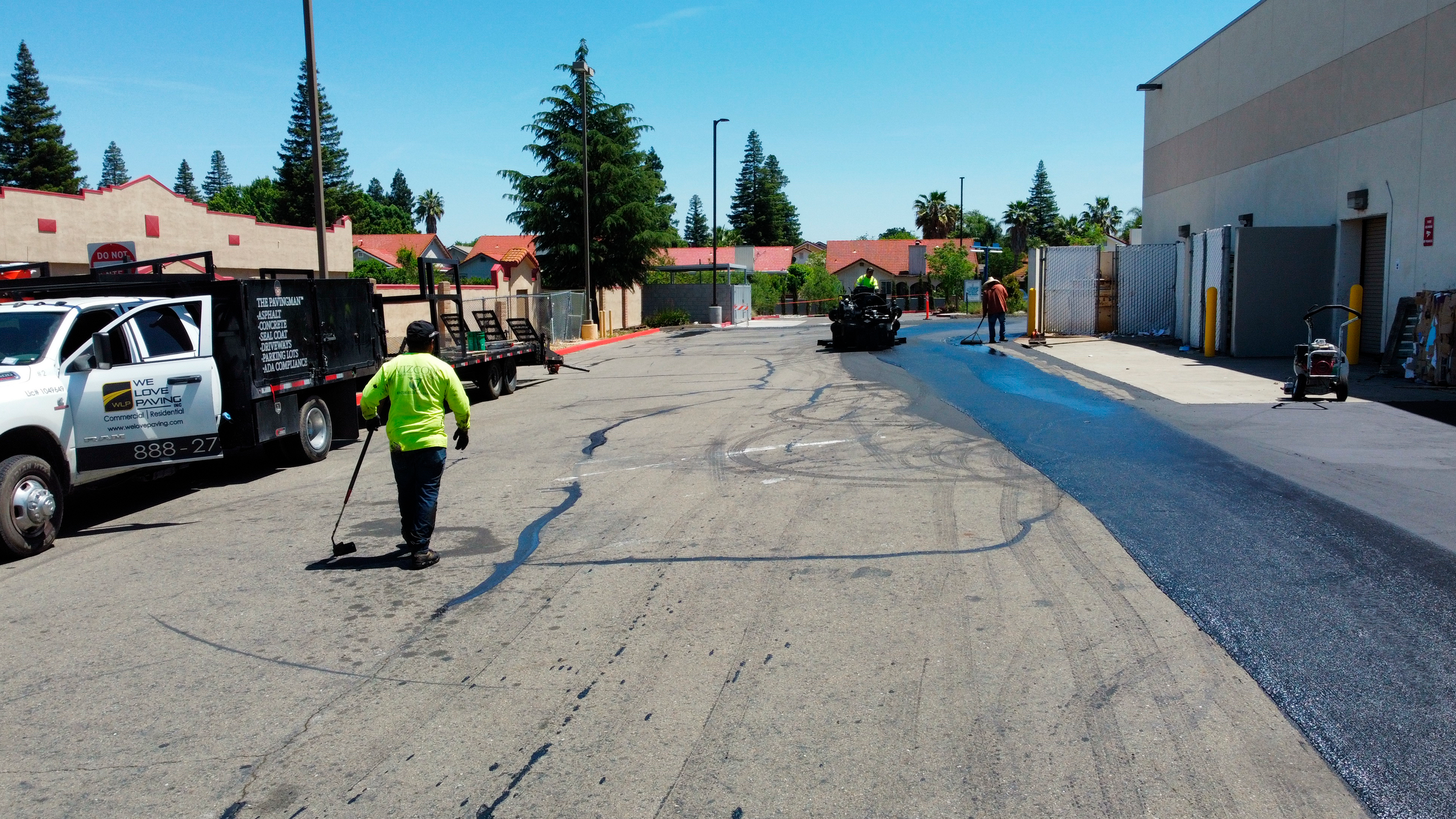
Sealcoating, patching, and fresh striping improve appearance — but they don’t correct structural deficiencies.

In some cases, visual improvements delay proper evaluation because the pavement looks “taken care of.” Meanwhile, underlying issues continue to develop beneath the surface.

Good appearance can buy time visually, but it doesn’t restore performance.


The We Love Paving Perspective

We Love Paving evaluates pavement based on how it performs, not just how it looks.

That means looking at drainage behavior, surface tolerances, base condition, and how the pavement responds to real-world use — not just its visual condition on a given day.

Performance-based evaluation prevents surprises and supports long-term pavement health.


Final Thought

Appearance can be misleading.

A parking lot doesn’t fail when it looks bad.
It fails when it stops performing as designed.

Understanding the difference between aesthetics and performance is key to avoiding premature deterioration and costly repairs.

Need Immediate Help?

Let's Talk About Your Project

Don't wait until minor damage turns into major expenses. Our team of experts is ready to provide you with guaranteed solutions. Contact us now for direct advice from a professional.

Frequently Asked Questions (FAQ)

Got Questions? Find Your Answers Here!!

Why doesn’t parking lot appearance reflect real performance?

Appearance does not reflect performance because pavement operates as an underlying structural system. A lot can look clean and uniform while the base is losing load-bearing capacity, creating internal stress. This mismatch leads to premature failure even when the surface appears intact.

How can pavement look good while already failing?

Pavement can look good because deterioration begins in the base, not the surface. Issues like moisture infiltration, poor compaction, or structural weakening develop over time without visible signs, creating a false sense of stability before cracks or settlement appear.

Why can visual maintenance hide structural problems?

Visual maintenance such as sealcoating or striping improves appearance but does not fix structural issues. These treatments can delay proper evaluation by making the pavement appear well-maintained, while internal problems continue to progress beneath the surface.

What should be evaluated instead of appearance?

Instead of appearance, evaluation should focus on drainage behavior, load capacity, base condition, and performance under traffic. These factors determine structural integrity, while surface appearance only represents a snapshot of visual condition at a given time.

Why does relying on appearance lead to unexpected failures?

Relying on appearance delays action until damage becomes visible. By that point, structural deterioration has already progressed internally, turning what could have been minor repairs into more complex and expensive structural interventions.

Professional customer review project by We Love Paving in Northern California, California. Verified local construction quality.

Fred / Founder

Fred, Founder and Regional Operations Manager at We Love Paving, comes from a family that values hard work and discipline. Growing up watching his parents work long hours with integrity and dedication, Fred learned early on that quality paving isn’t just about asphalt, it’s about consistency, accountability, and doing the job right.

Share

Posts That Might Interest You

The Great Debate: Is 2 Inches of Gravel Enough for a Driveway?

The Great Debate: Is 2 Inches of Gravel Enough for a Driveway?

May 16, 2026

When it comes to building a driveway, one of the key decisions homeowners face is determining the appropriate thickness of the gravel base layer. While some may argue that 2 inches of gravel is sufficient to support the weight of vehicles and provide a stable foundation, others advocate for thicker layers to ensure long-term durability

Why Is Parking So Expensive for Property Owners?

May 15, 2026

Many commercial property owners underestimate how expensive parking areas become once maintenance, accessibility, and pavement deterioration start overlapping at the same time. At first, parking lot costs usually appear manageable. Small cracks, faded striping, drainage problems, or isolated surface wear may not seem urgent while the property continues operating normally. Over time, however, those smaller

ADA Compliant Checklist for Parking Lots

ADA Compliant Checklist for Parking Lots

May 15, 2026

Many commercial properties develop accessibility problems gradually without property owners realizing how much conditions have changed over time. Parking lots, sidewalks, ramps, and pedestrian access routes constantly experience wear from traffic movement, weather exposure, drainage shifts, and surface aging. Because these changes happen slowly, accessibility concerns are often overlooked until inspections, complaints, or liability risks

Biggest Mistakes Made by a Landlord With Parking Lots

Biggest Mistakes Made by a Landlord With Parking Lots

May 15, 2026

Many property owners focus heavily on tenant spaces, landscaping, and building appearance while overlooking one of the most heavily used parts of the property: the parking lot. The problem is that pavement deterioration rarely stays cosmetic for long. Small surface issues gradually begin affecting traffic flow, drainage behavior, pedestrian safety, tenant perception, and operational costs

Next

Estimation Tools

Calculate costs in seconds

Fast, accurate estimates that help you close more jobs. Less guesswork, more profit.