When planning an asphalt paving project, one of the most challenging aspects is the cost per square foot. Unlike other straightforward purchases, the price of asphalt paving can fluctuate significantly based on various factors. These include the complexity of the project, the quality of materials, and the ever-changing prices of asphalt itself. Let’s investigate these factors to understand why a single price point is elusive.
Site Preparation and Size
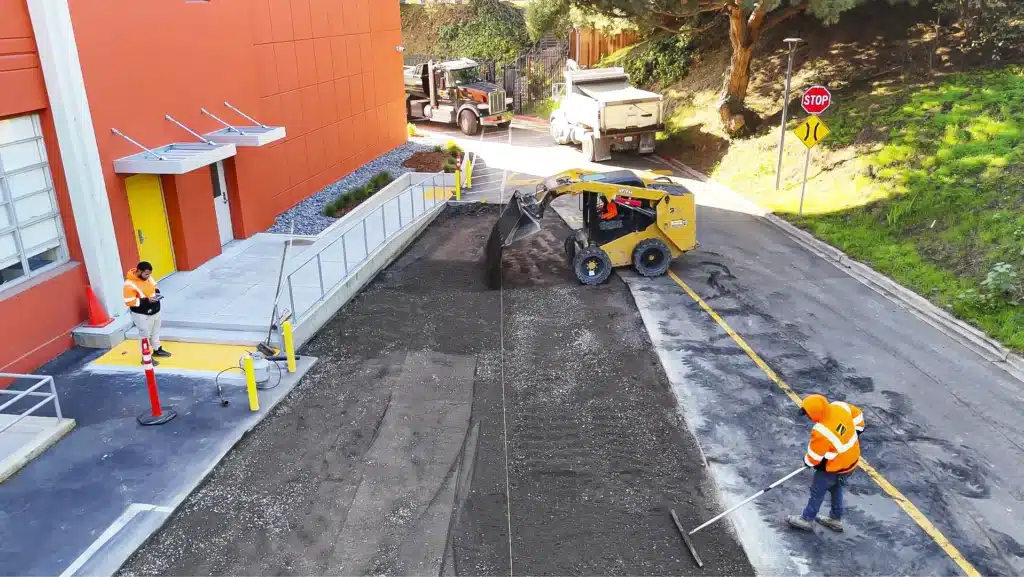
The complexity of an asphalt paving project often starts with site preparation. The size of the area to be paved, the existing conditions of the ground, and the amount of grading and leveling required can all impact the cost. Larger projects generally benefit from economies of scale, reducing the cost per square foot, whereas smaller projects may have higher per-unit costs due to fixed expenses.
Obstructions and Access
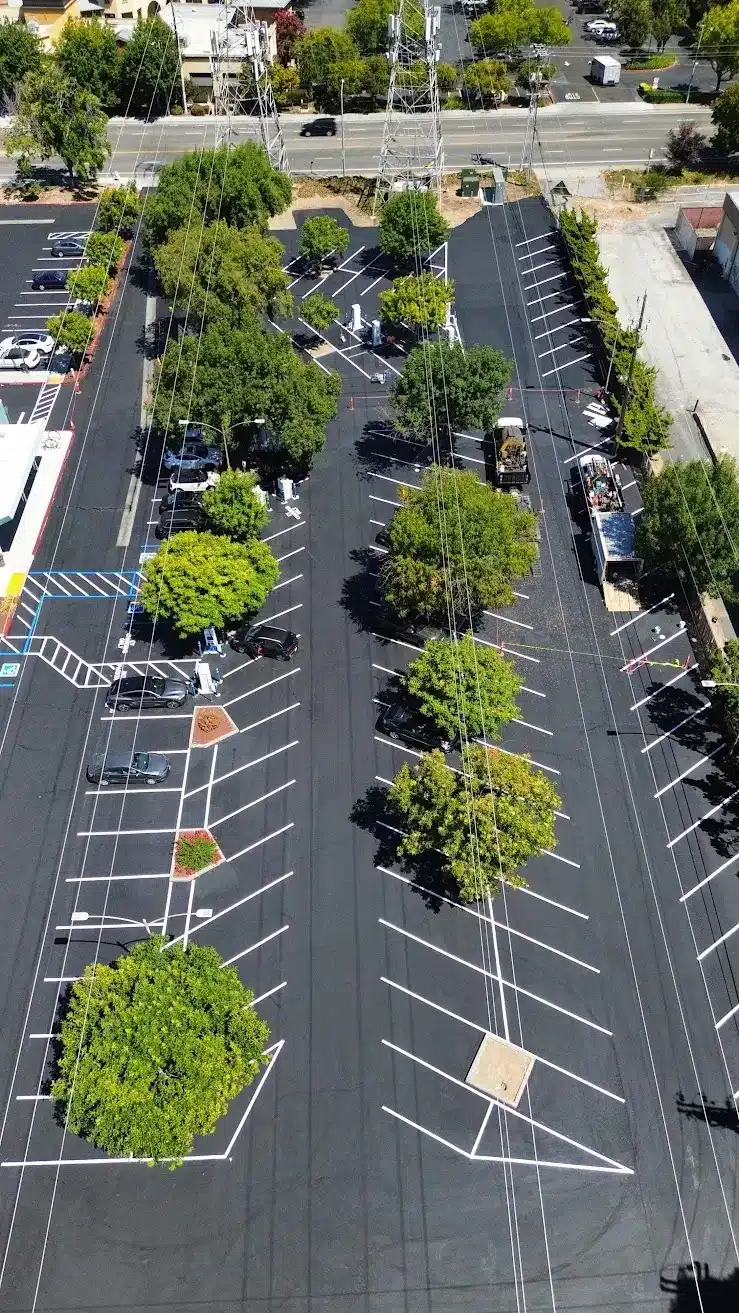
The presence of obstacles such as trees, utility lines, and existing structures can increase the labor and equipment needed. Additionally, ease of access to the site plays a crucial role. Projects in easily accessible areas will generally be less expensive than those requiring specialized machinery to reach difficult or remote locations.
Drainage and Base Layers:
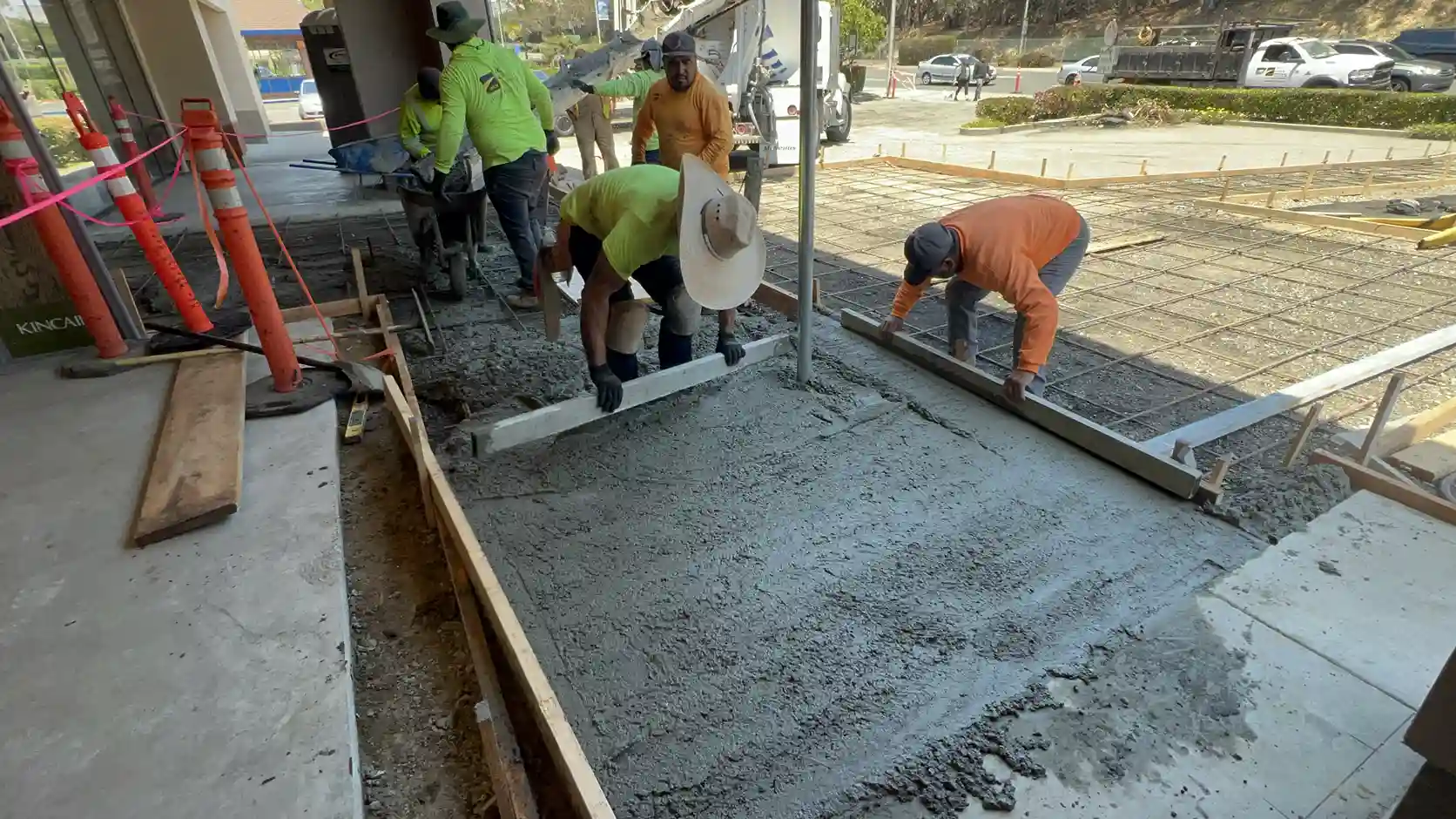
Proper drainage is crucial for the longevity of an asphalt surface. Designing and installing adequate drainage systems can add to the complexity and cost of the project. Similarly, the base layers beneath the asphalt must be stable and well-prepared. The soil type and the need for additional materials like gravel or sand to create a solid foundation can significantly influence pricing.
Asphalt Type
Not all asphalt is created equal. There are different grades and types of asphalt, each suited to various purposes and climates. Higher-quality asphalt mixes, designed for longevity and performance, will naturally come at a higher cost. Choosing the right type for your project can ensure better durability and performance, albeit at a premium price.
Thickness and Application
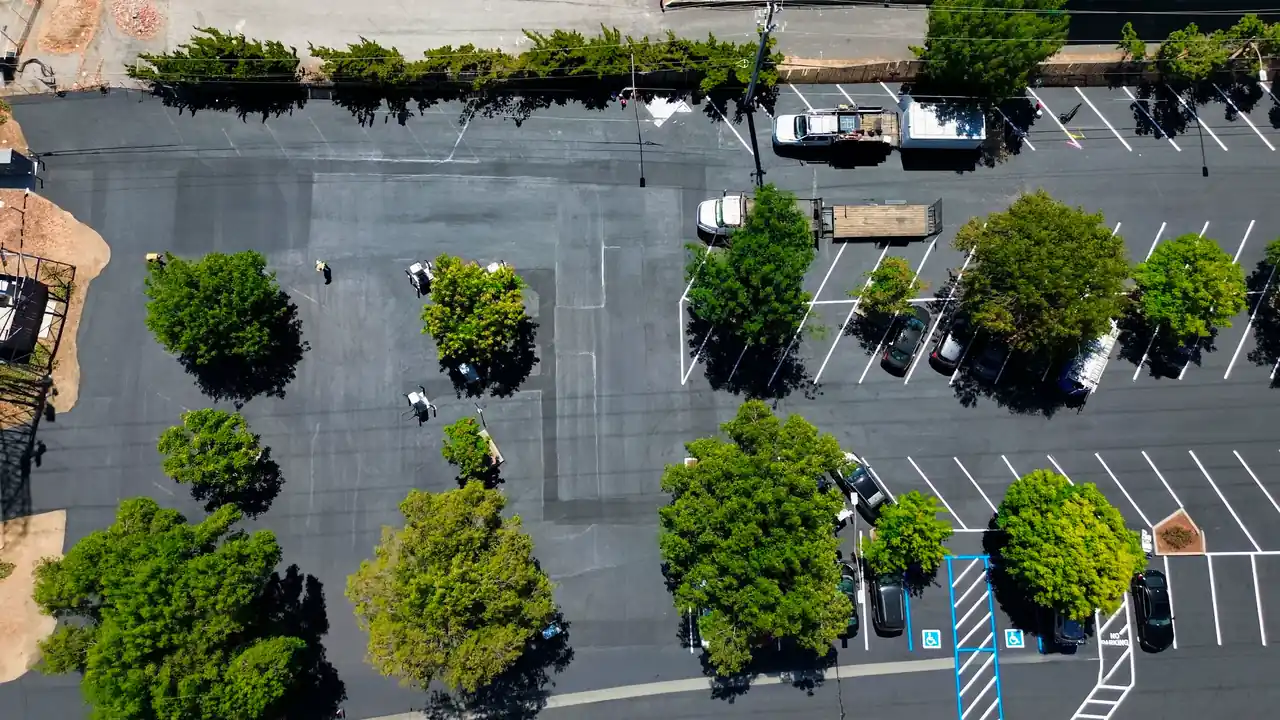
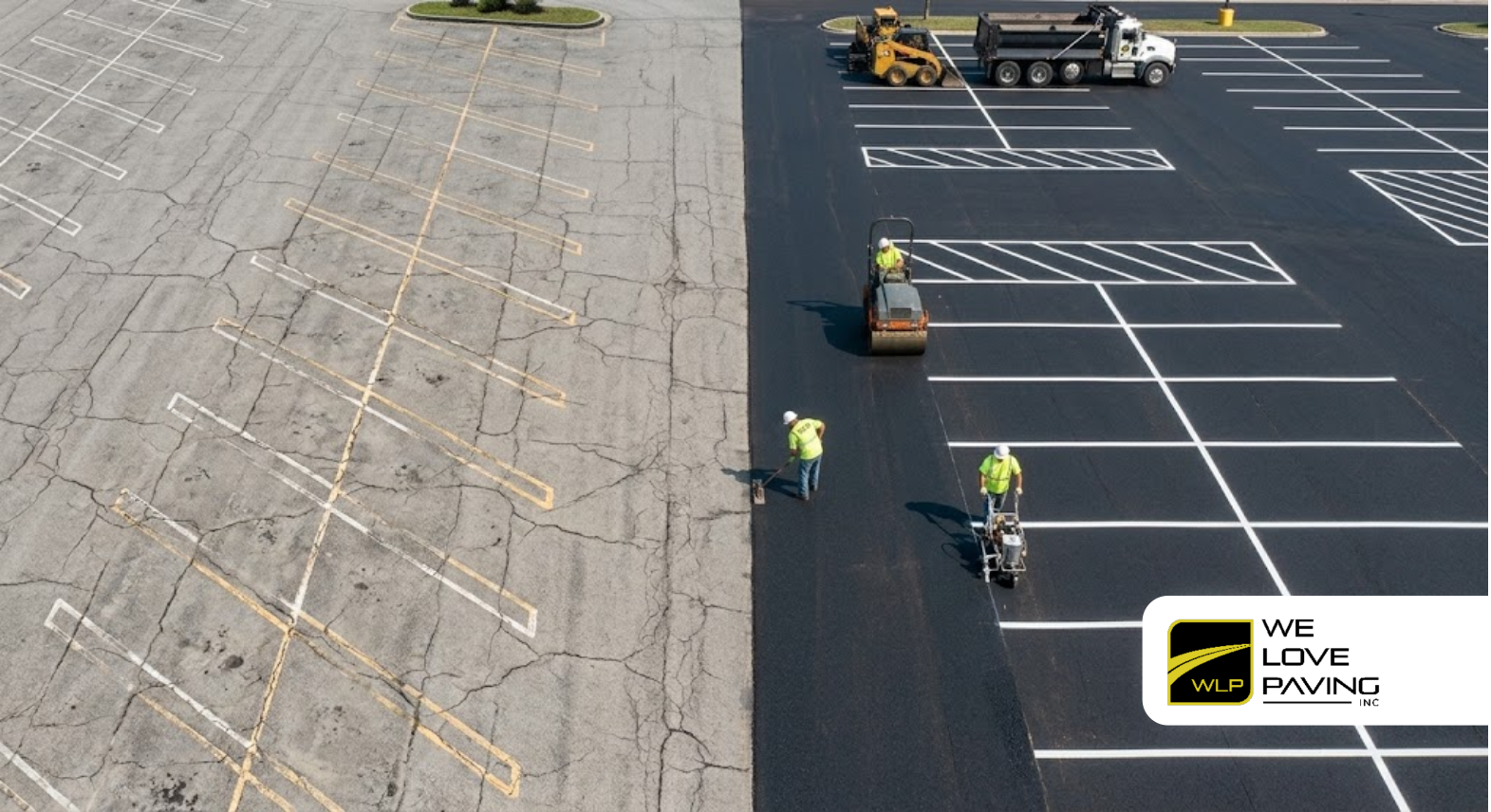
The required thickness of the asphalt layer also impacts the cost. Heavier traffic areas, such as commercial driveways and parking lots, require thicker asphalt layers to withstand the load, which increases the material cost. The application method, whether a single-layer or multi-layer process, also plays a role in determining the overall expense.
Asphalt and paving services demand is often seasonal, peaking during warmer months when construction activity is highest. This increased demand can lead to higher prices for both materials and labor. Planning projects during off-peak times may help mitigate some of these costs.
Factores Determinantes en el Costo del Asfalto
The cost per square foot for asphalt paving is influenced by numerous factors, making it challenging to provide a single, accurate figure without a detailed assessment of the project. Understanding the complexities involved, from site preparation and material quality to market variables, can help project planners budget more effectively and make informed decisions. Consulting with experienced paving professionals can provide valuable insights and more precise estimates tailored to the specific requirements of your project.